
Is 200 a Small Wedding? Exploring the Ideal Guest List Size
Choosing the size of your wedding can feel overwhelming. You might wonder if a guest list of 200 is considered small. In many contexts, people view 200 guests as a medium to large wedding. A small wedding typically includes about 50 guests or fewer. Understanding what defines a small wedding can help you create an intimate celebration that reflects your unique vision.
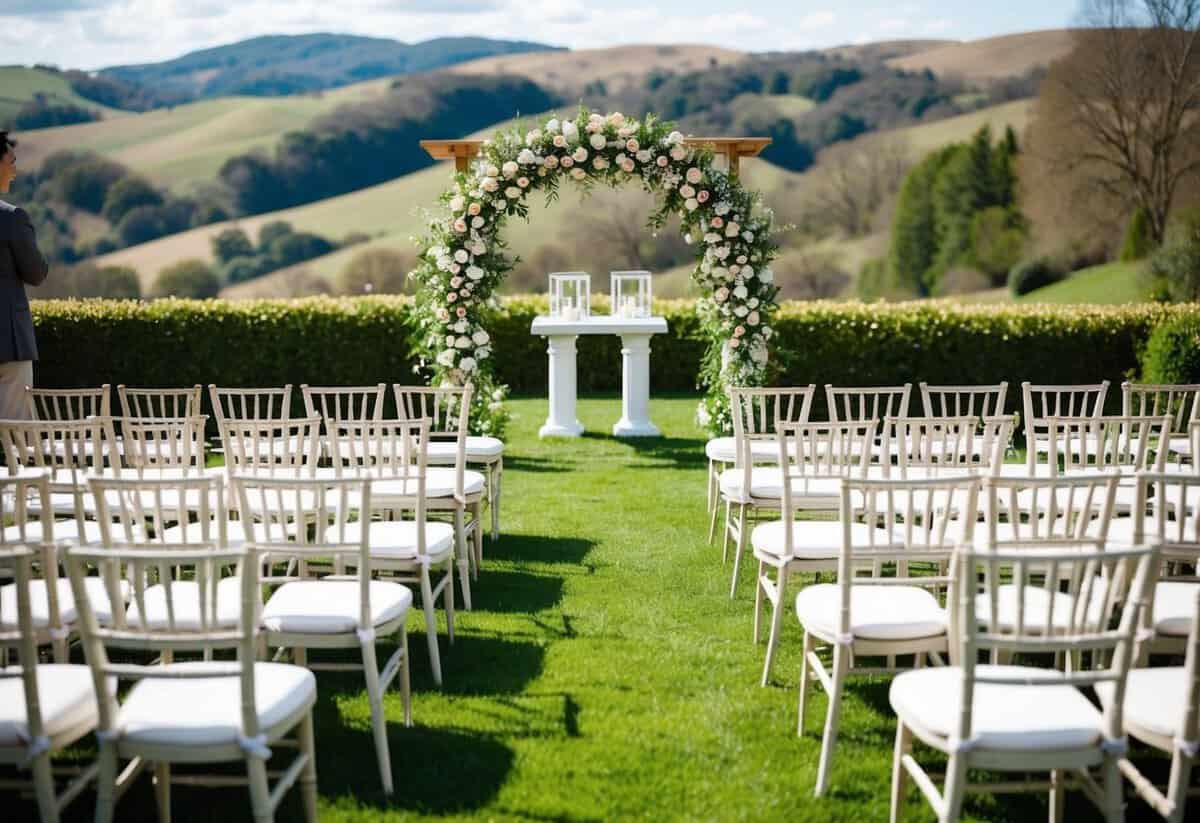
With so many opinions out there about what constitutes “average,” it’s important to remember that wedding size is subjective. If your family usually hosts big gatherings, a wedding with 200 attendees might feel more intimate. Regardless of the numbers, what truly matters is the atmosphere and connection shared among your guests.
Exploring your options can help you decide the best size for your special day. Whether you lean towards a smaller wedding for a cozy vibe or a larger gathering for a festive celebration, it’s all about what feels right for you and your partner.
Defining a Small Wedding
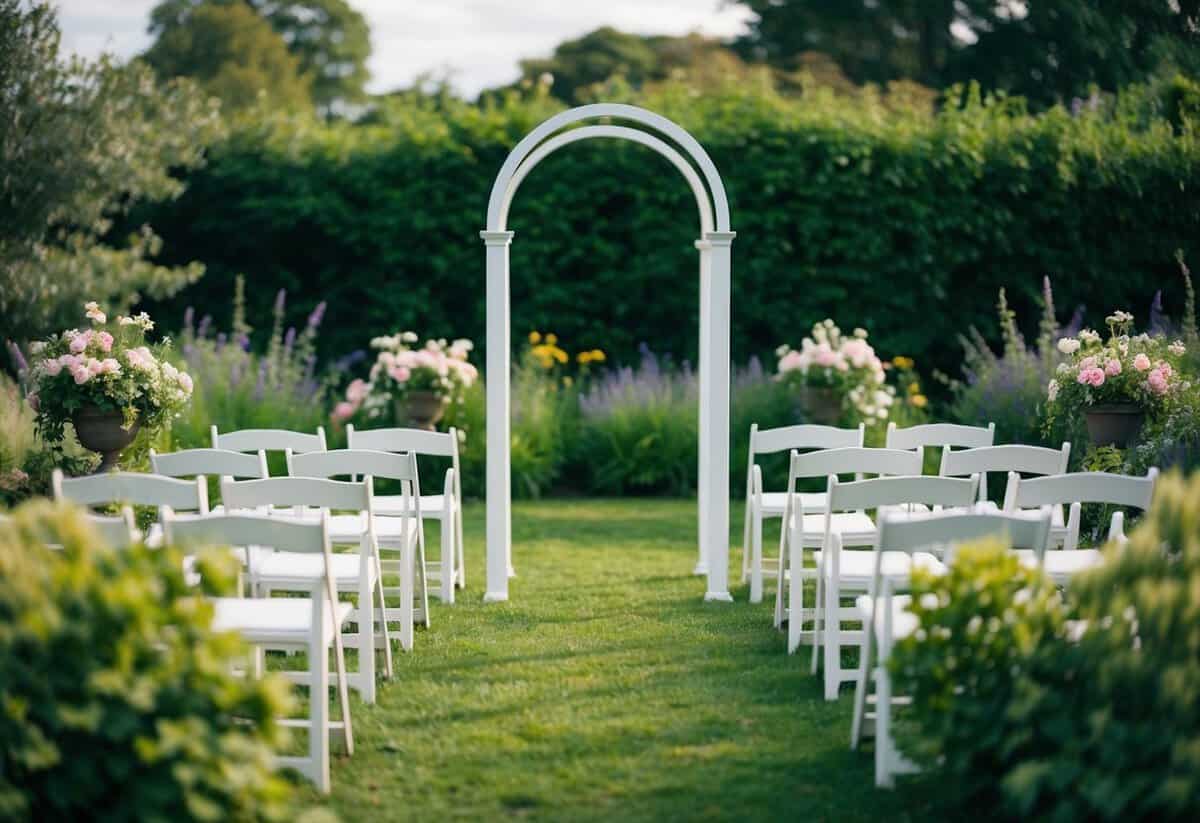
When thinking about what qualifies as a small wedding, various factors come into play. The size of your guest list is crucial, as it shapes the atmosphere and experience of the celebration. Let’s explore what makes a wedding small and how it compares to other sizes.
Guest Count Considerations
A small wedding typically includes a guest count of 50 or fewer attendees. This number allows for more personal interactions and meaningful connections with each guest. It creates an intimate setting where you can truly enjoy the company of close friends and family.
In contrast, a medium wedding usually has 50 to 150 guests, while a large wedding can exceed 200 guests. If your guest list falls below 50, you are likely organizing a very small wedding. During the COVID-19 pandemic, many couples opted for even smaller gatherings, leading to a rise in micro weddings, often defined as having 15 or fewer guests.
Pros of a Small Wedding
Choosing a small wedding comes with several advantages. One of the biggest positives is the cost savings. With fewer guests, you can allocate your budget to higher quality food, venues, or other details that matter most to you.
You also have the flexibility to choose unique venues, such as a cozy backyard or an intimate restaurant. This personal touch can enhance the overall experience.
Additionally, smaller weddings often lead to more meaningful interactions. You can spend quality time with each guest, making your celebration feel special and memorable.
Comparison to Micro and Large Weddings
When comparing small weddings to micro and large weddings, the numbers tell the story. Micro weddings tend to have around 15 guests or fewer, offering the most intimate atmosphere. This option is great for couples looking for a quiet, personal experience without the fuss.
On the other end, large weddings can have 200 guests or more. These events focus on grandeur and inclusivity but can dilute personal connections.
Understanding the differences between these types of weddings helps you make an informed choice about what fits your vision for your special day.
Planning Your Small Wedding
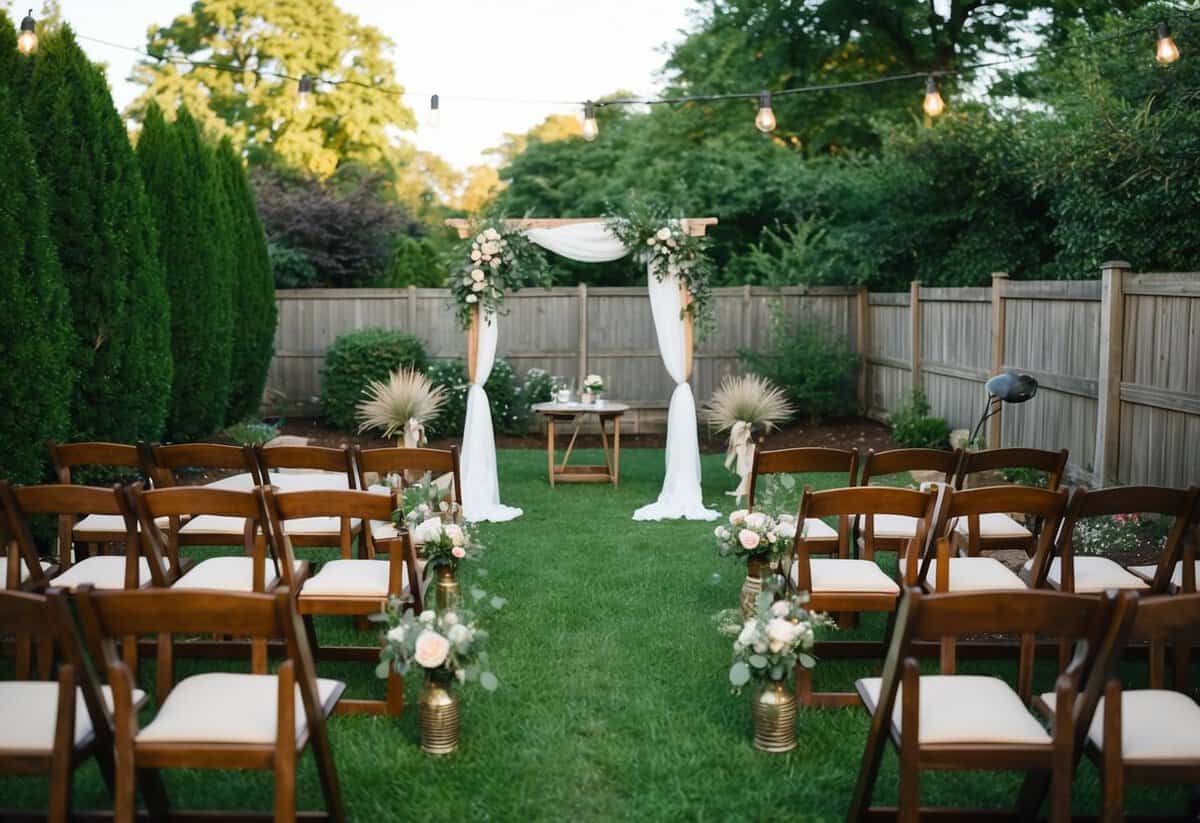
Planning a small wedding can be a rewarding experience. You can create a more intimate atmosphere that focuses on meaningful moments. Here are some key factors to consider when bringing your vision to life.
Choosing the Right Venue
The venue sets the tone for your wedding day. For a small wedding, think about cozy spaces that suit your style.
- Consider capacity: Look for venues that can comfortably accommodate your guest list.
- Location matters: Choose a place that is convenient for your loved ones.
- Ambiance: Whether it’s a backyard, a local restaurant, or a small event space, the atmosphere should reflect your personality.
Keep your budget in mind as you explore options. Some venues may include additional services like catering or decor, which can help simplify planning.
Crafting a Personal Guest List
Your guest list can make or break the feel of your wedding. For a small wedding, aim for close family and friends.
- Set criteria: Decide whose presence is most important to you.
- Prioritize: Keep your list manageable by focusing on relationships that matter.
- Be open: If you feel pressured by family expectations, consider discussing your vision openly.
Remember, a smaller guest list can lead to deeper connections and more personal interactions during your celebration.
Working with Vendors and Budget
Choosing the right vendors is crucial for your small wedding. You want professionals who understand your vision and can work within your budget.
- Get quotes: Reach out to several vendors to compare prices for services like catering, photography, and decor.
- Negotiate: Don’t hesitate to discuss your budget with them. Many are willing to find flexible options.
- Simplify: With fewer guests, you can invest more per person, allowing for higher-quality items like gourmet meals or premium flowers.
By focusing on your needs and expectations, you can create a wonderful experience without overspending.
Making Your Small Wedding Special
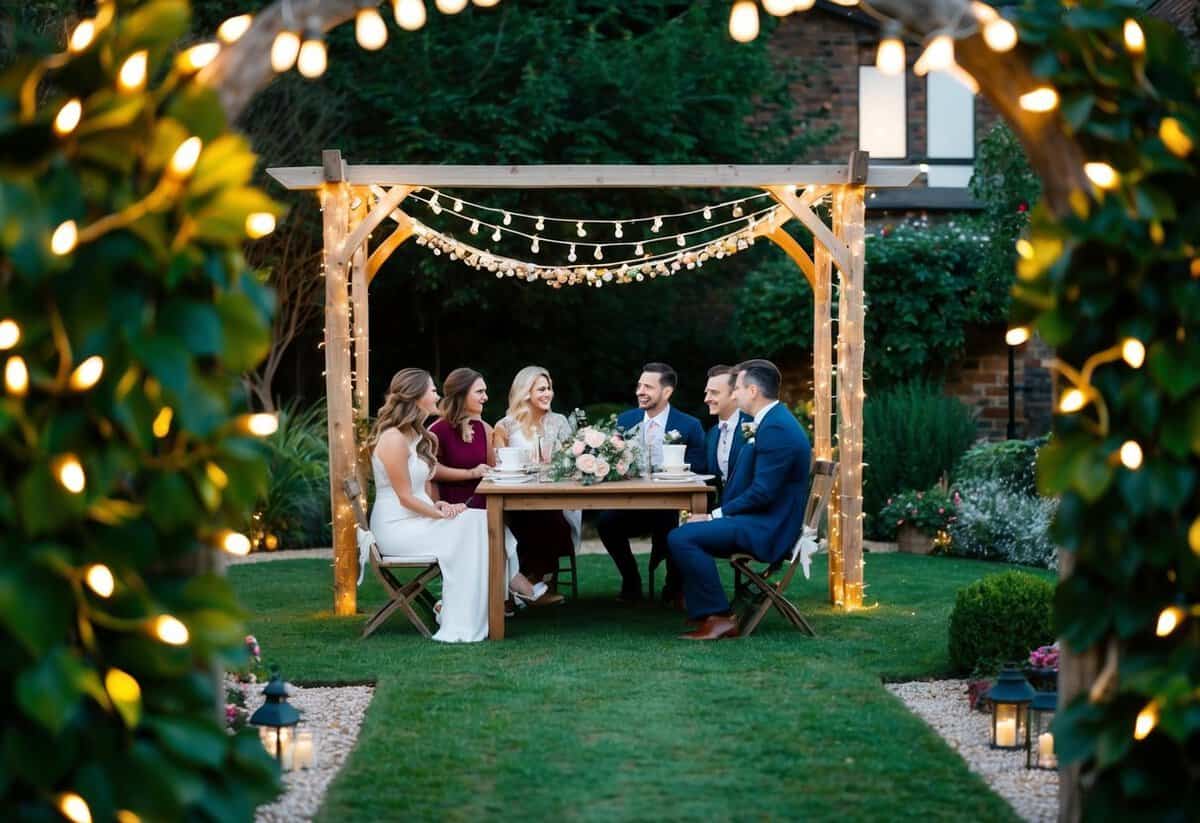
A small wedding offers a unique opportunity to create a personal and memorable experience. Focusing on unique details, meaningful interactions, and genuine moments can help your intimate celebration stand out.
Unique Details and Decor
In a smaller setting, you have the chance to emphasize unique details that reflect your personality and love story. Choose a color scheme that resonates with you and your partner.
Consider personalized centerpieces, such as custom photo frames or favorite books as decorative elements. These touches add authenticity and spark heartfelt connections among your guests.
Instead of generic decorations, think about items that hold special meaning. For instance, using family heirlooms or DIY crafts can make your decor truly one-of-a-kind. These details show your creativity and commitment to making your day special.
Entertainment and Bonding Time
Entertainment plays a key role in creating lasting memories. With fewer guests, you can invest in options that encourage bonding, like hiring a live band or a DJ who understands your style.
Engaging activities also promote quality time and heartfelt interactions. You might arrange fun games or even invite your guests to share stories during the reception.
Think about including personal touches, such as a family dance-off, or karaoke session. This not only entertains but also allows everyone to participate and connect with each other.
Capturing Authentic Moments
An intimate wedding provides the perfect backdrop for capturing authentic moments. With a smaller guest list, photographers can focus on real emotions and interactions, making your wedding album rich with memories.
Consider a “first look” moment before the ceremony. This can be a private and emotional experience just for you two.
Hire a photographer who values candid shots, ensuring your special moments are documented naturally. Encourage guests to capture their own photos and share them. This allows for a diverse collection of memories that reflect the real essence of your wedding day.