
Is 200 People Too Many for a Wedding? Exploring Guest List Considerations
When planning your wedding, the size of your guest list is an important decision. You may wonder if inviting 200 people is too many. The right number of guests really depends on your personal style and budget, but typically, 150 to 200 guests are considered a large wedding.
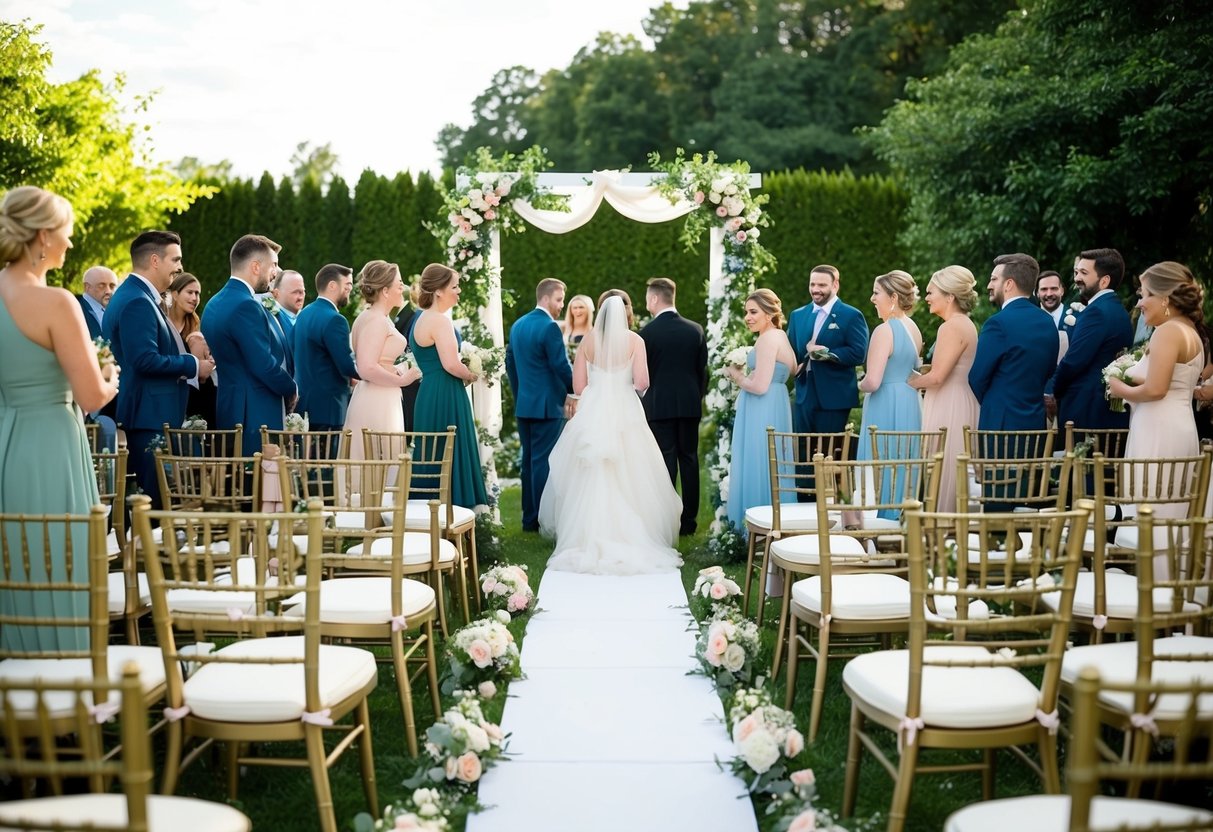
A larger guest list can create a lively atmosphere, allowing you to celebrate with friends, family, and acquaintances from various aspects of your life. However, it can also complicate your wedding planning, making venue choices and catering more challenging.
Understanding the average wedding size can help you gauge what feels right for you.
As you consider your options, think about the experience you want to create. Balancing a large guest list with an intimate feel is possible, but knowing your priorities will guide you in making the best decision for your special day.
Determining the Right Size for Your Wedding
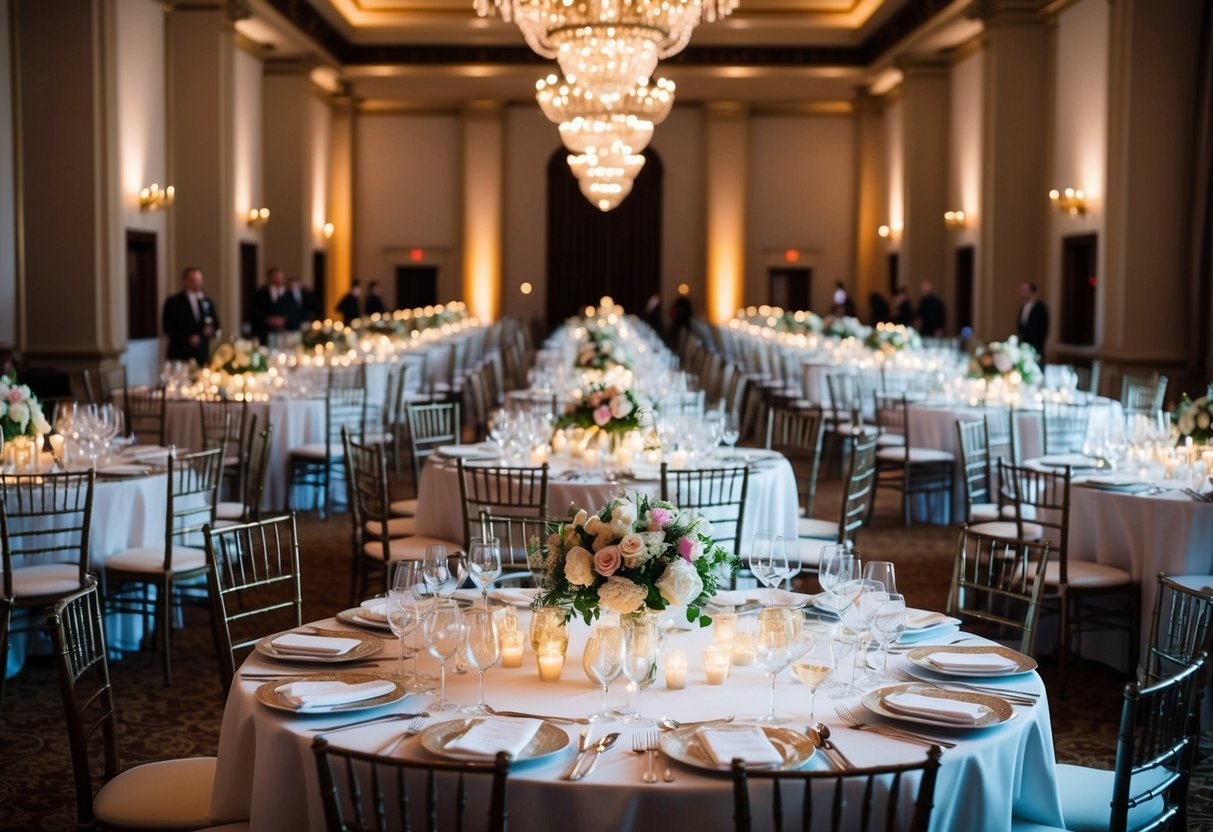
Choosing the right size for your wedding can feel overwhelming. You want to make sure the day is special without going overboard.
Consider how the number of guests will affect your budget, your vision for the event, and the overall feeling you want to create.
The Impact of Guest List Size on Budget
The size of your guest list greatly influences your budget. A larger wedding typically costs more because you will need extra food, drinks, and seating. For instance, a wedding with 200 guests will require a bigger venue and more catering services than a micro wedding with just 10 attendees.
Think about these cost factors:
- Venue Rental: Larger spaces can be more expensive.
- Catering Costs: Meals per person add up quickly.
- Decor and Setup: More guests mean more decor.
If budget is a concern, you might choose a medium-sized wedding with around 75 to 150 guests to balance cost and intimacy.
Types of Weddings: From Elopements to Large Weddings
There are many styles of weddings to consider, depending on the guest list size. An elopement is a simple option for just two people, focusing entirely on the couple’s desires. In contrast, a big wedding may include 200 or more guests, allowing you to celebrate with friends and family.
Here’s a quick breakdown:
- Micro Wedding: 10-30 guests, very intimate.
- Small Wedding: Up to 50 guests, close friends and family.
- Medium Wedding: 50-150 guests, a balance of intimacy and inclusiveness.
- Large Wedding: Over 150 guests, ideal for those with extensive social circles.
Each type brings a different vibe and set of challenges, so think about what feels right for you.
Understanding the Average Wedding Size
Knowing the average number of guests at weddings can help you set your own expectations. Most weddings have around 100 to 150 guests. This size creates a lively atmosphere without being overwhelming.
For specific events, you might see:
- Intimate Weddings: Generally around 30-50 guests.
- Destination Weddings: Guest counts can vary widely based on travel and location.
Ultimately, the right size for your wedding should reflect your personality and what makes you feel comfortable. Consider who you want to share this important day with and what setting will make your celebration enjoyable for everyone.
Logistics and Planning Considerations
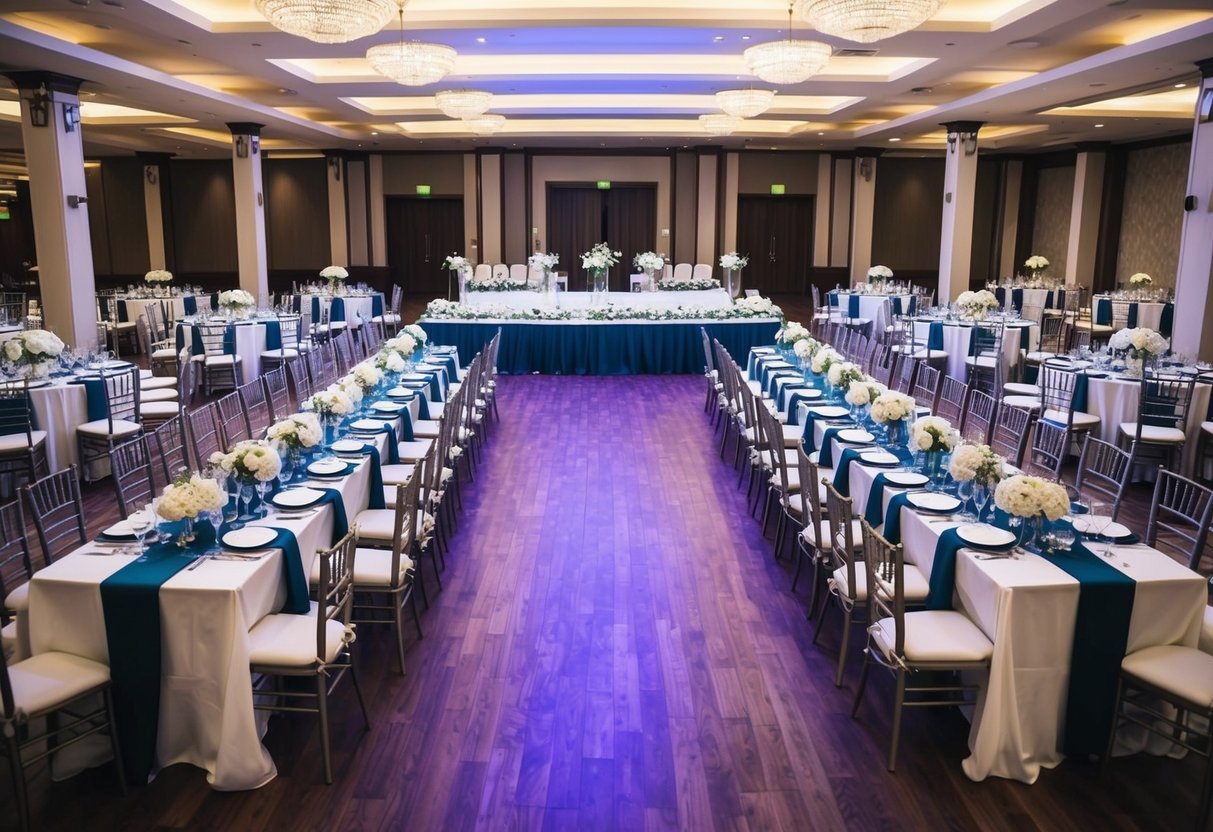
Planning a wedding with 200 guests involves careful organization. You must think about the venue, how to accommodate guests traveling from afar, and how to handle invitations. Each aspect is crucial to ensure a smooth event.
Securing the Right Wedding Venue
Choosing the right venue is essential. You need a space that comfortably fits 200 guests. Look for locations with enough room for seating, dining, and dancing.
Consider whether you prefer an indoor or outdoor venue. Each has its charm but comes with different logistical needs. Outdoor spaces may need tents if weather is uncertain.
Visit potential venues to visualize the setup. Think about locations for tables, a dance floor, and other activities. Confirm if the venue provides tables and chairs or if you need to rent them.
Accommodating Out-of-Town Guests
Having out-of-town guests means you might need to arrange accommodations. Check local hotels and their capacity. Consider setting up a block of rooms to make booking easier for guests.
Provide your guests with a list of nearby lodging options, including price ranges. You could offer recommendations for local attractions. This helps them feel welcome and included in the celebration.
Don’t forget about transportation. You may need to arrange shuttles or provide information on public transport. Making travel plans clear helps your guests enjoy the wedding without stress.
Save-the-Dates and Wedding Invitations Process
When planning invitations, start with save-the-dates. Send these out early, especially for a large guest list. This helps guests plan for travel, especially if they are coming from a distance.
When creating your wedding invitations, include important details like the venue, date, and RSVP information. Make sure to mention plus-ones if you’re open to them bringing a guest.
Use a guest list manager to keep track of RSVPs. This tool helps you see who is attending and can simplify your planning. Knowing who is coming allows you to finalize seating and meal choices easily.
Managing Your Wedding Budget

Managing your wedding budget is key to ensuring you have a memorable day without financial stress. Understanding how much each guest costs, recognizing hidden expenses, and knowing how a wedding planner can assist you are all important parts of staying on track.
Calculating the Cost per Guest
One of the first steps in managing your budget is calculating the cost per guest. For a wedding with 200 people, the average cost can range from $20,000 to $80,000.
To break that down:
- Venue: $5,000 to $25,000
- Catering: $30 to $150 per person
- Rentals and decor: Varies widely
Multiply your guest count by the per-person costs. If you expect to pay $100 per guest, that’s $20,000 for 200 guests. Knowing this helps you adjust your list if expenses exceed your budget.
Hidden Expenses to Consider
There are often hidden wedding expenses that can catch you off guard. Here are some to keep in mind:
- Tips and gratuities: 15-20% for catering and other services.
- Vendor meals: Don’t forget to provide meals for your vendors, which can add up.
- Unexpected fees: Always ask about extra charges for cleanup, overtime, or setup.
Creating a checklist of potential costs can help you identify these hidden expenses. You may find you need to build a buffer in your budget for these surprises.
How Wedding Planners Can Help
Hiring a wedding planner can be a great investment for managing your budget. They help break down costs, ensuring you don’t overlook important expenses.
Planners often have connections to better rates with vendors and can negotiate on your behalf. They can also suggest budget-friendly options without sacrificing quality.
By handling the logistics, they allow you to focus on other important details.
Investing in a planner may seem costly at first but can save you money and stress in managing your wedding budget.