
Is 3 Hours Too Short for a Wedding Reception? Exploring the Perfect Celebration Length
When planning your big day, you might wonder if a three-hour wedding reception is too short. Many couples find that three hours can be just the right length to celebrate with friends and family without feeling rushed. This time frame allows for key moments like cake cutting, dancing, and some heartfelt toasts, giving you a memorable experience.
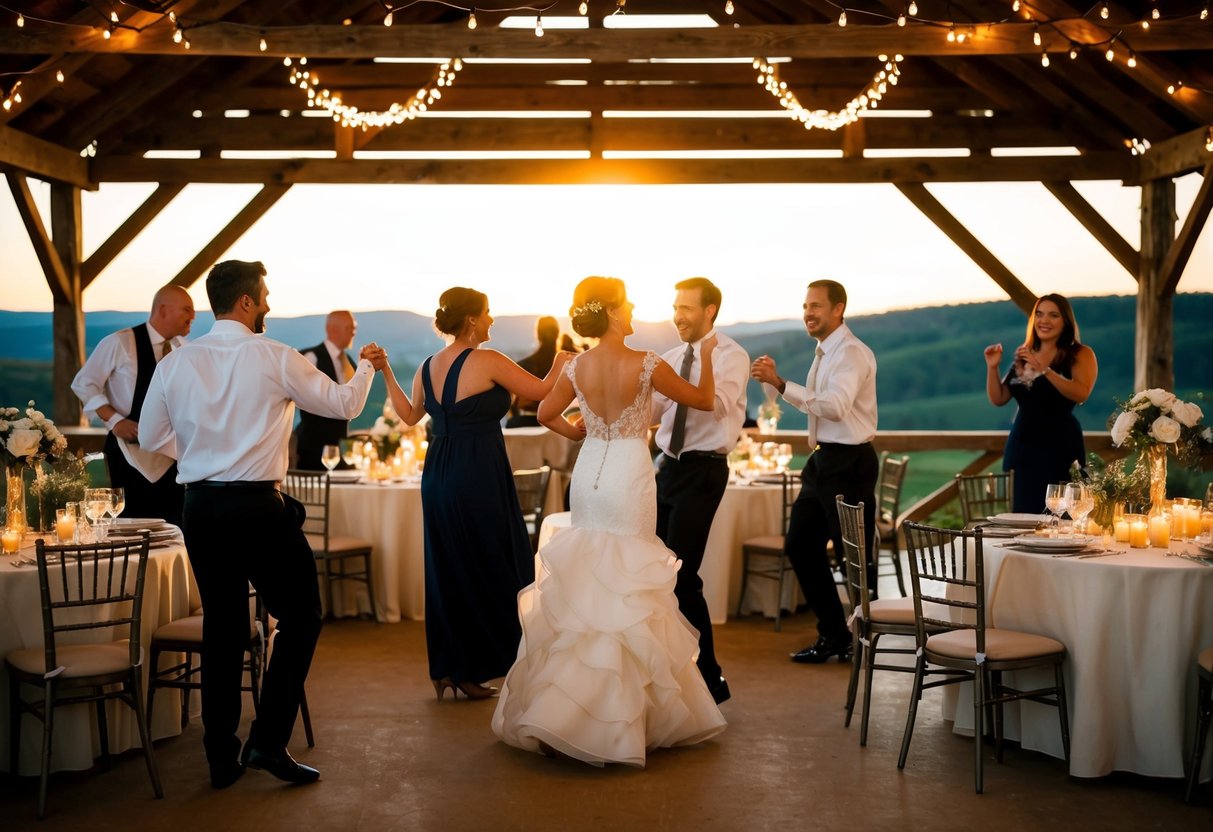
Each couple has unique preferences, and some may desire a longer reception to fit in more activities. However, a shorter reception can lead to a more intimate atmosphere. This allows you to focus on enjoying time with your guests rather than filling every minute with planned events.
Ultimately, the ideal length depends on what you envision for your celebration. A well-planned three-hour reception can provide joy and excitement while keeping things relaxed and enjoyable.
Determining the Ideal Reception Length
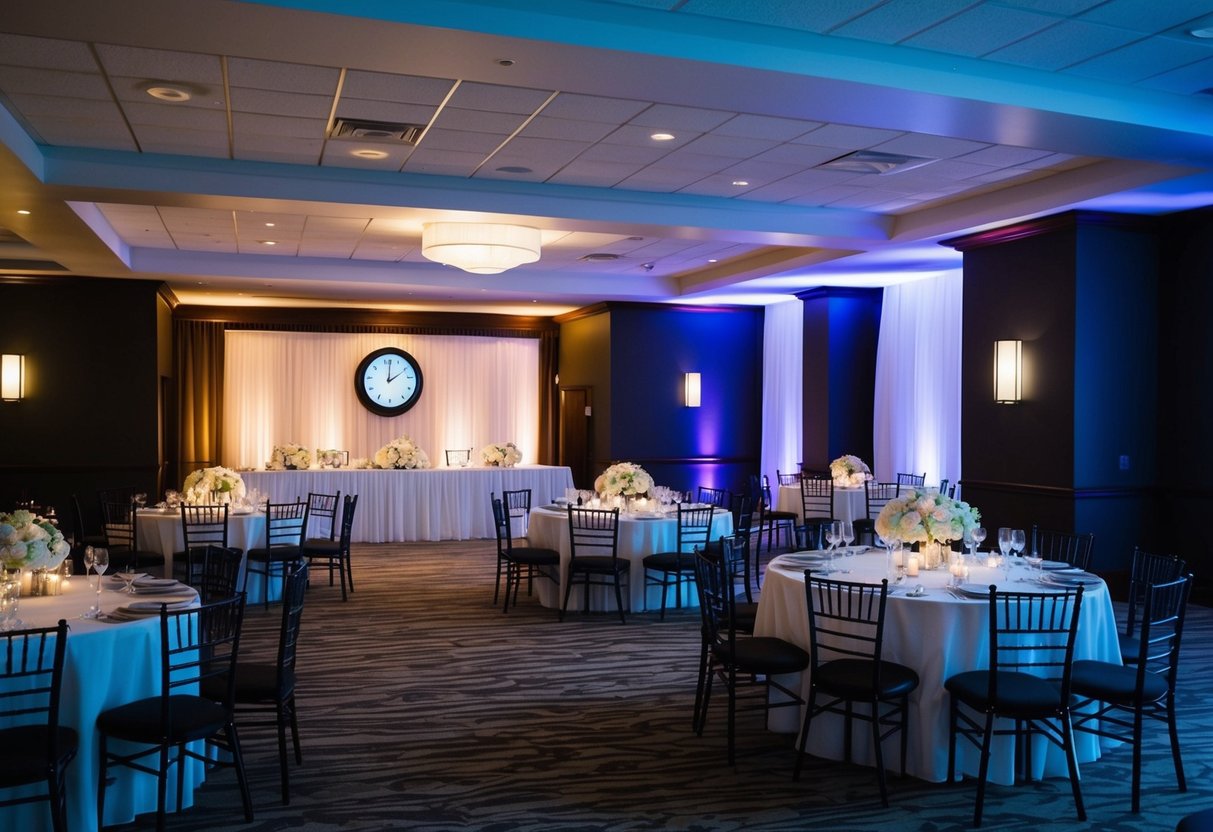
Choosing the right length for your wedding reception is important for creating a memorable experience. Several factors can influence this decision, including typical timelines, personal preferences, and the size of your guest list.
Typical Wedding Reception Timelines
Most wedding receptions last between 4 to 5 hours. This allows ample time for guests to arrive, enjoy the meal, and participate in activities like dancing and speeches.
A common timeline includes:
- Cocktail Hour: 1 hour
- Dinner: 1.5 to 2 hours
- Dancing and Activities: 2 hours
If your ceremony is brief, you may want to add an extra hour for the reception. This extra time can help ensure that guests have the opportunity to celebrate and enjoy the festivities without feeling rushed.
Factors Influencing Reception Duration
Your wedding day schedule plays a big role. Factors to consider include:
- Guest Count: A larger group may need more time to mingle and enjoy the meal.
- Activities Planned: If you have special dances, games, or speeches, you’ll want more time.
- Ceremony Length: A shorter ceremony means more time for the reception.
Always communicate with your wedding planner to factor in the flow of the day. This can make sure everything fits nicely within your wedding timeline.
Pros and Cons of a Shorter Reception
There are benefits and downsides to a shorter reception.
Pros:
- Your wedding can be more intimate and budget-friendly.
- Guests may appreciate a brisk schedule, keeping the energy high.
Cons:
- If you have many guests, they might feel like there’s not enough time to socialize.
- A shorter time might rush special moments like the cutting of the cake or speeches.
You should weigh these points carefully. The ideal length for your reception depends on what you value most on your wedding day.
Structuring Your Wedding Reception Schedule
Creating a well-planned schedule for your wedding reception can help keep the evening on track and ensure everyone enjoys the celebration. Each part of the reception plays a vital role in building excitement and crafting lasting memories.
Ceremony to Reception Transition
After the ceremony, make this transition smooth for you and your guests. Consider planning a cocktail hour where guests can mingle and relax while you take photos. This allows everyone to enjoy some appetizers and drinks.
Often, the cocktail hour lasts about an hour. During this time, have a light playlist playing. It sets the mood and keeps guests entertained. Ensure your wedding venue is prepared for this, so guests don’t feel rushed.
Cocktail Hour and Guest Entertainment
During the cocktail hour, serve a variety of appetizers and drinks. This is a great opportunity to offer a signature cocktail that reflects your style.
Think about entertainment options. If your budget allows, consider hiring a musician or a small band. This adds a nice touch and helps set a festive atmosphere.
Don’t forget to ensure there are enough places for your guests to mingle comfortably. This sets the tone for the rest of your evening together.
Dinner and Speeches
Once the cocktail hour wraps up, transition into the dinner phase. Whether you choose a sit-down dinner or a buffet, make sure the food is delicious and served promptly.
After dinner, it’s time for speeches and toasts. Ask a few close friends or family members to prepare a toast. These moments bring warmth and connection to the event.
It’s important to keep speeches light and joyful. Set a time limit to keep things moving smoothly.
Dance Floor and Special Dances
After dinner and toasts, invite your guests to hit the dance floor! Start with your first dance as a couple, which is a special moment.
Following your dance, open the floor to your guests. Consider having a DJ or a live band that can keep the music flowing. You’ll want the dance floor to be vibrant and fun.
Encourage group dances or fun songs that engage everyone. It’s a chance for guests to let loose and celebrate your happiness together.
Cake Cutting and Final Farewell
The cake cutting ceremony can act as a sweet transition into the final part of the night. It’s not just about the cake; it’s another moment for everyone to gather around and celebrate.
When you’re ready, gather your guests and share a few words before cutting the cake. Be sure to capture these moments with photos!
After the cake cutting, you might want to have a final farewell. Consider offering a late-night snack or parting favors as guests leave. This leaves a lasting impression and gives your reception a sweet ending.
Tailoring the Reception to Your Wedding Size
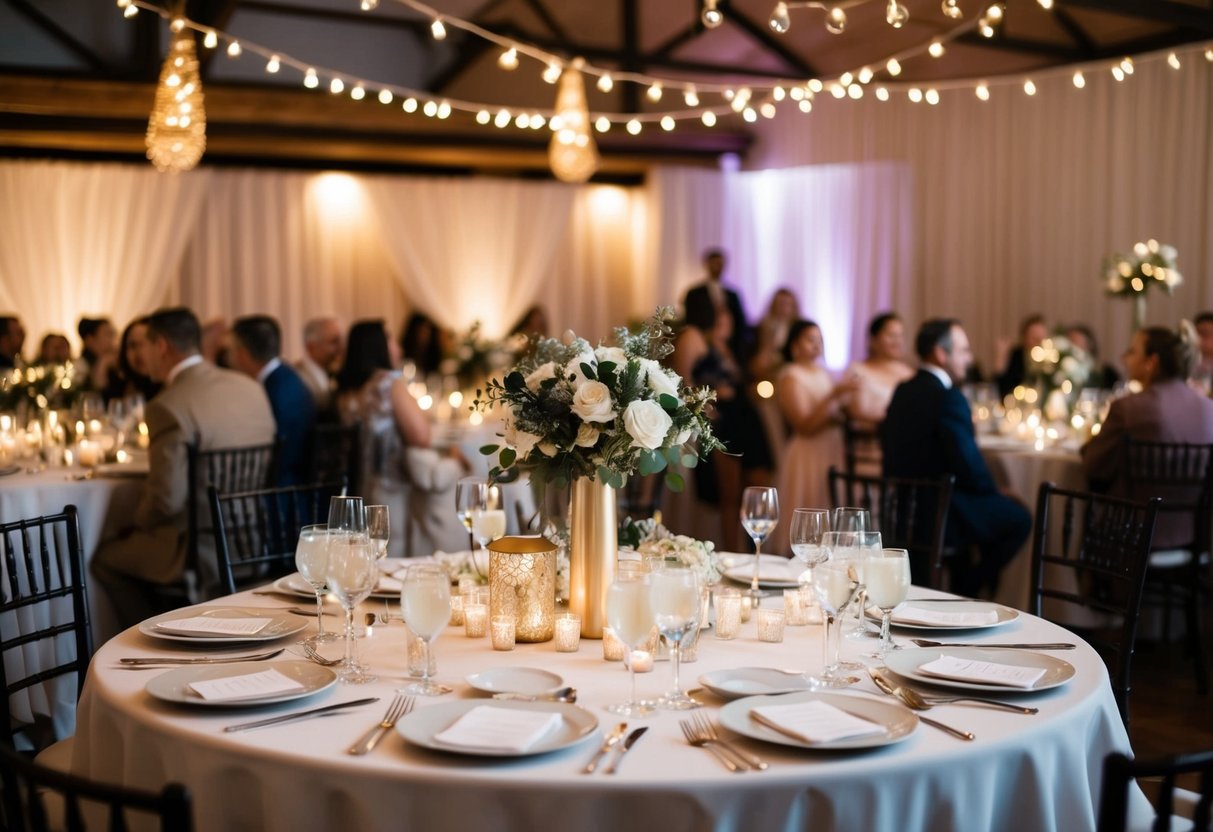
Your wedding size plays a big role in how you plan your reception. Understanding how to manage expectations and create the right atmosphere will help you make the most of your time. Here’s how to tailor your reception to fit the number of guests you expect.
Managing Expectations for Larger Weddings
When you host a larger wedding, typically with more than 100 guests, keep in mind that things can move quickly. In a 3-hour reception, you might want to structure the time effectively. Break the event into segments, like cocktails, dinner, and dancing.
Consider how the number of wedding guests will impact the flow. You can arrange a buffet or stations to keep lines short. This setup encourages mingling among your guests, making the atmosphere livelier.
Also, assign your wedding party special roles to guide guests through these segments. This way, everyone feels included, even if the crowd is sizable.
Intimate Vibes for Smaller Weddings
Smaller weddings offer a unique chance to create a warm and inviting atmosphere. With fewer guests, you have the flexibility to focus on personalized experiences.
In a 3-hour reception, you might plan a more leisurely meal and include time for heartfelt toasts. When setting up the space, think about cozy seating arrangements. Use smaller tables to encourage engagement among your guests.
An intimate guest list allows you to spend quality time with everyone. You might even consider unique activities, like a themed toast or group games, to enhance the personal connection.
Guest Experience Considerations
Regardless of your wedding size, guest experience should be a top priority. For larger events, think about creating a schedule in advance. Share it with your guests so they know what to expect.
For smaller weddings, you may focus on personalized touches, like handwritten notes or customized favors. These gestures leave a lasting impression and make your guests feel special.
Remember that music and entertainment also influence the vibe. For a larger crowd, consider hiring a DJ or live band to keep energy levels high. For a small, intimate gathering, a solo musician or playlist can add a personal touch.
Additional Reception Events and Activities
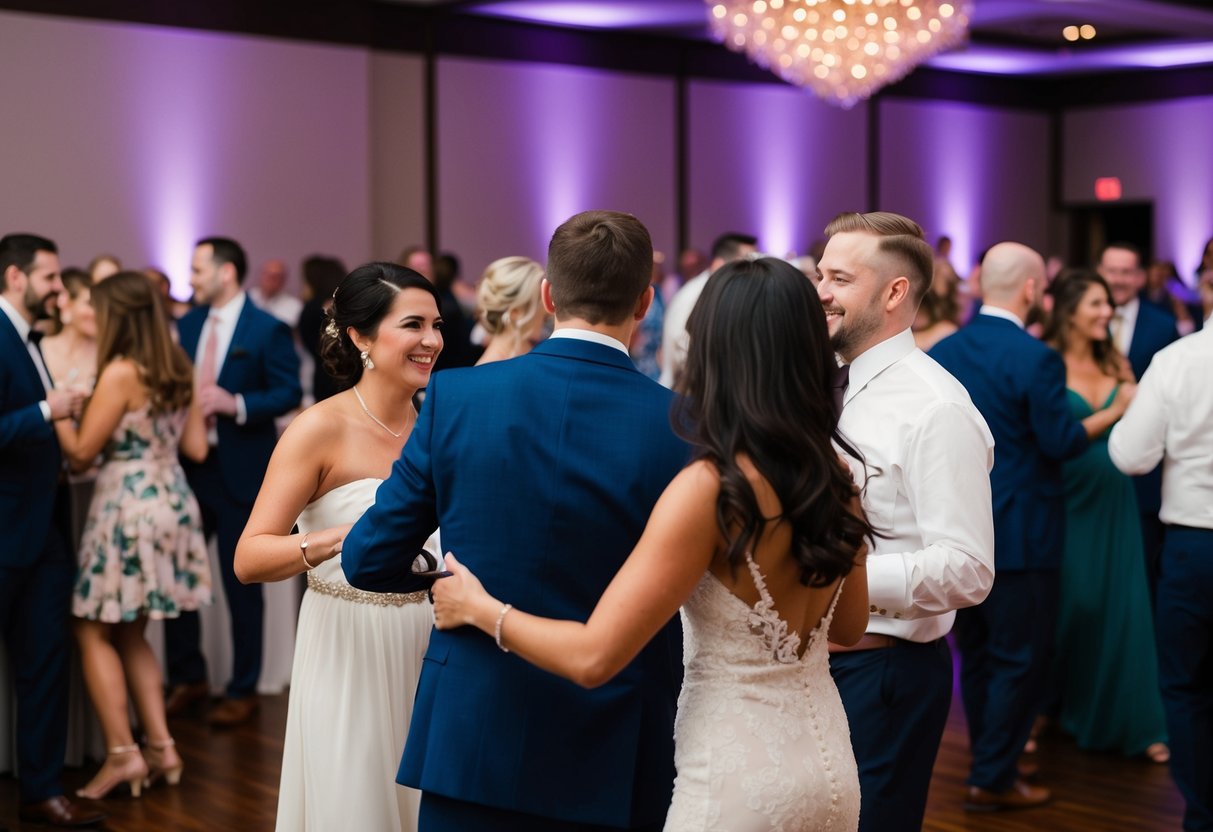
Adding special events and activities to your wedding reception can enhance the celebration. Consider incorporating classic traditions, cultural elements, and fun after-party plans to make the evening memorable. Each of these activities can fit nicely within your timeline, making sure your guests have a great time.
Bouquet and Garter Toss
The bouquet toss and garter toss are traditional events that can bring excitement. During the bouquet toss, you gather your single female friends and throw the bouquet. The catch symbolizes the next one to marry. You can create a fun atmosphere by inviting everyone to cheer.
For the garter toss, the groom removes the garter from your leg and tosses it to the single men. This lighthearted competition adds an element of fun. These moments usually take about 10-15 minutes each, fitting neatly within a short reception.
Incorporating Cultural Traditions
Cultural traditions can give your reception a unique touch. For instance, in Indian weddings, you might include a Mehndi ceremony or a lively Sangeet night before the big day. These events can enhance guest involvement and create lasting memories.
Consider other cultural traditions that resonate with you or your partner’s heritage. Whether it’s a special dance, song, or ritual, choose activities that reflect your background. Ensure you discuss these plans with your wedding planner to fit them into your schedule clearly.
Planning the After-Party
An after-party can give your guests a reason to keep celebrating. This casual reception can take place at a nearby venue or even at your home.
You may want to offer lighter snacks or a plated dinner as guests unwind. It’s also a great opportunity for those wanting to continue dancing or enjoying drinks.
If you’re planning an evening wedding, your guests will likely appreciate the chance to socialize after the main event. Keep the vibe relaxed and fun with good music and comfortable seating.