
Is 3 Months Too Soon to Plan a Wedding? Tips for a Stress-Free Celebration
Are you wondering if three months is too soon to plan a wedding? Many couples find themselves in a position where a short engagement is their only option. The good news is that you can definitely plan a beautiful wedding in just three months with the right steps.
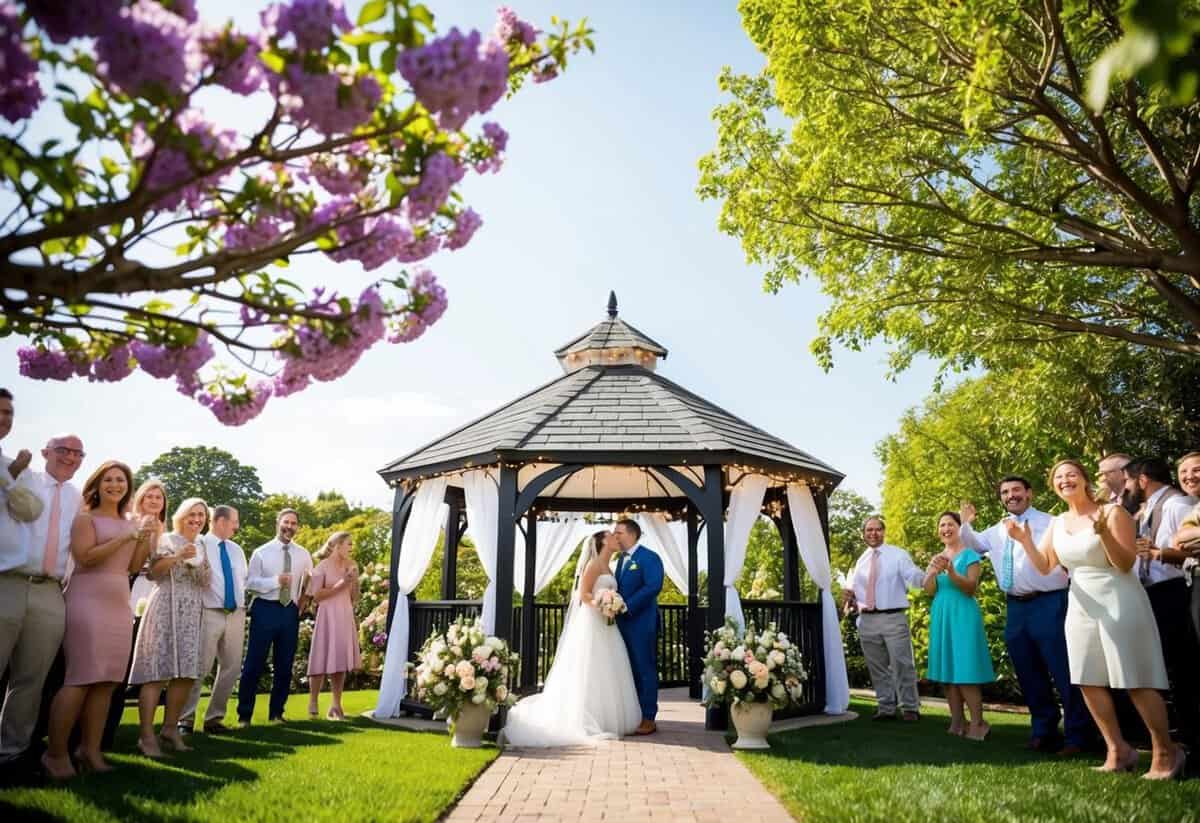
While the average time to plan a wedding is typically a year or more, a tight timeline doesn’t mean you have to sacrifice your dream day. With careful organization and quick decision-making, you can tackle essential tasks like booking a venue and securing vendors efficiently. Embracing a short engagement can even make the planning process feel more exciting and focused.
In this article, you’ll discover practical tips and a checklist for planning a wedding in three months. Whether you’re feeling overwhelmed or thrilled by the challenge, you’ll find that a memorable celebration is indeed possible within this timeframe.
Setting Your Priorities and Timeline
Planning a wedding in three months is possible, but you need to stay organized and focused. Prioritizing your needs and creating a clear timeline will help you manage the details more effectively.
Choosing the Right Date and Venue
The first step is to set a date that works for you and your partner. Consider significant dates that may have special meanings, such as anniversaries.
Next, think about your venue. Popular spots can book quickly, so act fast. If you’re flexible, consider a weekday wedding for more options.
If the desired venue is unavailable, don’t be afraid to shift your date or explore alternative locations. Prioritize what matters most, whether it’s a scenic outdoor space or a cozy indoor setting.
Creating a Wedding Planning Timeline
Once you have your date and venue, it’s time to create a timeline. Begin with a checklist that includes your major tasks.
Here’s a simple outline to get started:
- 3 Months Out: Set the date and book your venue.
- 2 Months Out: Secure vendors like caterers, photographers, and florists.
- 1 Month Out: Finalize details like decorations, officiants, and music playlists.
Try to stick to this timeline. If you find you’re behind, focus on your top priorities first.
Determining the Scope: Micro Wedding or Minimony
Decide whether you want a larger gathering or a more intimate celebration. A micro wedding typically involves fewer than 50 guests. This allows for a more personal touch and can simplify planning.
On the other hand, a minimony is a small ceremony with just your closest family and friends, often without a full reception.
Think about your budget and what feels right for you. This decision will affect your guest list, venue choice, and overall planning process. Choose what aligns best with your vision for the day.
Assembling Your Dream Team
Putting together a strong team is crucial for a wedding planned in just three months. You need to quickly select the right vendors, consider hiring a wedding planner, and ensure that accommodations and transportation are arranged. Here’s how to get started.
Selecting Vendors Rapidly
Finding your wedding vendors quickly is essential. Prioritize the key roles: photographer, caterer, florist, DJ, and officiant. Start by asking friends, family, or online communities for recommendations. Look for vendors who have worked with tight timelines before.
Create a checklist to compare vendors based on their availability, style, and pricing. Reach out to several at once to speed up the decision-making process. You can also check reviews and social media for quick insights.
Remember, having a reliable vendor team makes all the difference. Once you secure your key vendors, the planning will start falling into place!
Hiring a Wedding Planner
If you’re feeling overwhelmed, consider hiring a wedding planner. A planner can save you time and stress, especially with a short timeline. They have connections and can quickly recommend trusted vendors.
Discuss your vision and budget with them. They’ll guide you through every decision and keep everything organized. Make sure to check their references and ask about their previous experience with quick-turnaround weddings.
Having a planner allows you to focus on the fun parts, like choosing flowers and cake flavors, while they handle logistics.
Securing Accommodations and Transportation
Make sure your guests have a place to stay. Securing hotel room blocks early is important, so reach out to hotels soon. Ask about group rates and availability. This helps your guests feel comfortable and accommodated.
Consider transportation options too. Determine if you need to provide shuttles for guests between the venue and hotel. You can hire a transportation service to take care of logistics.
Plan early to avoid last-minute stress. By covering accommodations and transportation promptly, you can ensure your wedding day goes smoothly for you and your guests.
Key Details to Address
Planning a wedding in three months means you need to get organized quickly. There are key areas you must focus on, including the guest list, attire, and the flow of your ceremony and reception.
Finalizing the Guest List and Invitations
First, you should create your guest list. Start by writing down everyone you want to invite. It’s important to think about the space you have since the venue will determine the headcount.
Once your list is ready, consider sending out digital wedding invitations. They are quick and easy, allowing you to include RSVP information right away. Make sure to track your RSVPs to know how many guests to expect.
Don’t forget to create a wedding website. This will help keep guests informed about the big day, including dates, times, and any other events. You can share details about your registry or accommodate special requests.
Choosing Attire and Rings
Next, focus on choosing your wedding attire. Start shopping for your wedding dress or suit right away. It’s best to allow time for fittings and alterations. Think about styles that suit your personality and the season.
In addition, don’t overlook wedding rings. Do some research and visit local jewelers or browse online shops. Choose rings that not only fit your budget but also resonate with your style.
Prepare a checklist to keep your shopping organized. This will help ensure you don’t forget anything, from shoes to accessories.
Planning the Ceremony and Reception
Now, for the ceremony and reception, outline what you envision. Decide on the key elements like the ceremony location, music, and seating arrangement. Remember to plan a ceremony rehearsal. This will help everyone know where to go and what to do on the big day.
Create a wedding-day timeline that includes setup times, the ceremony, and the reception activities. Share this with your vendors to keep everyone on the same page. For the reception, think about your song list, ensuring it reflects your taste and sets the mood for the celebration.
Lastly, plan your seating chart. This is crucial for organizing guests, especially with a larger headcount. This way, your guests can enjoy the event without confusion about where to sit.
Budgeting and Final Preparations

When planning a wedding in three months, managing your budget and finalizing preparations is crucial. By staying organized and focused, you can make this process smoother and less stressful.
Managing Your Budget
Set a clear budget from the start. Break it down into categories like venue, food, and decorations. This helps you see where your money will go. Use a wedding planning checklist to track expenses and prioritize your needs.
For major expenses, consider an all-inclusive venue, which may cover rentals, catering, and accommodations. This can simplify budgeting and reduce stress. Don’t forget about smaller costs, such as your marriage license, ceremony musicians, and wedding favors. Keeping a close eye on these will help prevent overspending.
Handling Final Payments and Details
As your wedding date approaches, focus on final payments. Confirm all details with your vendors, including the cake, hair stylist, and makeup artist. Make a payment schedule to avoid last-minute financial surprises.
Communicate clearly with your support team to ensure everyone knows their roles. Schedule your rehearsal dinner and any pre-wedding events.
Check rental items to ensure they arrive on time. If you’re having a destination wedding, confirm accommodations for guests early. Attention to these details will help create a seamless experience on your big day.