
Is 3 Weeks Enough Time to RSVP? Assessing Your Invitation Response Timeline
When it comes to wedding planning, timing is everything. If you’re wondering if three weeks is enough time for your guests to RSVP, the answer is yes, but it comes with some considerations. Most experts recommend giving guests at least three to four weeks to respond, as this allows them time to check their schedules and make arrangements.

While three weeks can work, it’s a good idea to send out your invitations well in advance. This way, your guests won’t feel rushed and will appreciate the time to decide. It’s also wise to consider the type of event you’re hosting; larger gatherings may require more notice to accommodate travel and plans.
Understanding RSVP and Its Importance
RSVP is a vital part of event planning, especially for weddings. It helps you keep track of your guest list and manage seating arrangements effectively. Knowing when to set an RSVP date ensures you have enough time to finalize plans.
The Role of RSVP in Wedding Planning
When you send out wedding invitations, including an RSVP request helps you know who will attend. This information is essential for organizing various details.
With an accurate headcount, you can manage your seating arrangements and confirm numbers with your caterer. If you set the RSVP deadline too late, you might struggle with last-minute changes. Ideally, you should allow guests four to five weeks to respond.
This way, you can finalize important details as you get closer to your big day. Remember, knowing how many people will join you is key to a successful celebration.
Etiquette and the RSVP Timeline
Following RSVP etiquette is important to make your wedding planning process smoother. Guests should respond by the RSVP date to help you plan efficiently.
If your invitation has no specific timeline, it’s polite to send responses two to three weeks before the event. This gives you time to adjust your guest list if needed.
Being clear about the RSVP deadline on your invitation is a good practice. This ensures that your guests know when their responses are due. By sticking to a well-planned timeline, you create a better experience for both yourself and your guests.
Crafting Your Invitation and RSVP Wording

Creating your wedding invitations and RSVPs is an important step in your planning. You’ll want to include clear information that makes it easy for your guests to reply on time.
Save-the-Date Cards and Early Notices
Sending save-the-date cards is a great way to inform your guests about your wedding date early. These cards help set the timeline for guests to reserve your date.
Make sure your save-the-date includes:
- Your names
- Wedding date
- Location (if possible)
- A note to save the date
Consider using engagement photos to make your save-the-date extra special. You can choose to send printed cards or digital invitations. Digital options can be quickly shared and are eco-friendly.
Designing Effective RSVP Cards
Your RSVP card should be clear and simple, allowing guests to respond easily. Start by including a prompt like “Please RSVP by [date].”
Here are key elements to include:
- Response options: “Accepts with pleasure,” “Declines with regret”
- A line for guests to write their names
- A pre-addressed envelope for convenience
For a modern touch, consider adding a link for digital responses if you’re using digital invitations. Make sure the wording is friendly yet straightforward. Clear instructions help ensure you receive timely responses, which is vital for planning.
Managing RSVPs and Guest Count

Keeping track of RSVPs and managing your guest count can be a smooth process with the right strategies. You need to ensure you have an accurate headcount for your wedding planning. This involves choosing an effective method for getting responses and knowing how to handle those who haven’t replied.
Digital vs. Traditional RSVP Tracking
Using digital methods for managing RSVPs has many advantages. Online RSVPs can streamline the process. Tools like wedding websites or services like Paperless Post let guests respond quickly. This makes tracking responses easier and helps create an accurate guest list.
With traditional methods, you may include a stamped return envelope with each invitation for guests to mail back. This can work well but often results in delays. Sometimes, guests forget to send them back. Having both options available can cater to different preferences among your guests.
Following Up with Non-Responders
It’s common to be left waiting for some guests to RSVP. When you notice that certain people haven’t replied by the deadline, it’s important to follow up. A friendly reminder can encourage them to respond. You can call or message them politely.
Keep your follow-up light and understanding. Sometimes, guests simply forget. You can say something like, “I hope you got my invite and can let me know if you can make it!” Following up like this not only helps you get your final headcount but also shows you care about their presence at your wedding.
Special Considerations for Destination Weddings
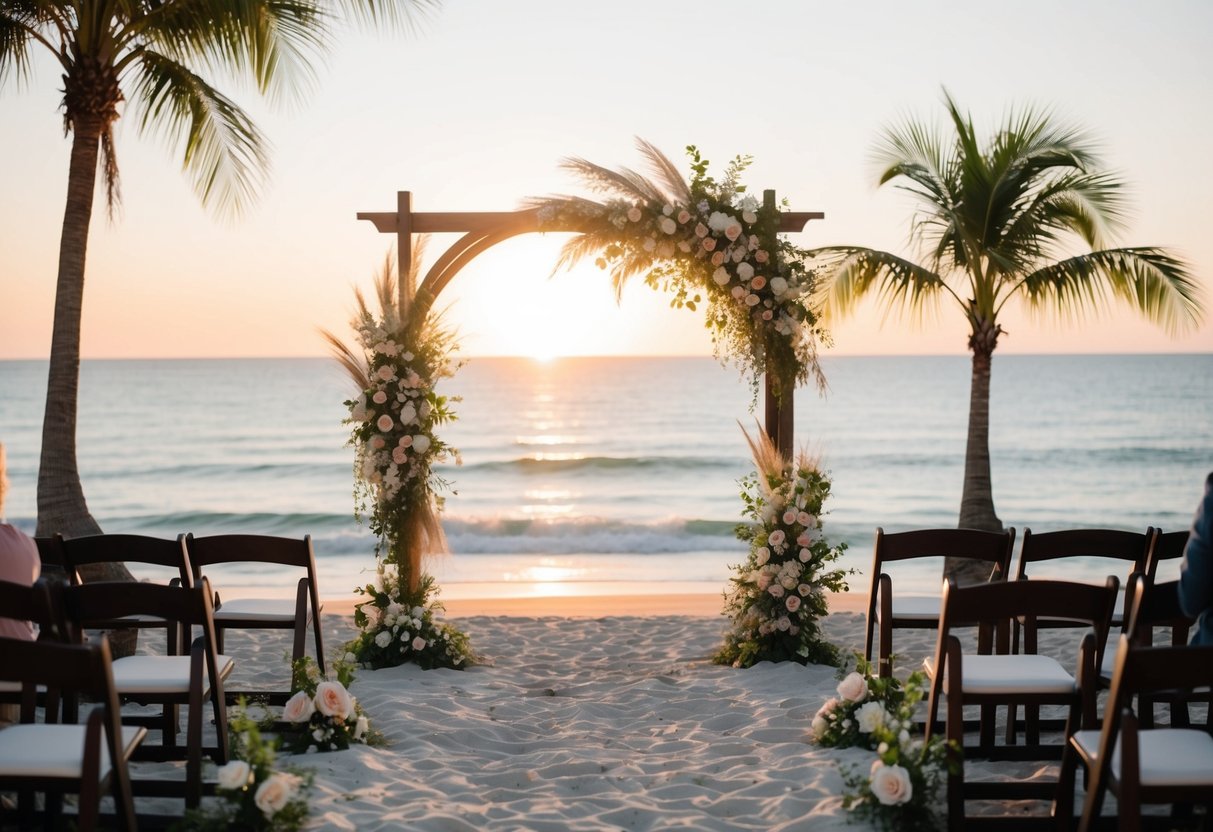
Planning a destination wedding comes with unique challenges, especially when it comes to RSVP timing. It’s essential to ensure that your guests have enough time to make necessary travel arrangements and finalize their plans for your special day.
Timing Your RSVP Deadline
For destination weddings, it’s wise to set your RSVP deadline about 2-3 months before your wedding date. This allows guests to make travel arrangements without feeling rushed.
Consider sending save the dates at least 6-8 months ahead. This gives your guests enough notice to plan. When sending formal invitations, remind everyone about the RSVP deadline clearly. You can include a note stating when you’ll need their response to manage the guest list effectively.
This timeline helps with guest list management and ensures you can communicate numbers to your venue.
Coordinating Travel Plans and Accommodations
Let your guests know about travel arrangements to make things easier for them. Share suggestions for flights, accommodations, and local attractions.
Include information about nearby hotels or resorts for guests to book their stay. You should also offer group rates or block reservations if possible. This can save your guests money and ensure they stay close to the wedding venue.
Make sure to have a clear plan for transportation. If guests are flying in, consider arranging transport from the airport to the hotels and the wedding venue. Giving them these details in advance will help avoid confusion as the wedding day approaches.