
Is 30 Guests a Small Wedding? What to Expect
A 30-person guest list falls comfortably within the small-wedding range used in many U.S. planning guides. Yes, 30 guests is considered a small wedding, and it can also fit the definition of a micro wedding.
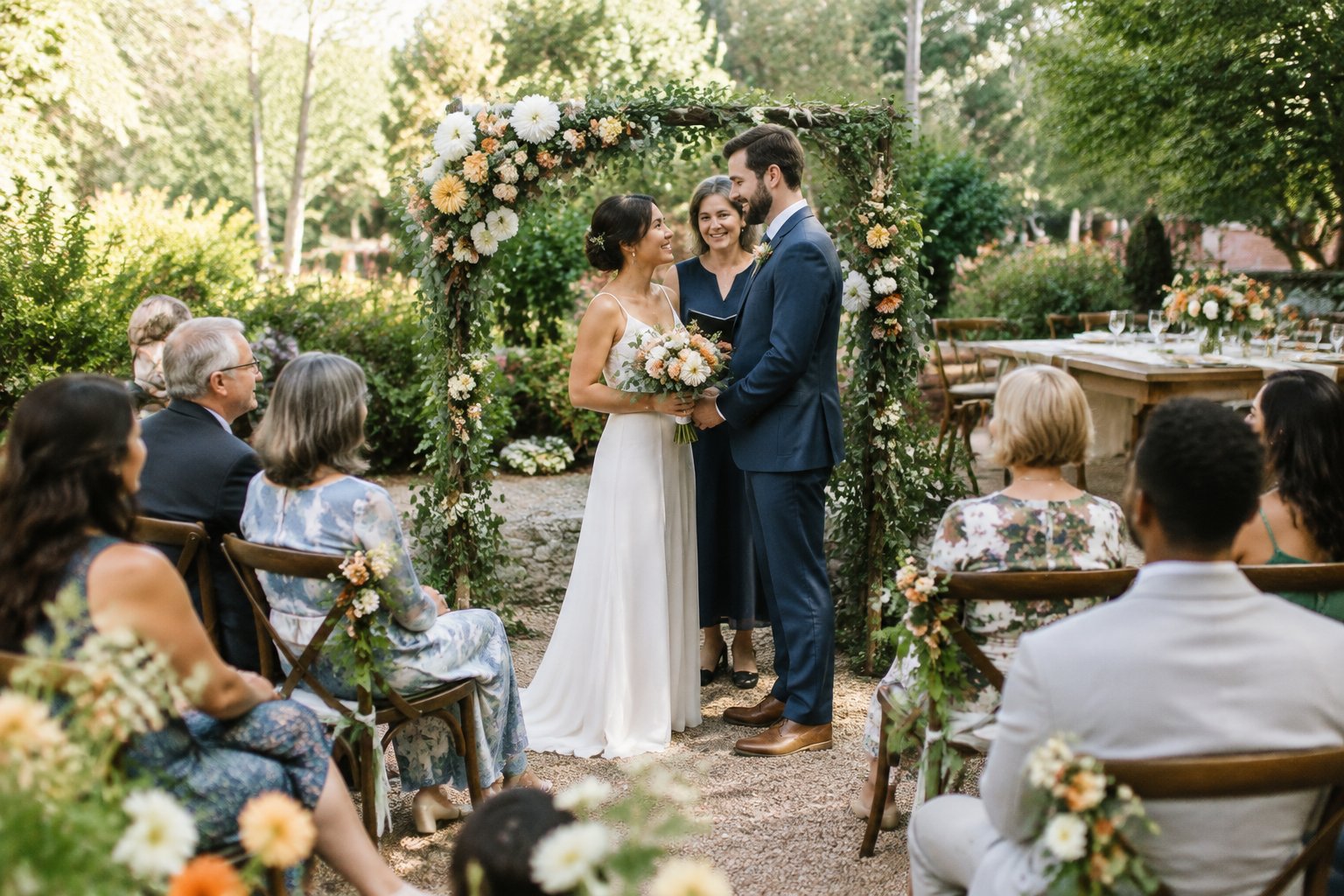
With 30 guests, you can plan a full ceremony and reception while keeping the day close-knit. Your guest count shapes the room, the budget, and how much time you get with each person. If 30 feels right, start by listing the people you most want beside you when you say “I do.”
Where 30 Guests Fits on the Wedding Size Spectrum
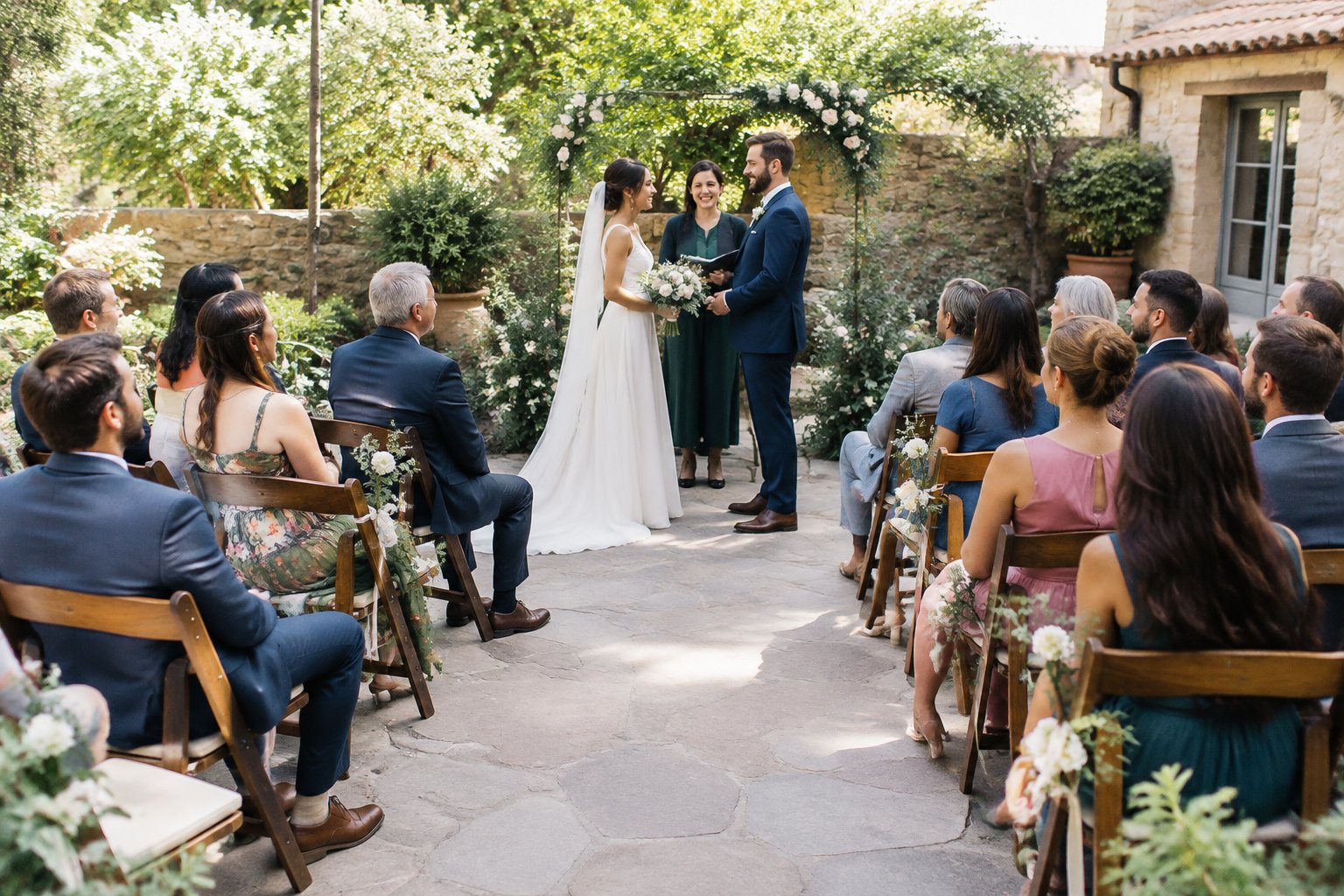
A 30-person celebration sits in the small wedding range and may also be called a micro wedding or intimate wedding. Wedding size labels are informal, so you can use the one that best describes the experience you want.
How Are Wedding Sizes Typically Categorized?
There is no single rulebook for wedding size, though many planning guides use rough ranges like these:
- Elopement: The couple and a small number of witnesses, with little or no reception.
- Micro wedding: A small gathering, often around 20 to 50 guests.
- Small wedding: Commonly fewer than 50 guests, though some planners use a higher limit.
- Intimate wedding: A flexible label for a close-knit celebration, sometimes used for events with more than 50 guests.
- Medium wedding: Often around 50 to 150 guests.
- Large wedding: Often more than 150 guests.
These ranges overlap. A 30-person event can count as a micro-wedding, small wedding, or intimate wedding, depending on how you and your venue describe it. For a closer look at how big a small wedding can be, focus on both the headcount and the atmosphere you want.
How Do Culture and Personal Expectations Affect the Definition?
Your family traditions and community expectations help shape what “small” feels like. If you grew up attending weddings with hundreds of guests, 30 people may feel especially intimate. If your family gatherings are small, the same count may feel like a lively celebration.
Your guest list can also reflect cultural or religious customs, such as inviting extended family or including community members in the ceremony. Set a number that feels workable for you and your partner, then consider how your family’s traditions fit within it. A small-versus-medium wedding comparison can help you put the labels in context.
What Makes a 30-Person Celebration Feel Meaningful?
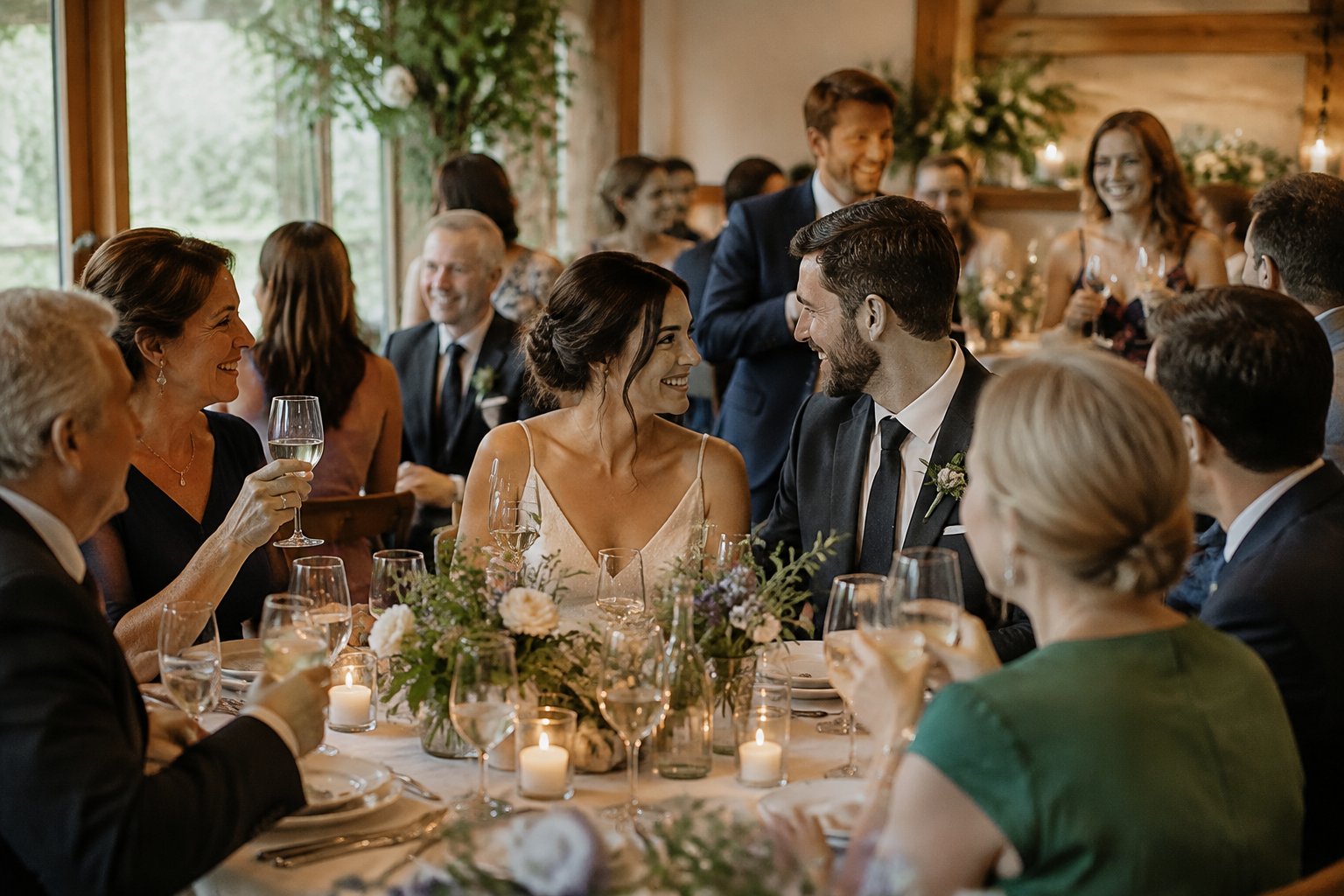
A 30-person small wedding gives you room to shape the day around personal connections. Your choices about conversation, ceremony, and spending can make the event feel warm and intentional.
How Can a Smaller Guest List Create More Connection?
With 30 guests, you have a chance to speak with everyone during the celebration. You can take time for a longer dinner, personal toasts, or a ceremony reading that involves several loved ones. A single table or a few small tables can also make it easier for guests to talk across groups.
Personal touches feel natural at this scale. You could write a short note for each guest, serve a dish tied to your family, or share a story about the people gathered around you. Your guest list can include the people who know your relationship well and will enjoy being part of the day.
What Trade-Offs Should Couples Consider?
A smaller guest count makes some parts of planning easier, while close limits can make the invite list emotionally challenging. You may need to draw clear lines around extended family, coworkers, children, or plus-ones. A lower headcount also reduces food and drink costs, while fixed expenses such as venue fees and photography may stay similar.
With fewer guests, you can give more attention to each person and choose details that fit your priorities. A set of ideas for a small, intimate wedding can help you decide which personal touches suit your celebration.
How Do You Build a Guest List of 30?
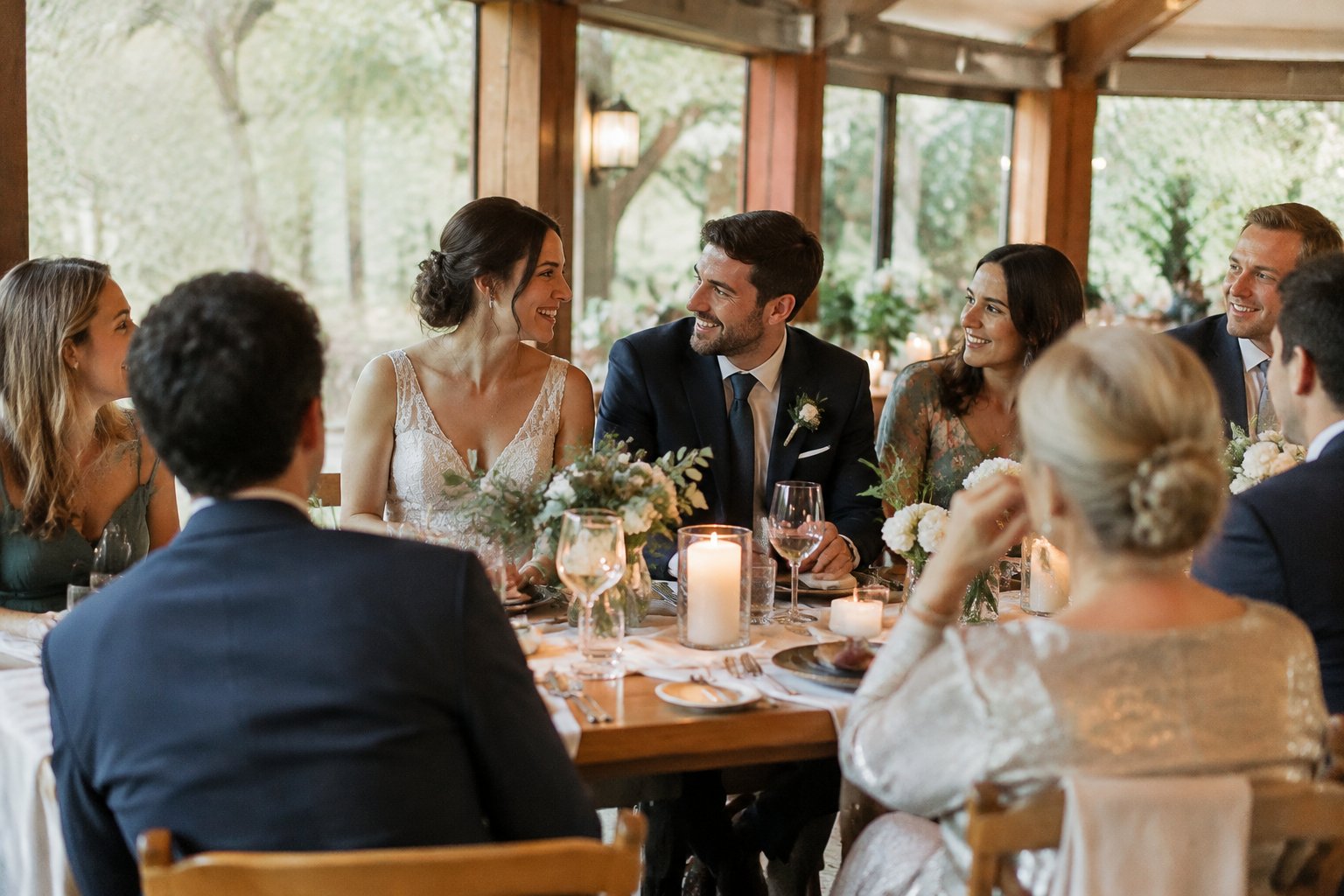
To keep your wedding size near 30, agree on guest-list rules with your partner before inviting anyone. A shared plan gives you a fair way to make decisions when requests or family expectations come up.
Who Should Make the Must-Invite List?
Start with the people you would feel a strong absence without: immediate family, close friends, and anyone who has played a meaningful role in your relationship. You and your partner can each write a first draft, then compare names and discuss the people who appear on only one list.
Check the total before adding acquaintances or distant relatives. Include partners and children in your count if you plan to invite them, since each additional guest changes the headcount. These tips for creating a guest list for a small wedding can help you set consistent criteria.
How Can You Set Fair Boundaries With Family and Plus-Ones?
Choose a simple policy and apply it evenly. You might invite only spouses and established partners, or give plus-ones to every adult guest. If you set a rule for children or extended family, use the same rule for both sides of the family.
If relatives are contributing to the wedding budget, discuss guest-list expectations before you accept their help. When someone asks about an invitation, keep your explanation kind and brief: your venue and guest limit call for a small celebration with your closest circle. You can also plan a later gathering for a wider group.
How Does a 30-Person Guest Count Shape Your Plans?
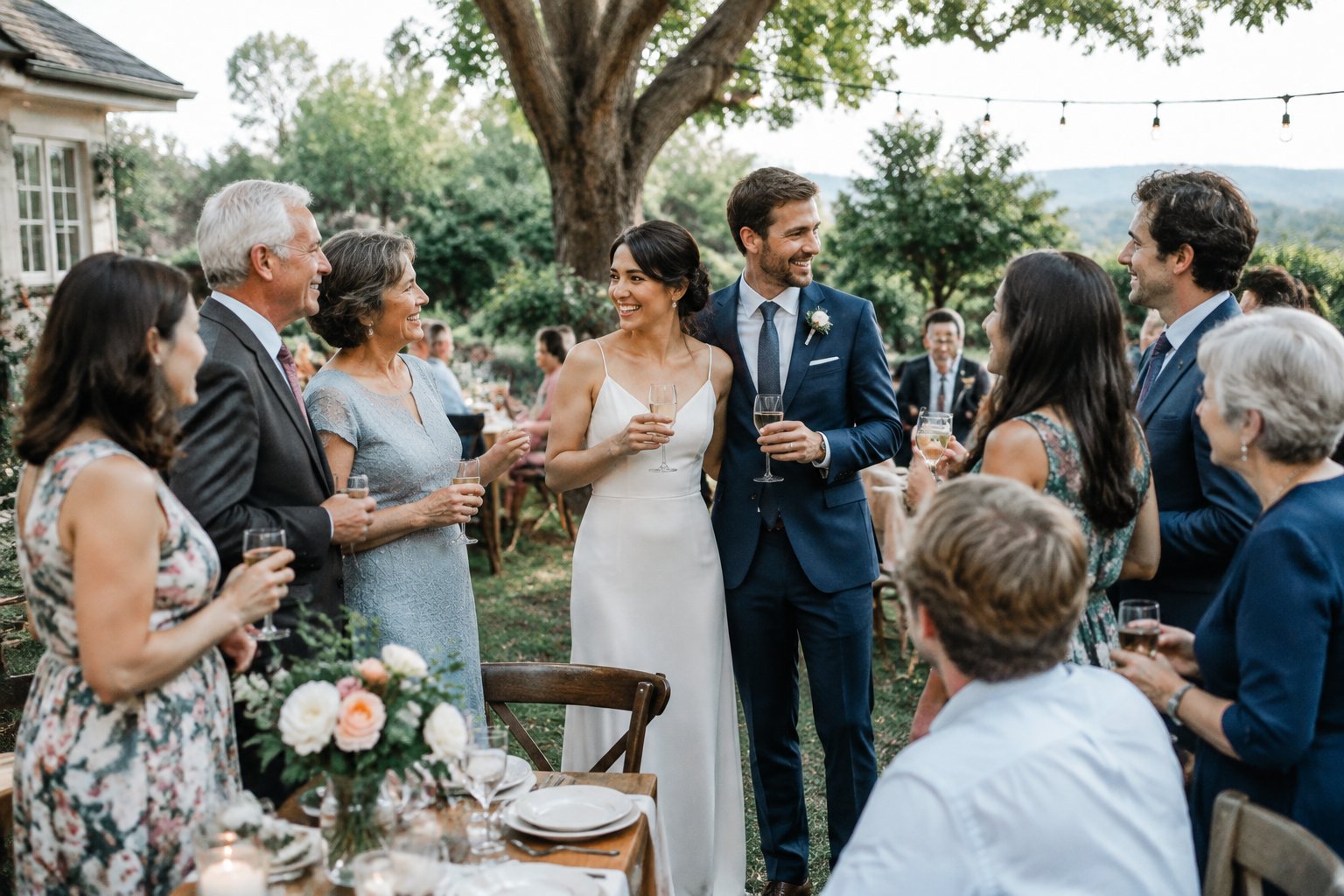
A 30-person guest list gives you access to spaces designed for smaller gatherings and more choice in how you use your budget. Your venue capacity and fixed costs still need a careful check.
Where Can You Hold a Smaller Wedding?
A small wedding can fit in a restaurant’s private room, a garden, a family home, a small inn, or a traditional venue’s smaller event space. Choose a room sized for your guest count so the gathering feels comfortable and guests can hear one another.
Before booking, ask about minimum spending, rental fees, furniture, catering, and weather plans for outdoor spaces. A restaurant may include tables and service, while a backyard celebration may require rentals and extra setup. Check the full cost and logistics for each location before you sign a contract.
How Can You Prioritize Your Budget?
Start with your total budget, then decide what you want guests to remember most. A smaller headcount can lower per-person expenses for meals, drinks, and favors. Venue fees, photography, and other vendor costs may not shrink at the same pace.
You can put savings toward a meal you love, live music, or a few personal details. Keep a written budget that includes taxes, service charges, rentals, and transportation. When you compare options, price the entire event so each choice fits your actual spending limit.
What If You Want to Celebrate With More People Later?
A later gathering gives you a way to include loved ones outside your 30-person wedding list. You can keep the ceremony small and plan a separate celebration that suits your wider circle.
How Can a Post-Wedding Celebration Include a Wider Circle?
You can host a casual party, backyard barbecue, brunch, or restaurant gathering after the wedding. Share photos or a short video from the ceremony, then invite friends and family to toast your marriage in person. A relaxed format lets you greet more people without changing the size of your wedding day.
Tell guests clearly that the gathering is a post-wedding celebration. That context helps people understand the event’s purpose and what to expect. If you’re weighing a small ceremony with a larger reception, this guide to having a small ceremony and big reception can help you think through the etiquette.
When Might an Elopement Plus a Later Gathering Suit You?
An elopement followed by a post-wedding celebration may suit you if you want a private ceremony and a chance to celebrate with a wider group later. You can exchange vows with just a few witnesses, then host a dinner or party for family and friends.
Decide which parts of the day you want to share with guests, such as the vows, a meal, or a toast. Then choose a date and location for the gathering and explain the plan when you send invitations.