
Is 300 People Too Many for a Wedding? Finding the Right Guest List Size
When planning your wedding, one big question often arises: is 300 people too many for a wedding? The right guest count really depends on your vision and priorities.
Many couples are leaning towards more intimate gatherings, while others embrace larger celebrations filled with friends and family. It’s important to find what feels comfortable for you.
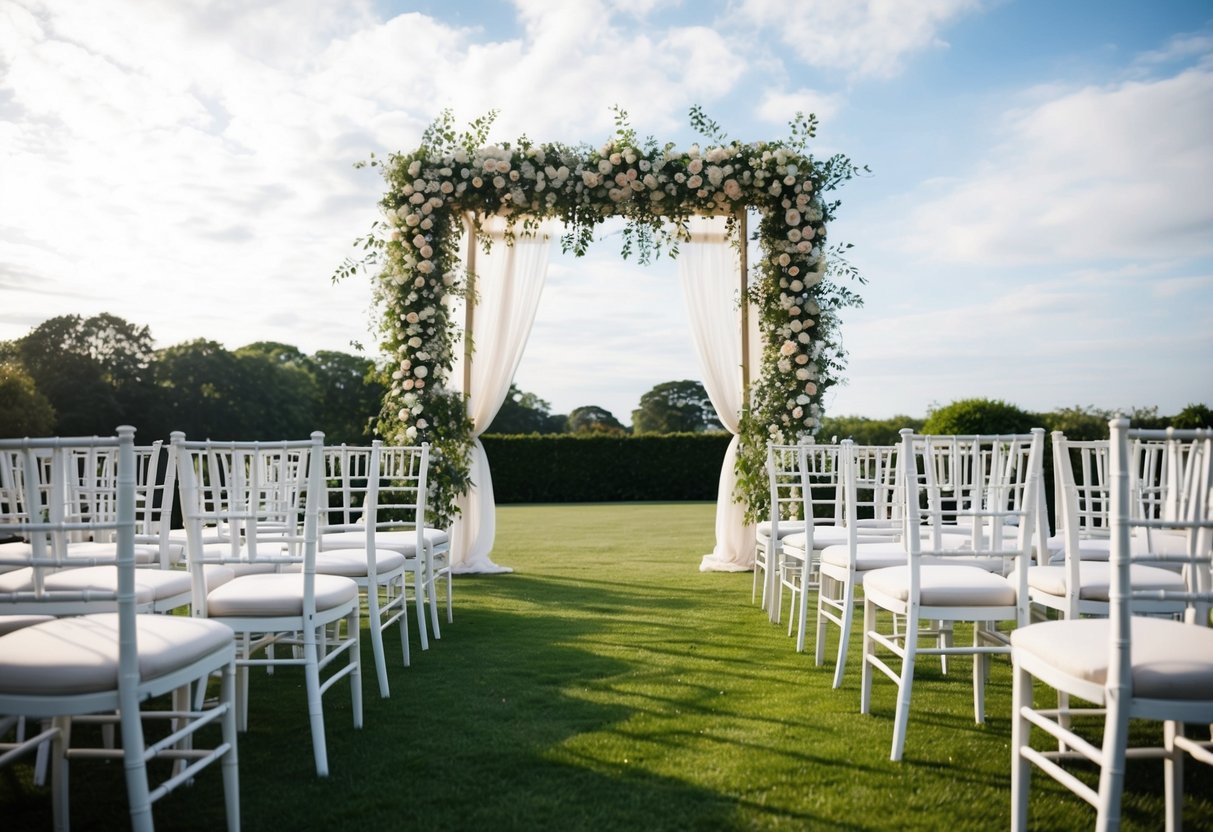
As you explore wedding trends, keep in mind that the average wedding size is changing. Smaller weddings, those with 50 guests or fewer, are becoming increasingly popular. This shift allows couples to create a more personal experience.
You might want to think about how a larger guest list impacts not just your budget, but also the atmosphere you want for your special day.
Ultimately, your wedding should reflect your style and preferences. Deciding whether 300 guests is too many involves considering how you want to celebrate this milestone. Embrace what feels right for you and your partner, and remember that there’s no one-size-fits-all answer in wedding planning.
Determining the Right Size for Your Wedding
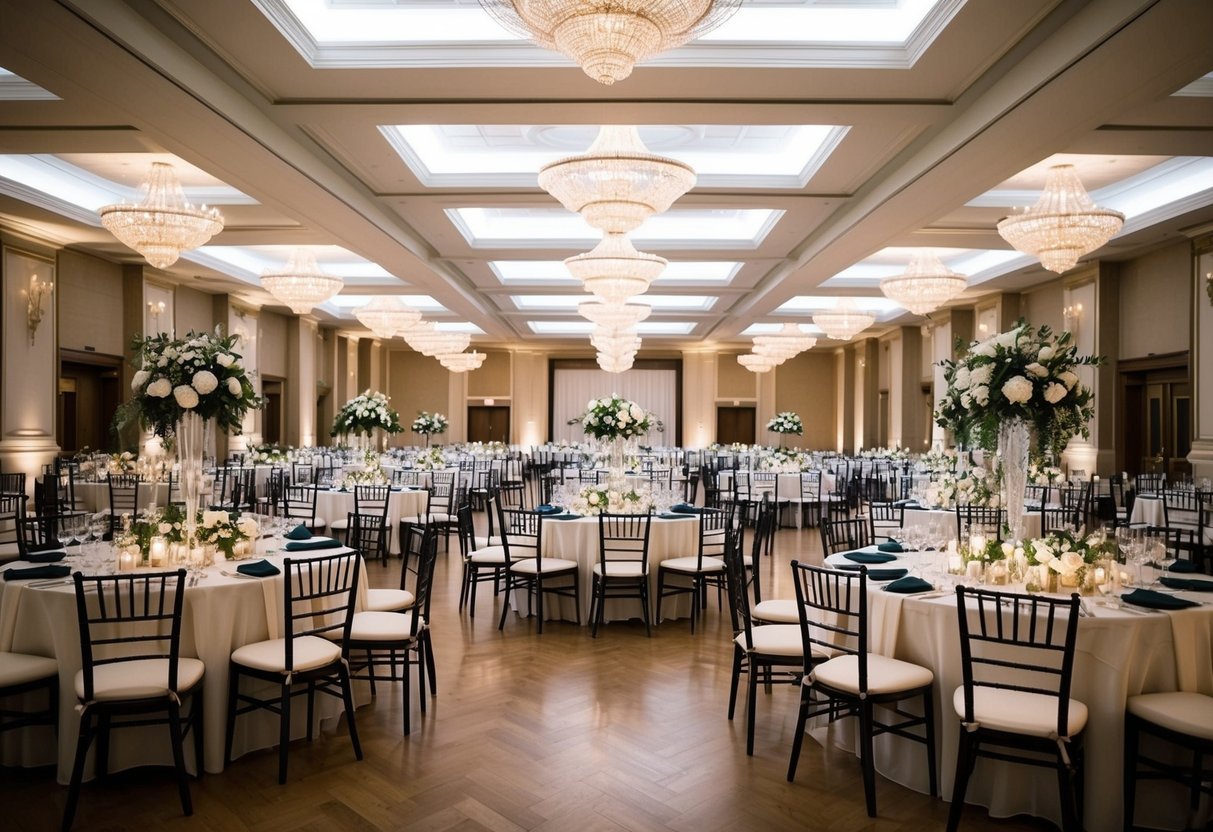
Choosing the right size for your wedding can be a challenging yet exciting decision. It affects many aspects, from the venue to the overall vibe.
Understanding Wedding Sizes
Weddings typically fall into three main categories: small, medium, and large. A small wedding usually has 50 guests or fewer. This type can create an intimate atmosphere, allowing you to connect deeply with each guest.
A medium wedding includes between 50 to 150 guests, offering a lively environment while still keeping a personal touch. Lastly, large weddings, with over 150 attendees, can be grand events that celebrate your union on a bigger scale. Each size offers unique benefits, and you can choose what aligns best with your vision.
Comparing Small, Medium, and Large Weddings
When comparing wedding sizes, think about the experience you want.
- Small weddings often involve close family and friends. This setting lets you spend quality time with each guest and fosters deeper connections.
- Medium weddings strike a balance. You can invite more people while still maintaining some intimacy. It’s great for combining families and friends.
- Large weddings allow for more socializing and inclusivity but can sometimes feel overwhelming. They are perfect for those wanting a big celebration.
Consider which size matches your comfort level and the experience you wish to create.
Factors Influencing Guest Count
Several factors can influence your guest count. Start with your budget. Costs balloon quickly with each additional guest, affecting catering, venue size, and decor.
Next, assess your venue choices. Some places can accommodate only a limited number of guests.
Also, think about your relationship dynamics. Who are the must-invite people? The blend of your family’s guests and your fiancé’s will impact the final count.
Each factor will help guide you toward a guest list that feels just right for your special day.
Budgeting for Your Wedding
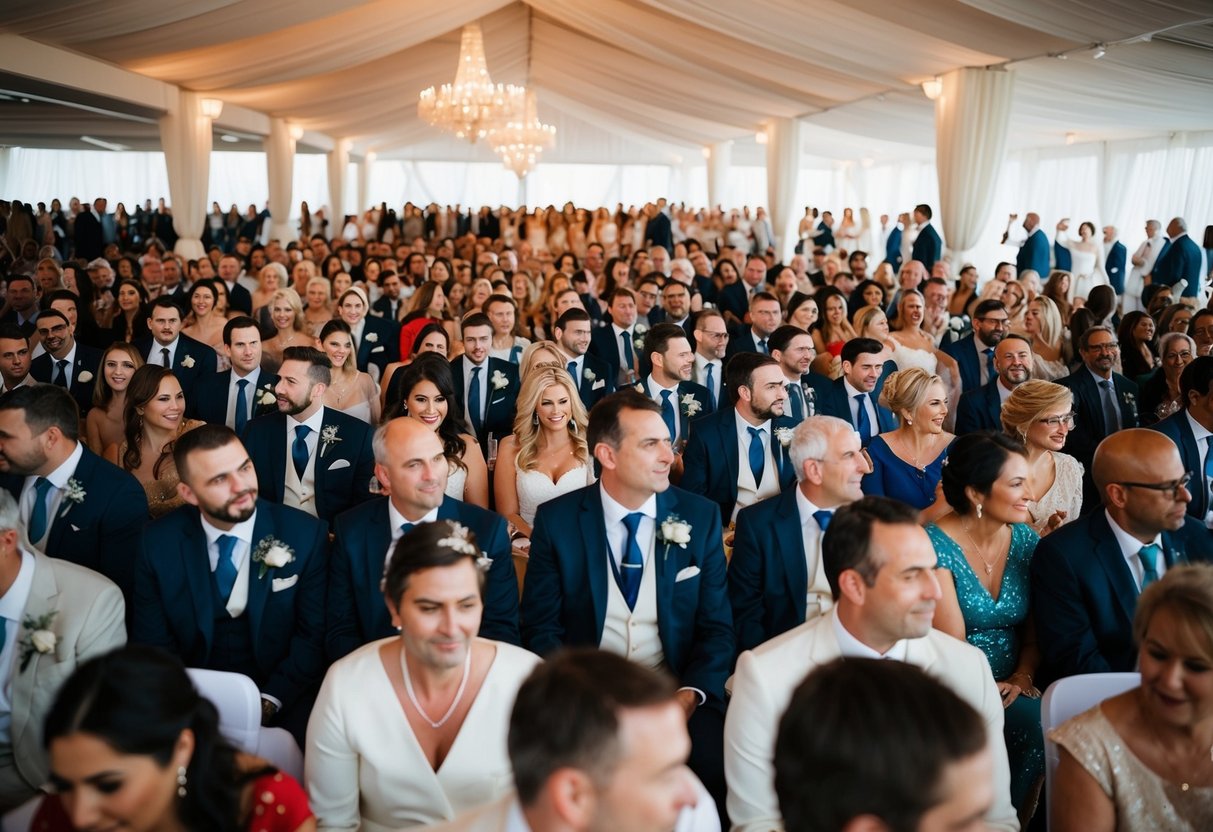
Setting a clear budget is essential for your wedding planning. Understanding how to allocate your funds effectively can help you create a memorable event without overspending. Knowing the average costs and what to prioritize can ease the planning process.
Allocating Your Wedding Budget
Start by determining your total wedding budget. This should include all expenses like the venue, catering, attire, and decor.
Break it down into categories to see where your money will go. A common approach is to allocate percentages of your budget to each area.
For example:
- Venue: 30%
- Catering: 25%
- Photography: 10%
- Attire: 10%
- Decorations: 10%
- Miscellaneous: 5%
Consider areas where you can be creative. A budget wedding doesn’t mean a lack of style. You can often save money by DIY-ing decorations or opting for non-traditional venues.
Cost Per Guest: Analysis and Implications
Understanding the cost per guest will help you manage your budget better.
For a wedding with 300 guests, the total expense can rise quickly. According to various sources, the average cost for a wedding is around $33,931 for about 125 guests. For 300 guests, costs can soar to $80,000 or more. That’s more than double the average!
It helps to factor in all related expenses, including food, drinks, and seating. For instance, if you estimate $200 per guest for food and drinks, your catering cost alone could reach $60,000 for 300 guests.
Always keep your budget in mind when deciding on your guest list. Remember, each additional guest adds to your overall costs, so make choices that align with your budget goals.
Planning and Managing Your Guest List
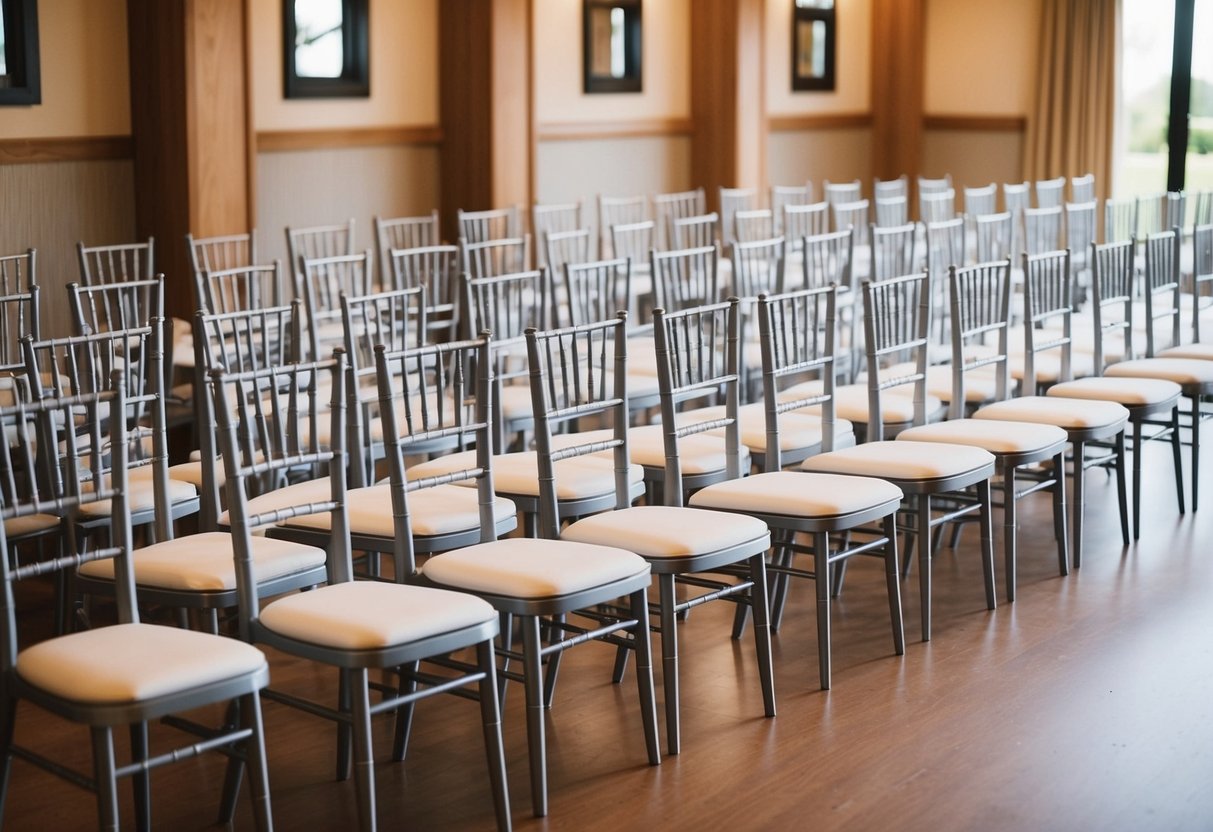
Planning a wedding guest list can feel like a huge task, especially if you’re considering a large number of guests. It’s essential to create a well-organized list and manage RSVPs effectively to ensure everything runs smoothly.
Creating Your Wedding Guest List
Start by making a draft list of everyone you want to invite. Include family, friends, co-workers, and any special people in your life.
It helps to divide the list into categories, such as immediate family, close friends, and casual acquaintances.
When thinking about numbers, remember the average wedding guest count can range from 50 to 150. If you plan for 300, you may want to consider factors such as budget and venue capacity.
Ask your partner to make their list too. Combining both lists can help you avoid overlooking important people. Don’t forget to discuss plus-ones for guests who are in relationships. This can affect your final guest count.
Managing RSVPs and Last-Minute Changes
Once your invitations go out, tracking RSVPs is important. Create a simple system, like a spreadsheet, to manage responses. Include columns for names, plus-ones, and their RSVP status. You’ll want to know how many invited guests will attend well before the wedding date.
Keep an eye on those last-minute changes. Some guests may cancel or need to bring someone extra. A good guest list manager can help manage these situations effectively.
Be prepared with a backup plan for out-of-town guests. If a guest cannot make it, look to fill their spot with someone else on your list. This way, you can still maintain your desired guest count.
Choosing the Right Venue and Style
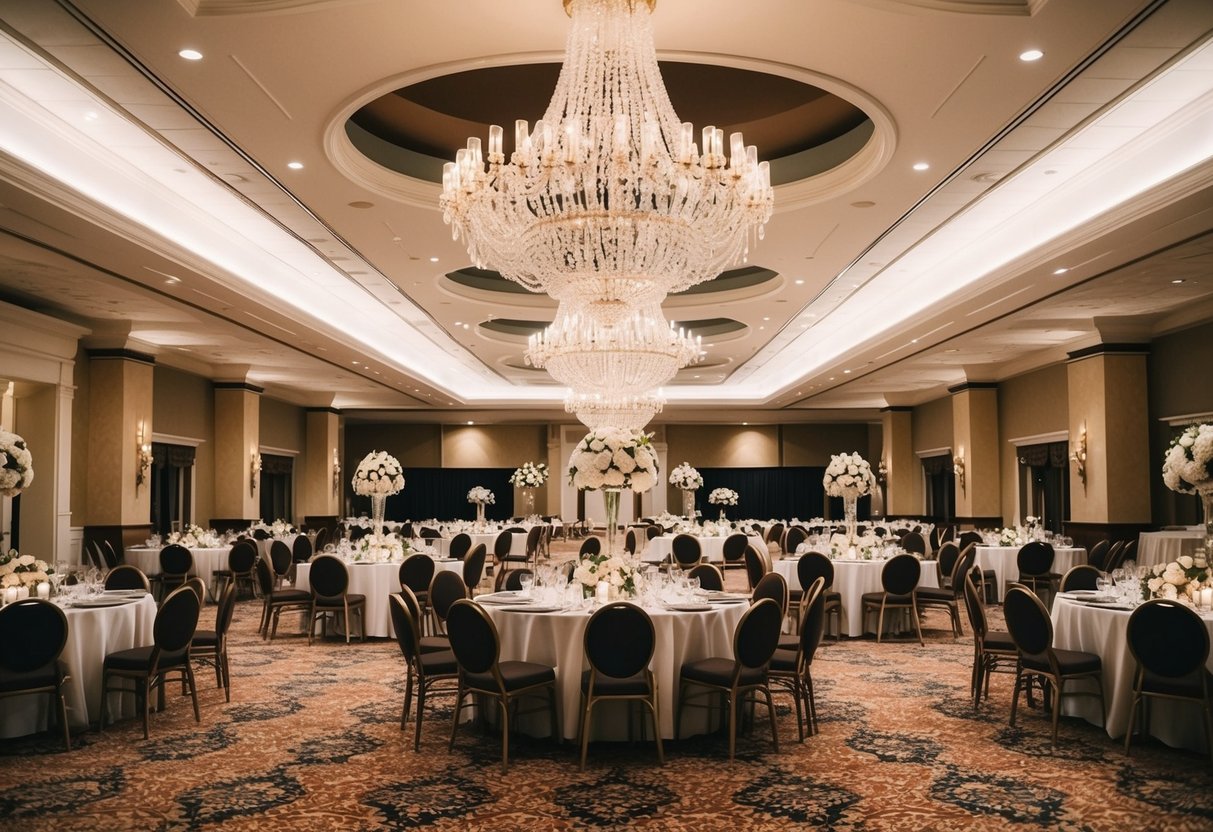
Finding the right venue and style is essential when planning a wedding with 300 guests. This choice can shape the atmosphere of your special day and ensure everyone feels comfortable. It’s important to match the venue’s capacity with your guest list and to reflect your personal style in the setting.
Selecting a Venue for Your Guest Count
When you have 300 guests, choosing a venue with adequate capacity is a top priority. You want a space that can comfortably hold everyone without feeling cramped.
Look for venues that regularly host large events. This ensures they have staff and facilities designed for such a crowd.
Also, consider the layout. An open floor plan can make a reception feel more inviting compared to divided spaces.
Popular options for large weddings include banquet halls, outdoor gardens, and unique destination wedding locations.
Make sure to balance cost with capacity. Some venues charge based on the number of guests, impacting your budget. Research and compare different options to find what suits you best.
Incorporating Your Wedding Style
Make sure your wedding venue reflects your personal style and theme. If you envision a romantic setting, consider venues with beautiful gardens or stunning views. For a modern vibe, sleek and contemporary spaces work well.
Think about how your style can shape the experience. Different elements like table settings, lighting, and decorations can transform a venue. For instance, elegant centerpieces and soft lighting can enhance an intimate feel for a large gathering.
Also, don’t forget to incorporate your wedding color scheme in your invites and save the dates. This creates a cohesive look from the beginning of your planning all the way through the ceremony and reception. Your choices will help set the tone for an unforgettable celebration.