
Is 300 People Too Many for a Wedding? Exploring Guest List Considerations
Planning a wedding is exciting but can also raise many questions, especially about guest counts. If you’re considering inviting 300 people, you might wonder, “Can I have a 300-person guest list?”
While average wedding sizes have fluctuated, many couples are now opting for smaller, more intimate gatherings.
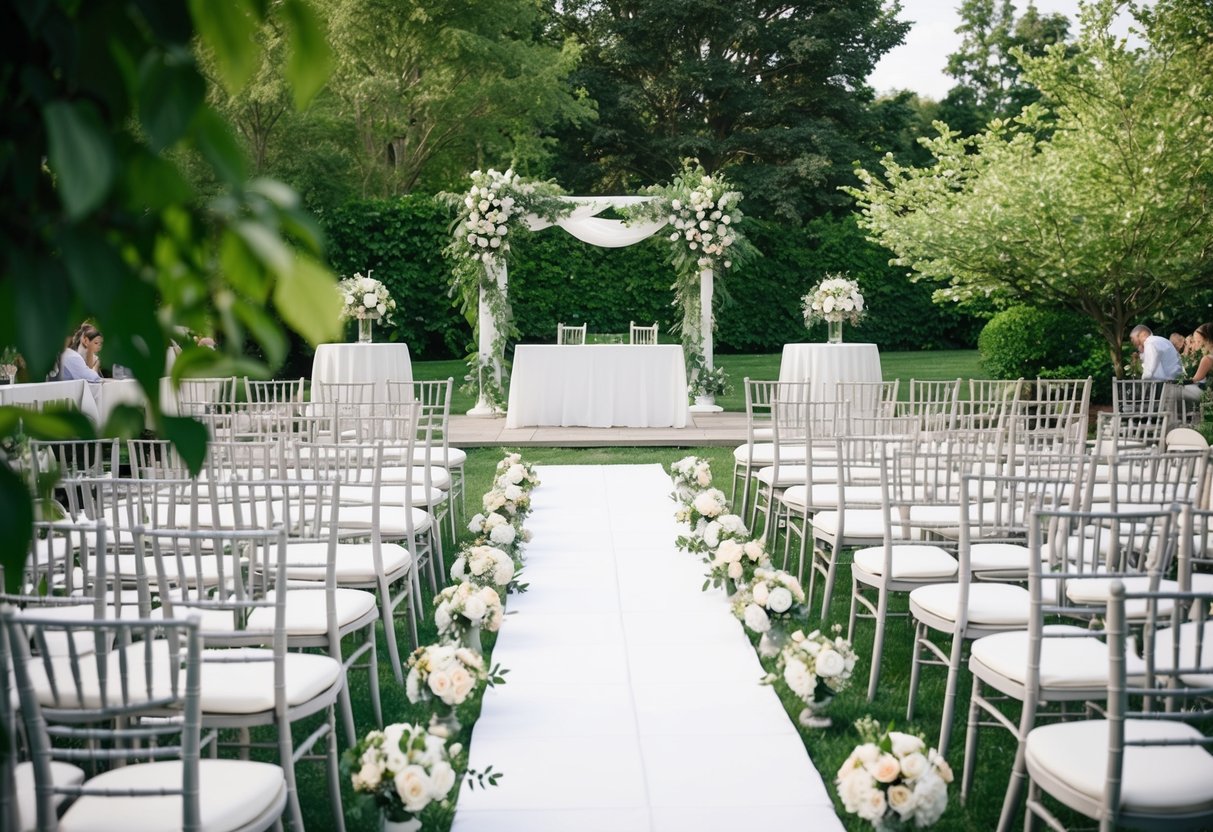
Wedding trends show that people have moved toward celebrating with fewer guests, with many weddings averaging around 117 guests in recent years. However, if your heart is set on a larger celebration, it can certainly be memorable with the right planning. So, let’s explore whether 300 guests is too many and what factors you should consider in your decision-making.
Determining the Right Size for Your Wedding
Choosing the right size for your wedding is important. It affects everything from your guest experience to your budget. Let’s explore the key aspects of wedding size and help you make the best decision for your special day.
Understanding Wedding Sizes: Small to Large
Weddings can be categorized as small, medium, or large.
- Small Weddings: These typically have 50 guests or fewer. They offer a more intimate setting and can be less stressful.
- Medium Weddings: This size usually includes 50 to 150 guests. They strike a balance between intimacy and celebration.
- Large Weddings: Here, you can expect over 150 guests. These can feel grand and festive but may be harder to manage.
Consider what experience you want for yourself and your guests. An intimate wedding creates deep connections, while a big celebration allows for more socializing.
Evaluating Guest List and Venue Capacity
Your guest list directly impacts venue selection. You’ll want to ensure your venue can accommodate everyone comfortably.
- For small weddings, look for cozy spaces that feel welcoming.
- Medium weddings need venues with flexibility to allow for some extras, like a dance floor.
- Large weddings should choose venues with good layout options to avoid overcrowding.
Always check the venue’s capacity. Consider not only seating but also space for activities like dancing or mingling. It’s important that your guests feel comfortable throughout the event.
The Impact of a Large Wedding on Budget and Experience
A large wedding often comes with higher costs. Each additional guest adds to your budget for catering, drinks, and seating.
- Average Cost: For reference, the average wedding cost can range significantly based on size but often increases with guest count. Catered meals for larger groups can be especially pricey.
- Consider whether the experience you want justifies these costs. More guests can create a lively atmosphere but may also lead to logistical challenges.
Think about how a big celebration could impact the personal feel of your event. You might prefer the warmth of smaller, intimate weddings like micro weddings or minimony, which allow for more meaningful connections.
Creating and Managing Your Guest List
Creating a guest list can feel overwhelming, especially as you think about the number of guests you want to invite. It’s important to focus on who is essential to you and how to keep things organized. Here are some key areas to help you manage this task effectively.
Deciding Who Makes the Cut
Start by making a list of everyone you want to invite. Consider your family, friends, and anyone who has played a significant role in your life. Be thoughtful about your guest count. Generally, a wedding with over 300 guests may require greater planning and budgeting.
You may want to categorize your list into must-invite, should-invite, and could-invite. This will help you narrow down who truly matters to you on this special day. Keep in mind that it’s not just about numbers; it’s about having people who will celebrate with you.
The Role of Plus-Ones and Out-of-Town Guests
Plus-ones can quickly affect your guest count. Decide whether to allow all single guests to bring someone. This can inflate your numbers, especially if many friends are single.
Also, consider out-of-town guests. If you’re inviting someone from far away, they may need more time to arrange travel. Sending save-the-dates early is beneficial. This helps them plan and ensures they won’t feel left out. Think about their contribution to your day, too—having loved ones nearby can create a joyful atmosphere.
Using a Guest List Manager
To keep track of everyone, consider a guest list manager. This can be a simple spreadsheet or a dedicated app that tracks your guest list, RSVPs, and meal choices.
When creating your wedding guest list, make sure to include columns for guest names, contact information, and RSVP status. Many tools allow you to organize guests by groups, like family or friends, which can help during seating arrangements. A guest list manager can simplify this process and reduce stress as your big day approaches.
Wedding Planning Essentials
Planning a wedding can be exciting, but it’s also important to cover the details that make it successful. It’s essential to think about your wedding budget, choose the right venue, and manage invitations and RSVPs effectively.
Setting a Realistic Wedding Budget
Creating a wedding budget is one of the first steps you’ll take. Start by listing all potential expenses. Common categories include:
- Venue
- Catering
- Photography
- Attire
- Flowers
Decide on a total amount you’re comfortable spending. Remember to include buffers for unexpected costs.
After you have a rough estimate, divide the budget into specific amounts for each category. This helps ensure you don’t overspend in one area. Keep track of your expenses as you go along.
Choosing the Perfect Venue
The venue can significantly affect your guest count and overall experience. Consider the following factors:
- Capacity: Can it comfortably accommodate your anticipated guests?
- Location: Is it easy for guests to reach?
- Style: Does it match your wedding vision?
Visit several venues before making a decision. Ask about packages they offer, which might include catering or decoration. Also, check if they have any restrictions on guest numbers. Some venues are perfect for large weddings, while others work best for smaller gatherings.
Invitations and RSVPs: Timing is Everything
Sending out invitations is key to your wedding planning. Start with save-the-dates about six months before the big day. This gives guests plenty of time to plan.
When you send out the formal invitations, include an RSVP deadline. A four-week response time usually works well. This helps you finalize your headcount for catering and seating arrangements.
Consider using online RSVP tools for convenience. They can streamline your guest list and make tracking responses easier. Keeping communication clear and timely is vital for a smooth planning process.
Ceremony and Reception Details
When planning your big day, think about how your ceremony and reception fit into your vision. You want to create a setting that reflects your style while ensuring a memorable experience for you and your guests.
Designing Your Ideal Wedding Style
Your wedding style sets the tone for both the ceremony and the reception. Consider what atmosphere you want to create. Do you envision an elegant indoor venue or a relaxed outdoor setting?
Factors to think about include:
- Theme: Choose colors and decorations that represent you.
- Venue Size: Make sure it accommodates your guest list comfortably.
- Budget: Keep an eye on expenses for decorations and rentals.
Your wedding planner can help you bring your ideas to life, whether you’re dreaming of a budget-friendly gathering or a destination wedding. Don’t forget about elements like the wedding registry, which can also reflect your style!
Exploring Traditional vs. Alternative Celebrations
Tradition plays a big role in wedding ceremonies, but you can also personalize your celebration. A traditional wedding ceremony often includes familiar customs, while alternative options can make your event unique.
- Traditional Ceremony Elements: Think of vows, seating arrangements, and music.
- Alternative Options: You might choose an elopement for intimacy or a themed celebration.
Destination weddings can provide stunning backdrops while offering the chance to blend cultures and styles. You can also use them to find what resonates with you as a couple. Making thoughtful choices will help ensure your day feels just right, no matter the size of your guest list.