
Is 300 Photos Enough for a Wedding? What Couples Should Expect
You may be asking, “Is 300 photos enough for a wedding?” Yes, 300 edited images can tell a complete story for shorter coverage or an intimate celebration; for a full eight-hour day, that count is on the low side. The number makes more sense when you know how many hours your photographer will be there and which parts of the day you want documented.
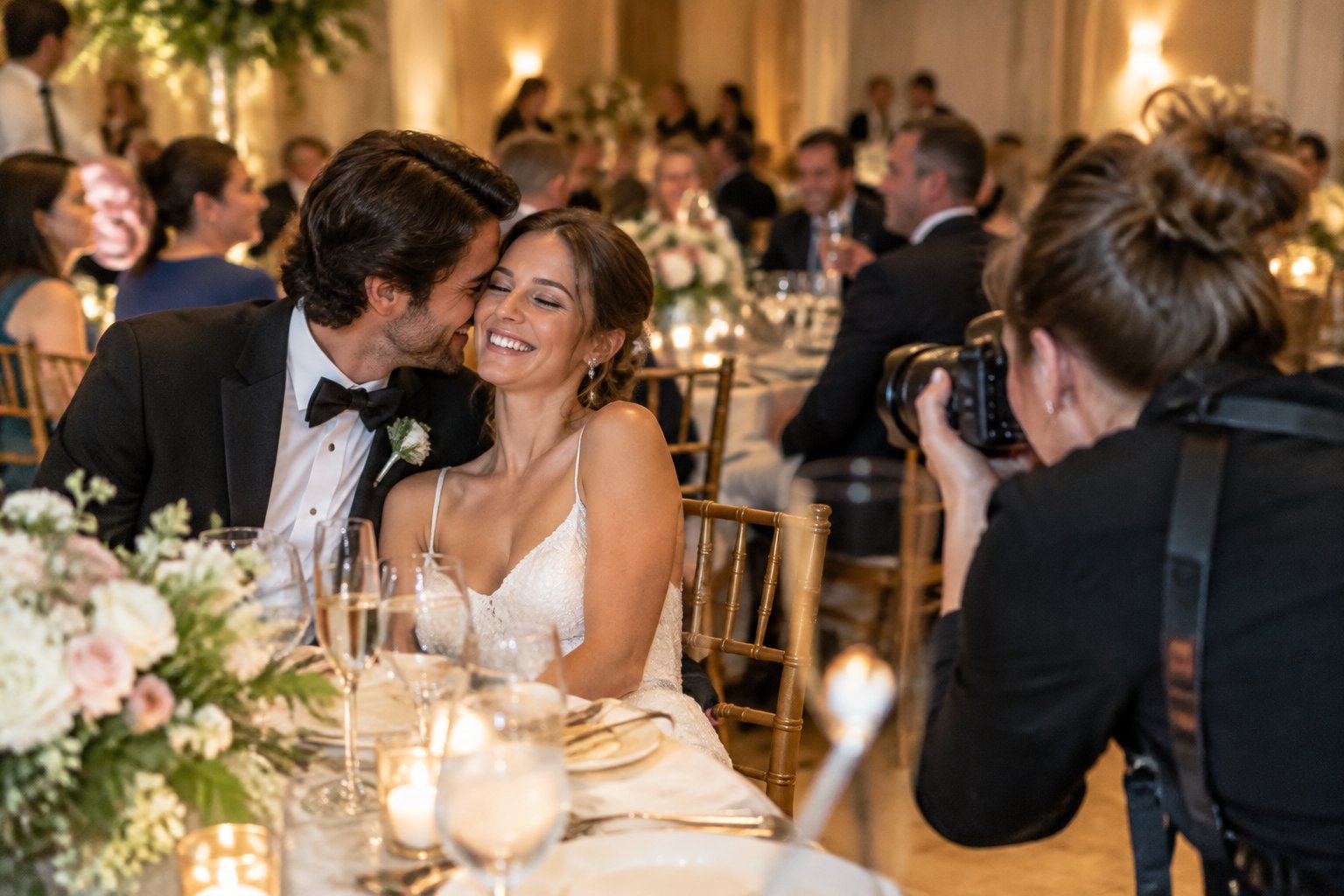
A thoughtful wedding gallery gives you a record of the day’s key events, the people around you, and the smaller moments you may have missed. Before booking, ask your wedding photographer what a full gallery looks like for a wedding with similar coverage, and share the moments you most want to keep.
What a 300-Photo Gallery Usually Includes
A 300-photo wedding gallery can capture the main events and a range of meaningful details, especially when your celebration has a focused timeline. Your coverage length, guest count, and pace help determine how much variety fits into that collection.
When Can 300 Images Tell the Whole Story?
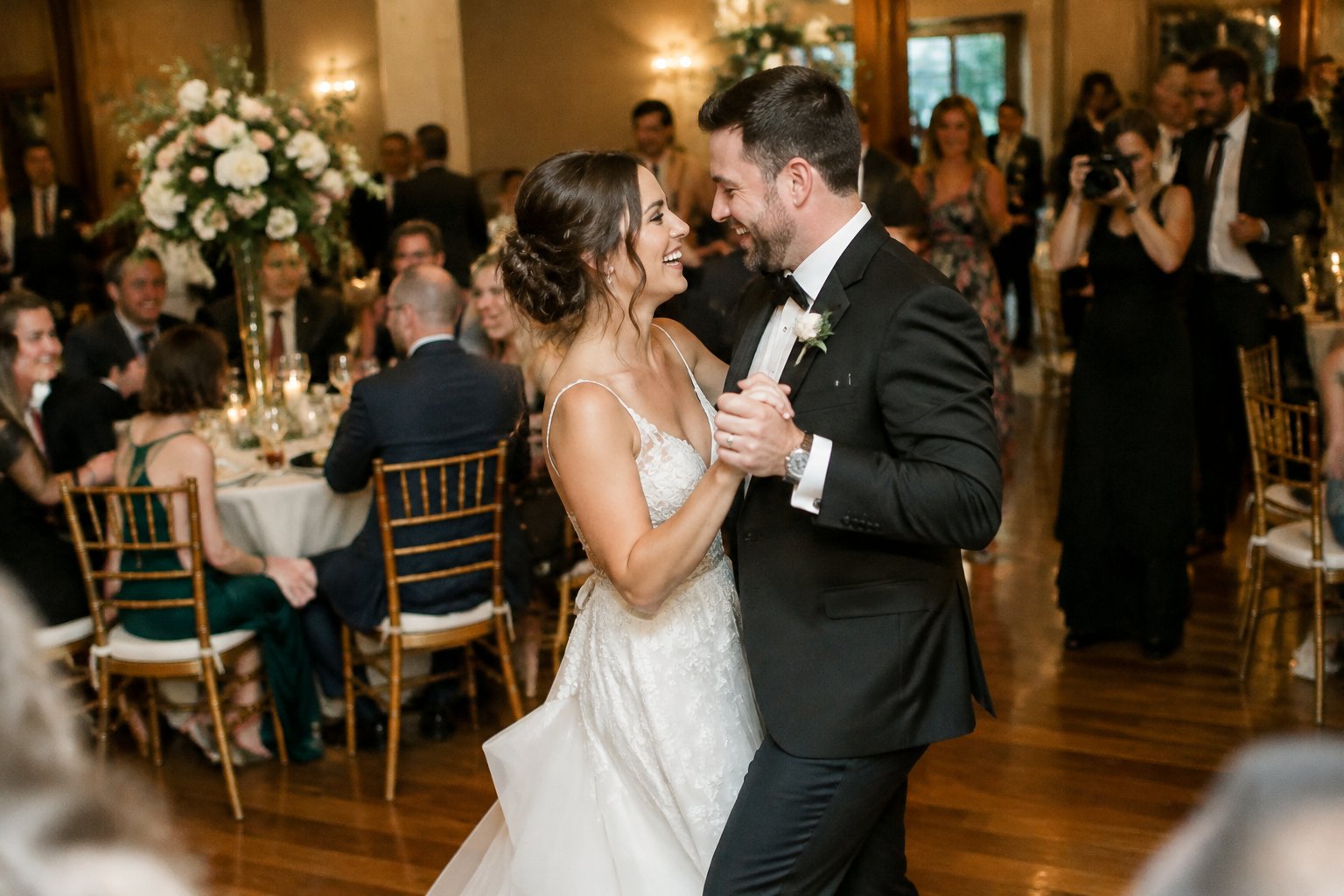
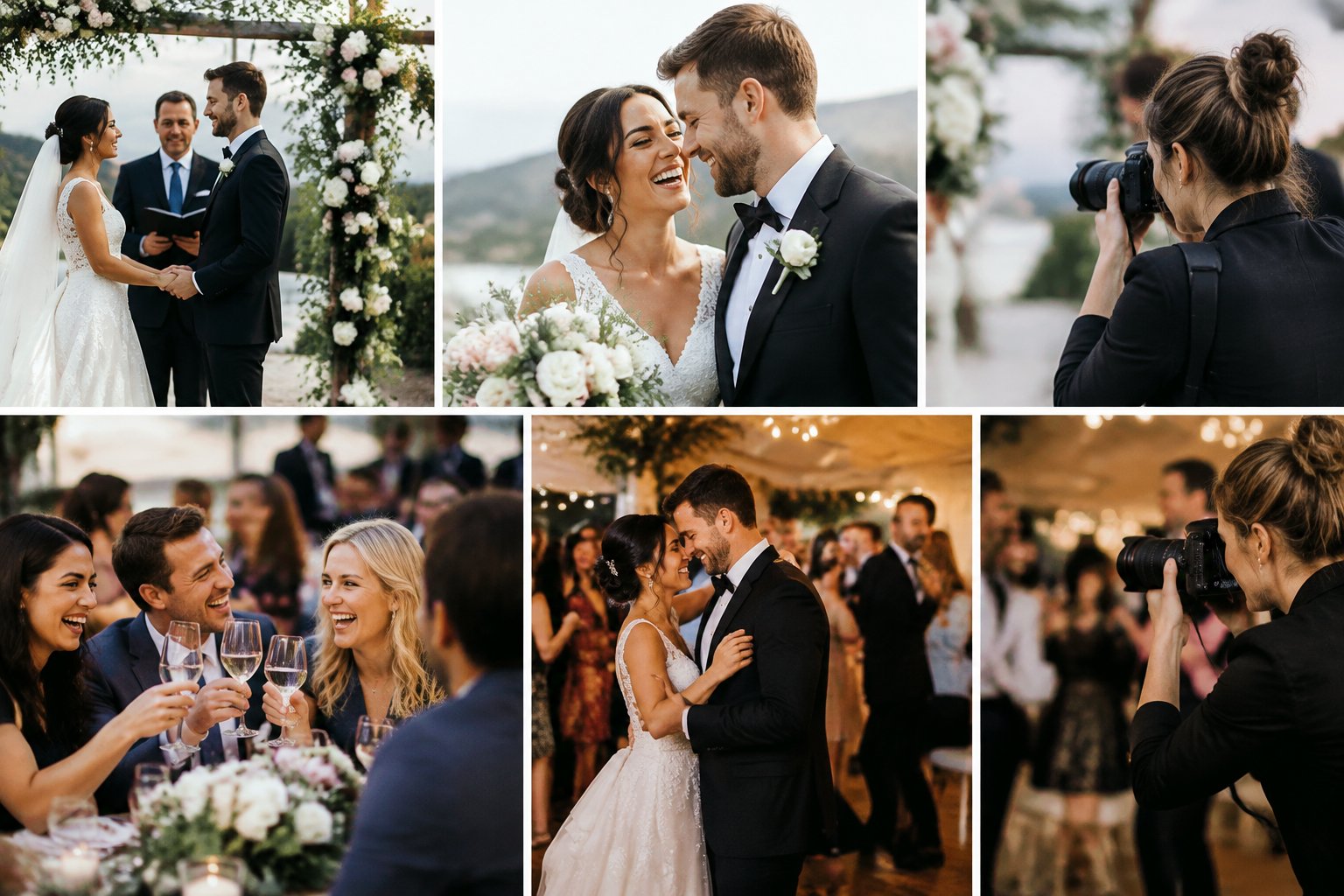
Three hundred edited wedding photos can be plenty for an elopement, a small gathering, or a wedding with four to six hours of photography. Your gallery might include getting-ready details, the ceremony, family portraits, couple portraits, and a selection of reception moments.
A compact wedding gallery still needs a clear beginning, middle, and end. Look for images that show the setting, the key people, and the moments that shaped the day. A gallery of 300 distinct, well-chosen photographs can feel complete when each part of the celebration receives suitable coverage.
When Might 300 Images Feel Too Few?
For an eight- to ten-hour wedding, 300 images may leave you wanting more variety, particularly if you expect photos from getting ready through the reception. A larger guest list, separate venues, or several traditions also create more moments and people to document.
Ask to view a complete wedding gallery from an event with a similar timeline and guest count. You can also share a wedding day photo checklist to clarify key moments, then agree with your photographer on what deserves priority.
How Coverage Hours Change the Final Count
More hours give your wedding photographer time to document more parts of the day, and the delivered count often rises with coverage. A useful estimate is about 50 to 80 edited photos per hour, though the final gallery depends on the pace of your event and the photographer’s editing style.
How Many Photos per Hour of Coverage Is Typical?
Many photographers deliver roughly 50 to 80 edited images per hour of coverage. Some deliver fewer as part of a tightly curated approach, while others include a broader range of usable moments. Ask how your photographer counts images and whether the estimate applies to edited photos in the final gallery.
Your contract should spell out the expected coverage and image delivery terms. If you are still planning the schedule, consider how many hours your photographer should stay so the start and end times include the moments you care about.
What Might Different Coverage Lengths Deliver?
These ranges can help you set a starting expectation:
- Four hours: about 200 to 320 images
- Six hours: about 300 to 480 images
- Eight hours: about 400 to 640 images
- Ten hours: about 500 to 800 images
Treat these as planning estimates, not promises. A lively reception may produce more candid photographs per hour than a quiet dinner, while travel between locations can take time away from photos of events. If your budget calls for shorter coverage, ask your photographer to help shape a timeline around your highest-priority moments.
What Influences the Number of Delivered Images?
The final count reflects how much happens during your wedding, how your photographer works, and how carefully the images are selected. Guest count, venue layout, event traditions, and the number of photographers all shape the range of moments captured.
How Do Photography Style and Wedding Activity Matter?
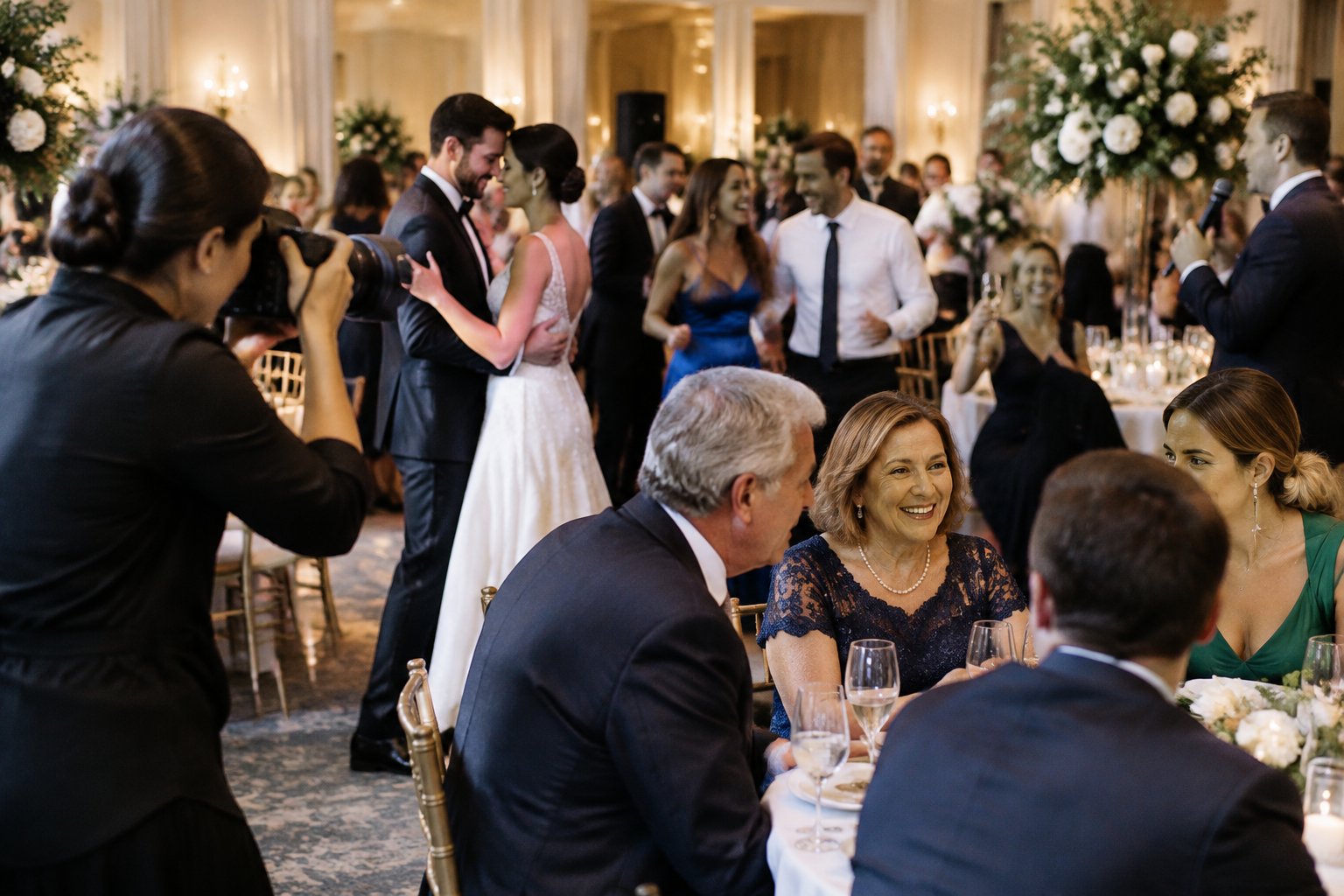
A documentary style can include many guest interactions and spontaneous moments throughout the day. A more directed, editorial approach may focus on fewer images with careful posing and composition. Both styles can produce a strong gallery; review full wedding galleries to see which approach fits your taste.
A busy schedule also creates more photo opportunities. Cultural traditions, speeches, multiple locations, and a large dance floor can all add variety. Your photographer can plan for the events you name in advance, so share any meaningful details or traditions before the wedding.
Does a Second Shooter Mean More Photos?
A second shooter can capture moments happening at the same time, such as one partner getting ready while the other prepares elsewhere. During the ceremony, one photographer might focus on your expressions while the other photographs guests’ reactions.
Two photographers do not guarantee twice as many final images. The added value comes from extra angles and coverage of simultaneous events. If you are weighing that option, ask how a second shooter would support your schedule and what role they would have in your wedding photography.
Why Photographers Cull Images Before Delivery
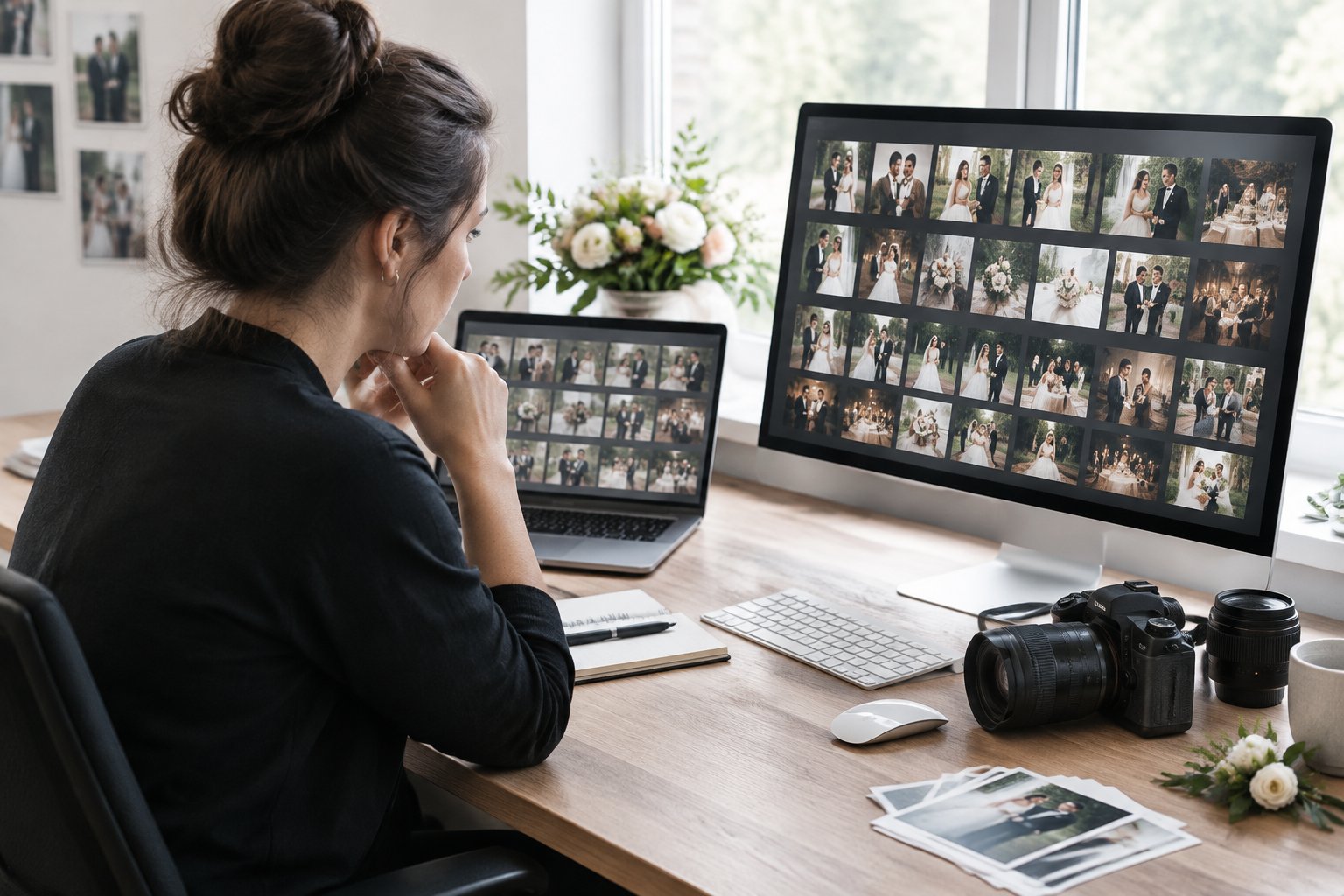
Culling helps your photographer select the strongest images for a polished wedding gallery. The process removes technical misses and repeated frames, leaving a set that follows the day without making you sort through every shutter press.
What Does Culling Remove?
Your photographer reviews the full set and chooses images with clear focus, good expressions, and useful variety. Culling removes accidental shots, missed focus, closed eyes, and near-identical frames from a burst. It also helps balance the gallery across getting ready, the ceremony, portraits, and the reception.
A smaller count can reflect careful selection when the final set still covers the promised hours and key moments. Ask whether the delivered gallery includes all selected and edited images, since photographers define their delivery terms differently. You can learn more about whether wedding photographers give you all photos before you sign a contract.
Why Aren’t Raw Files Usually Included?
Raw files are the original camera files before the photographer’s final color and exposure edits. They can look unfinished and require specialized software and editing choices to match the polished gallery you receive.
Your photographer’s editing is part of the finished work, so many contracts provide edited images rather than raw files. Check the delivery terms before booking, including the expected count, file format, and how you will access your gallery.
How to Make Sure Your Must-Have Moments Are Covered
You can help your photographer deliver a gallery that reflects your priorities by naming key people, moments, and details early. A short, organized list gives your photographer a clear plan while leaving room for candid moments that unfold naturally.
Which Moments and People Should You Prioritize?
Choose the moments you would feel sad to miss, such as your ceremony, a first look, family formals, couple portraits, speeches, or a special tradition. Name the relatives and friends who are especially important to you, including anyone who may need extra time or help joining group photos.
A guide to who should be in your wedding photos can help you organize family groupings. Keep your list focused, then review it with your photographer so they can build enough time into the schedule.
How Can You Choose Images for a Wedding Album?
Your wedding gallery gives you a broad record of the day; your album can tell a shorter story through your favorite images. Choose photographs that represent different parts of the celebration, with a mix of portraits, family moments, details, and candid scenes.
For a typical album, you might select around 80 to 120 images, depending on its size and layout. If you want help deciding how many pictures to include in a wedding photobook, consider how much space you want each moment to have on the page.
Start by marking your favorites, then review the selection with your partner before sending it to your album designer.