
Is 4 Hours Enough for a Wedding? Exploring Time Needs for Your Big Day
Planning a wedding can feel overwhelming, especially when it comes to timing. You might wonder if a four-hour window is enough to celebrate your special day. The good news is that four hours can be sufficient for an intimate and enjoyable ceremony and reception, especially if you manage the schedule well.
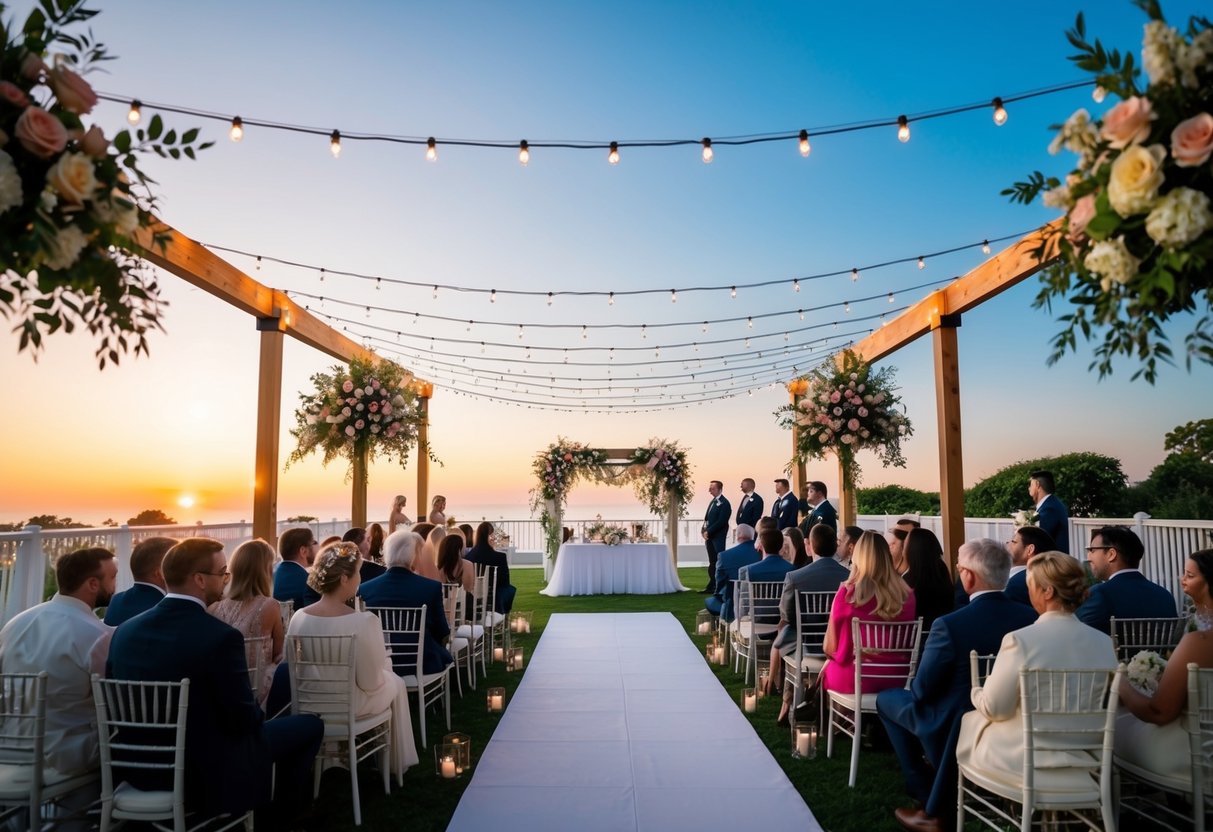
Many couples find that a four-hour reception allows ample time for key events like the ceremony, speeches, dinner, and a little dancing. With careful planning, you can create a magical atmosphere without feeling rushed.
It’s all about making the most of the time you have and personalizing the experience to fit your vision.
Whether you prefer a cozy gathering or a lively celebration, understanding how to structure your time can lead to a memorable event.
Determining the Length of Your Wedding
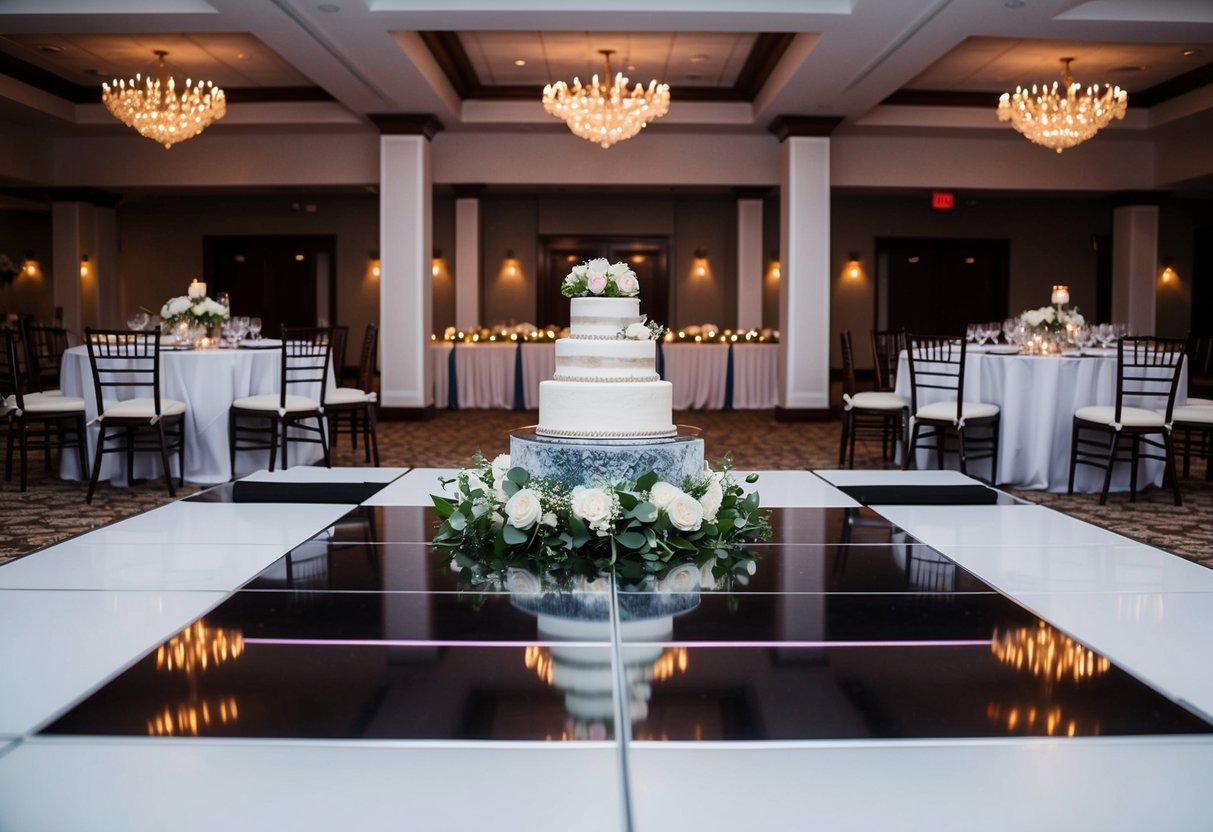
Choosing the right length for your wedding involves balancing various elements, such as your personal preferences, guest comfort, and the overall wedding timeline. It’s important to think through the ceremony, reception, and any other planned events.
Understanding Wedding Timelines
A typical wedding includes a ceremony followed by a reception. The ceremony can take around 30 minutes to an hour, while the reception usually lasts about 4 to 5 hours.
During the reception, you’ll want to include key moments like the first dance, speeches, and dinner. It’s also a great time for guests to mingle.
Consider your guest list size and the activities planned.
For a small wedding, you might prefer a shorter reception. For larger gatherings, a longer timeframe allows everyone to enjoy the celebration without feeling rushed.
Pros and Cons of a 4-Hour Wedding
A 4-hour wedding reception can be just right for many couples. One major benefit is that it allows for a full experience of dining, dancing, and toasting. Guests have time to socialize and enjoy themselves.
On the flip side, you might find that four hours feels too short if you have many activities planned. In that case, your guests may feel rushed. If your wedding has more formal elements, more time could be beneficial.
Keep in mind the venue’s rules, as some places have strict time limits. This can impact your planning, so it’s wise to check in advance.
Elopement vs. Traditional Wedding Duration
Elopements typically have a much shorter timeline. The ceremony may last just a few minutes, and celebrations afterward can be casual and brief.
In contrast, traditional weddings usually have more elaborate ceremonies and longer receptions. If you’re planning an elopement, consider what elements matter most to you.
Major Wedding Milestones and Photography
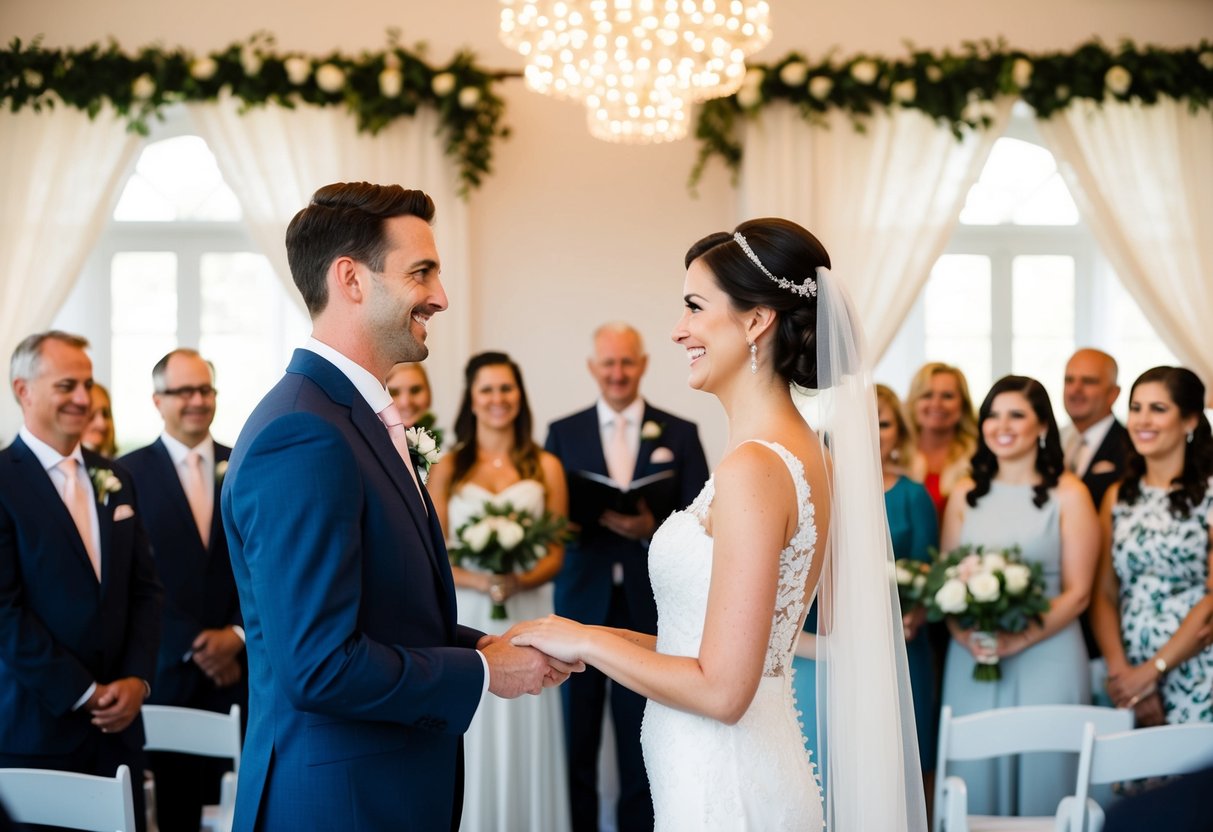
Capturing major milestones during your wedding day is essential for preserving your memories. From the ceremony to the reception, every moment deserves attention, especially with your photography coverage. Here’s what you should know about the big moments and photographing them.
Ceremony and Reception Highlights
Your wedding ceremony is one of the most meaningful parts of your day. It typically includes important events like the vows, ring exchange, and the first kiss. These are moments you’ll want to capture carefully.
After the ceremony, the reception begins. This is often filled with joyful activities, such as toasts, cake cutting, and your first dance. Make sure your photographer is ready for these highlights to ensure that nothing slips by.
If you have only four hours of wedding photography, prioritize these events. For a more extensive collection, consider eight hours to cover all details. A good wedding photographer can help with this planning.
Key Photography Moments
There are specific moments that should always be on your photography checklist. Starting with getting ready photos, these shots help set the scene for your special day.
Don’t forget the first look! This intimate moment between you and your partner is perfect for capturing genuine emotions. It’s a wonderful way to start your photography timeline.
During the reception, focus on the grand exit. It creates a beautiful end to your night and showcases your unique style. Make sure your photographer is prepared for it!
Creating a Memorable Experience
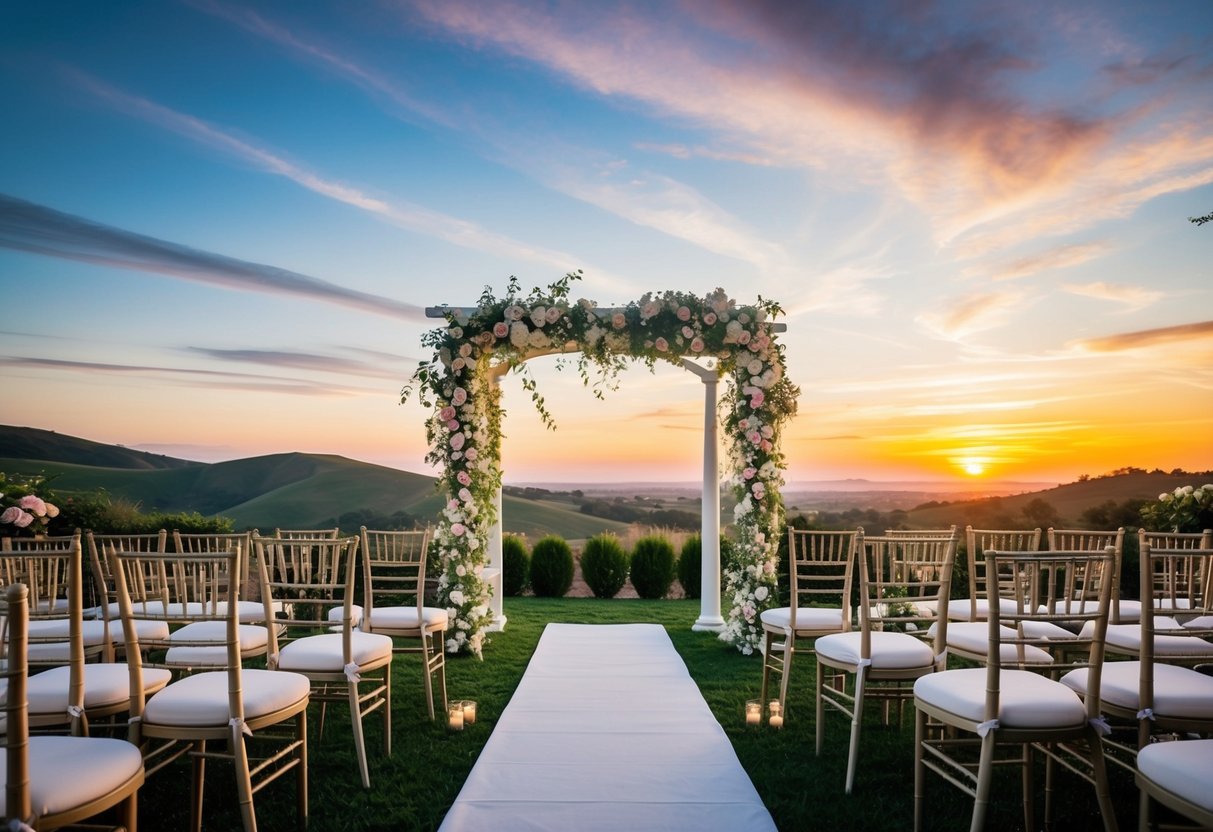
Having a great wedding reception is all about creating a fun and memorable experience for you and your guests. Focus on personal touches and thoughtful details to make your day special.
Crafting a Personalized Reception
Start by crafting a reception that reflects your personality and style. Consider your guest list when planning. Having a clear idea of the number of guests will help shape your decisions.
You can create a theme that resonates with you both. Incorporate personal elements like unique decorations or special songs during the cocktail hour or dinner.
Think about the flow of the evening. Schedule time for speeches and toasts so everyone can enjoy those meaningful moments. Make sure to include open dancing, too. This keeps the energy high and everyone engaged.
Ensuring Guest Satisfaction
To keep your wedding guests happy, focus on their experience from start to finish.
Begin with a well-timed cocktail hour to allow guests to mingle while you take photos.
During dinner, ensure that the meal is enjoyable and meets various dietary needs. You can provide options to accommodate everyone.
After dinner, create a memorable atmosphere with dancing.
Choose a playlist that includes songs all ages will enjoy. A good DJ or band makes a big difference here.
Consider the timing of your reception ends. It’s important to wrap things up at the right moment to leave guests wanting more.