
Is 4 Hours Enough for a Wedding? Tips for a Memorable Celebration
As you plan your wedding, one big question might come to mind: is four hours enough for your special day? In most cases, four hours can be sufficient for a ceremony and reception, especially for daytime events. Many couples find that this timeframe works well for a lunch or early afternoon gathering, allowing for a lovely ceremony followed by a meal and some time with guests.
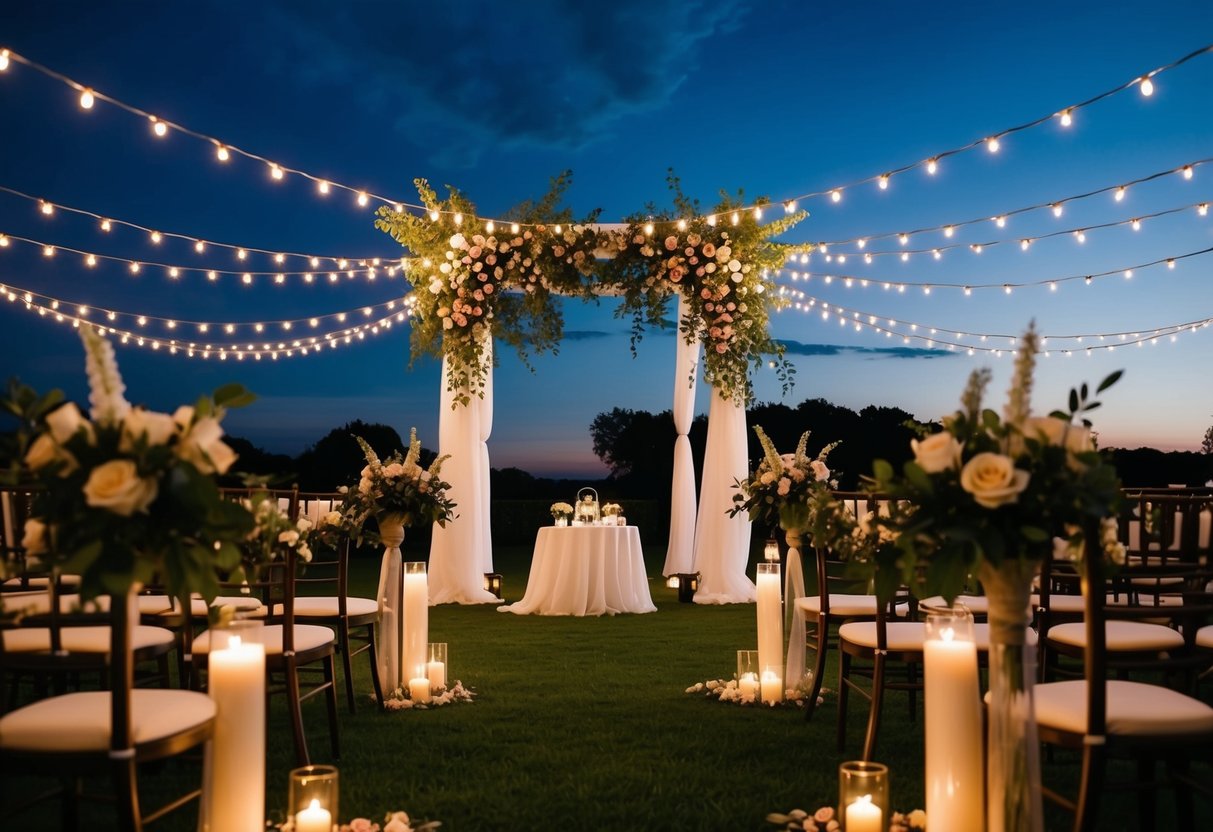
However, if you envision dancing and a more lively celebration, you may want to consider extending the reception time. A typical wedding reception usually lasts around four to six hours, giving everyone the chance to enjoy the festivities without feeling rushed. Your guests will appreciate the time to mingle, eat, and dance together.
If you’re planning a larger event, your ceremony might be more elaborate, with guests filling a grand venue. Make sure your ceremony is tailored to reflect your values and style.
Ultimately, it’s about what you want for your wedding. Think about your style and what will make the day memorable for you and your loved ones. By understanding your options, you can plan a wedding that feels just right.
Understanding Wedding Ceremonies and Receptions
When planning your wedding, it’s crucial to understand the roles of the ceremony and the reception. Each part has its own importance and timeline that helps create a memorable day.
Ceremony Fundamentals
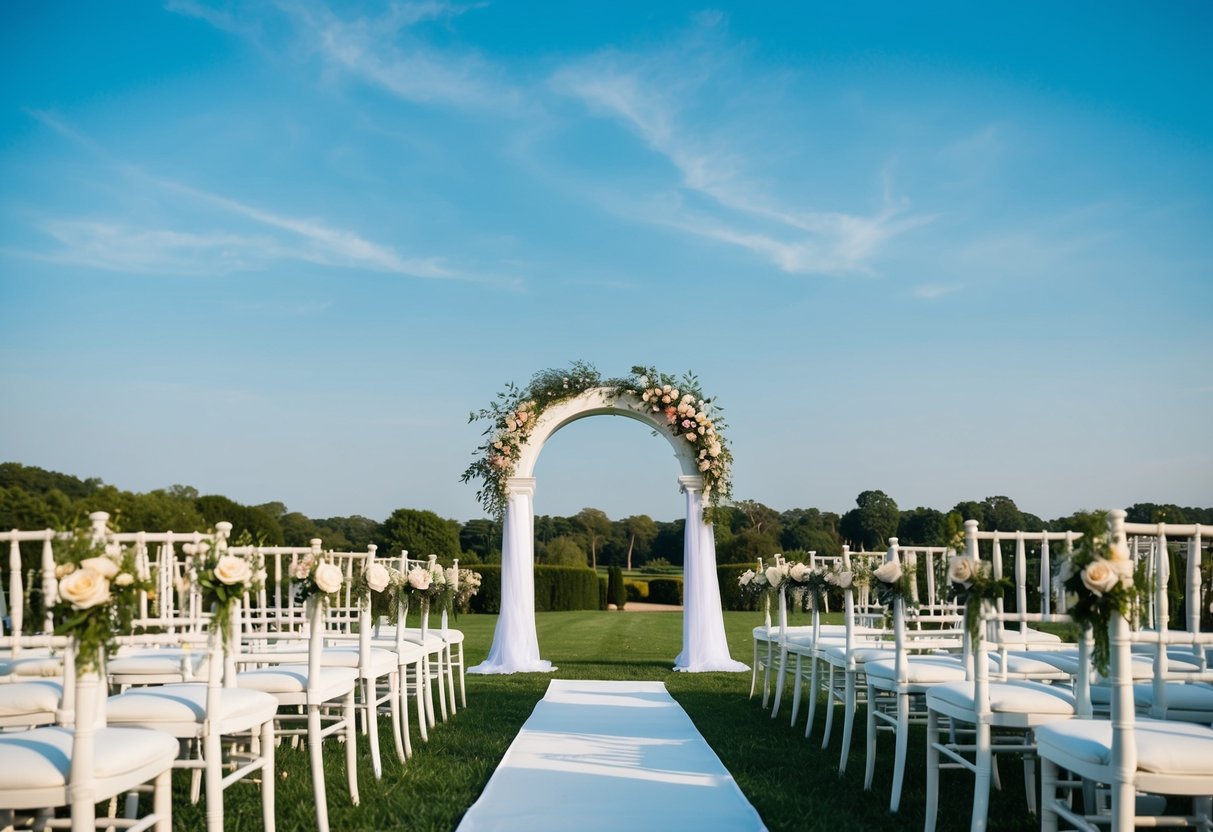
A wedding ceremony typically lasts around 20 to 30 minutes. This is where you and your partner exchange vows and become married. You may choose a religious, civil, or themed ceremony, depending on your preferences.
For a small wedding, the atmosphere can be intimate and personal. Meanwhile, a larger event might be more elaborate, with guests filling a grand venue. Make sure your ceremony is tailored to reflect your values and style.
Consider the transition time needed after the ceremony. You’ll want to give guests a chance to mingle or travel before the reception starts. A good guide is to allocate about 30 to 60 minutes between the ceremony and reception.
Reception Essentials
The wedding reception is usually 4 to 5 hours long, which is the industry standard. This timeframe includes dinner, dancing, and any special activities. You may want a timeline for the reception that details when things like speeches, cake cutting, and dancing will happen.
During the reception, provide a fun atmosphere with music and food that your guests will love. You might also plan a grand exit to cap off the night memorably. Remember to communicate the end time of the reception to your guests.
Including different activities throughout the event helps keep the energy up. Think of options like games, photo booths, or even a slide show of your relationship. This ensures your reception feels lively and engaging.
Planning Your Timeline
Creating a detailed timeline is crucial for your wedding day. It helps you manage the flow of events and ensures you capture all the important moments. Two major components of this plan are photography considerations and key reception moments.
Photography Considerations
When planning your photography timeline, think about when you want to have your getting ready photos taken. These can capture special moments with your friends and family before you walk down the aisle. Consider scheduling your photographer to arrive early, so they can start documenting these preparations.
For a 4-hour coverage, plan a first look right before your ceremony if you desire those intimate photos. This adds a personal touch and gives you both a moment alone. After the ceremony, allocate time for family and wedding party photos. Knowing how long each part takes helps keep everyone on track.
Key Reception Moments
Your reception timeline should highlight all critical events. Start with the cocktail hour where guests mingle and enjoy drinks. This usually lasts about an hour, allowing time for you to take additional portraits.
Next up, plan for the grand entrance, dinner service, and important moments like the toasts and cake cutting. Make sure to include time for dancing, as this is one of the best parts of the night.
A detailed timeline helps ensure you make the most of your wedding day. By anticipating key moments, you can enjoy each part without feeling rushed.
Allocating Time for Major Activities
When planning your wedding, it’s essential to allocate time for key activities to ensure everything runs smoothly. Proper time management helps create memorable moments and keeps your guests engaged throughout the event.
Cocktail Hour and Dinner
The cocktail hour typically lasts about one hour. This gives guests time to mingle and enjoy drinks while you take photos. A well-structured cocktail hour keeps energy high and allows for socializing.
Dinner usually follows, lasting around one to two hours. Many couples choose a sit-down dinner for a more formal feel. During this time, you can serve courses and take pauses for toasts. This is also a great time to schedule speeches.
Make sure to plan the timing of dinner carefully, as it sets the tone for the rest of the reception. Guests will appreciate a thoughtful flow of food and entertainment.
Speeches and Dances
After dinner, it’s time for the emotional moments. Start with speeches, typically given by the best man, maid of honor, and close family members. You may want to keep this segment to about 20-30 minutes altogether.
Following the speeches, kick off the dancing with your first dance. It usually lasts around 3-5 minutes, but it’s a highlight for many couples. After your dance, encourage guests to join in!
Plan for a cake cutting ceremony around this time too. This moment can work as a transition to open dancing.
Allow one to two hours for open dancing, ensuring plenty of time for guests to enjoy and celebrate with you!
Evaluating Guest Experience and Logistics
Planning a wedding reception in just four hours can be a delicate balance. Key factors include your guest list size and how quickly you can move between activities. Handling these logistics thoughtfully will improve your guests’ experience, making the event memorable.
Guest List and Seating
Your guest list has a big impact on the reception’s flow. A small wedding, with around 50 guests, allows for easier movement and a more personal atmosphere. You can create a comfortable setting where everyone feels included.
When arranging seating, consider how guests will interact. Think about table layouts that encourage conversation and mingling. If space is tight, a more casual seating option can help. This setup can reduce any awkwardness during meal times and keep energy levels high.
Transition Times and Guest Involvement
You need to manage time well during your 4-hour wedding reception. Make sure to plan for smooth transitions between the ceremony, dinner, and dancing. Also, allow at least 15-30 minutes for each change.
To enhance your guests’ experience, involve them throughout the event. For instance, consider having them participate in games or activities between courses. This keeps everyone engaged and entertained. Your goal is to create a joyful celebration that flows seamlessly. This way, everyone feels included and has fun.