
Is 4 Hours Enough Time for a Wedding? A Practical Timeline
If you’re asking, “Is 4 hours enough time for a wedding?” Yes, four hours can give you a warm, complete celebration when you keep the schedule focused and fit your ceremony and reception plans to the time available. A four-hour wedding reception gives you room for food, meaningful traditions, and dancing, especially when your guest list is manageable.
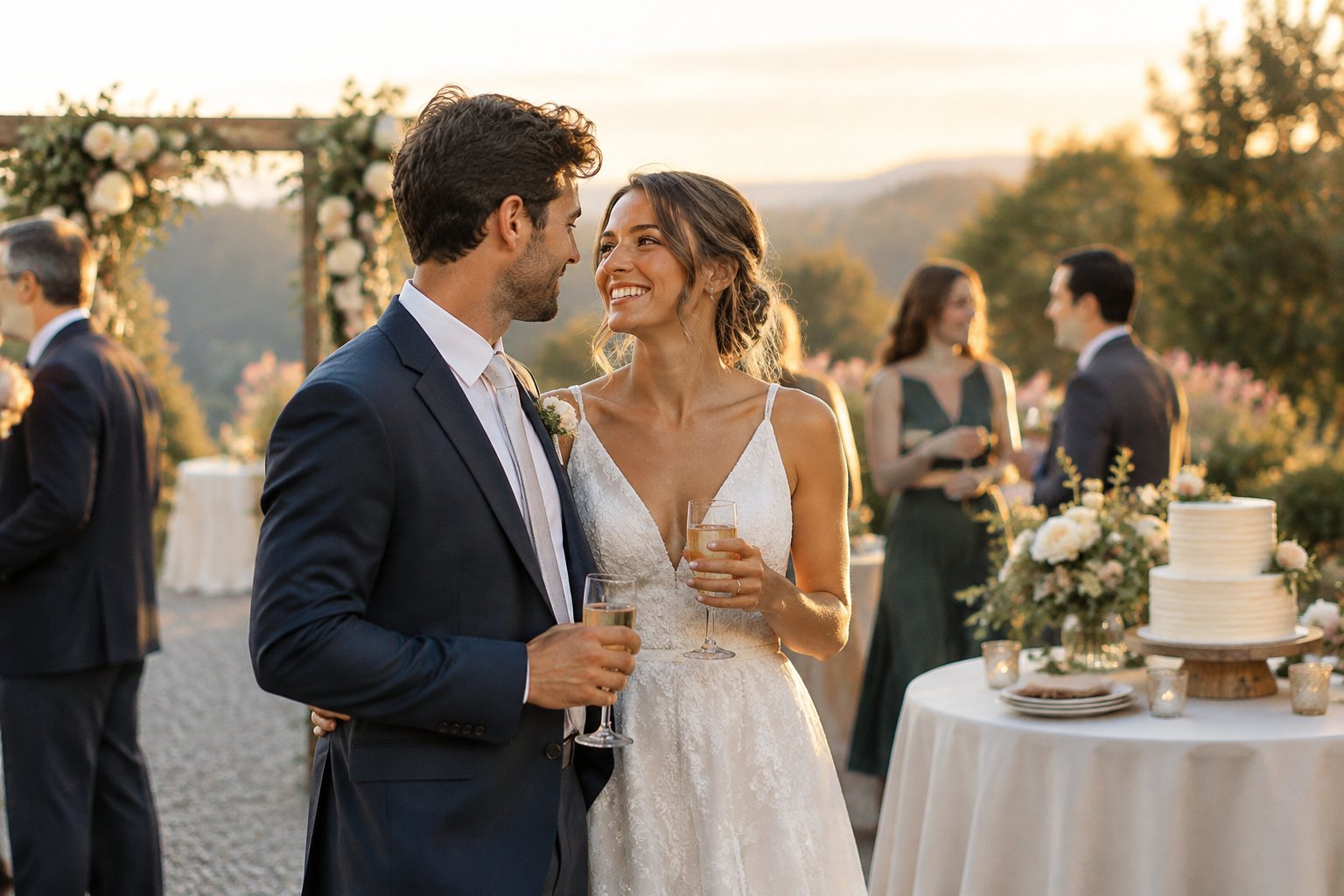
The key is deciding what your four-hour block includes. A reception-only booking gives you more time to celebrate, while combining the ceremony and reception in one block calls for tighter transitions. Before you set the schedule, ask your venue and caterer how much time they need for setup, service, and cleanup.
Is a Four-Hour Wedding Block Enough for Your Plans?
A four-hour block works well for a focused reception, while a wedding ceremony and reception in the same block call for fewer formal events and a shorter meal. Your guest count, venue layout, and priorities will help you choose which format suits your plans.
When Is Four Hours Enough for the Reception Alone?
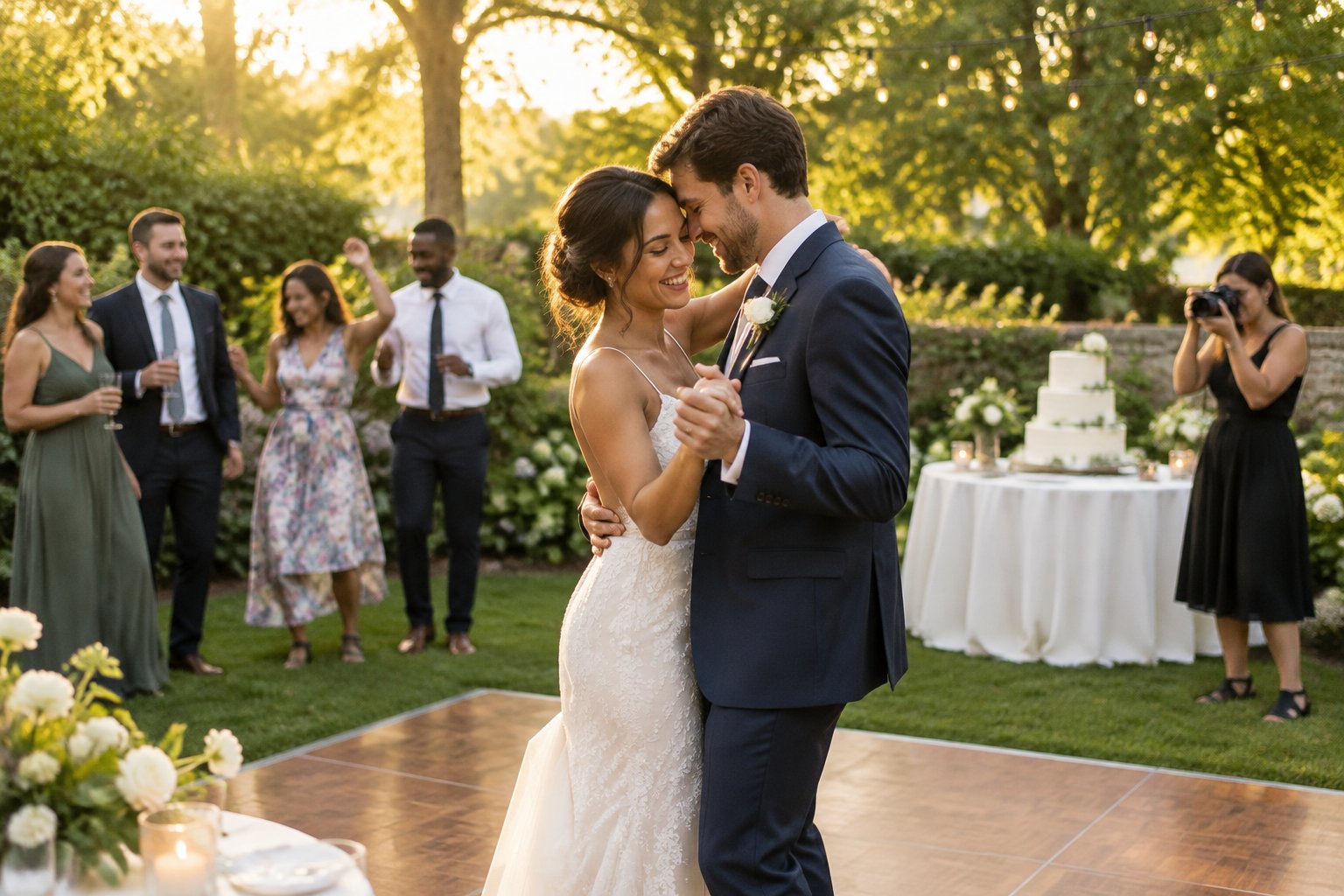
Four hours is enough for a wedding reception when you plan a clear sequence for drinks, dinner, toasts, and dancing. If your ceremony happens earlier, the reception block can start with a cocktail hour and move into the main celebration.
For example, you could spend the first 45 minutes on cocktails and guest mingling, then use about 75 minutes for dinner and brief toasts. That leaves close to two hours for dancing, cake, and a send-off. This kind of normal wedding reception schedule helps you see how the pieces fit without crowding every minute.
A small wedding can feel especially comfortable in four hours because guests can move between activities quickly. A larger guest list may need more time for dinner service, greetings, or a receiving line. If dancing is your main goal, limit the number of announcements and planned pauses.
Can the Ceremony and Reception Fit Into One Four-Hour Block?
Yes, a wedding ceremony and reception can fit into one four-hour block when you keep the ceremony concise and hold both events at the same venue. You’ll have less time for cocktails and dancing, so choose a meal and program that match the shorter window.
A sample schedule could give 25 minutes to the ceremony, 15 minutes for guests to move into the reception space, and 30 minutes for drinks and greetings. Set aside about an hour for dinner and toasts, then use the remaining time for a first dance, cake, and a short dance set. This format suits a daytime event or a small wedding with a relaxed meal.
If a full dance party is a priority, four hours for the ceremony and reception together will feel tight. Consider holding the ceremony before the booked block, or adding time if your venue offers it.
What Does a Four-Hour Reception Timeline Look Like?
A strong four-hour wedding reception timeline puts food early, groups formal moments together, and protects a solid stretch of open dancing. Use the schedule below as a starting point, then adjust it to your meal service and venue rules.
How Should You Schedule Cocktails, Dinner, and Toasts?
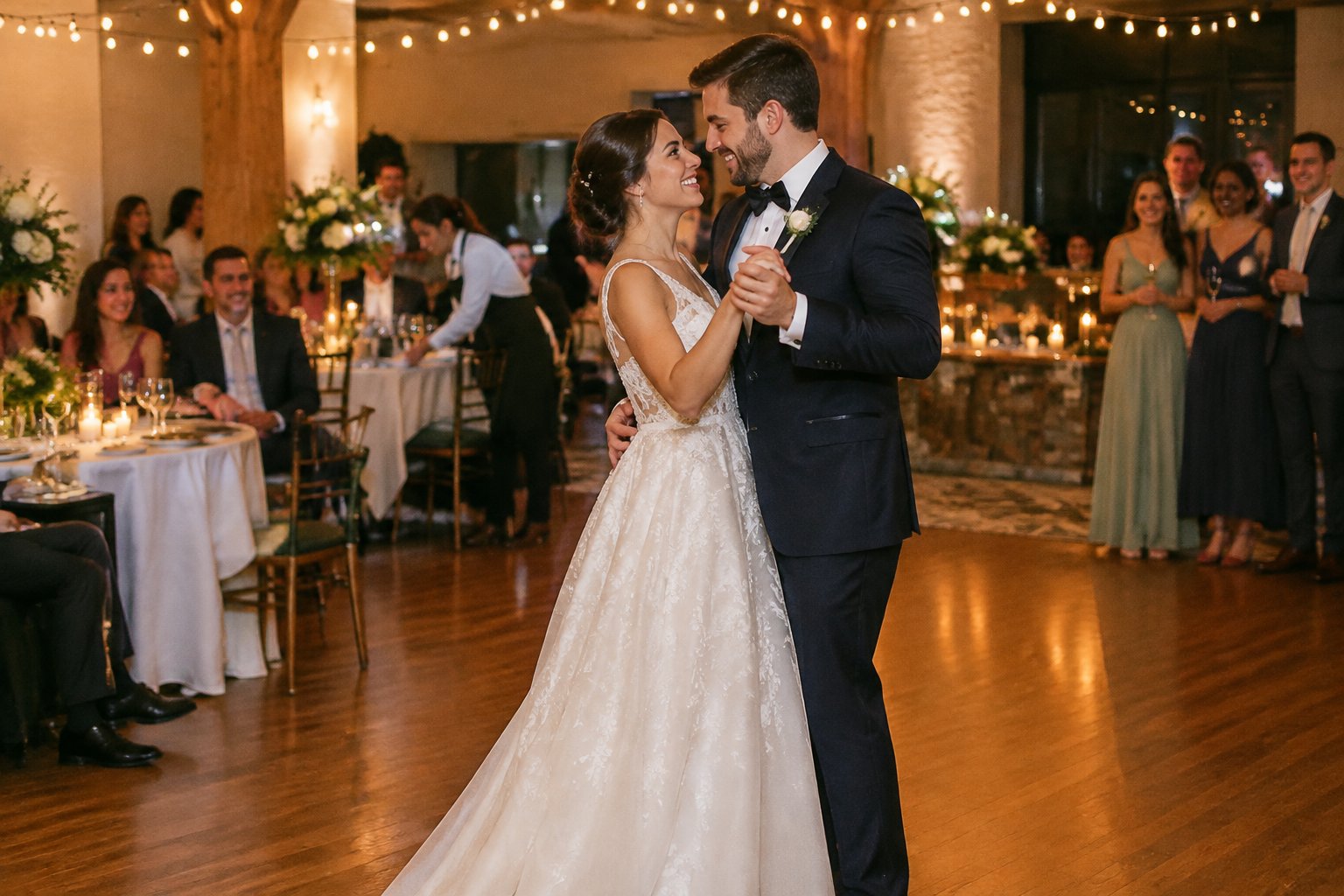
Start cocktails as guests arrive, then move into dinner before the event loses momentum. A practical reception timeline might look like this:
- 0:00–0:45: Cocktail hour with drinks, appetizers, and guest mingling.
- 0:45–1:00: Guests take their seats, followed by your entrance and welcome.
- 1:00–2:15: Dinner service, with brief toasts during or just after the meal.
- 2:15–3:40: Open dancing, with cake cutting during a short music break.
- 3:40–4:00: Last dance and grand exit.
Toasts are easier to manage when you ask speakers to keep their remarks brief and tell them the time limit in advance. Your caterer can help set a realistic dinner window based on whether you choose plated service, a buffet, or a family-style meal.
Where Do the First Dance and Cake Cutting Fit?
Place the first dance after your entrance or just after dinner, depending on whether you want to open the dance floor early. Put cake cutting during a planned pause in dancing so guests know where to look, then invite them back onto the floor.
Pairing the cake cutting with dessert service can keep the schedule moving. If you’re choosing the order of these traditions, your first-dance and cake-cutting sequence can follow the flow that feels natural to you.
How Much Time Should You Save for Dancing and the Grand Exit?
Save at least 75 to 90 minutes for open dancing if a lively party is high on your list. Your DJ or band can help you plan a music set that fits the time, using a song count for a four-hour reception as a useful planning reference.
Set aside the final 10 to 15 minutes for a last dance and exit. If you want a grand exit with sparklers or another send-off, confirm the venue’s rules and allow guests time to gather before the music ends.
How Can You Fit the Ceremony, Photos, and Reception Together?
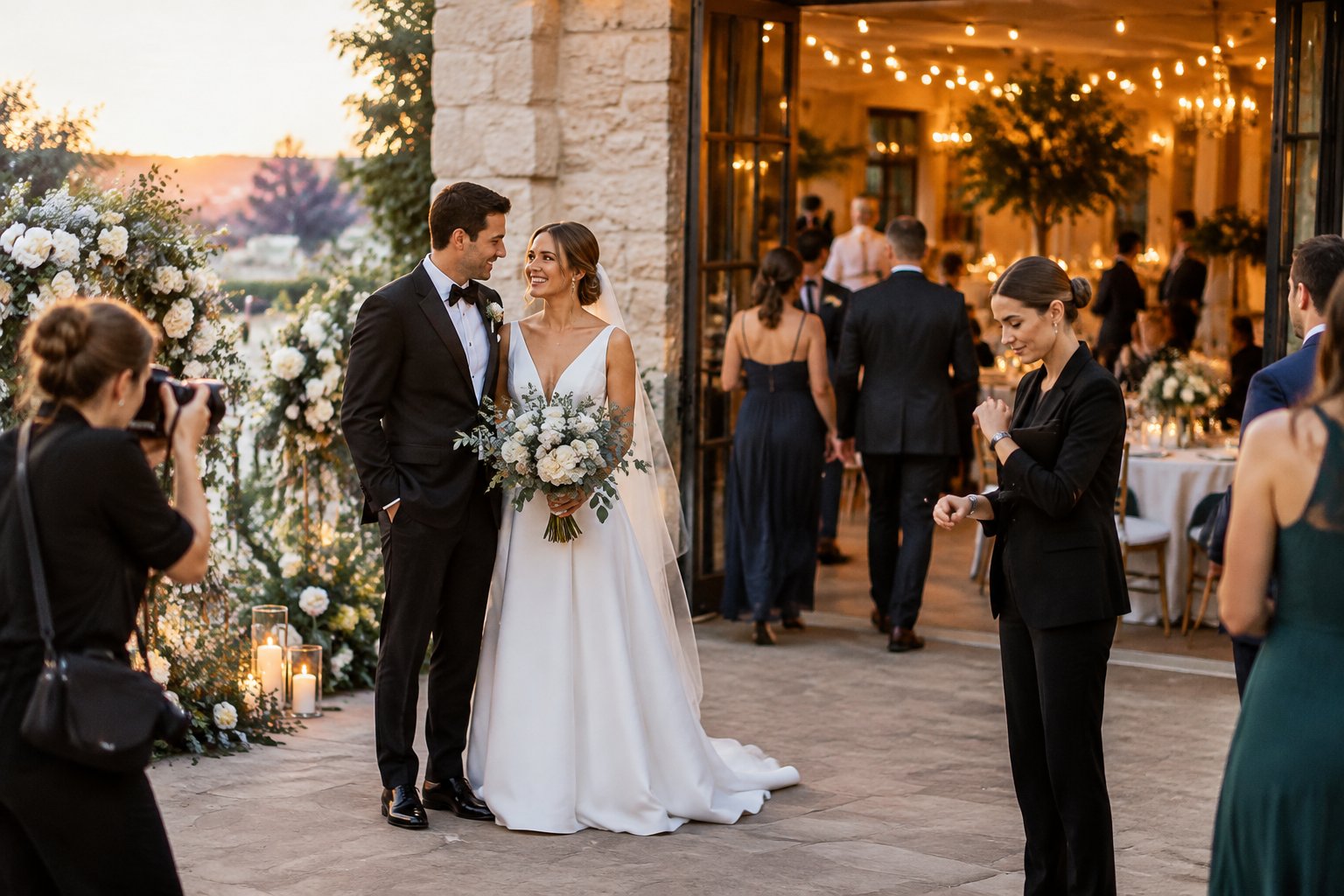
You can fit a ceremony, photos, and reception into a four-hour window by completing key portraits before the ceremony and keeping travel between spaces to a minimum. A first look gives you a chance to take couple and wedding-party photos earlier, freeing up more of the event for guests.
How Much Time Should You Allow for the Ceremony and Transitions?
Allow 20 to 30 minutes for a short ceremony, then add time for guests to move between spaces and find their seats. Your ceremony length will change with readings, music, or cultural and religious traditions. If you’re planning a half-hour service, review what fits into a 30-minute wedding ceremony.
A same-venue celebration keeps guests close and removes travel from the schedule. If you’re using two locations, include transportation time and tell guests how to get to the reception. Even a short drive adds steps for parking, gathering, and getting everyone settled.
Photos can also take longer when family members are spread across a large group. Prepare a short list of family portraits, put someone in charge of gathering relatives, and take as many wedding-party photos as possible before the ceremony.
Can a First Look Make the Schedule Easier?
A first look can make your schedule easier because it gives you time for portraits before guests arrive. You can then use cocktail hour to greet people or take a few quick photos, instead of fitting every portrait into the gap between your ceremony and reception.
If you prefer to see each other for the first time at the ceremony, arrange family and wedding-party photos before the event when possible. You can also plan a short portrait list for immediately after the ceremony and let guests enjoy cocktails while you finish. A 4 p.m. wedding-day itinerary can help you map the ceremony start time against the rest of the day.
Which Details Have the Biggest Impact on Your Timeline?
Your number of guests and meal-service plan have the biggest effect on how quickly the event moves. A short, clear schedule gives your vendors time to serve guests while leaving space for the moments you care about.
How Does the Number of Guests Affect the Schedule?
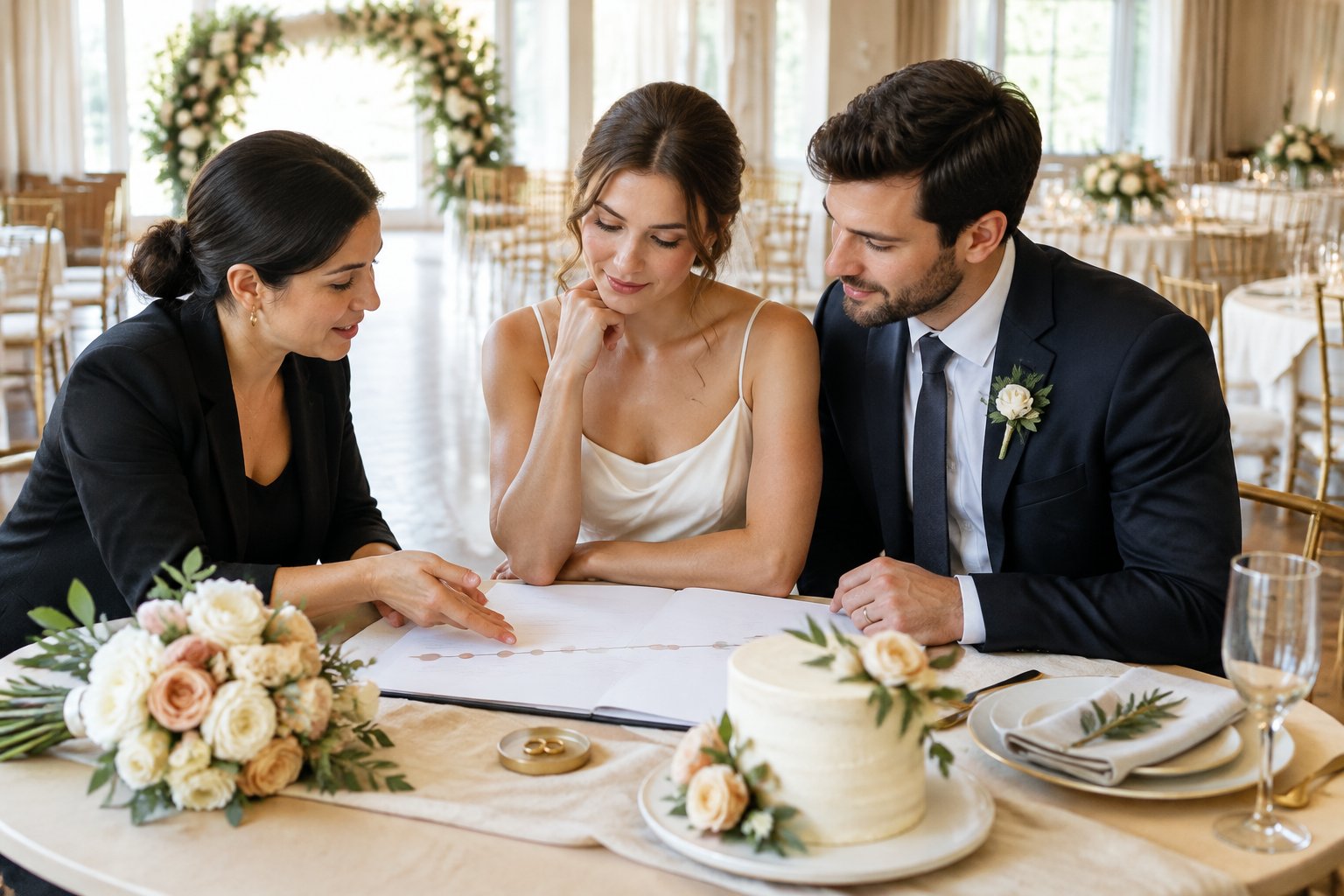
A larger number of guests adds time to seating, food service, group photos, and personal greetings. For a smaller guest list, you can move through dinner and formalities with fewer pauses, which leaves more of the reception open for conversation or dancing.
Think about the experience you want guests to have. If you want to greet everyone at their tables, estimate how long that will take and build it into the schedule. A receiving line also needs its own time block, especially when many guests are attending.
How Do Meal Service and Venue Logistics Change the Pace?
Plated meals need a coordinated service window, while buffets require time for guests to move through the line. Ask your caterer for a timing estimate based on your menu, room layout, and number of servers before you lock in the reception schedule.
Venue logistics also shape transitions. A separate ceremony and reception space can work smoothly when the room change is planned and staff guide guests. Confirm when vendors can access the room, when guests should be seated, and when the venue requires music to end. A shared wedding timeline keeps your coordinator, caterer, photographer, and entertainment team working from the same schedule.
What Should You Prioritize When Time Is Tight?
Choose the moments that feel most meaningful to you, then build the schedule around them. When your priorities are clear, you can shorten introductions or combine formalities while keeping time for family dances and guest mingling.
Which Formal Moments Can You Combine or Shorten?
You can combine your entrance with the first dance, schedule toasts during dinner, and serve cake while dancing continues. Short introductions and concise speeches also reduce stops in the program, giving you more time for the parts of the reception you value.
Choose a few key traditions and share the plan with your DJ or band, photographer, and venue coordinator. If you’re deciding which events to keep, this wedding-priority checklist can help you focus your schedule.
How Can You Make Room for Family Dances and Guest Mingling?
Schedule the father-daughter dance and mother-son dance back to back, then invite guests onto the floor. This creates a smooth transition into open dancing and gives family members a dedicated moment without adding separate breaks.
To protect time for mingling, greet guests during cocktails or visit a few tables during dinner. Share the schedule with your wedding party so they can help gather people for photos and guide guests between spaces. Keep a little flexibility around dinner and transitions, and your four-hour celebration will have room to breathe.