
Is 4 Months Too Long for Wedding Photos? Understanding the Wait Time
Waiting for your wedding photos can feel like an eternity, especially after such an important day. Many couples wonder if four months is too long to get their images back. In most cases, wedding photography typically ranges from two to six weeks. So, four months is longer than average for wedding photography.
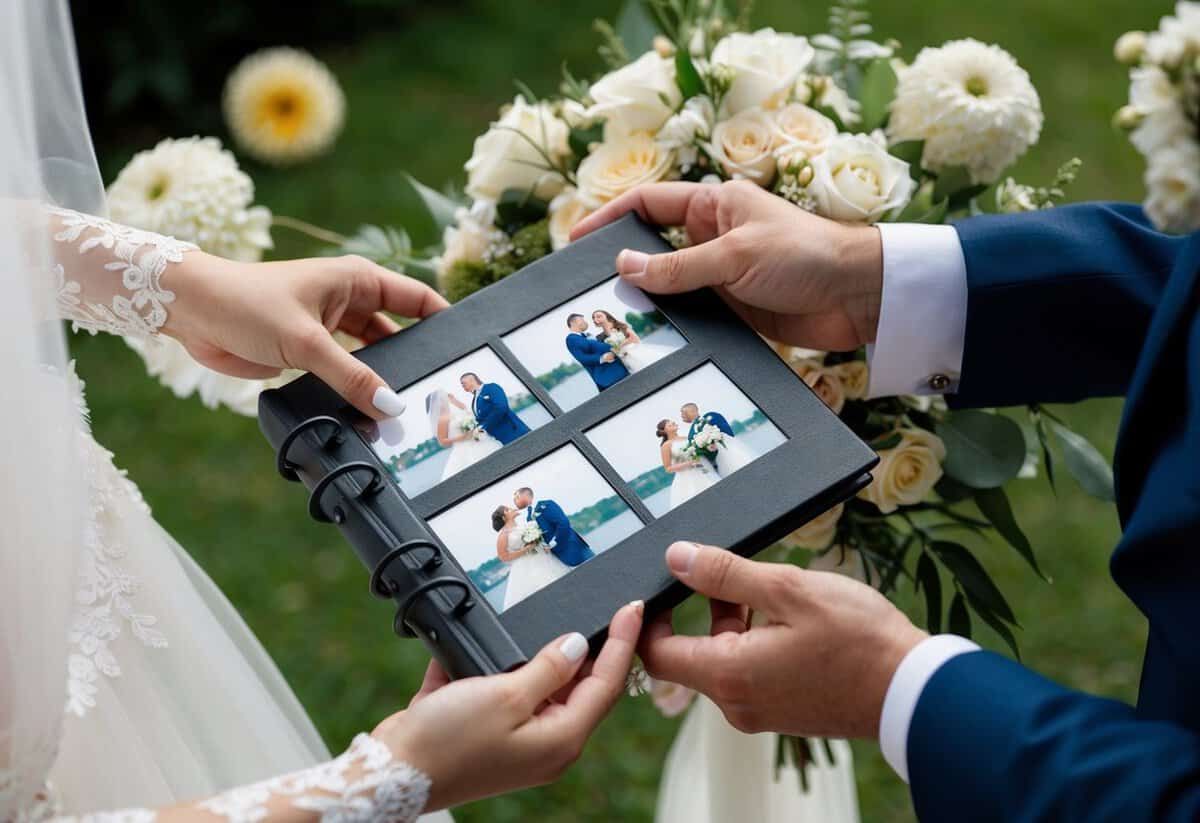
When you choose a professional photographer, they often need time to edit and deliver high-quality images. Wedding day coverage involves capturing every special moment, which takes careful editing afterward. You want those memories to shine, and that attention to detail can require patience.
While waiting can be tough, keep in mind that quality work takes time. If you’ve booked your photographer well in advance and communicated your timeline, you can expect to receive your photos soon enough. This waiting period can also help build excitement as you look forward to reliving your beautiful day.
Understanding Wedding Photography Timelines
Planning your wedding photography timeline is vital for capturing all the special moments. Knowing the photography process on your wedding day and the typical timelines for photo delivery can help set your expectations.
The Photography Process on Your Wedding Day
Your wedding day typically follows a well-structured timeline. The photography process usually starts with the photographer arriving at your location early. Getting ready photos often occur first. This includes moments like putting on your dress and capturing emotions with friends and family.
Next is the “first look” if you choose to have one. After that, couples often take portraits together. It’s essential to schedule enough time for these shots. Then, family and wedding party photos are usually taken.
Keeping your wedding day timeline flexible is also important. Unforeseen events may arise, like weather changes or delays. Make sure you communicate your desired shots and schedule with your photographer to help them capture all key moments seamlessly.
Average Contract Timelines for Photo Delivery
Every photographer has different policies about how long they take to deliver your photos. It’s common for wedding photography contracts to state a timeline between 4 to 12 weeks for photo delivery. During peak wedding season, some photographers may take longer.
Factors influencing delivery time include the number of weddings on their schedule and the editing process. After capturing your wedding, photographers spend significant time editing photos. This ensures you receive polished and beautiful images.
When discussing your contract, always clarify the expected photo delivery time. Many photographers offer sneak peeks to share the excitement before the full album is complete. Knowing this can ease your anticipation while waiting for your complete collection.
Importance of Editing in Wedding Photography
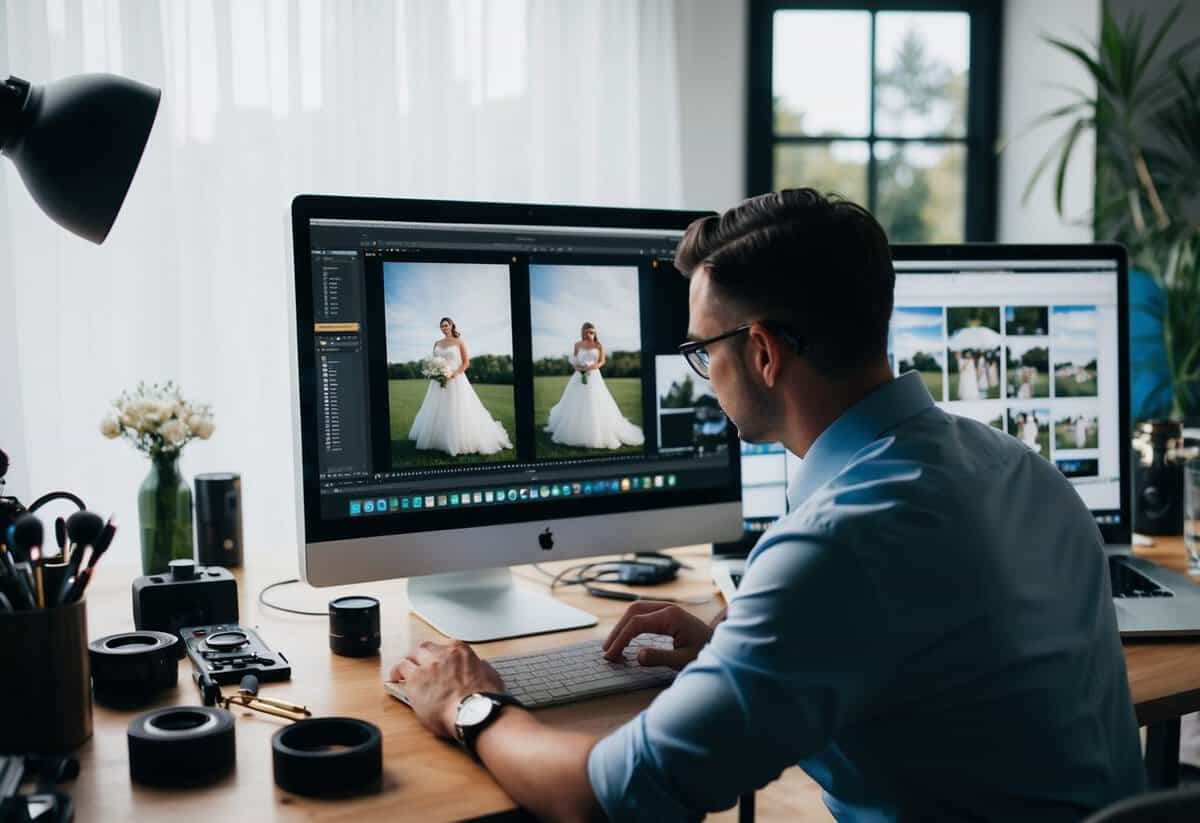
Editing is a crucial step in wedding photography that ensures your photos look their best. This process involves various adjustments that can enhance the overall quality of the images. You’ll learn about why editing takes time and how it impacts elements like exposure and contrast.
Why Editing Takes Time
You might wonder why it can take weeks or even months to receive your wedding photos. The editing process involves careful attention to detail. Photographers often take time to sort through hundreds or even thousands of images.
Each photo requires adjustments to improve colors, lighting, and sharpness. This is not just a quick task; creating a cohesive look across all images is important. A photographer may spend anywhere from 4 to 6 weeks on editing, especially during peak wedding season.
Moreover, many photographers strive for quality over speed. You’ll want your wedding photos to reflect the joy and beauty of your special day, which means patience is necessary for the right results.
Exposure, Contrast, and Fully-Edited Photos
Good editing enhances the technical aspects of your photos, like exposure and contrast. Exposure determines how light or dark your images appear. It’s essential for capturing the mood of each moment.
Contrast adds depth by highlighting the difference between bright and dark areas. Balancing these two elements can make your photos pop. Photographers often spend significant time perfecting these aspects to ensure every image tells a story.
Fully-edited photos usually showcase vibrant colors and lifelike details. This meticulous editing process ensures that every memory is beautifully captured. When you see those final images, you’ll understand why the editing stage is so important in wedding photography.
What Affects the Turnaround Time for Wedding Photos
The time it takes to get your wedding photos back can depend on several factors. Understanding these can help set your expectations.
Influence of Wedding Season on Delivery
The wedding season can greatly impact how long you wait for your photos. Popular months, like June and September, often have many weddings scheduled. This increased demand can slow down a photographer’s turnaround time.
When photographers are busy, they might have longer processing times. During peak season, you might experience a wait of up to 12 weeks, or even longer. In contrast, off-season weddings may lead to faster delivery, usually around 4 to 6 weeks.
It’s essential to ask your photographer about their expected timeline during your initial discussions. Knowing when you’re getting married can help you plan accordingly.
The Role of the Photographer’s Backup Workflow
A photographer’s backup workflow also plays a crucial role in how quickly you receive your images. Good photographers have organized systems for editing and storing your wedding photos.
These workflows can include backing up images on multiple devices, which ensures you don’t lose any precious moments. However, if a photographer has a poor workflow, it may slow down editing and delivery.
Communication is key. You can ask your photographer about their process for editing and backing up images. Understanding this can clarify what to expect regarding the turnaround time for your wedding photos.
Components of a Wedding Photography Package
When planning your wedding photography, it’s important to understand what a package includes. This encompasses the coverage details and the final deliverables you’ll receive after your special day.
Coverage Details and Types of Wedding Photos
Your wedding photography coverage is key. It usually includes multiple parts of your day, such as getting ready, the first look, and the ceremony.
Typically, a package will cover:
- Getting Ready Photos: Capture those pre-wedding moments with you and your bridal party.
- First Look: This special moment between you and your partner can be beautiful and emotional.
- Wedding Ceremony: Key moments include vows, rings, and the first kiss.
- Family Portraits: Essential for capturing memories with loved ones.
- Couple Portraits: These are often more intimate and creative.
Make sure to discuss with your photographer what times and moments are most important to you.
Final Deliverables: Wedding Gallery and Album
After your wedding, we’ll give you your images in a couple of forms. Most packages include a digital wedding gallery where you can view and download your photos.
A wedding album is another common final product. It’s a beautiful way to present your favorite images. Here’s what to look for:
- Digital Gallery: You can easily access your photos online. This can also include print release rights.
- Album Design: Look for customizable options to highlight your favorite moments.