
Is 4 Months Too Soon to Plan a Wedding? Tips for Last-Minute Preparation
Planning a wedding can feel like a huge task, especially when you have a short time frame. If you’re wondering whether four months is too soon to plan your big day, you’re not alone. Many couples face this question as they get ready to say “I do.”
The good news is that with focused effort and a solid plan, you can absolutely pull off a beautiful wedding in just four months.

The key to a successful quick wedding is organization. You’ll need to prioritize important details like your budget, guest list, and venue right away.
With some smart strategies, you can navigate the wedding planning process without feeling overwhelmed. Whether you’re dreaming of an intimate gathering or a larger celebration, getting started early will be your best ally.
Don’t worry; planning a wedding in this timeframe doesn’t mean sacrificing quality or style. By following a streamlined checklist and staying committed, you can create a memorable event that reflects your unique vision.
Setting the Stage: The Four-Month Timeline
Planning a wedding in just four months can feel daunting, but with the right approach, it’s doable. You’ll need to focus on key challenges, essential milestones, and create a clear planning timeline. Here’s what you should know to stay organized and make the most of your time.
Understanding the Challenge
Planning a wedding in four months is a short engagement. Many couples take a year or more to plan their special day. This limited timeframe can mean fewer available venues and vendors. Staffing and dates may already be booked, so you’ll need to act fast.
You also need to create a clear vision for your wedding. Consider what is most important to you. Is it the venue, food, or guest experience? Knowing your priorities can help you make quick decisions and avoid feeling overwhelmed.
Essential Milestones
To successfully plan your wedding, you must meet certain milestones. Here’s a simple checklist to help you get started:
-
Month 1:
- Set your budget and draft a guest list.
- Secure your venue and choose a date.
- Book key vendors like your officiant, photographer, and videographer.
-
Month 2:
- Finalize your caterer, florist, and other important services.
- Send out save-the-dates to guests.
-
Month 3:
- Organize your wedding attire and any needed alterations.
- Plan your ceremony and reception details.
-
Month 4:
- Confirm all vendor details and finalize payments.
- Schedule your rehearsal and make sure everyone knows their roles.
Meeting these milestones is key to a smooth wedding day.
The Planning Timeline
A clear planning timeline gives you direction and keeps you focused. Break down your tasks by week. Here’s a sample structure:
-
Weeks 1-2:
Focus on your budget and venue. Book key vendors as soon as possible. -
Weeks 3-4:
Finalize guest lists and send invitations. Choose your wedding rings and attire. -
Weeks 5-6:
Detail your ceremony and reception. Arrange transportation and accommodations for guests. -
Weeks 7-8:
Confirm all details with vendors. Have a final meeting or phone call to ensure everyone is on the same page.
By staying organized with this timeline, you can handle the challenges of planning a wedding in four months with more confidence.
Key Components of a Wedding
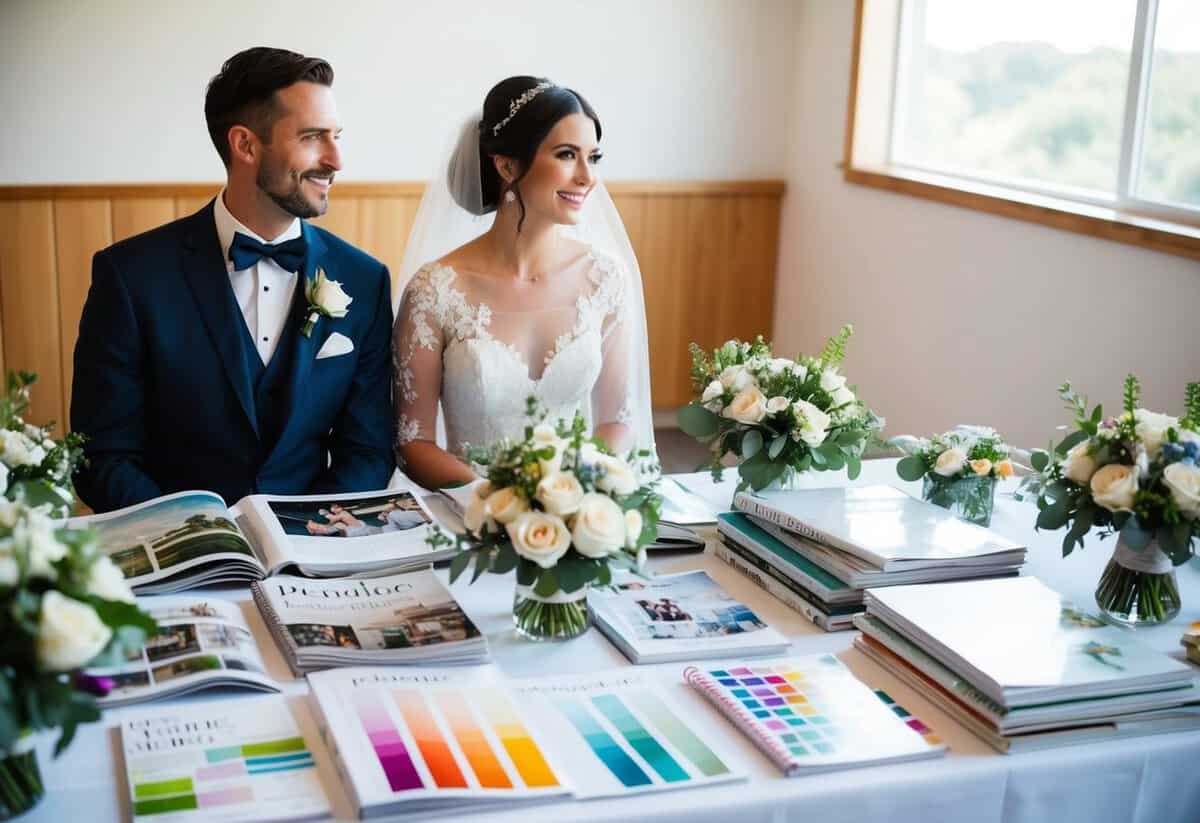
Planning a wedding involves many important elements. Each component plays a critical role in creating your special day. Attention to detail will make your celebration memorable.
Choosing Your Wedding Venue
Choosing a venue is one of the first and most significant steps in planning your wedding. You need to think about the size and style that fits your vision. Will it be a glamorous ballroom, a cozy outdoor space, or a rustic barn?
Consider the location and accessibility for your guests. It’s vital to visit potential venues in person to get a feel for the atmosphere. Don’t forget to check available dates and what services they offer. Make a list of questions to ask about their policies, catering options, and package deals. This will help you narrow down the best venue for your celebration.
The Bridal Party and Attire
Your bridal party will support you, so it’s important to choose friends and family to stand by your side. Consider how many people you want in your wedding party. This might include bridesmaids, groomsmen, and flower girls.
When it comes to attire, think about what styles you want. You can select matching dresses for your bridesmaids or let them choose their own outfits that fit your color scheme. Don’t forget about the groom’s attire; coordinating with the groomsmen is essential too.
Visit shops early to ensure you have ample time for fittings and alterations. Also, pick out wedding rings that you both love; they are a lifelong symbol of your commitment.
Selecting Vendors
Hiring the right vendors is crucial for a successful wedding. Start by researching various options in your area. You’ll want to select professionals who align with your vision and budget. Important vendors include photographers, caterers, florists, and entertainment.
Ask for recommendations from friends or check online reviews to find top-rated options. Schedule meetings to discuss your needs and preferences. This will help you gauge compatibility and creativity. Make sure to read contracts carefully before signing and keep communication open to avoid any misunderstandings.
The Big Day Details
The details you plan for the big day can make a huge difference. You need to think about the overall timeline for your wedding day. This includes the ceremony, reception, and any additional events like a rehearsal dinner.
Be sure to create a detailed schedule that your vendors can follow. Coordinate with them to ensure everything runs smoothly. Don’t forget to set up a gift registry to help guests choose gifts you’ll love. Lastly, consider the small touches that reflect your personality, like personalized favors or unique decor. These details can help create memorable moments for you and your guests.
Admin & Organisation
Staying organized is key when planning a wedding in just four months. You’ll need to manage your budget, gather legal documents, and keep an effective schedule. Here are the essential aspects to help you stay on track.
Budgeting and Economics
Creating a detailed wedding budget is a top priority. Start by listing all your potential expenses, such as venue, catering, photography, and attire.
- Set a Total Budget: Decide how much you can spend overall.
- Break It Down: Allocate funds for each category. For example:
- Venue: 30%
- Catering: 25%
- Photography: 15%
- Attire: 10%
Keep track of your spending to avoid overspending. As you make choices, adjust the budget as needed by looking for cost-effective options. You can find a helpful wedding planning checklist to guide you.
Legal and Documentation
Make sure to handle all legal requirements early. You will likely need a marriage license. The process can vary by region, so check your local requirements.
- Marriage License: Research where to apply and the costs involved. This usually requires submitting ID and paying a fee.
- Vendor Contracts: When hiring vendors, ensure all agreements are in writing. This helps protect your interests.
Don’t forget to collect any other documents like permits for your venue if needed. Completing these steps will save you stress later on.
Stay On Track
Staying organized is vital during this busy time. A wedding checklist can be a great tool to keep everything in line. Here’s how to stay on track:
-
Create a Timeline: Break down tasks by week. For example:
- Week 1: Finalize guest list and budget.
- Week 2: Book venue and caterer.
-
Set Reminders: Use your phone to set reminders for important deadlines, such as booking vendors or obtaining your marriage license.
-
Delegate Tasks: Don’t hesitate to ask family or friends for help. Creating teams can make the planning manageable.
Final Touches and Post-Wedding Plans
As the wedding date approaches, it’s time to focus on the final details and make sure everything aligns for your big day. This section covers everything from the last dress fitting to capturing those beautiful moments on camera, along with celebrating your new union.
Dress Fittings and Beautification
Your final dress fitting is crucial. You want to make sure your dress fits perfectly before the big day.
Schedule this fitting about two weeks prior to the wedding. Bring along your wedding shoes and any undergarments you’ll wear.
Consider booking appointments for hair and makeup well in advance. Communicate your vision with your hairstylist and makeup artist. You might also want to schedule a trial run to make sure you’re happy with the look.
Don’t forget about your wedding party. Make sure they have their attire ready as well. Coordinating outfits adds a polished touch to your wedding photographs.
Capturing the Moment
Choosing the right photographer is key for capturing your special day. Research local wedding photographers and check their portfolios. Look for someone whose style matches your vision.
Book them as soon as possible to secure your date.
Think about hiring a videographer too. They can capture moments that photos can miss, like heartfelt vows or your first dance.
Discuss any special moments you want them to focus on during your conversations.
Make a shot list for your wedding day. Include important family and wedding party photos. Be sure to share this list with your photographer and videographer ahead of time.
Celebrating Your Union
Plan your reception venue carefully to ensure it reflects your style. A chic city banquet can be a great option for a modern feel.
Finalize details like décor, seating arrangements, and the menu at least a week before your wedding.
Consider sending digital wedding invitations for easier tracking of RSVPs. This helps you keep an accurate guest list and plan seating arrangements more efficiently.
Don’t forget about your honeymoon! Have everything booked and confirm any last-minute details. This is a chance for you to relax and enjoy after the excitement of the wedding day.