
Is 40 a Small Wedding? Exploring Intimacy and Celebration Options
If you’re planning a wedding and wondering about guest size, you might be asking yourself if 40 guests is a small wedding. Forty guests is typically considered a small wedding, as it falls well below the common limits for larger celebrations.
With fewer people, your event can focus more on intimacy and personal connections, allowing you to create meaningful memories.
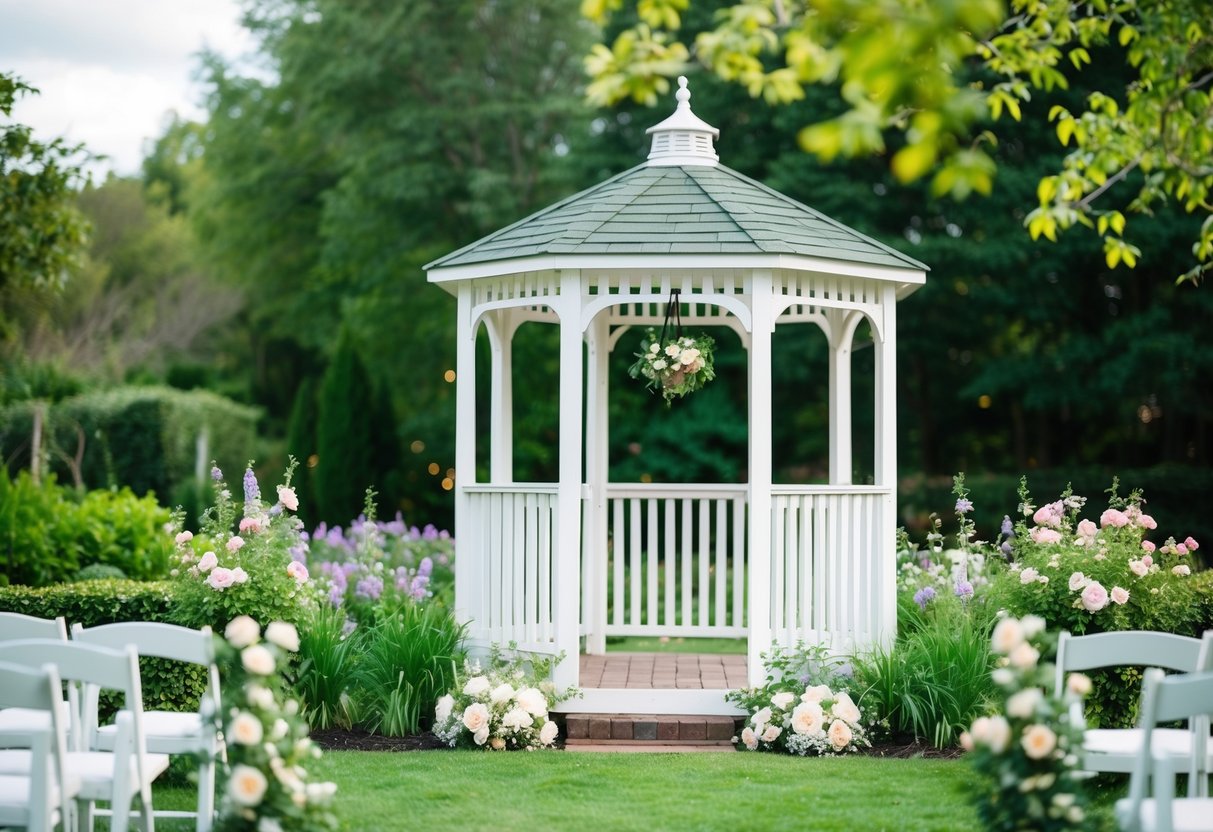
An intimate wedding offers a chance to celebrate with your closest friends and family. This setting fosters a warm atmosphere where everyone can engage and enjoy the occasion fully.
If you value creating a personal experience, a guest list of 40 or fewer might be just what you need to make your special day unforgettable.
As you think about your wedding size, remember that what matters most is how it feels for you. A smaller wedding doesn’t mean sacrificing joy or fun; it can enhance those feelings, making the day even more special.
Embracing a smaller gathering can lead to a unique and heartfelt celebration that reflects your vision perfectly.
Determining Your Wedding Size
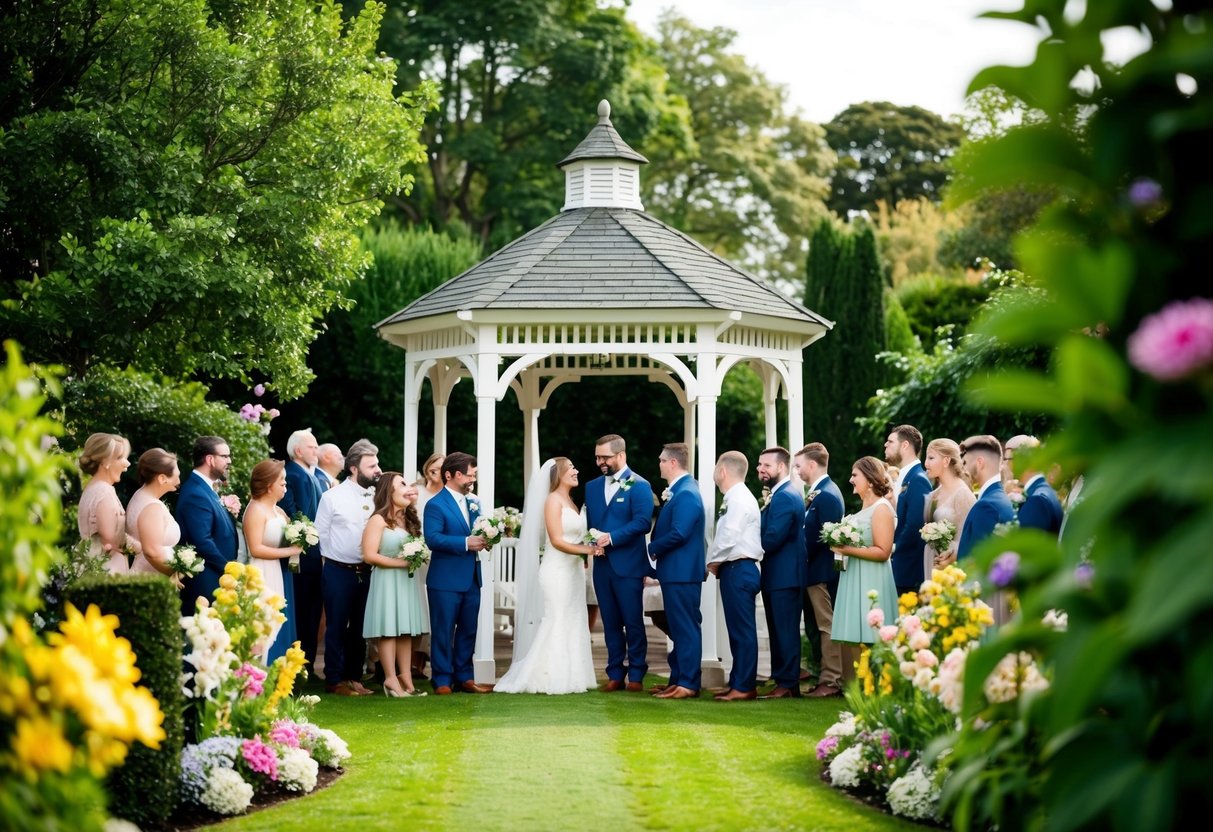
Choosing the right size for your wedding involves understanding what you want and how many guests you plan to invite. Different wedding sizes cater to different tastes and budgets, so knowing the terms can help you decide.
Defining a Small Wedding
A small wedding typically includes fewer than 50 guests. This size allows for a more intimate experience. Smaller weddings also go by names like micro weddings and minimonies, which may have even fewer attendees.
For example, a tiny wedding might involve just 15 people or less. This format can make your day feel more personal and special, fostering deeper connections with each guest. A small wedding can also simplify planning, as there are fewer logistics to manage compared to larger celebrations.
Guest Count Considerations
When deciding on your guest list, think about who truly matters to you. Start by listing family and closest friends. This list might include parents, siblings, grandparents, and a few friends.
Remember, a medium wedding may range from 50 to 100 guests, while a large wedding exceeds that. If you lean towards a small wedding, ask yourself if you prefer quality interactions over quantity.
Take time to weigh your feelings—this choice is about creating memories with your loved ones, regardless of the size.
Planning and Budgeting for Your Wedding

When you’re planning a wedding with around 40 guests, careful budgeting and smart choices are key. You’ll want to manage costs while creating a memorable celebration that reflects your style. Here’s how to navigate the essentials effectively.
Budgeting for a Small Wedding
Creating a budget is your first step. For a small wedding, it’s crucial to determine how much you can afford.
Start by listing all necessary expenses, such as:
- Venue Costs
- Catering
- Decorations
- Photography
- Attire
Consider using a spreadsheet to organize these costs. Small weddings can often mean unexpected savings, particularly on catering and rentals.
For instance, hosting at a boutique hotel might offer venue, catering, and accommodation in one package.
Don’t forget to allocate some funds for extras, like favors or small entertainment options. A simple breakdown might look like this:
| Expense | Percentage of Budget |
|---|---|
| Venue | 30% |
| Catering | 25% |
| Photography | 15% |
| Decor | 15% |
| Miscellaneous | 15% |
Choosing the Right Venue
The venue can set the tone for your wedding, especially for intimate gatherings. A smaller guest list means you can consider unique places that might be more costly for larger groups, like boutique hotels or intimate outdoor settings.
Look for venues that fit your style and budget. Think about location and accessibility too. A destination wedding might require more travel costs for you and your guests, so weigh that against a local venue.
Make sure to ask about packages that include catering or decorations. This can reduce stress and help keep your budget in check.
Whatever option you pick, it should feel special and comfortable for you and your guests.
The Role of a Wedding Planner
If planning feels overwhelming, hiring a wedding planner can be a smart choice. They can help you stay organized while guiding you through budgeting and vendor selection.
For small weddings, a planner may assist with finding cost-effective options and negotiating prices. They often have networks that can lead to better deals.
Before hiring one, consider their experience with small weddings. Ask for references to understand how they work within tighter budgets.
A planner can save you time and stress, allowing you to enjoy the planning process more.
Personalizing Your Wedding Experience
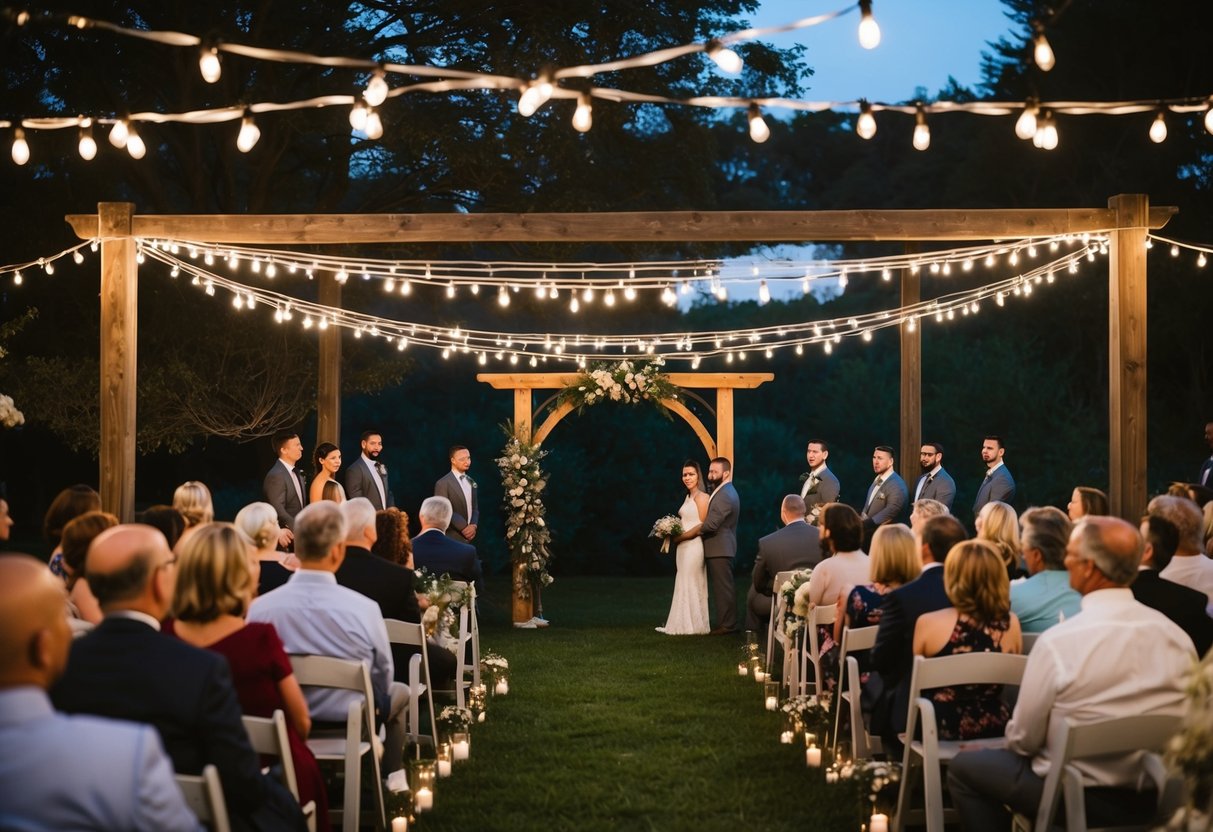
A small wedding can be a wonderful occasion to make your big day truly unique. By focusing on personal touches, you can create a celebration that reflects your values and relationship.
Consider how you can incorporate family traditions, cultural elements, and even technology into your special day.
Incorporating Family and Culture
Involving your family in the wedding planning adds a personal touch. You might invite loved ones to share speeches or readings that are meaningful to your relationship.
Additionally, consider traditions from your culture. This could include a specific ceremony, custom attire, or food that celebrates your heritage.
Engage family members to contribute recipes or ideas for the menu.
For example, creating a family tree display at your venue can honor your roots. This connection to family enriches your day and creates lasting memories.
Intimate Celebration Ideas
In a small wedding, every detail can be tailored to your tastes. Think about unique activities that represent your relationship.
You could have live music from a local artist or a friend who plays an instrument. This creates a cozy atmosphere and supports local talent.
Personalizing your décor can also make a huge difference. Choose flowers or colors that hold special meaning for you as a couple.
You might even consider a theme combining your favorite hobbies or interests.
Intimate wedding settings, like a backyard or a small venue, allow for a personal touch in every corner. Your guest list gives you the flexibility to focus on quality over quantity.
Leveraging Technology with Virtual Weddings
Virtual weddings offer an innovative way to include loved ones who can’t attend in person. You can live-stream your ceremony, ensuring that family and friends can still share in the magic.
Consider using digital invitations that match your wedding theme. You can easily customize these with pictures or designs personal to you.
Sharing a wedding hashtag also helps capture guests’ photos and messages. It creates a shared experience even when some attendees are online.
Ultimately, blending technology with personal touch allows you to create a memorable event that reflects your journey together.
Types of Small Weddings
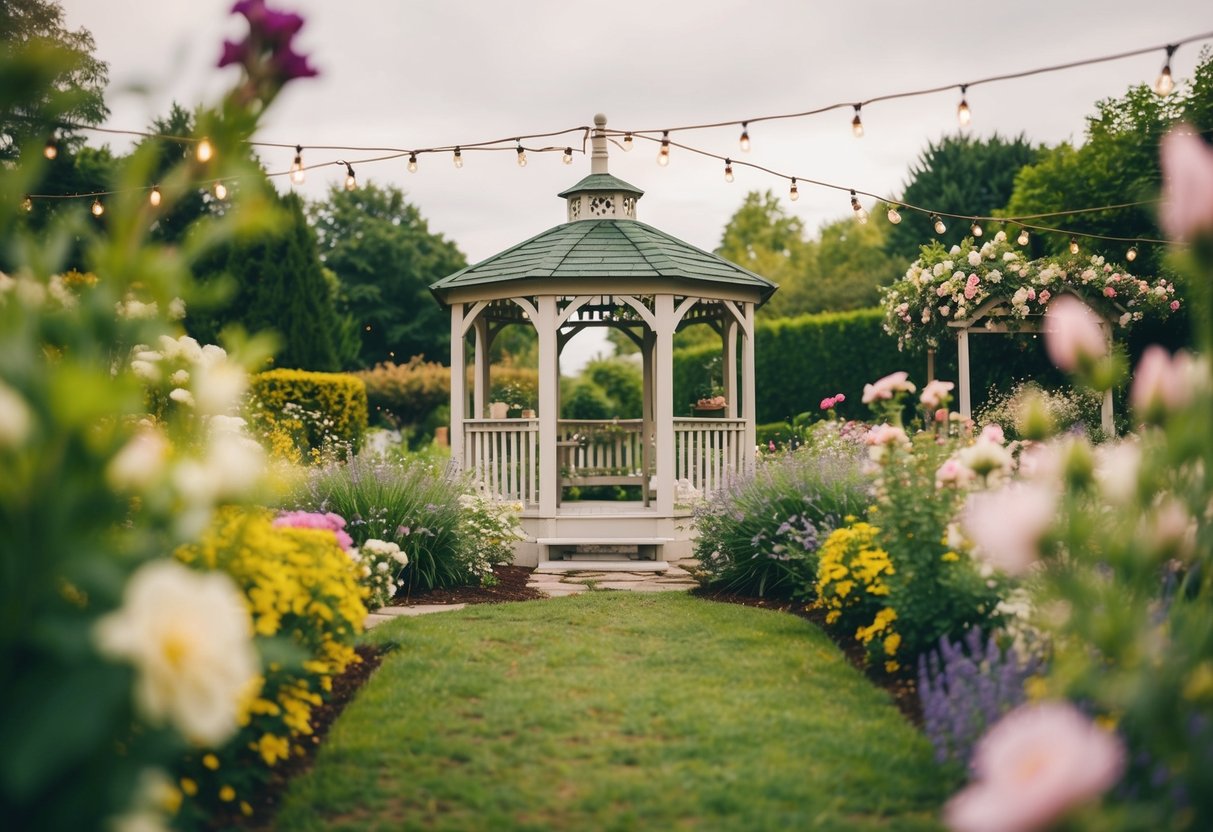
When planning a small wedding, you might consider several popular styles. Each option has unique features and can help you create a special and memorable day with those closest to you. Let’s explore elopements, micro weddings, and minimonies, along with civil ceremonies.
Elopement vs. Micro Wedding vs. Minimony
Elopement usually means a very private ceremony. Often, it just includes you, your partner, and an officiant. There may or may not be witnesses, and the focus is purely on the two of you. This is great for couples who want an intimate experience without the fuss of planning.
A micro wedding is a bit larger but still small, usually having up to 40 guests. You can include family and friends and retain some traditional wedding elements. This option allows for a charming gathering with meaningful interactions among guests.
A minimony stands in between these options. It often refers to a small ceremony followed by a larger celebration later.
You might invite immediate family and a few close friends, celebrating your commitment in a cozy setting first, before having a bigger party.
Considering a Civil Ceremony
A civil ceremony is a legal marriage without religious elements. It often happens at a courthouse or similar location. The ceremony can be simple and quick, focusing purely on the legal aspect.
This type of wedding can suit couples who want to keep it low-key. You can still include a small guest list and personalize it with your vows and rings. Friends and family can witness this special moment, making it memorable even in its simplicity.
Choosing how to celebrate your marriage is a personal decision. Each type of small wedding allows you to express your love in a way that feels right for you.