
Is 40 Guests a Small Wedding? Size, Budget, and Planning
Forty guests is a small wedding by common U.S. planning guidelines, and it gives you room to celebrate with a close circle. Yes, 40 guests is a small wedding, though the label can shift with your family traditions, community, and the kind of celebration you have in mind.
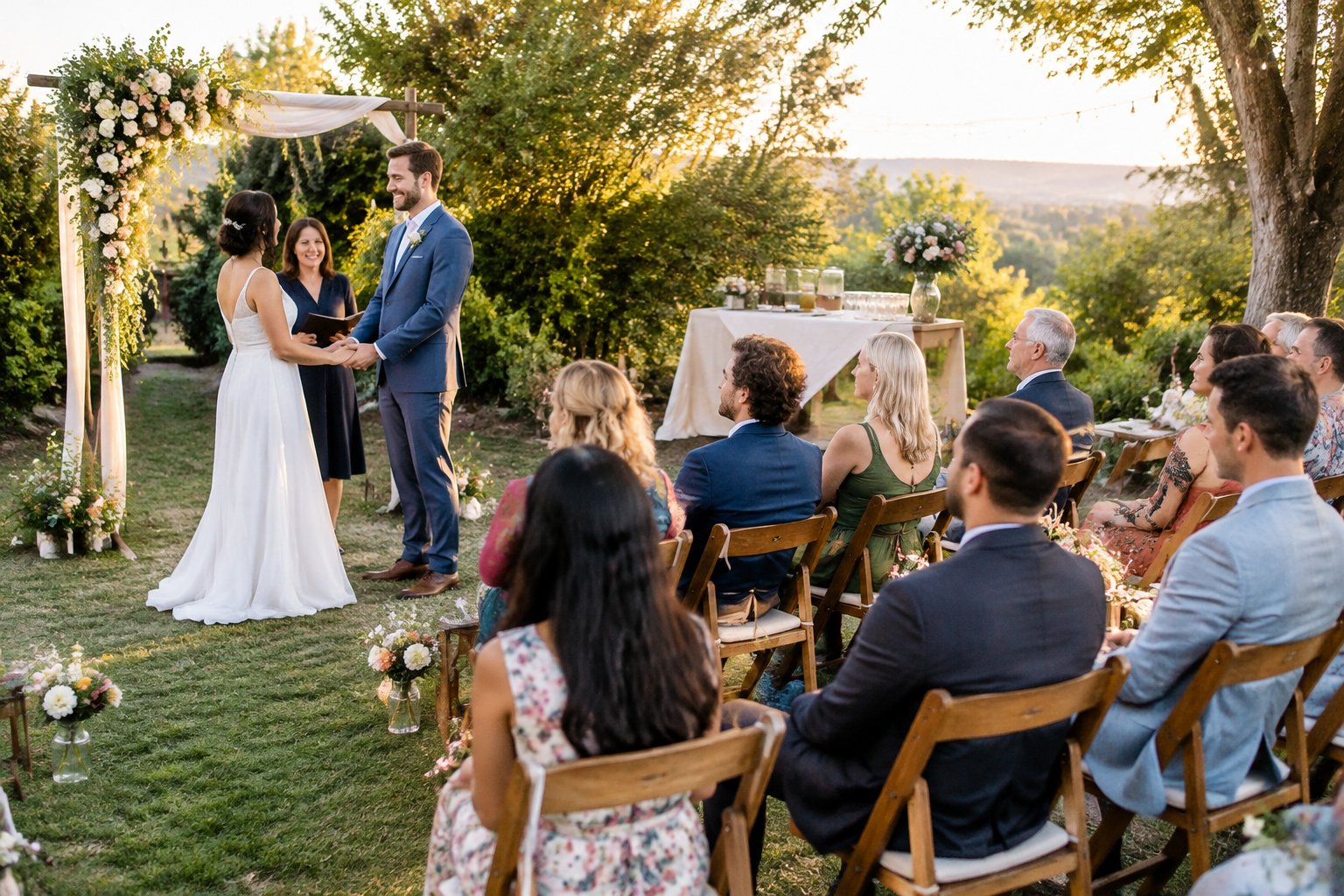
With this guest count, you can plan a full wedding day while making time to talk with the people who attend. Your budget and venue still need careful planning, since some expenses stay fixed even as the guest list shrinks.
Start by listing the people you most want beside you, then use that number to guide your venue search and budget.
Where 40 Guests Fits on the Wedding-Size Scale
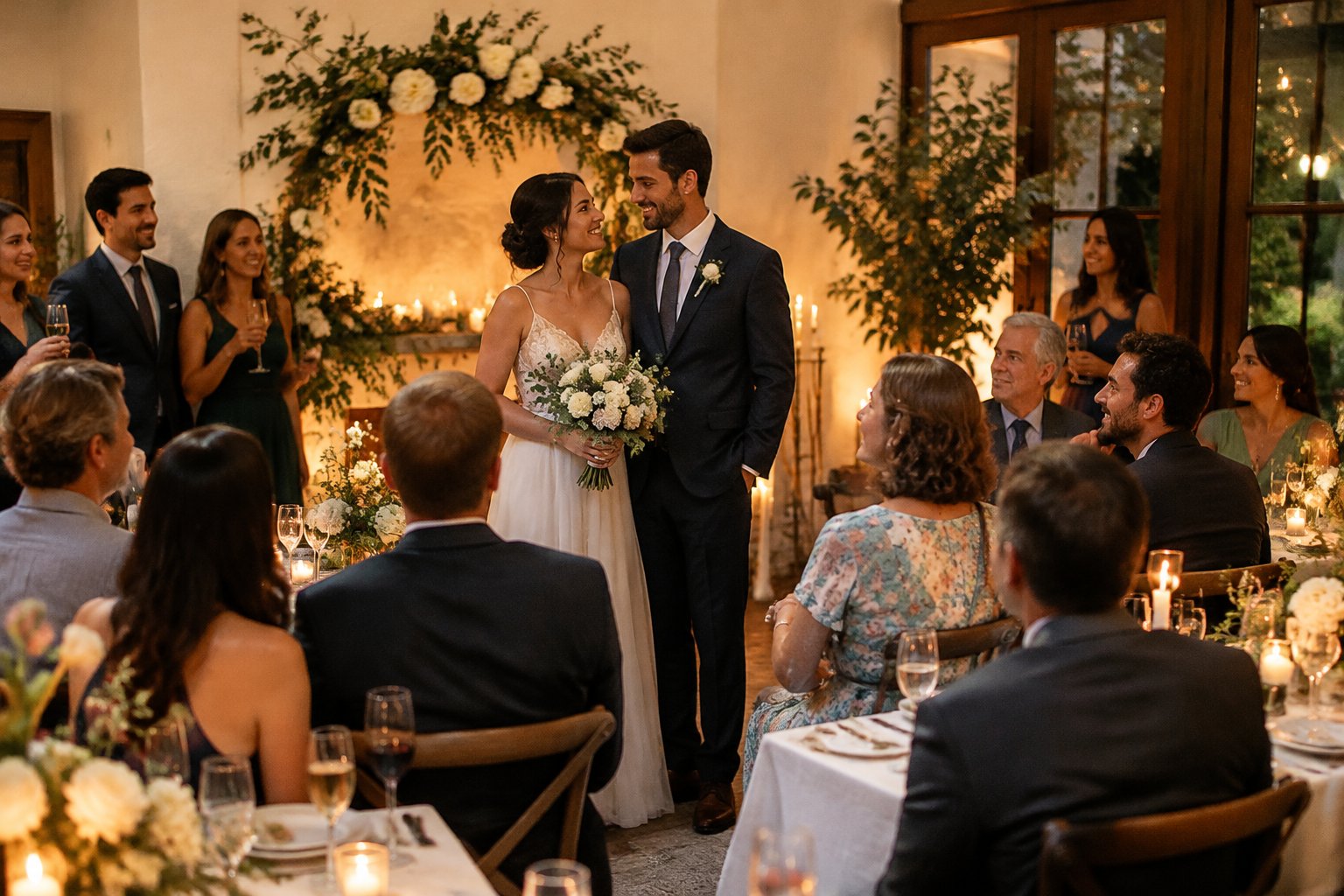
A 40-person celebration falls in the small wedding range, with enough guests for a lively reception and an intimate feel. Wedding-size labels are informal, so use them as planning guides instead of strict rules.
How Do Small, Micro, Medium, and Large Weddings Compare?
A common planning scale calls weddings with 50 guests or fewer small, weddings with 50 to 150 guests medium, and celebrations above 150 large. These ranges overlap at 50, and couples or vendors may use different cutoffs. A small wedding size guide can help you compare your planned headcount with these informal ranges.
A micro wedding is a smaller form of celebration, often planned for a few dozen guests or fewer. Some couples use the term for gatherings under 20 people, while others apply it to weddings with fewer than 50. An elopement usually centers on the couple and a small witness group, with the ceremony as the main event.
Can 40 Guests Count as an Intimate or Micro Wedding?
Forty guests can count as an intimate wedding because you can share the day with a close circle and have more chances to speak with everyone. Some people also call this size a micro wedding, especially when the event has a simple schedule or a small venue. If you are weighing whether the count feels right, consider what would make 40 people enough for your wedding: the people present, the style of the event, and your own comfort.
Will a 40-Person Celebration Feel Right for You?
A 40-person wedding suits you if you want a small wedding with room for personal connection and a full celebration. Your guest count can shape the mood, so picture how you want the ceremony and reception to feel before you commit.

What Are the Benefits of a Smaller Guest Count?
With fewer guests, you have more time to greet people and share personal moments. You can plan a meal where conversation flows across the table, write a note for each guest, or include loved ones in the ceremony. A smaller group also gives you more choice in venue style, from a private dining room to a garden or family home.
The smaller count can make planning feel more manageable, too. You will track fewer RSVPs, meal choices, and seating assignments. Couples who are unsure whether this size will feel complete can think through whether 40 guests is too small for a wedding.
What Trade-Offs Should You Consider?
A short guest list can mean difficult decisions, especially when family members expect invitations for extended relatives or friends. You might also find that a small headcount does not lower every bill. Some venues set rental fees or food-and-beverage minimums that apply even when your party is small.
Think about how the room will feel with 40 guests, too. A large ballroom can seem sparse without a layout suited to a smaller group. Choosing a space that fits your headcount helps the gathering feel welcoming.
How Should You Build a 40-Person Guest List?
Build your wedding guest list around the people you and your partner most want to include, then apply the same rules to both sides. A clear limit helps you make choices before invitations and family requests expand the count.

Who Usually Makes the Cut?
Start with immediate family and the friends who play an active role in your lives. Add close extended family, mentors, or other people whose presence feels important to both of you. If you need to trim the list, sort names into priority groups and pause before inviting distant acquaintances or coworkers.
A shared spreadsheet can help you track names, household groups, RSVP status, and meal selections. Use a consistent approach to keep the list balanced. These guest-list tips for a small wedding can help you set priorities before you finalize your invitations.
How Can You Set Fair Rules for Plus-Ones and Children?
Decide your approach to plus-ones and children before you send invitations. For example, you can offer plus-ones to spouses and long-term partners, then use the same guideline for every guest. You can also choose whether children are invited based on your venue, budget, and preferred atmosphere.
Write the rules down and follow them consistently across both families and friend groups. If you make exceptions, agree on them together so the guest count stays within your limit.
How Does Guest Count Shape the Wedding Budget?
A 40-person guest count reduces costs that rise with attendance, especially food, drinks, and some rentals. Your wedding budget will still include expenses that do not change much with the number of guests.
Which Costs Shrink With Fewer Guests?
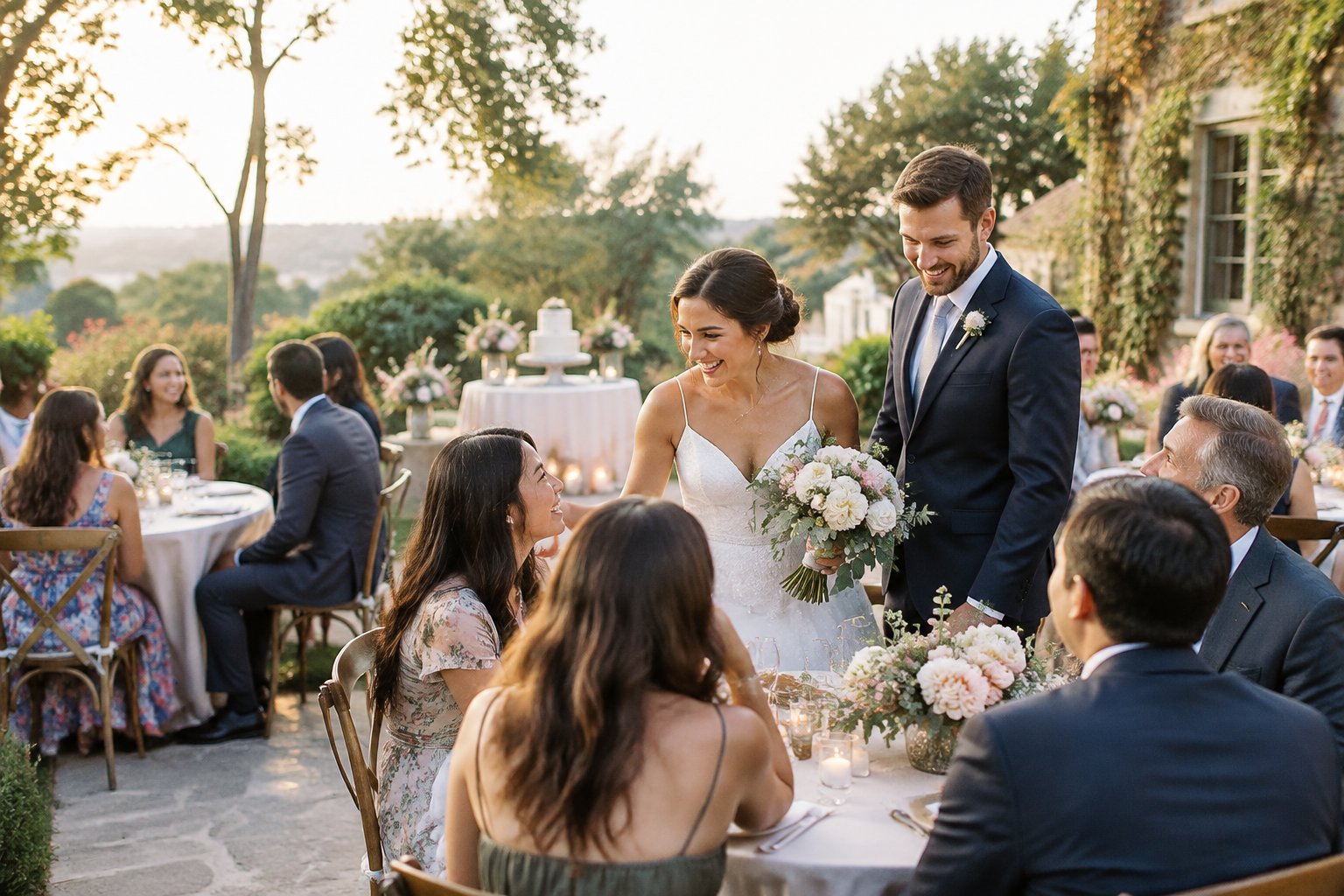
Catering and bar service are often priced per person, so each added guest increases those costs. Fewer guests can also reduce spending on place settings, printed menus, favors, and ceremony chairs. The savings depend on your vendor’s pricing and the choices you make for the event.
Estimate your food and drink costs using the number of people you plan to host, then add taxes, service fees, and rentals where applicable. A 40-person wedding cost estimate can give you a starting point for planning. Use local quotes to set your actual budget.
Which Wedding Expenses May Stay the Same?
Photography, attire, officiant fees, and music often cost the same for a small wedding as for a larger one. A venue may charge a flat rental fee or require a minimum spend, even when you invite fewer people. Those fixed expenses can take up a larger share of your total budget when the guest list is short.
Ask vendors how their prices are set and which services are included. You can then decide where to spend more, such as on a favorite meal or a photographer, and where a simpler choice fits your plans.
How Do You Plan a 40-Guest Celebration?
Plan a 40-person wedding by matching your venue, layout, and vendor choices to the guest count. A smaller celebration still needs a schedule, clear vendor details, and a backup plan for key logistics.
What Venue Size and Layout Work Best?
Look for a space designed to hold your ceremony and reception comfortably without leaving large unused areas. Private restaurant rooms, small event venues, gardens, and homes can all work if they meet your needs. Check the venue’s seated capacity, standing capacity, accessibility, and rules for catering or rentals.
Sketch the layout before booking. Include ceremony seating, dinner tables, a dance area if you want one, and space for vendors to work. If your celebration is outdoors, ask what happens in bad weather and how much time you have to move inside.
When Might a Wedding Planner Be Helpful?
A wedding planner can help you compare venues, organize vendors, manage the schedule, and handle setup details. You may find that support useful if you are planning from a distance, hosting events in more than one location, or coordinating many personal touches.
Ask about the planner’s services and the amount of help included before you book. A month-of coordinator can focus on the final timeline and wedding-day logistics, while a full-service planner can support decisions throughout your planning process. Choose the level of help that fits your schedule and budget.