
Is 5 Hours Too Long for a Wedding Reception? Exploring the Perfect Duration for Celebrations
When planning your special day, you might wonder if a 5-hour wedding reception is too long. Most couples find that a 5-hour reception is just the right amount of time to enjoy all the key moments without feeling rushed. It allows for an enjoyable blend of cocktails, dinner, toasts, and dancing, making for a memorable celebration with your guests.
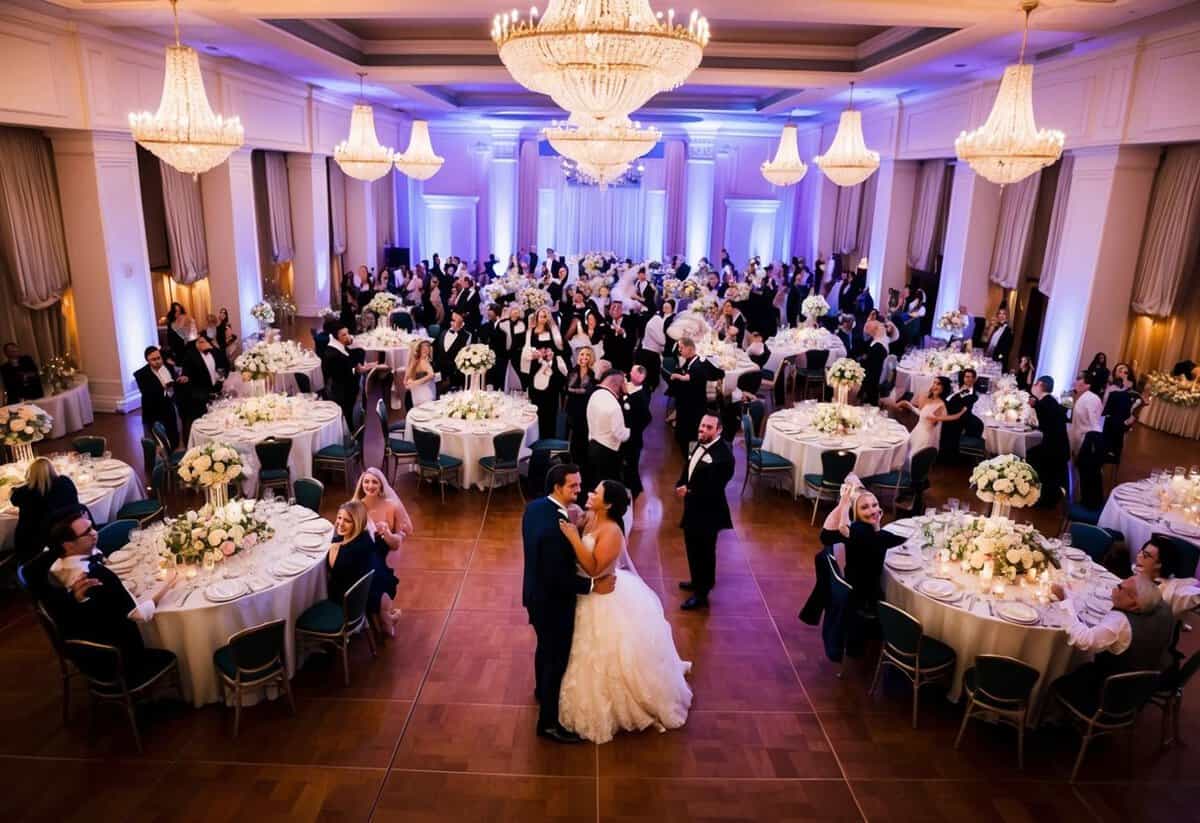
While some may feel that four hours is sufficient, a longer reception gives you a chance to create lasting memories and connect with friends and family. Your guests will appreciate the time to relax and enjoy the festivities, which can help make your wedding day even more special.
In this article, we’ll explore the ideal duration for a wedding reception and weigh the pros and cons of a longer celebration. Understanding what works best for you will help ensure your big day is everything you dreamed it would be.
Decoding Wedding Reception Timelines
Understanding how a wedding reception timeline works is crucial for planning the perfect day. By organizing your event into clear sections, you can ensure that everything flows smoothly, allowing you and your guests to enjoy the celebration.
Understanding the Wedding Day Timeline
Your wedding day timeline is like a roadmap for the entire event. It keeps everything organized and helps you stay on track. The timeline typically includes key events like the ceremony, cocktail hour, and the reception.
For a 5-hour reception, a cocktail hour lasting about one hour is common. This allows guests to mingle and enjoy some drinks before dinner begins. Afterward, dinner and dancing usually take up the remaining time. You may want to include special moments, like speeches or cake cutting, to enhance the celebration.
Components of the Reception Timeline
A well-structured reception timeline usually includes several important components. Here’s a simple breakdown:
- Cocktail Hour (1 hour): Guests enjoy drinks and appetizers.
- Dinner (1.5 to 2 hours): This is the main meal, often featuring speeches.
- Dancing (2 to 3 hours): Time to hit the dance floor with your friends and family.
By planning these components carefully, you can create a balanced flow for the evening. You’ll keep guests entertained and engaged throughout the night.
The 30/5 Rule and the 60-20-20 Rule in Action
The 30/5 Rule suggests that for every 30 minutes of your reception, you should plan for 5 minutes of speeches or special moments. This method helps create a balance between dancing and engaging with guests.
The 60-20-20 Rule is another helpful guideline. It divides your reception into three parts: 60% dancing, 20% dining, and 20% socializing. This ensures that everyone is having fun while enjoying good food and great company. By applying these rules, you’ll create a lively atmosphere that keeps guests entertained until the end.
Key Reception Events and Their Duration
As you plan your wedding reception, understanding the typical duration of key events can help you create a smooth and enjoyable flow. Here are important activities that often take place during receptions.
Traditional Reception Activities
Most wedding receptions include traditional activities like cocktail hour, dinner, and dancing. A cocktail hour usually lasts about 1 hour, allowing guests to mingle and enjoy appetizers.
Dinner service follows and can take 1 to 1.5 hours. This is when everyone sits down for a meal, creating a relaxed atmosphere.
After dinner, the reception typically transitions into dancing, which can last for several hours. Planning a mix of music and a possible band or DJ can enhance this time.
You might also want to include some fun games or planned activities to keep guests engaged throughout the evening.
Allocating Time for Speeches and Toasts
Speeches and toasts are meaningful parts of your reception. These moments usually happen during or after dinner and can take about 30 to 45 minutes in total.
You can designate specific family members or friends to give those speeches. This allows everyone to express their love and well-wishes to you both.
It’s good to keep this in mind when planning your schedule, so you don’t rush through these heartfelt moments. Make sure the speakers know how long they have to keep it concise but meaningful.
First Dance and Other Formal Dances
The first dance is a highlight of many weddings and typically lasts around 3 to 5 minutes. This moment serves as a beautiful introduction to the dancing portion of your reception.
After your first dance, you might have other formal dances, such as the parent dances. These can last about 10 to 15 minutes in total.
It’s a nice touch to prepare a playlist to keep the energy up. Having these dances planned helps set the mood for when everyone joins in the fun afterward.
Cutting the Cake and Other Ceremonial Moments
Cutting the cake is another key event that adds excitement to your reception. This usually takes about 15 to 20 minutes, including the actual cutting and feeding each other.
You might want to schedule this moment shortly after dinner or during a short break in dancing.
Other ceremonial moments, like bouquet tossing or garter removal, should also be timed effectively to maintain the flow of the evening. These activities are fun for guests and create memorable highlights that everyone can enjoy.
Customizing Your Reception Experience
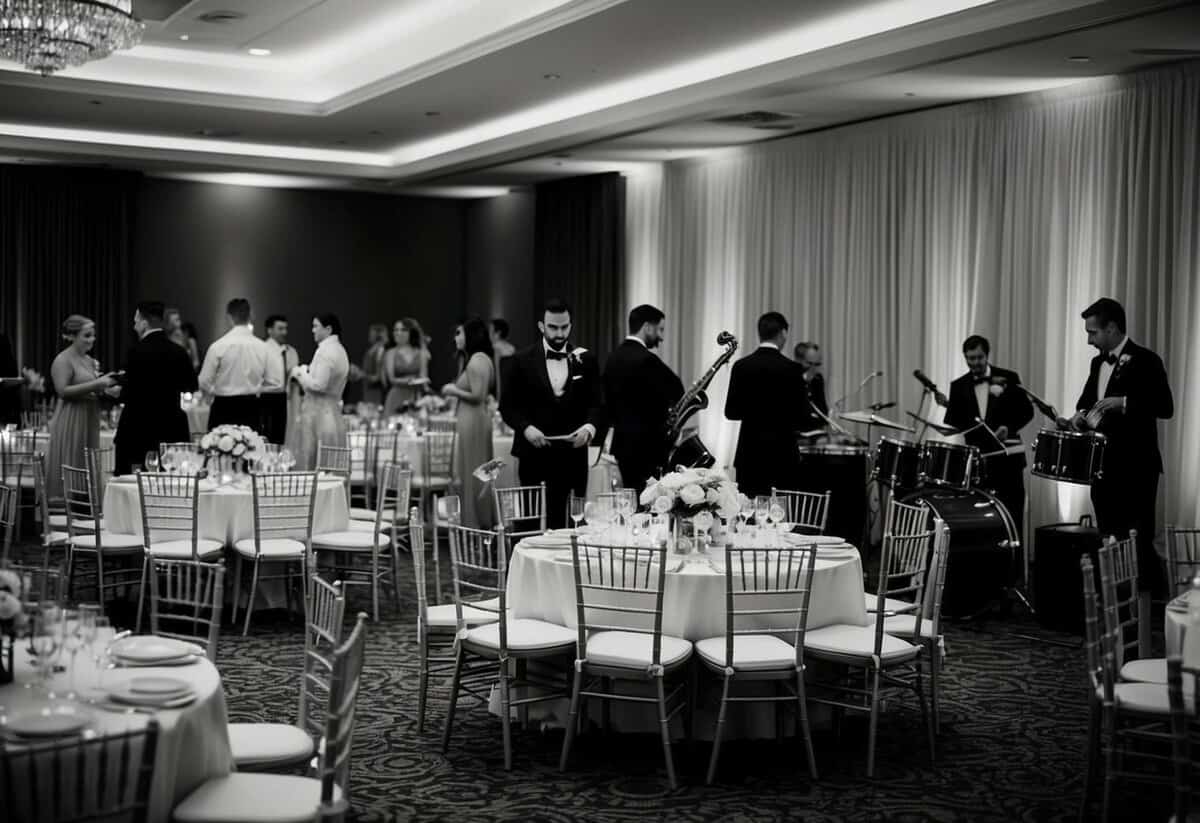
Creating a wedding reception that truly reflects your style and desires is important. You can customize your event by incorporating various entertainment options, aligning with your personal preferences, and establishing a relaxed atmosphere for your guests.
Incorporating Entertainment Options
Entertainment can elevate your reception and make it memorable. Consider options like live bands, DJs, or even a karaoke setup to engage your guests.
Fun activities you might include are photo booths, magicians, or dancers. Think about interactive experiences that match your wedding theme. For example, if it’s a vintage-style wedding, a swing band can add charm.
Make sure to discuss your entertainment choices with your wedding venue to ensure they can accommodate your requests.
Personal Preferences and Wedding Themes
Your reception should reflect your personal taste and wedding theme. If you dream of a rustic celebration, consider incorporating wooden decor and fairy lights.
Think about colors, flowers, and table settings that resonate with your vision. If your theme is a beach wedding, light fabrics and seashell accents would work well. Every detail, from the catering to the playlist, should align with your personal style.
Discussing these choices with your partner is essential, as it’s a day for both of you.
Creating a Relaxed Atmosphere for Guests
Fostering a comfortable environment helps guests enjoy your celebration. Consider the layout of your reception area; provide ample seating and space for guests to mingle.
Using soft lighting can create a warm atmosphere. You might add cozy lounge areas or even outdoor seating if your venue allows it.
Offer a selection of beverages and light snacks upon arrival. This can help guests feel welcomed right away.
By focusing on comfort and enjoyment, you’ll ensure your guests leave with wonderful memories of your special day.
Planning for Guests and Logistics
As you plan your wedding reception, it’s essential to think about your guests and the logistics involved. A larger guest list can add complexity, and consulting with a wedding planner can help manage those details. Additionally, considering an after-party can impact your reception length.
Managing a Larger Guest List
When you have a bigger guest list, the layout and flow of your reception become important. Ensure there is enough space for seating, dancing, and mingling.
Consider using a seating chart to help guests find their places easily. A clear plan can keep things organized and avoid confusion. Also, think about food options. Buffet style can work well for larger groups as it allows flexibility and variety.
Consulting with a Wedding Planner
A wedding planner can be a valuable resource, especially with a longer reception. They can help create a timeline that fits your vision while ensuring everything runs smoothly.
From coordinating vendors to managing the guest list, a wedding consultant can alleviate stress. They can offer insights on the best ways to handle logistics, like timing for speeches or the cake cutting. Their experience is useful for making your reception enjoyable for everyone.
The After-Party Consideration
An after-party extends the celebration and can be a fun option for guests who want more time together.
Consider this if you have a lot of energy left after the main reception.
Plan the location and transition carefully. Make sure guests know where to go and what to expect.
This could be a casual gathering or a more organized event, depending on your style.
It’s a perfect way to keep the festivities alive without overwhelming your original schedule.