
Is 5 Months Too Fast to Plan a Wedding? Tips for a Last-Minute Celebration
Planning a wedding is an exciting journey, but it can also feel overwhelming, especially with a short engagement. Many couples wonder if they can plan a wedding in just five months.
The good news is that planning a wedding in five months is definitely doable with the right organization and focus. While some may find it challenging, breaking down the tasks into manageable steps can help you stay on track. You can have a beautiful wedding even with this tight timeframe by prioritizing what really matters to you and your partner.
As you dive into the wedding planning process, remember to stay flexible and keep communication open. You’ll need to make quick decisions, especially regarding your venue and guest list. With determination and a solid plan, your dream wedding can come together in just a few months!
Setting Your Wedding Date
Choosing your wedding date is an essential step that can influence the entire planning process. This decision affects your venue, vendor availability, and guest attendance. It’s important to think carefully about this choice as it sets the tone for your special day.
Importance of Picking the Right Date
Your wedding date impacts many aspects of your celebration. Booking venues and important vendors often depends on your chosen date. Popular dates, especially weekends or holidays, can fill up quickly.
If you want to plan your wedding efficiently, decide on your date early. This will ensure you secure your first choices for locations and services. Think about how the date fits within your engagement length and your personal schedule.
Considering Seasonality and Significance
Seasons can greatly affect your wedding vibe. Spring and summer often provide beautiful outdoor settings, while fall and winter offer cozy indoor options. Think about the weather and how it aligns with your vision.
Many couples also choose dates that have personal significance, like anniversaries or meaningful moments. This can make the day even more special. Weigh the seasonal beauty against any emotional ties when selecting your date to create the perfect atmosphere.
Short Engagement Challenges
Planning a wedding with a short engagement can come with unique challenges. For instance, you might face limited venue and vendor options. Many popular spots book out months in advance.
You’ll also need to be organized to stay on track with your timeline. Prioritize tasks like booking your venue and sending out save-the-dates as quickly as possible. You may need to be flexible with details like style or guest list size.
Organizing the Essentials

When planning a wedding in five months, it’s crucial to focus on the essentials. You need to keep your priorities straight to ensure everything is ready on time. Here are key areas to consider: the venue, key vendors, and your budget.
Choosing the Perfect Venue
Selecting your wedding venue is one of the first steps. Look for a place that fits your style and can accommodate your guest list. Popular options include banquet halls, outdoor gardens, or even community centers.
Consider availability. Many venues book up quickly, especially during peak seasons. Contact venues to check open dates. If you have a specific date in mind, be prepared to be flexible.
Visiting the venue is important. Walk through the space and imagine your ceremony and reception. Ask about included services, such as tables, chairs, and decorations. If you’re unsure about decor, a wedding planner can provide valuable insights.
Securing Key Vendors
After settling on a venue, it’s time to secure your major vendors. These include your photographer, DJ, florist, and caterers.
Start by researching local wedding vendors who are available on your date. Reviews can be very helpful here.
Contact them to check their availability and organize meetings. This step is crucial to lock in your preferred choices. Have a list of questions ready for each meeting. You’ll want to discuss pricing, services offered, and any hidden fees.
Also, ask to see portfolios or menus. These details can help you decide if they are the right fit for your wedding. Remember, good communication with your vendors is key to staying organized.
Setting a Realistic Budget
Creating a realistic budget is essential for planning your wedding. Start by listing all potential expenses, including the venue, catering, attire, and decorations.
Categorize costs into essentials and nice-to-haves. This will help you prioritize where to allocate your funds. Be sure to account for deposits required by venues and vendors.
Make use of spreadsheets or budgeting apps to track your spending. Staying organized will help you avoid overspending. Be open to adjusting your plans if certain aspects exceed your budget. Flexibility can lead to new ideas and help you stay within your limits.
Attire and Aesthetic Details
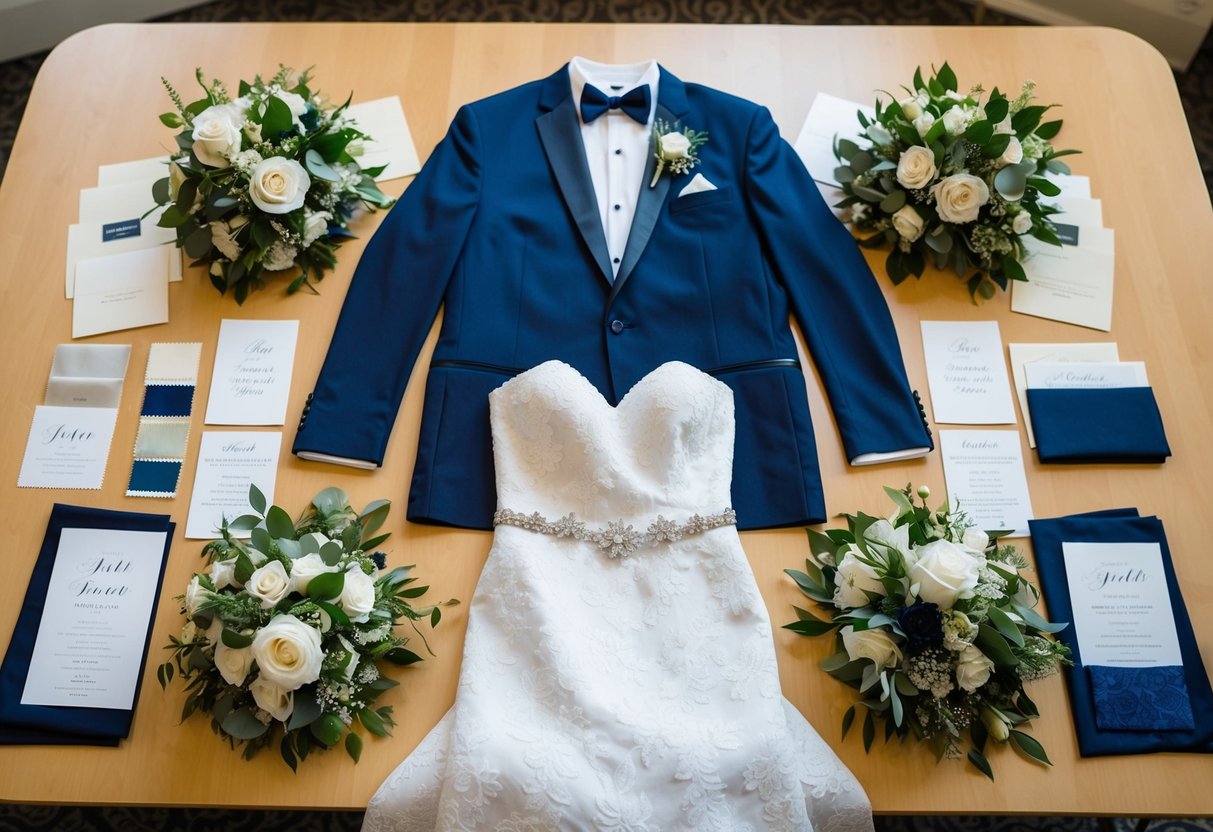
When planning your wedding, attire and decorations play a huge role in setting the mood and making your day special. From selecting the perfect dress to designing stunning decorations, every detail counts.
Selecting Your Wedding Dress and Attire
Choosing your wedding dress is one of the most exciting parts of planning. Start by considering your personal style. Do you prefer a classic look, or something more modern?
Tips:
- Budget: Set a budget early to narrow down your options.
- Style: Research different styles like A-line, ball gown, or mermaid.
- Fabric: Think about weather-appropriate fabrics such as chiffon for warm weather or satin for cooler days.
Don’t forget to involve your bridal party when selecting their attire. Coordinate colors and styles to ensure everyone looks great together. This can enhance the overall theme and vibe of your wedding day.
Designing Your Decorations
Decorations will transform your venue and create a beautiful atmosphere. Consider your wedding theme and how decorations can reflect it.
Important Elements:
- Flowers: Choose seasonal blooms that fit your color scheme.
- Table Settings: Think about centerpieces, linens, and place settings. Simple arrangements often have the biggest impact.
- Lighting: Incorporate warm lighting or fairy lights for a magical touch.
Also, make sure your wedding bands and engagement ring complement your overall aesthetic. This attention to detail will make your day even more memorable.
Final Preparations

As your wedding day approaches, you’ll focus on important final preparations to ensure everything runs smoothly. You’ll need to manage your guest list, secure your marriage license, and coordinate key events like the rehearsal and ceremony.
Managing Invitations and Guest List
Start by finalizing your guest list. This can involve sending out Save the Dates if you haven’t already. Consider using a wedding website to keep your guests informed about details.
Once you have your guest list, order your wedding invitations. Choose a design that reflects your style. Aim to send them out at least eight weeks before the wedding. This gives your guests ample time to respond.
Make a list of who has RSVP’d to keep track. A simple spreadsheet can help manage responses and dietary preferences. Remember, clear communication is key to ensuring all your loved ones feel valued on your special day.
Obtaining the Marriage License
Don’t forget about the marriage license! Each state has different requirements, so check your local office for details. Generally, you’ll need to apply in person and bring valid identification.
It’s best to apply for your license 1-2 months before the wedding. Most licenses are valid for a limited time, so plan according to your wedding date. If needed, gather any required documents ahead of time to avoid last-minute stress.
Some couples choose to attend premarital counseling. Check if your state offers discounts on the marriage license for doing this, as it can save you money!
Coordinating the Rehearsal and Ceremony
With your guest list and marriage license sorted, focus on the rehearsal and ceremony details.
Organize a rehearsal dinner typically one or two days before the wedding. This is a great chance for the wedding party to bond and go over the ceremony flow.
Create a detailed schedule for the wedding day. Include who will be where and when, from hair and makeup to the ceremony start time.
Share this schedule with your bridal party to keep everyone on the same page.
Don’t forget to appoint someone to manage the ceremony, such as an officiant or trusted friend. This person can help ensure everything goes off without a hitch!