
Is 50 Too Old to Get Married for the First Time? Exploring Love at Any Age
Getting married for the first time can feel daunting at any age, but especially when you’re over 50. Society often places certain expectations on marriage, leading many to wonder if they have missed their chance. You can still find love and commit to marriage, even if it’s for the first time after 50.
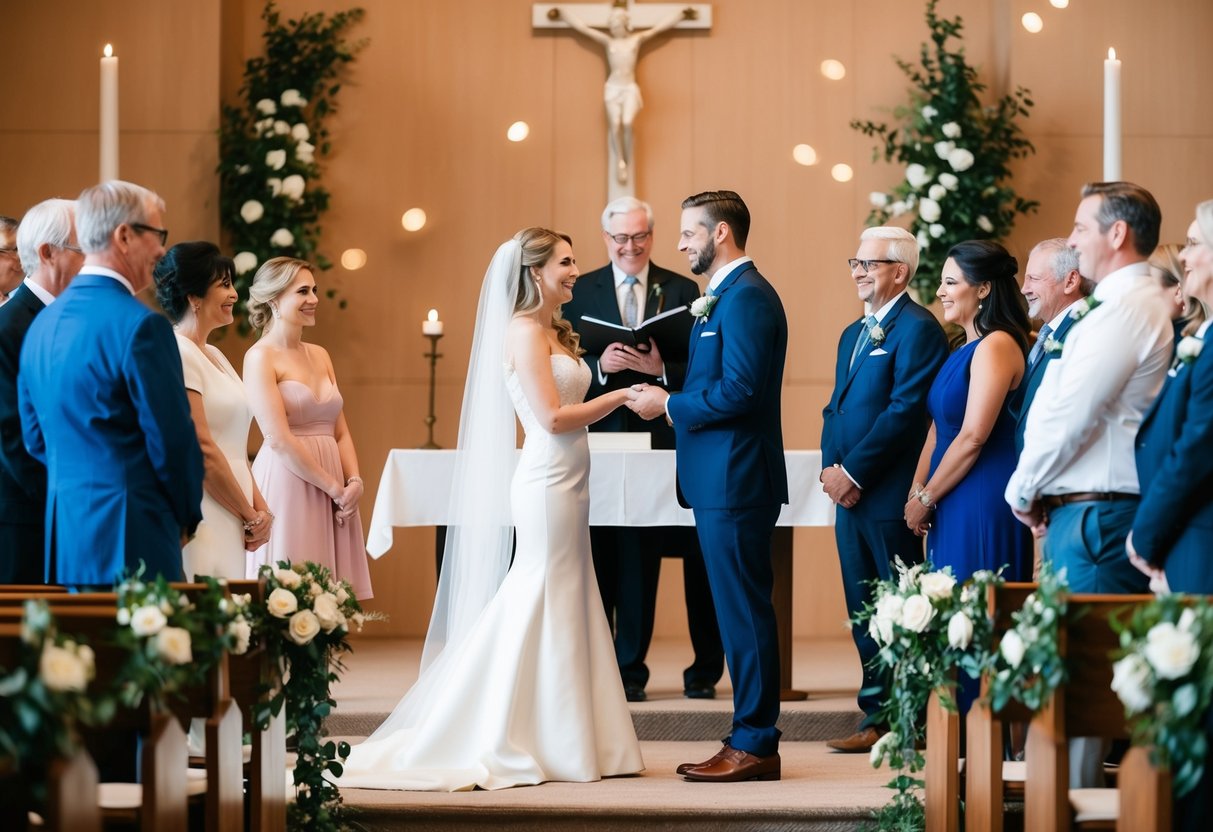
You might be surprised to learn that many people are choosing to marry later in life. This decision can bring joy, companionship, and a fresh start. Embracing a new chapter in your life can be exciting, and there are plenty of reasons why finding and marrying your partner at this age can be incredibly rewarding.
As you consider this journey, it’s important to acknowledge both the challenges and rewards that come with marrying later in life. Understanding the emotional and practical aspects can help you navigate this decision with confidence. Whether it’s celebrating love or planning a wedding that reflects who you are today, the possibilities are endless.
Reevaluating Social Norms and Expectations
Many people today view marriage differently than they did in previous generations. As social norms change, it’s essential to consider how these shifts affect your desire to get married for the first time at 50. Emphasizing personal growth and open communication can reshape your marriage journey.
Cultural Shifts in Marriage Trends
Marriage has evolved significantly in recent decades. People are marrying later, often focusing on career and personal goals first. This trend means that getting married at 50 is increasingly common and accepted.
Research shows that many believe there’s no age limit for love and commitment. About 77% of Americans agree that people never become too old to marry. As a result, you have more freedom to pursue a meaningful relationship without societal pressure.
Personal Growth and Maturity
Reaching 50 often brings a sense of maturity not felt in younger years. You likely have a clearer understanding of what you want in a partner and relationship. Your life experiences can lead to better decision-making.
Open communication becomes crucial in this stage. You can express your fears, needs, and expectations more confidently.
The Role of Life Experience in Relationships

Life experience plays a crucial role in shaping relationships, especially when it comes to marriage later in life. Understanding yourself, effective communication, and financial stability are all influenced by the journey you’ve taken. These elements can greatly enhance your connection with a partner.
Advantages of Life Experiences
Having lived through various situations, you bring valuable lessons to a new relationship. Your past experiences shape your perspectives on love, trust, and commitment. They help you understand what you truly want in a partner.
With age often comes financial stability. Many people in their 50s have established careers and savings. This financial security reduces stress and allows for a focus on building a healthy relationship. You can spend your time enjoying life together instead of worrying about money challenges.
Recognizing past mistakes is another benefit. You have likely learned what doesn’t work, enabling you to establish healthier dynamics. This awareness encourages you to avoid repeating patterns that may have harmed previous relationships.
Communication and Settled Behaviors
Open communication becomes easier with experience. In your 50s, you may feel more confident expressing your thoughts and feelings. This honesty fosters deeper connections and helps resolve conflicts more effectively.
You likely also have settled behaviors and routines. You are more aware of what makes you happy and what doesn’t. This self-awareness allows you to share your needs and expectations with a partner.
Having lived through challenges also enhances your resilience in facing relationship issues. You understand that disagreements are normal and can approach them calmly. By engaging in respectful conversations, you’re more equipped to navigate misunderstandings together.
Planning the Milestone

Planning your wedding for the first time at 50 can be an exciting journey filled with personal touches and memorable moments. You want this milestone to reflect your unique love story. Careful planning will help ensure that your special day goes smoothly and feels just right for you.
Choosing Your Wedding Planner
When selecting a wedding planner, look for someone who understands your vision. A good planner can help reduce stress by managing details like vendor selection, budgets, and timelines.
Make a list of your priorities, such as the venue, theme, and budget, and share this with potential planners.
Ask for references and check their past work. Look for planners who have experience with clients getting married later in life. They might have insights on options that suit your style. Discuss any special requests you have, like incorporating family traditions or personalized vows.
The Significance of the Maid of Honor
The maid of honor plays an important role in your wedding. This person is often your closest friend or family member who will support you during the planning process and be by your side on the big day.
Select someone who knows you well and can help manage details, like dress fittings, and planning your bridal shower.
It’s also a lovely gesture to let them know how much they mean to you. You can share small responsibilities, like organizing pre-wedding events or coordinating with vendors. Having a supportive maid of honor can make the experience more enjoyable. Remember, this person is not just a helper; they are there to celebrate you and your new beginning.
Preparing for a Shared Future

As you consider getting married for the first time at 50, preparing for your future together is essential. A strong foundation built on financial stability and understanding legal protections can enhance your relationship.
Discussing Financial Stability
Financial stability is key to a successful marriage. Before tying the knot, openly discuss your finances. This includes income, debts, savings, and financial goals.
- Create a joint budget: This helps manage expenses together.
- Set financial goals: This can include saving for retirement or future vacations.
Understanding each other’s financial habits can prevent surprises later. You may also want to consider merging some accounts while keeping others separate. This can balance shared and individual financial independence.
The Importance of a Prenuptial Agreement
A prenuptial agreement can be a practical tool for older couples. It outlines each person’s financial rights and responsibilities, helping to prevent conflicts.
- Protecting assets: A prenup can ensure that your savings or property remain yours.
- Debt protection: This can also protect you from your partner’s debts.
Discussing a prenup doesn’t mean you doubt your marriage. Instead, it shows you’re serious about protecting both parties.
Approach the topic together. You can also involve a mediator to keep the conversation positive and fair. This step can help you both feel secure in your shared future.