
Is 500 Words Too Long for Vows? Tips for Crafting Perfect Wedding Promises
When writing your wedding vows, many people wonder if 500 words is too long. The ideal length for your vows is typically between 175 to 400 words. This word count helps keep your guests engaged while ensuring your heartfelt message shines through.
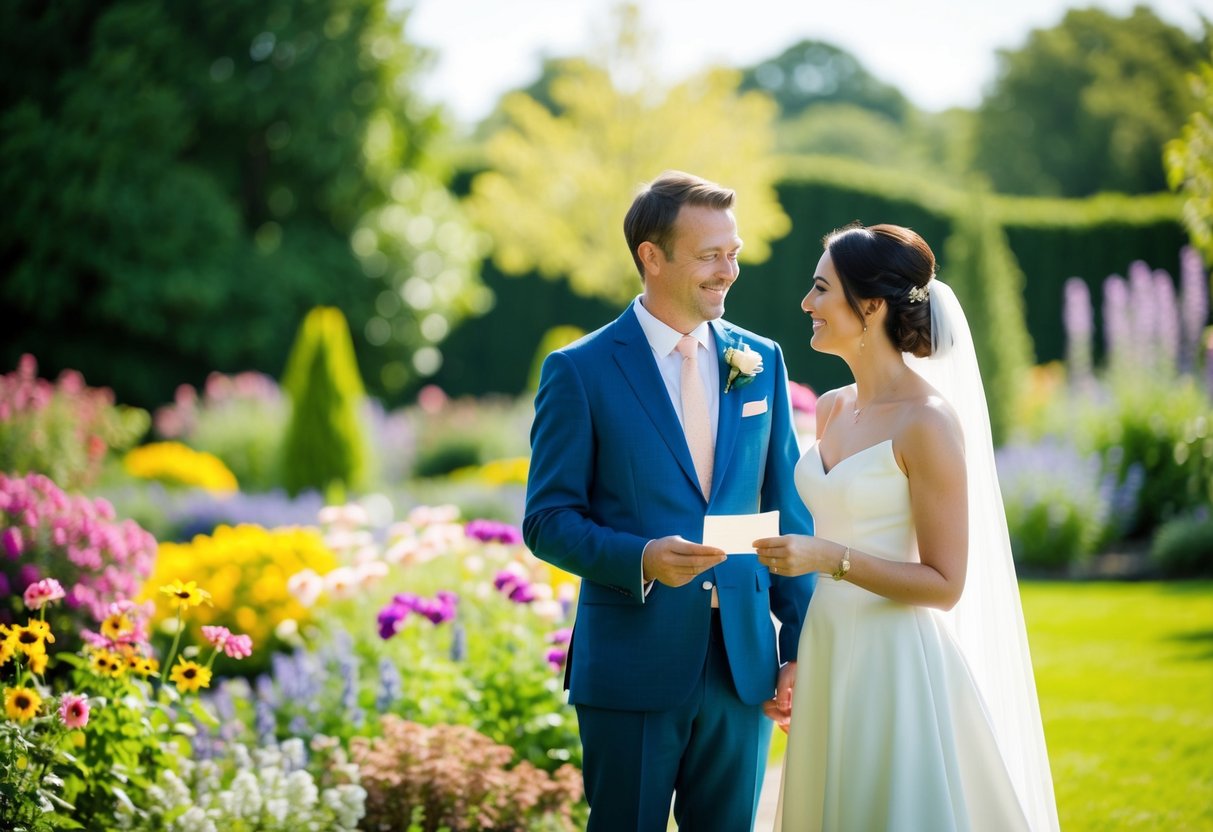
Your wedding vows are a special moment to share your unique love story. It’s a chance to reflect on your relationship and the promises you want to make for the future. By focusing on what truly matters to you, you can craft vows that resonate deeply without overwhelming your listeners.
While length is essential, the most important factor is the sentiment behind your words. Your vows should capture your feelings authentically, allowing you to connect with your partner and your guests. Whether you choose shorter, impactful vows or something more detailed, remember that expressing your love is what truly counts.
Understanding Wedding Vows
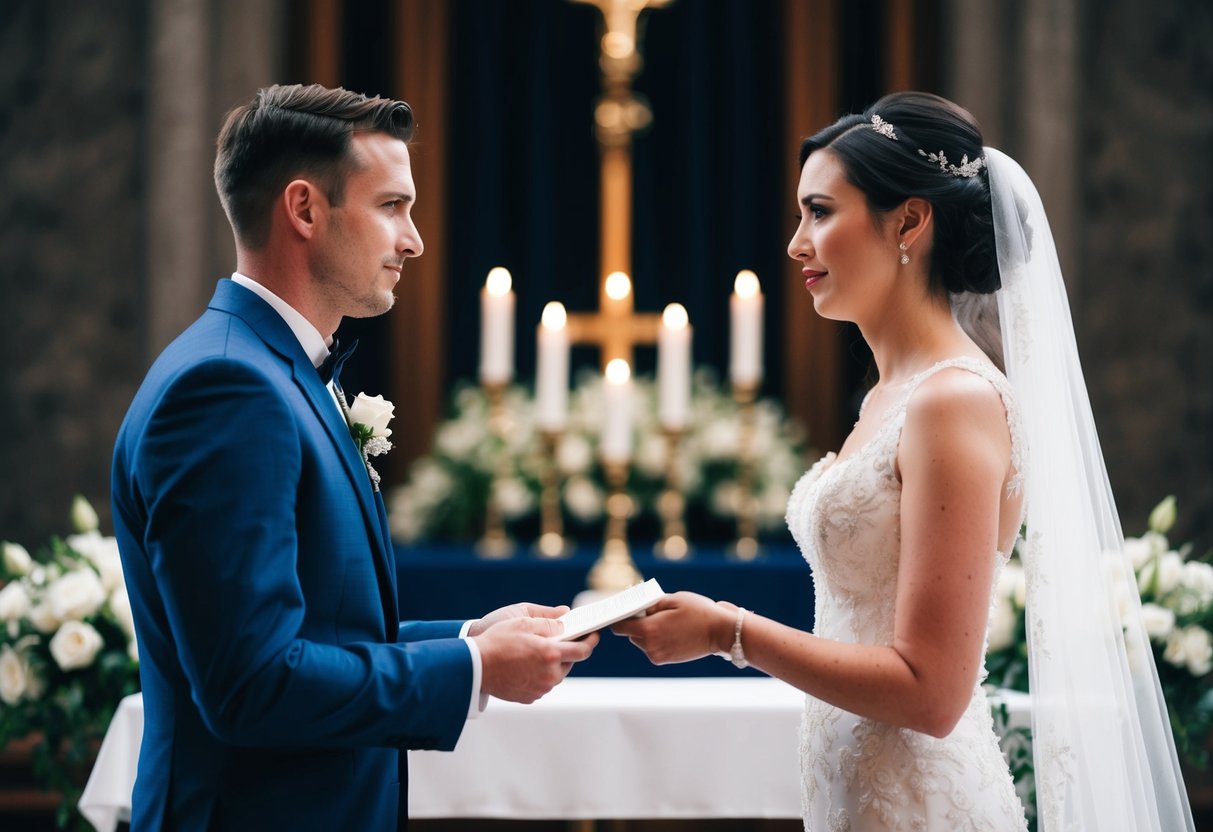
Wedding vows play a crucial role in your ceremony, as they represent your love and commitment. These heartfelt statements can vary widely, both in length and tradition. You’ll find that understanding the significance and history behind these vows can help you create the perfect message for your special day.
The Importance of Wedding Vows
Marriage vows are central to your wedding ceremony. They are the promises you make to each other, showing the depth of your love. These vows often represent the seven promises of marriage, which include commitment, respect, trust, and support. When spoken, they create a powerful moment that unites you and your partner before family and friends.
Choosing your words carefully can convey your feelings in a personal way. Remember, the right vows should reflect who you are as a couple. Aim for sincerity and authenticity, making your vows unique to your journey together.
History of Traditional Vows
Traditional wedding vows have deep roots and vary across cultures. Many cultures include elements of faith, commitment, and devotion. For instance, in Christian ceremonies, vows often focus on love and fidelity.
Over time, these vows have evolved. Historically, they were quite formal and fixed, but today many couples choose to personalize them.
In many Western weddings, traditional vows may include phrases like “for better or for worse.” You can also find more modern takes that express feelings in a more casual tone. Whether you choose traditional or create your own, understanding their history can enrich your ceremony.
Determining the Ideal Vow Length

Finding the right length for your wedding vows is important. You want to express your feelings while keeping your audience engaged. It’s helpful to consider guidelines and personal preferences as you craft your vows.
How Long Should Wedding Vows Be
Wedding vows should typically last about two to three minutes. This translates to around 250 to 300 words. Keeping your vows within this time frame helps ensure that they are heartfelt without being overwhelming. Shorter vows allow for better focus on your emotions and intentions. If you go over 300 words, you risk losing your audience’s attention. Aim to capture your sentiments clearly and succinctly.
Word Count for Wedding Vows
The word count can vary, but most advice suggests staying between 150 and 400 words. This range helps maintain the emotional depth of the vows. If you lean toward 400 words, make sure every word counts and avoids unnecessary fluff. Many experts agree that around 250 to 300 words is ideal for personal wedding vows. This balance lets you reflect your love and commitment while fitting the ceremony’s rhythm.
Factors Influencing Vow Length
Several factors can influence how long your vows should be. First, consider your personality. Are you someone who likes to be more expressive, or do you prefer brief statements?
Next, think about your partner’s preferences. If both of you prefer shorter, more impactful vows, aim for under 300 words.
Also, consider the setting. A casual outdoor ceremony might feel different than a formal church wedding.
Lastly, remember to practice your vows. Reading them aloud can help you gauge their length and emotional impact. Adjust accordingly to find your ideal wedding vow length.
Writing Your Own Vows

Crafting your own vows adds a special, personal touch to your wedding. It allows you to express your feelings and promises uniquely. This section covers how to add that personal connection and resources to help you with the writing process.
Personal Touch in Vows
Writing your own vows gives you the chance to share your story. Think about what you cherish most about your partner.
You can include specific memories or moments that made your relationship strong. Mention things like inside jokes or shared dreams.
Tips for personalizing your vows:
- Start with a declaration of love.
- Share a significant story or memory.
- Include promises that matter to both of you.
Keep your vows heartfelt but concise. Aim for around 250-500 words to ensure they feel genuine while holding your guests’ attention. Shorter vows can be just as powerful if they capture your emotions.
Vow Writing Workshops and Resources
If you’re uncertain about where to start, consider joining a vow writing workshop. These workshops provide guidance and tools to help you shape your thoughts into meaningful words.
Many offer exercises that help you explore your feelings. Some even provide templates and examples to inspire you.
There are also several wedding vow books available. These books can guide you in writing your vows. They often include sample vows and writing prompts.
Look for local workshops or online resources that fit your schedule. Online platforms can also connect you with writing groups, making it easier to find support.
Final Thoughts and Presentation

When it comes to wedding vows, the emotional impact matters more than length. You want your words to connect with your partner and resonate with your guests. Here are some important aspects to consider.
Emotional Impact Over Length
Your vows don’t have to be long to be meaningful. Focus on your feelings and commitments instead of reaching a specific word count.
Aim for around 150 to 300 words, which usually takes about 1 to 2 minutes to speak. This duration keeps your guests engaged and allows your words to shine.
Emotional vows often stick with your audience. Share personal stories or feelings that show your love and commitment. You can use custom wedding vows to express your unique bond. This approach can create a memorable moment for everyone present.
Reading Vows During the Ceremony
Reading your vows during the ceremony can be nerve-wracking, but it’s also a special moment. Make sure you practice beforehand so you feel comfortable.
Your wedding officiant can help guide you through this part. They might suggest standing closely together to create intimacy. Also, consider looking into the crowd occasionally to connect with your guests.
Consider using a small, easy-to-read card. This way, you can share your heartfelt words without losing your place. Remember, the focus should remain on the emotional exchange between you and your partner. A genuine display of love will always resonate more than a long speech.