
Is 55 a Small Wedding? Exploring Intimacy and Celebration Options
When planning your big day, you might wonder if a wedding with 55 guests can be considered a small wedding. A wedding with 55 guests can be considered a small wedding, especially if you are aiming for a more intimate celebration. Smaller weddings create a cozy atmosphere, allowing you to spend quality time with each of your guests, which can make the event feel even more special.
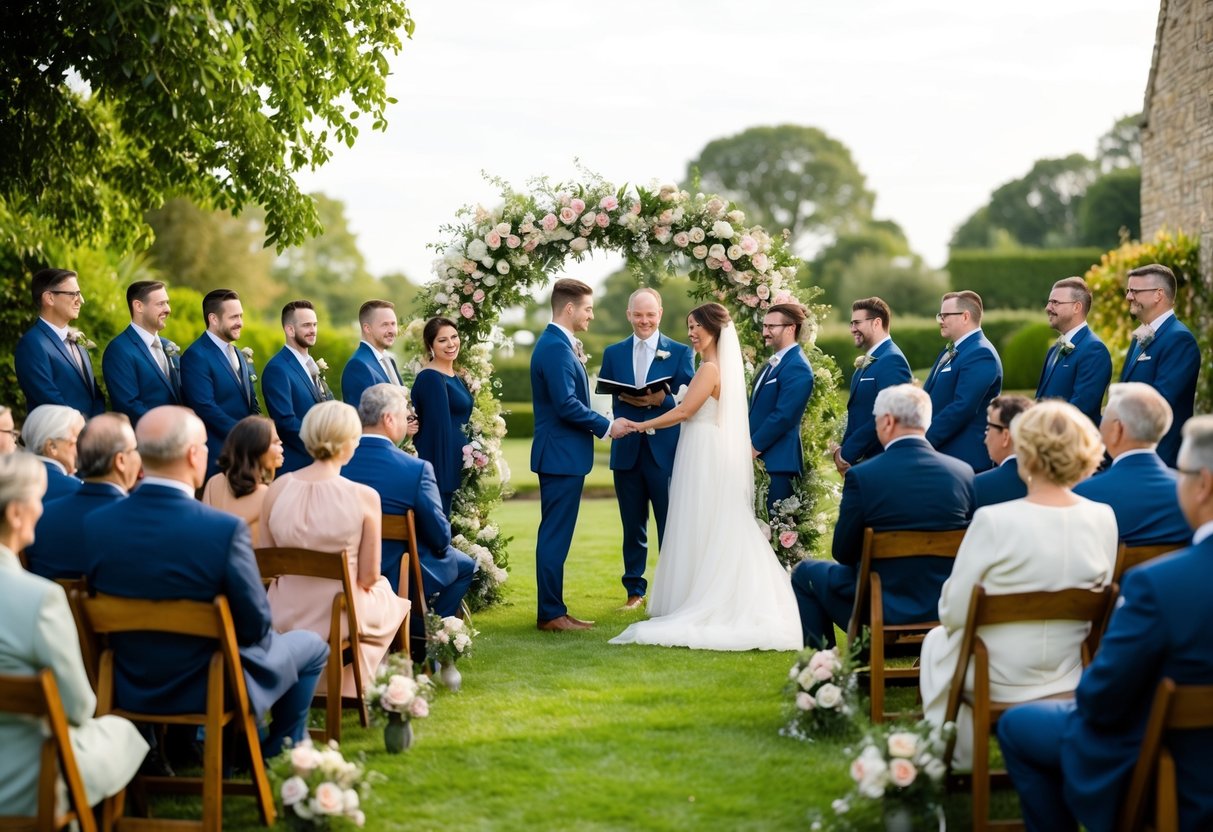
The perfect small wedding often involves a guest list that feels manageable and personal. With 55 attendees, you have the opportunity to create meaningful connections, celebrate together, and enjoy an intimate setting. This guest count sits comfortably between traditional larger weddings and the more minimalistic micro weddings, giving you the best of both worlds.
If you’re leaning towards a smaller, intimate wedding, consider how this size allows for personalized touches that reflect your unique style and vision. You can focus on details that matter most to you, ensuring your day is memorable for you and your loved ones.
Understanding Wedding Sizes
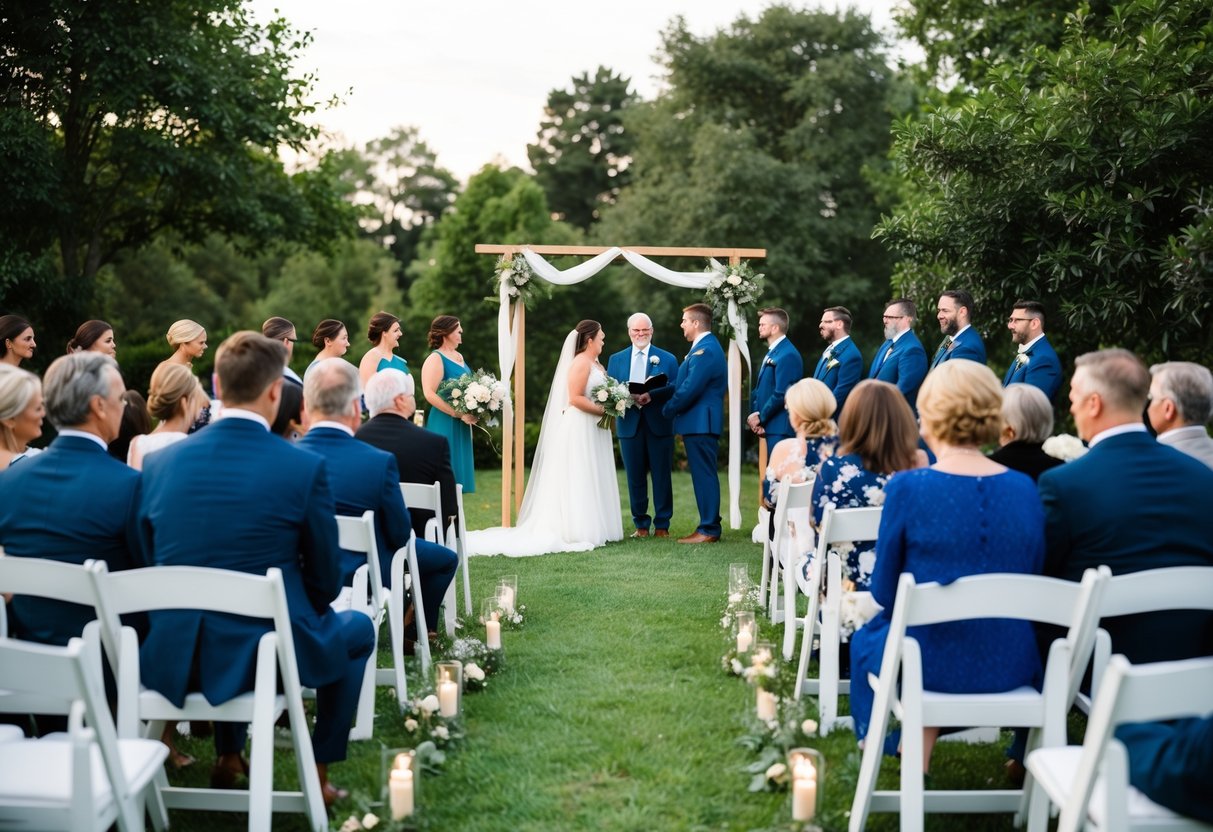
When planning your wedding, knowing the different sizes can help you decide what works best for you. Here, you will learn how to define a small wedding, compare sizes, and understand the importance of guest count.
Defining a Small Wedding
A small wedding is generally considered to have 50 guests or fewer. This size allows for an intimate atmosphere where you can connect closely with your loved ones.
A tiny wedding could have as few as 15 people. This is perfect for couples seeking a simple ceremony, often in a backyard or a small venue.
In contrast, a medium wedding usually includes 50 to 150 guests. This means you would have a larger guest list, but it still feels more personal than a larger celebration.
Comparing Small, Medium, and Large Weddings
Here’s how wedding sizes typically break down:
- Small Wedding: Up to 50 guests
- Medium Wedding: 50 to 150 guests
- Large Wedding: Over 150 guests
Small weddings offer a cozy vibe but require less space and often a more straightforward planning process. Medium weddings allow for a broader guest list, and large weddings provide the biggest party atmosphere.
Choosing between these sizes can affect your venue options, costs, and overall feel of your wedding day.
The Significance of the Guest Count
Your guest count plays a critical role in deciding your wedding size. With a small wedding, you can spend meaningful time with each guest. This setting often leads to a relaxed vibe.
On the flip side, a large guest list can lead to a bigger wedding experience. You may find it harder to connect with each individual, but this can also create a festive atmosphere.
Consider what matters to you when choosing your guest list. Whether you prefer an intimate gathering or a larger celebration, the size will impact your wedding day in various ways.
Planning Your Small Wedding
Planning a small wedding can be a fun and intimate experience. You have the chance to focus on what truly matters, like family and friends, while keeping everything manageable. Here are some key areas to consider as you move forward.
Selecting the Date and Venue
Choosing the right date can affect many aspects of your small wedding. Think about the season, weather, and availability of key guests. You might prefer a special date that means something to you, like an anniversary.
When it comes to the venue, you can get creative! Smaller venues allow for more personal touches. Consider places like your backyard, a local park, or even a cozy restaurant. A civil ceremony could also be held in a simple yet beautiful location, making it unique to you.
Creating Your Guest List
One of the advantages of a small wedding is the guest list. With 55 guests or fewer, you can invite only the closest family and friends. Start by writing down names of people who are most important to you.
When making your list, consider having conversations with family. They may have strong feelings about who should be included. Don’t forget to keep your budget in mind. Limiting your guest list usually means lower costs in catering and venue.
Budgeting Considerations
Budgeting is essential when planning your small wedding. While you might think smaller weddings cost less, this isn’t always true. Carefully consider what you’ll spend on food, drinks, and decor.
Make a list of priorities. Decide what is most important—whether it’s the venue, food, or flowers. It’s often helpful to set aside 10-15% of your budget as a cushion for unexpected costs, ensuring you can cover any last-minute changes.
Pros and Cons of Small Weddings
Small weddings offer several benefits. You can create an intimate atmosphere that allows you to spend quality time with your guests. Planning becomes more straightforward with fewer details to manage.
Yet, there can be downsides. Sometimes, inviting some family members could lead to feelings of exclusion, which you want to avoid. Balancing guest expectations with your vision is key. Overall, knowing what you want can help ensure that your small wedding is exactly what you dream.
Unique Small Wedding Ideas
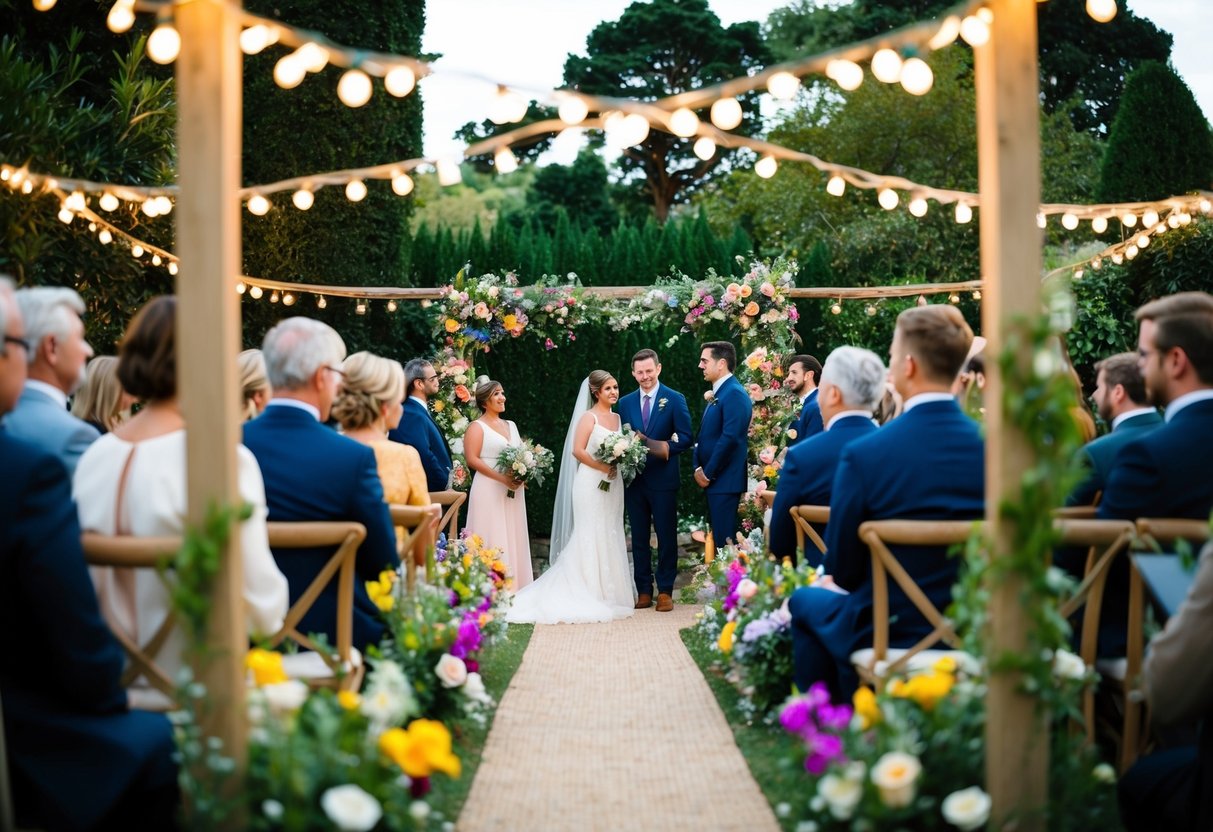
When planning a small wedding, consider unique ideas that enhance intimacy and personal connection. From micro weddings to incorporating virtual elements, you have many creative options to make your celebration special.
Micro Weddings and Minimonies
A micro wedding typically includes 50 guests or fewer, offering a cozy and personalized atmosphere. Focus on what matters most: your relationship and the people you love. You can select a stunning venue, like a garden or a small chapel, that reflects your style.
Minimonies are even smaller, often just for the couple and a witness. This allows for a meaningful ceremony without the stress of a larger event. Consider unique elements like personalized vows or special family traditions to make your celebration unforgettable.
Eloping and Destination Essentials
Eloping is a fantastic way to celebrate your love without the traditional wedding ceremony. You can choose beautiful locations like a beach or a mountain top for a backdrop that feels personal and adventurous.
Destination weddings offer the chance to have a small gathering in a different city or country. Select a location that reflects your personality and interests. This way, your wedding is not only a celebration but also a memorable trip for you and your guests.
Incorporating Virtual Elements
Virtual weddings have grown in popularity, especially as they allow guests to attend from anywhere. You can livestream your ceremony, so loved ones who can’t be there in person can still join in.
Consider creating a digital guest book where friends and family can leave messages. You might also host watch parties or virtual receptions to share your special day. This makes your wedding inclusive, allowing everyone to feel connected despite the distance.
Executing the Perfect Small Wedding Day
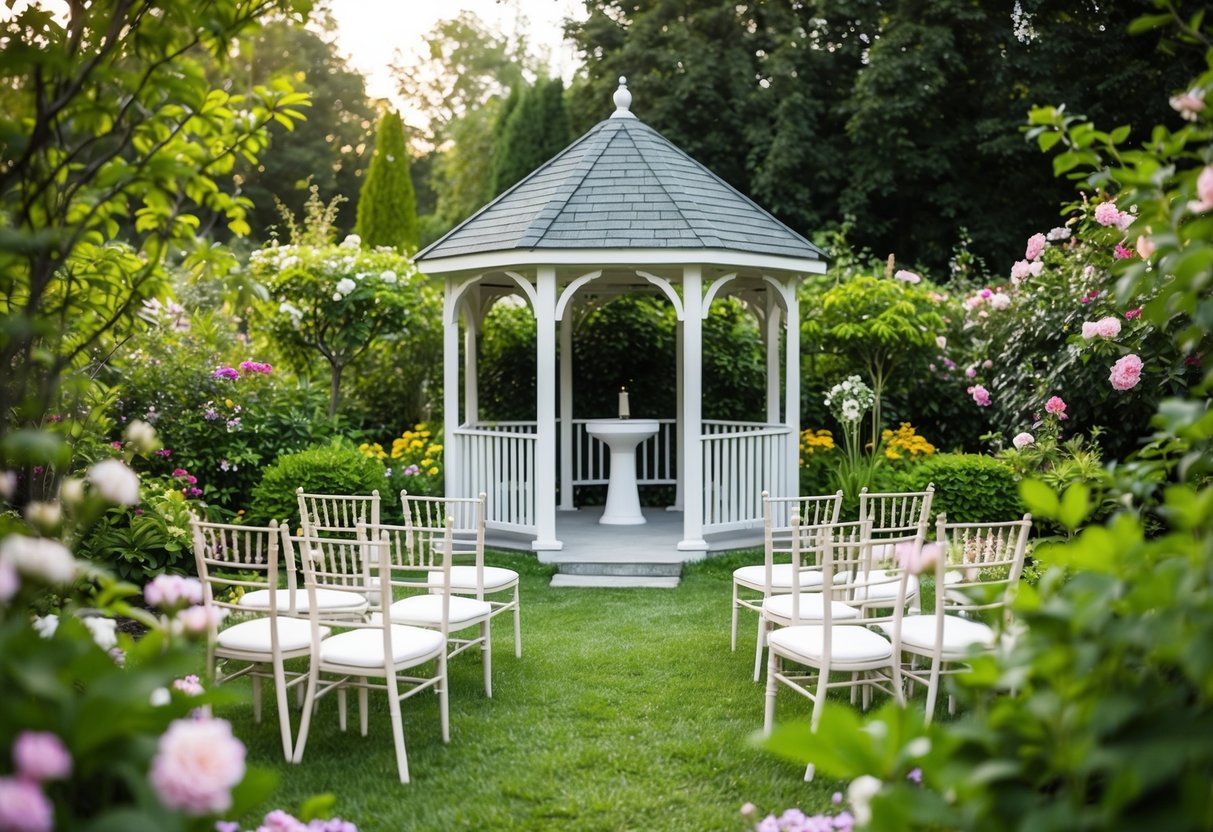
When planning a small wedding, every detail matters. You want to create a lovely atmosphere that reflects your style and fosters connections among your guests. Focus on both the ceremony and the follow-up festivities to make your day memorable.
The Ceremony Details
For your wedding ceremony, choose a location that feels special to you. This could be a backyard, a park, or a cozy venue. With around 55 guests, you can create an intimate setting that feels personal.
Plan your vows carefully. Sharing meaningful words can deepen the connection with your partner and resonate with your guests. Consider involving friends or family members in the ceremony, like having them read poetry or share blessings.
One essential aspect is the seating arrangement. Think about how you want your guests to be seated. A circle setup can encourage closeness and enhance the intimate feel.
Lastly, keep an eye on wedding expenses. Budgeting wisely for elements like flowers, decor, and any special touches keeps the day splendid while still being manageable.
Cocktail Hour and Reception Fun
Cocktail hour and the reception are where you can really shine. Start with a creative drink menu that reflects your personality. Signature cocktails can act as fun conversation starters for your guests.
Since your wedding is small, you can consider interactive stations, like a DIY food or drink station. This can encourage mingling and give a personal touch to the experience.
For entertainment, think about hiring a local band or a DJ who can play your favorite tunes. Create a playlist that includes songs meaningful to you both.
Playing games or arranging a photo booth can also keep the atmosphere lively. This adds a fun element and gives guests memories to take home.
Incorporate small details like personalized place cards and thank-you notes at each table to enhance the experience. These touches show your appreciation for their presence and create lasting memories.