
Is 5pm Evening or Afternoon for Wedding Invitations? Clarifying the Perfect Time for Your Guests
One small detail can stir up a lot of confusion when planning your wedding: 5 PM is generally considered the start of the evening for wedding invitations. This is important to know as it affects how you word your invitation and sets the tone for your big day.
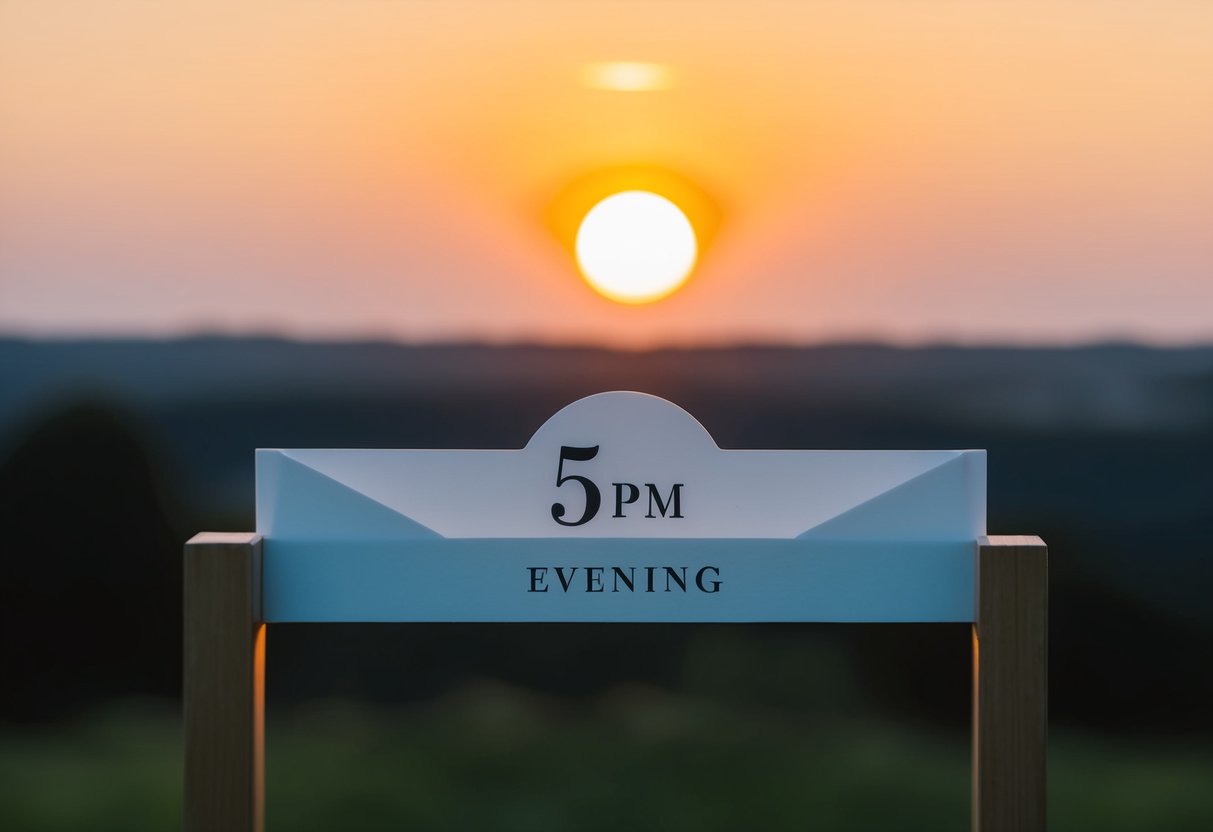
If you’re unsure whether to label your ceremony as an afternoon or evening event, you’re not alone. Many couples wonder where to draw the line, especially when it comes to key moments in their wedding invitation suite. Figuring this out can help you guide your guests on what to expect.
Clarifying the time on your wedding invitations ensures everyone knows what to anticipate. This can make your celebration feel more seamless and enjoyable.
Determining the Right Time to Specify on Your Invitation

When planning your wedding invitation, knowing how to phrase the time can be confusing. This section will guide you on when to specify the time as afternoon or evening, ensuring your guests arrive at the right moment.
Understanding Time of Day for Wedding Events
It’s important to know how to categorize the time for your wedding. The general rules are:
- Morning: Before noon (12:00 PM)
- Afternoon: From noon until 5:00 PM
- Evening: Starts at 5:00 PM and goes until night
Many consider 5 PM as the start of the evening. You might say “at five o’clock in the evening” to avoid confusion. If your ceremony is at 5:30 PM, it’s still appropriate to mention it as evening.
You can safely omit the phrases “afternoon” or “evening” if the time is clear, such as stating “at five o’clock.”
Difference Between Afternoon and Evening Invitations
The distinction between afternoon and evening can affect your invitation’s tone and style. Afternoon weddings tend to be more casual, while evening events often feel more formal.
To clarify:
-
Afternoon invitations: Use clear phrases like “at two o’clock in the afternoon.” This sets a relaxed vibe for your event.
-
Evening invitations: Specify the time with “at five o’clock in the evening” or simply “at five” if it starts at 5:00 PM. This indicates a more upscale atmosphere and dining options may vary too.
Using the right wording helps your guests prepare for the dress code and mood of your celebration.
The Language of Invitations
The way you choose your words on wedding invitations sets the tone for your big day. Different levels of formality can help guide your wording choices, ensuring your guests know what to expect.
Formality and Wording Choices
For formal invitations, you might use traditional wording that conveys elegance. Common phrases include “together with their families” or “request the honor of your presence.” This style is perfect for church weddings or upscale venues.
In contrast, casual invitations allow for more personal touches. You can use a friendly tone, like “join us for a fun celebration.” When writing the time, it’s best to spell it out. For example, write “five o’clock in the evening” instead of just “5 PM” to match the casual, laid-back feel.
Choosing the right language reflects your wedding style, whether it’s a formal affair or a modern celebration.
Guidelines for Numerals and Spelling
When writing the time, remember to keep the language clear and consistent. If your invitation is formal, spell out the time and avoid numerals. Phrases like “noon” or “five o’clock” add a polished touch. This approach is common for formal wedding invitations.
For less formal invitations, you can still spell out the time but can consider using numerals, especially if the vibe is relaxed. Just make sure to keep it modern and easy to read.
Also, pay attention to capitalization. Use capital letters for the first word of your phrases and proper nouns. This attention to detail shows you care about your guests and the occasion.
Additional Details for Your Invitation Suite
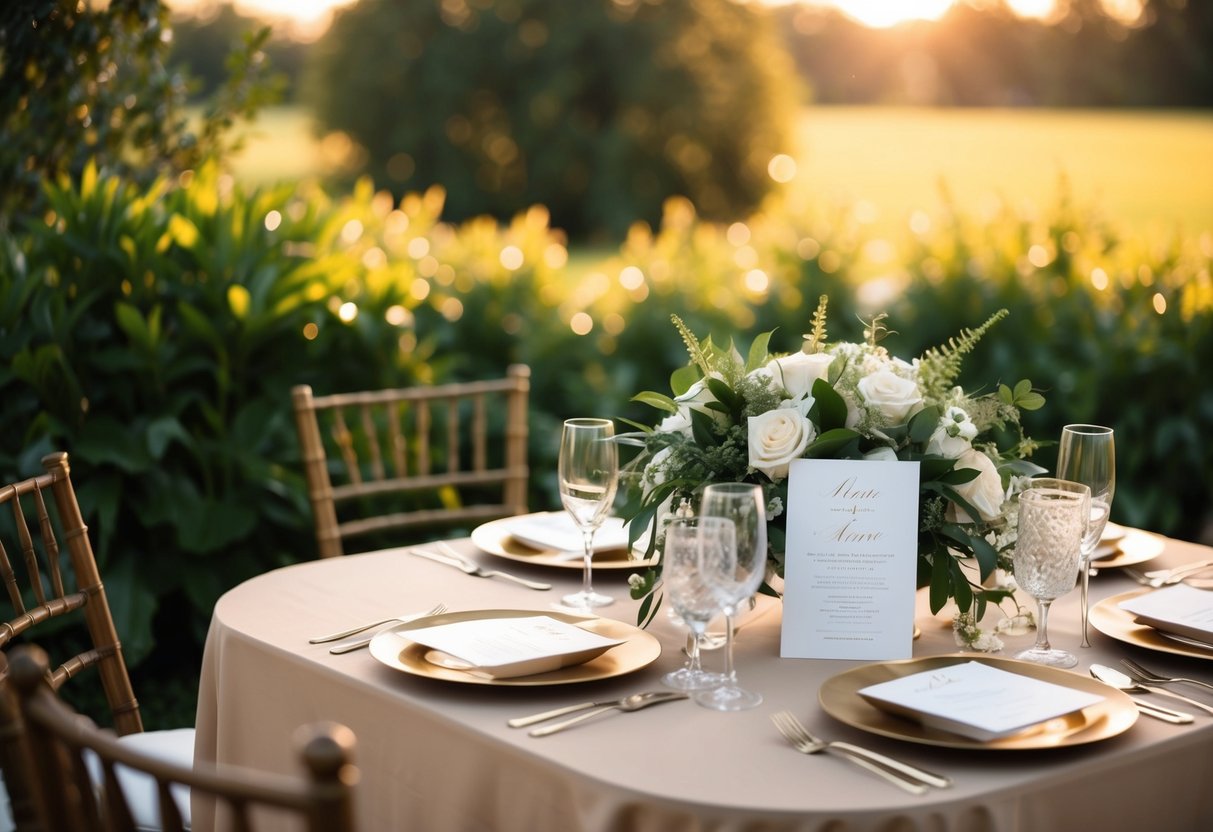
When planning your wedding invitation suite, consider what information you need to share with your guests. It’s important to include specifics about the ceremony and reception, as well as any additional cards that enhance your invitation package.
Reception and Ceremony Specifics
The details of your ceremony and reception are essential. Clearly state the ceremony time and the location. For example, if your ceremony is at 5 PM, you can write it as “Half past five o’clock in the evening.” Remember to spell out the date in a formal way, like “Saturday, the fourth of February.”
If you have a reception to follow, include a line about it. You might say, “Reception immediately following.” This informs guests that there’s more to enjoy after the ceremony. If you’re having a specific dress code, mention it here too. This lets your guests know how to dress based on the formality of the event, whether it’s black-tie, cocktail, or casual.
Extras and Accessory Cards
Include RSVP cards to allow guests to confirm their attendance. Make sure to provide a deadline for replies, helping you finalize numbers for food and seating.
You might also include a reception card if the reception location is different from the ceremony.
Don’t forget about save the dates. These can be sent out early to prepare guests for your wedding day.
Accessory cards add a nice touch to your invitation suite. They can include information about your wedding website, accommodations, or special instructions.
By incorporating these extras, you ensure your guests have all the important information they need for your big day.