
Is 5 PM Late for a Wedding? A Practical Timing Guide
A 5 PM wedding ceremony gives you a late-afternoon start and an evening celebration. A 5 PM wedding ceremony is a practical start time when your photos, dinner, and venue hours fit the schedule.
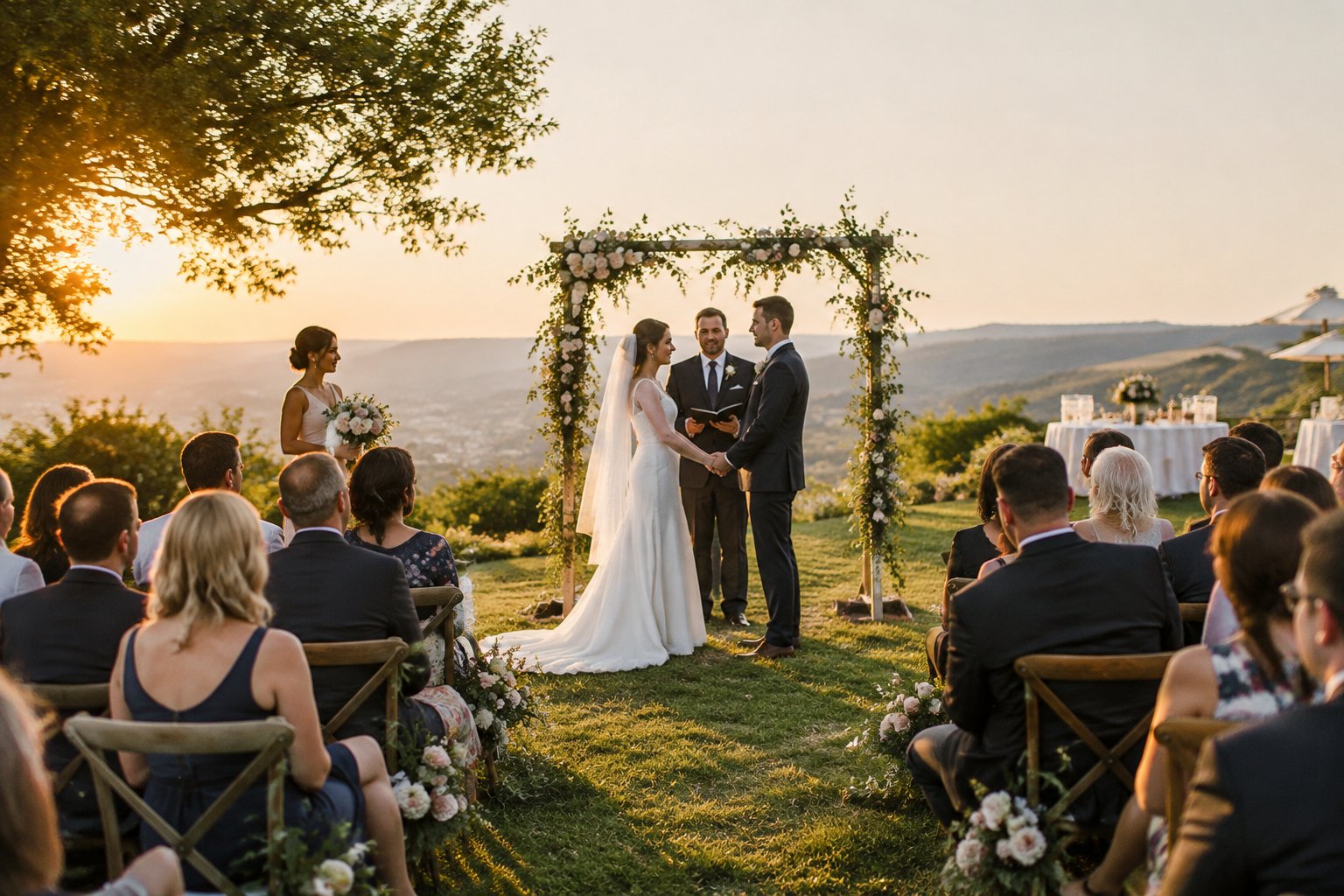
Your date and location shape how much daylight you’ll have, while your reception plans determine how much time you’ll have for dinner and dancing. Check the sunset time for your wedding date, then sketch a schedule that gives you and your guests room to enjoy the celebration. A 5 PM wedding day itinerary can help you picture how the hours might flow.
Is 5 PM a Practical Ceremony Start?
A 5 PM start works well for an afternoon wedding that leads into an evening wedding, especially when you want the celebration to carry through dinner and dancing. Your ceremony length, daylight, and reception end time will shape how relaxed the schedule feels.
Why a 5 PM Start Often Works
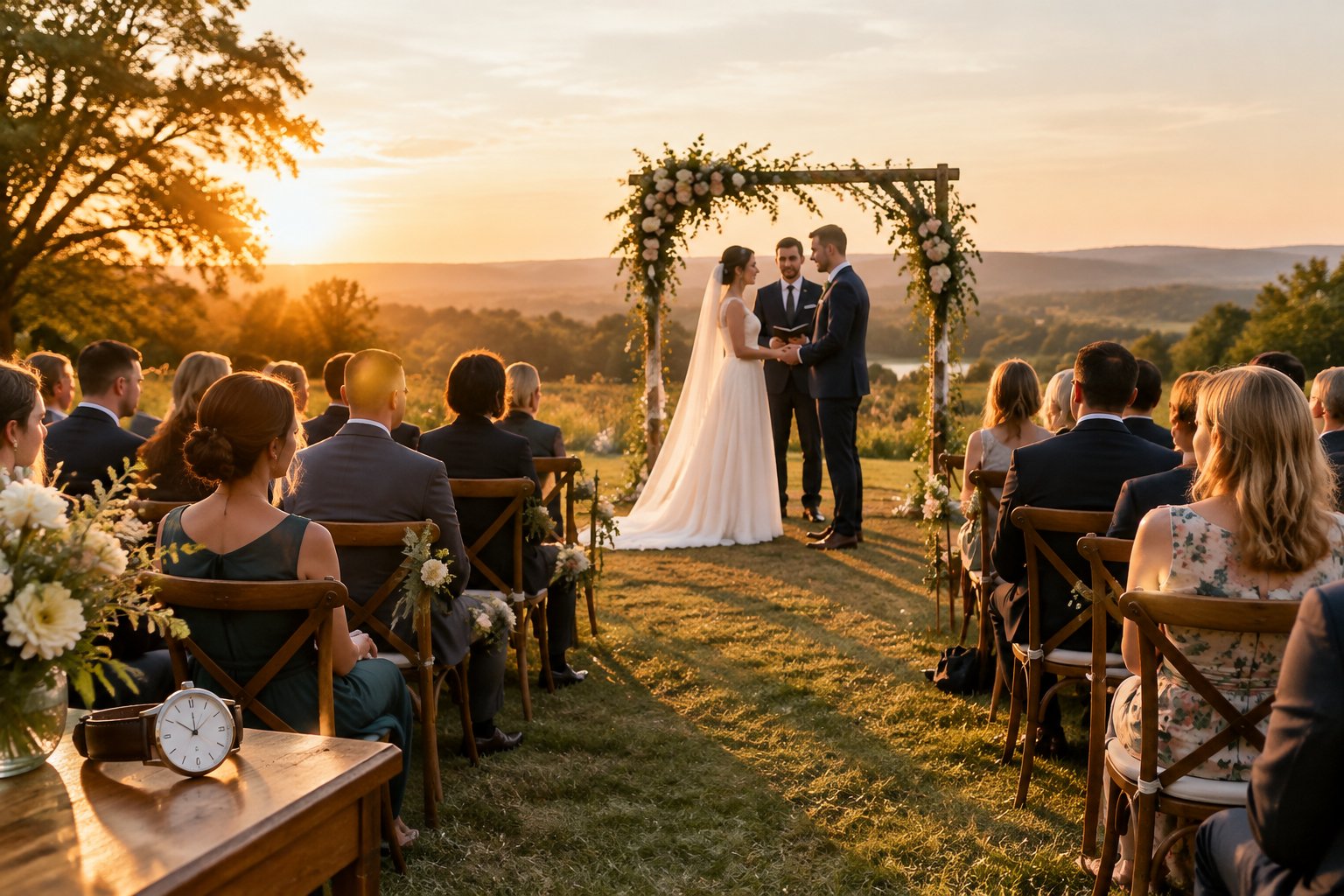
You can use a 5 PM ceremony to move from vows into cocktails and then dinner without asking guests to arrive early in the day. It also gives you a slower morning for getting ready.
For a weekday wedding, an evening start can give guests more time to travel after work. Build the reception timing around your venue’s end time.
If the ceremony lasts about 30 minutes, you could begin cocktail hour around 5:30 PM and plan dinner for early evening. If you want a longer reception, check what makes a good time for an evening wedding against your venue’s closing rules.
How Late Is Too Late for a Wedding Ceremony?
A ceremony starts too late when it leaves too little time for the celebration you want or makes travel and meal timing difficult for your guests. A 5 PM start gives you several evening hours if your venue allows a reception that runs late enough.
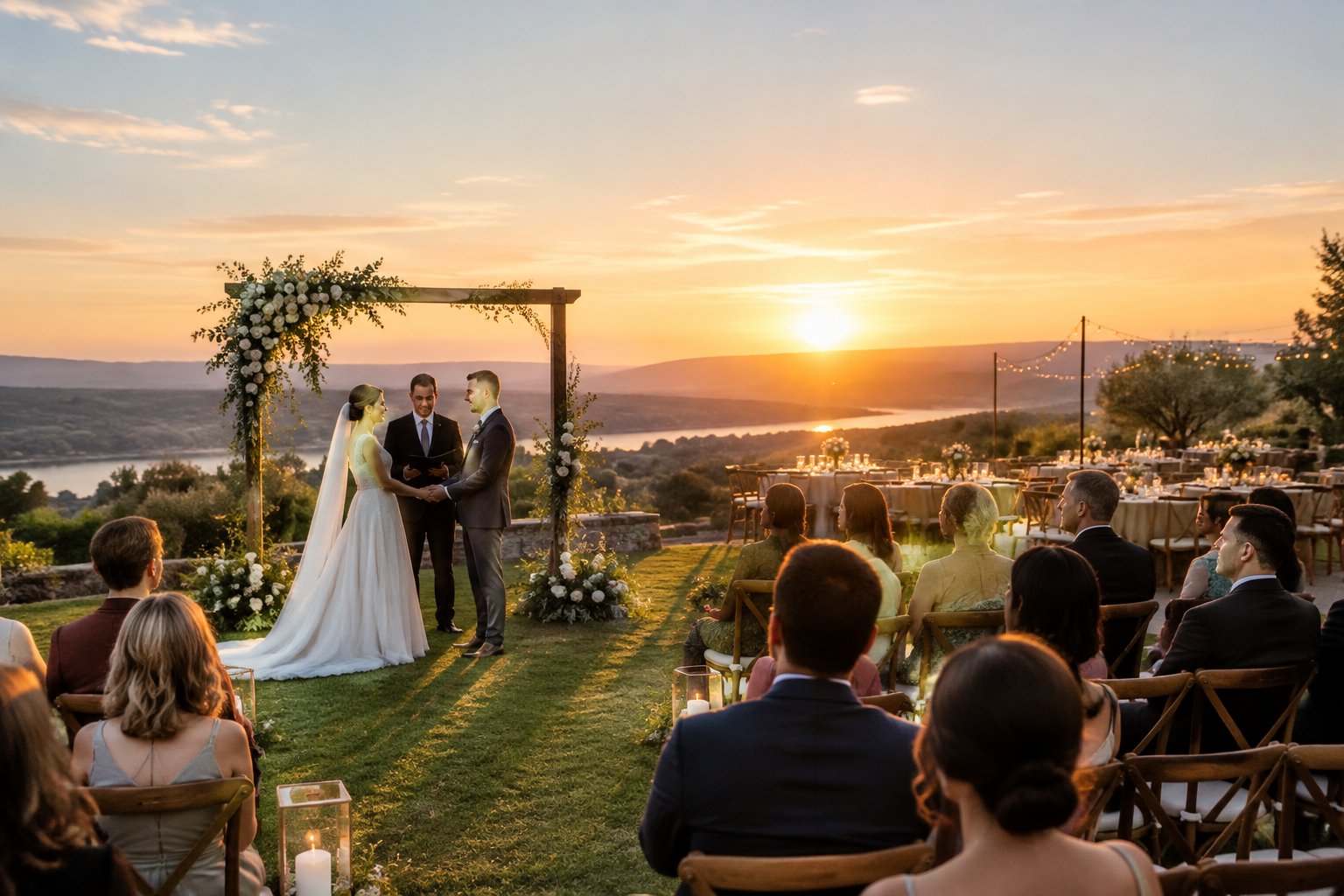
For an outdoor ceremony, compare the start time with sunset. A 5 PM ceremony in summer may leave ample daylight, while a fall or winter date can bring darkness soon after the vows.
If you’re considering a later start, check whether 6 PM is too late for a wedding ceremony against your location and reception plans.
How Should You Build the Evening Timeline?
Build your wedding day timeline backward from the reception end time, then reserve room for photos, guest transitions, and dinner. A clear wedding day schedule keeps the cocktail hour, wedding reception, and first dance from feeling rushed.
When to Schedule Photos and Cocktail Hour
If you want most portraits finished before the ceremony, plan a first look and schedule photos earlier in the afternoon. Your photographer can help set realistic blocks for couple portraits, wedding-party photos, and family groupings.
Give each transition extra time so a delayed photo doesn’t push back the ceremony. Without a first look, you’ll need to fit some portraits into cocktail hour.
Guests can enjoy drinks and appetizers while you take photos, though you may spend less time with them during that part of the day. A wedding timeline helps you map those blocks and share the plan with your vendors.
How to Make Room for Dinner, Dancing, and the First Dance
Plan dinner soon after cocktail hour so guests aren’t waiting too long to eat. For example, a 5 PM ceremony followed by a 30-minute ceremony and an hour of cocktails could put dinner near 6:30 PM.
Your caterer can help set a meal pace that fits your service style. After dinner, schedule toasts, the first dance, and other formal events with time to spare.
If dancing is a priority, open the dance floor early enough to give guests several hours before the venue closes. Include setup and cleanup times when you confirm your rental window.
How Will the Start Time Affect Guests?
A 5 PM ceremony can fit your guests’ plans when you give them clear travel details and prepare for the evening’s weather and meal timing. Their guest experience will depend on travel time, guest comfort, and how easily they can move between the ceremony and reception.
Will Travel and Evening Plans Be Convenient?
A 5 PM start can suit guests who need to travel after work, while a Sunday evening celebration may require an earlier finish for people working the next day. If you’re planning a destination wedding, give guests time to arrange flights, lodging, and local transportation.
Put the ceremony start time on your wedding invitation and add practical details to your wedding website. Include parking instructions, travel time between locations, and any shuttle schedule.
You can also share when guests should arrive at a wedding so they have time to park and find their seats.
How to Help Guests Feel Comfortable
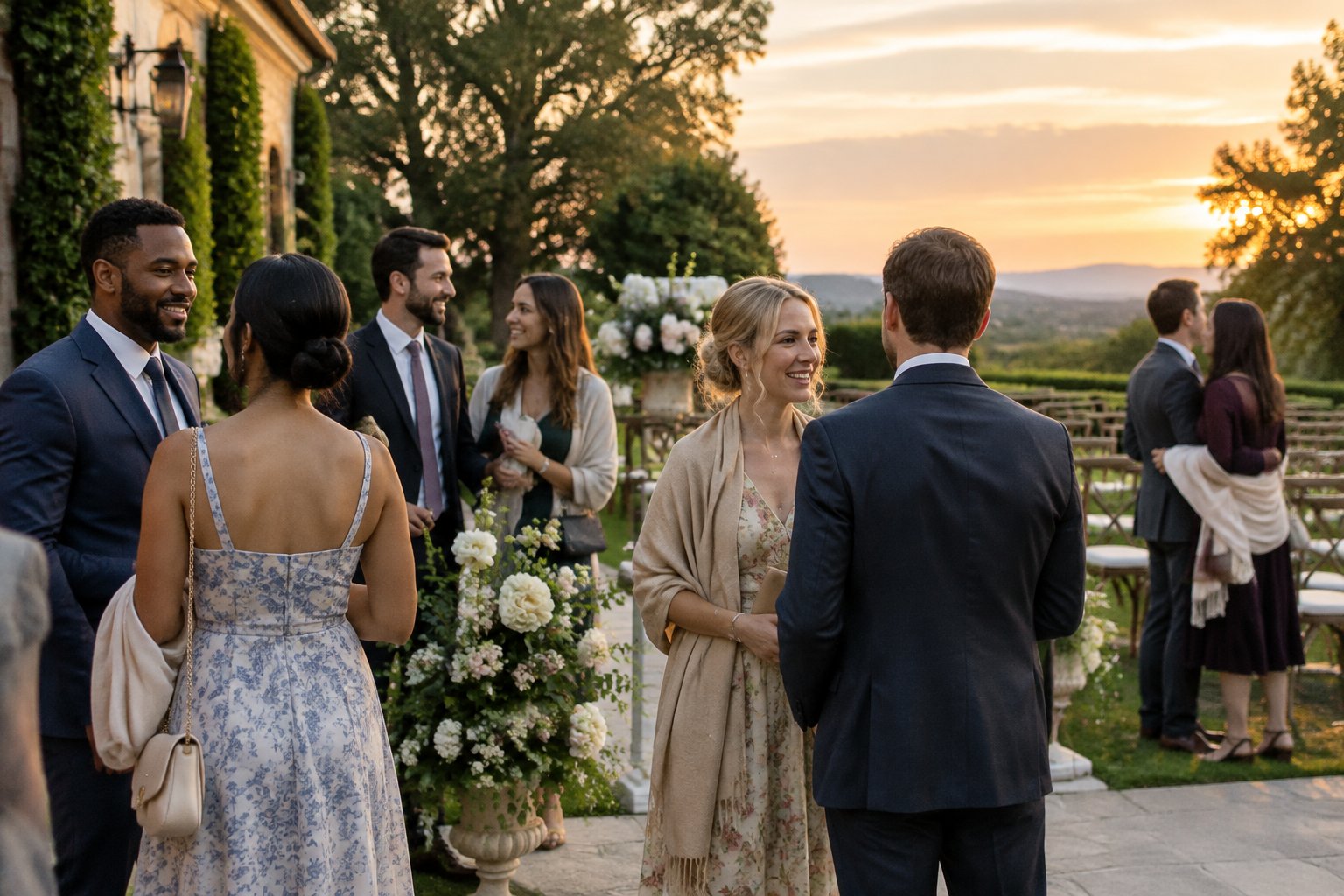
Think about what guests will need while they wait for the ceremony and during the evening. For an outdoor event, provide shade and water in warm weather, or suggest layers when temperatures are likely to drop after sunset.
If dinner begins later, offer filling appetizers during cocktail hour. Clear directions and signs help guests move between spaces without confusion.
If your ceremony and reception take place in different locations, tell guests how long the trip takes and whether you’ve arranged transportation.
How Do Season, Venue, and Vendors Affect the Plan?
Your season, wedding venue, and vendor schedules determine whether a 5 PM ceremony leaves enough light and time for the celebration you want. Confirm the sunset time and venue rules before you set your final wedding day schedule.
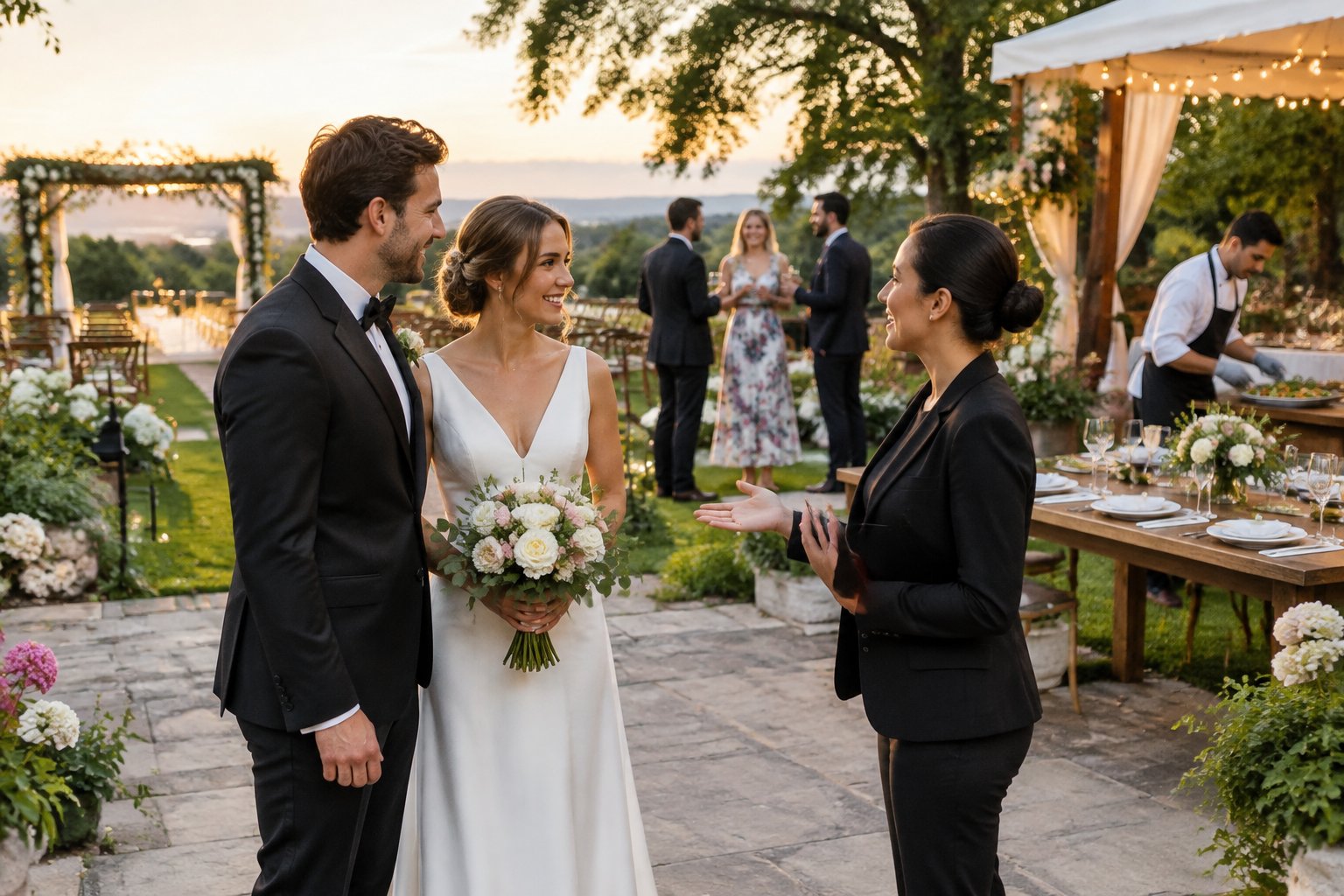
What Changing Daylight Means for Photos
Check the sunset time for your date and location, then talk with your photographer about when to take portraits. Seasonal daylight changes can shift the best photo window by hours.
A first look gives you more control over portraits before the ceremony, especially when the sun sets early. For an outdoor ceremony, consider where the sun will be during the vows.
Direct sun can make guests squint, while low light can affect photos and visibility. Your photographer can help you choose a ceremony spot and build a photo plan around the available light.
Which Venue Rules and Vendor Schedules Should You Check?
Ask your venue when you can access the space, when music must stop, and when the building must be cleared. Confirm whether the ceremony and reception can happen in the same space, and allow time for any room change.
Check vendor availability and service end times with your caterer, photographer, DJ or band, and transportation team. Share one schedule with everyone, including your wedding planner, so each vendor can plan arrivals and transitions around the same timing.
If you’re reviewing venue responsibilities, clarify what a wedding venue manager handles.
When Is an Earlier or Later Ceremony a Better Fit?
An earlier ceremony suits you when you want more daylight, extra photo time, or a longer reception. A later evening wedding fits your plans when you prefer a relaxed morning and a celebration focused on dinner and dancing.
When an Afternoon Ceremony Makes More Sense
Choose an earlier afternoon wedding if your date has an early sunset or you want outdoor portraits in natural light after the ceremony. An earlier start also gives you more room for a long dinner, several formal events, and dancing before your venue closes.
This timing can also help if many guests have young children or need to travel home that night. If you’re weighing an earlier start, consider whether 3 PM is too late for a wedding alongside your ceremony and reception plans.
When an Evening Ceremony Suits Your Plans
An evening wedding suits you when you want a slower start to the day and a lively reception after the vows. A 5 PM ceremony gives you a clear path into cocktails and dinner, with time for dancing if your venue allows a late finish.
Choose your start time after checking the sunset, photo plan, guest travel needs, and vendor hours. Then share the schedule with your wedding planner and vendors so they can coordinate their work around your ceremony time.