
Is 6:30 Too Late for a Wedding Ceremony? Tips for Planning a Timely Celebration
Choosing the right start time for your wedding ceremony is crucial for a smooth wedding day timeline. If you’re wondering whether a 6:30 PM ceremony is too late, the simple answer is no, it’s not too late for a wedding ceremony. Many couples find that an evening ceremony fits perfectly into their plans, allowing for a beautiful sunset backdrop and a more relaxed atmosphere.
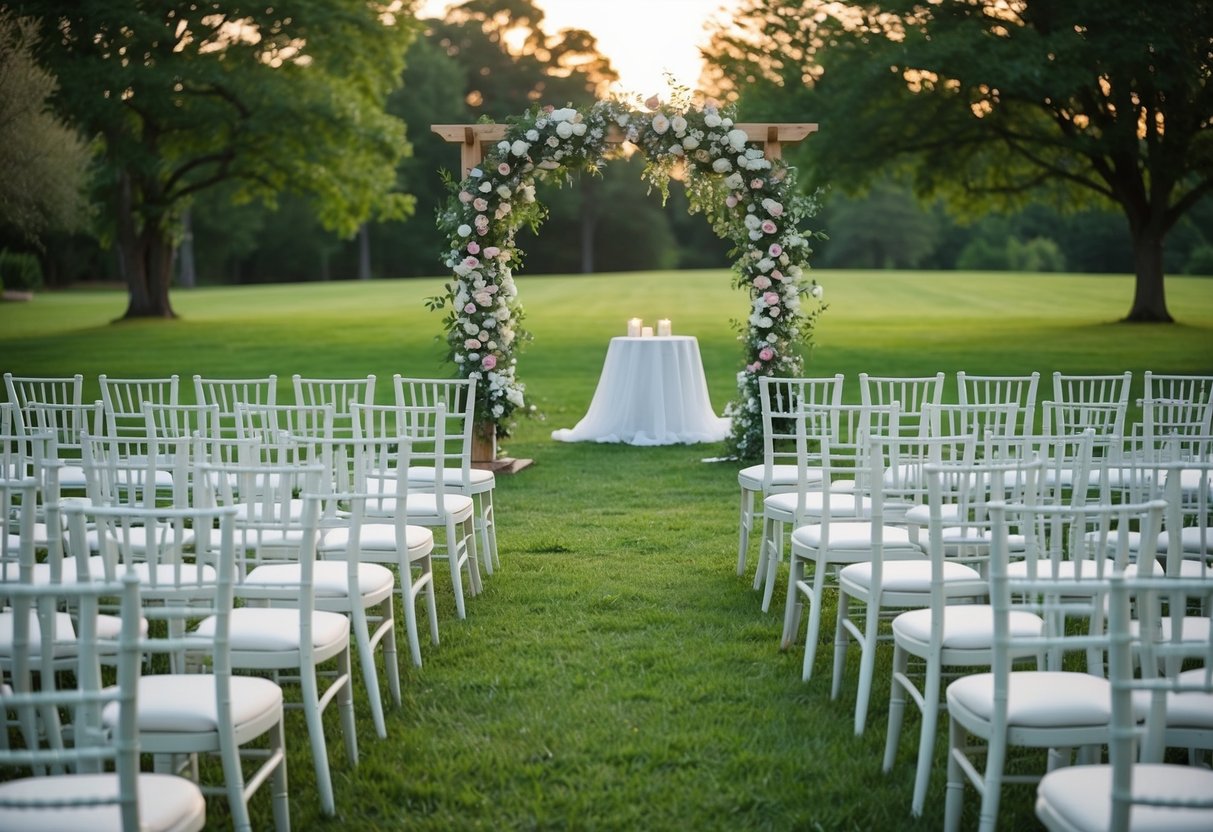
A later ceremony time can also provide benefits for you and your guests. It offers more time for beauty preparations and can be more convenient for those working during the day. Plus, this timing often leads into a fun cocktail hour and lively reception that keeps the celebration going well into the night.
As you plan your big day, consider how a 6:30 PM start can fit into your vision. With careful planning of your wedding day timeline, you can ensure that everything flows smoothly, making your ceremony a memorable experience for everyone involved.
Deciding Your Wedding Ceremony Start Time
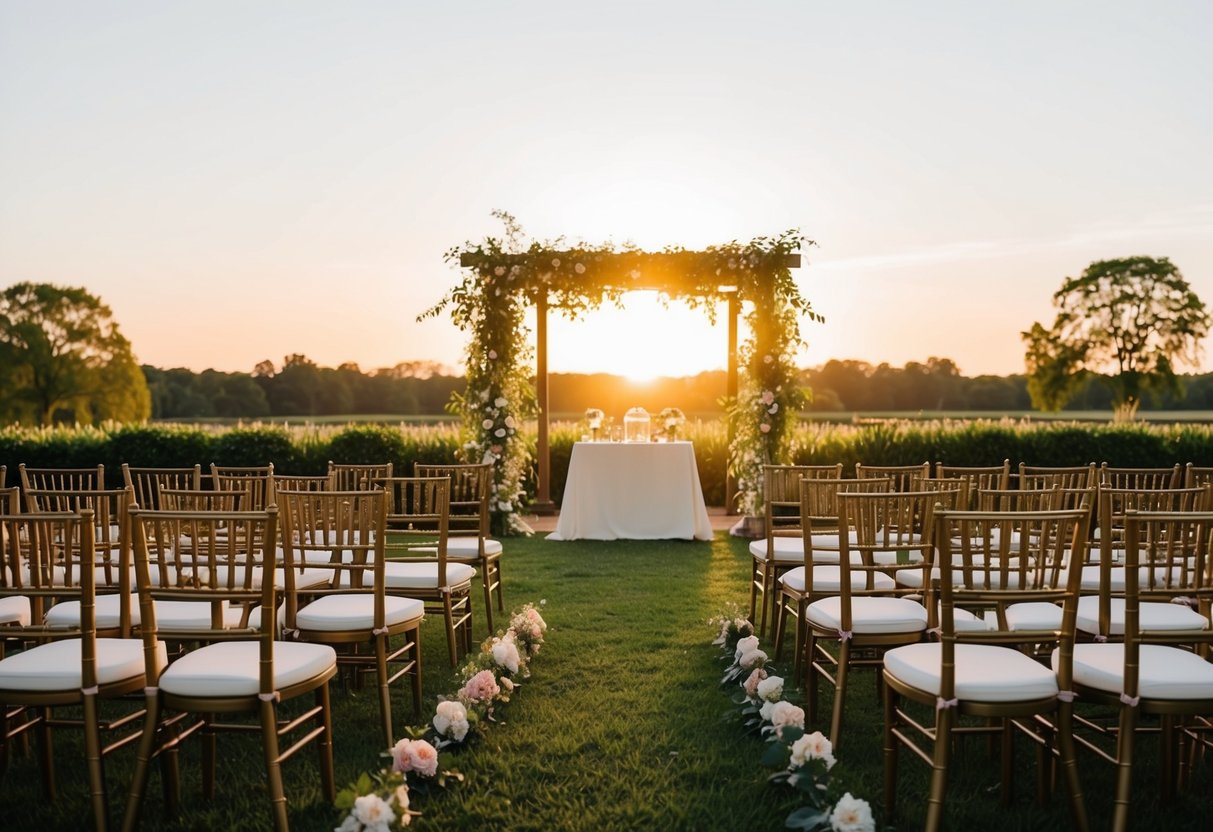
Selecting the right time for your wedding ceremony is essential. It influences everything from the lighting for photos to the comfort of your guests. Understanding the key factors can help you find the perfect start time.
Factors Influencing Ceremony Time
Several elements affect your ceremony start time. One major factor is sunset time. If you’re having an outdoor ceremony, consider planning your start time to ensure you capture the beautiful golden hour for photography.
Next, think about your guests. You want everyone to arrive without feeling rushed. Make sure to allow enough time for travel to your venue.
Also, remember the length of the ceremony. A typical ceremony lasts about 20-30 minutes, so plan accordingly. For instance, if you want your ceremony to end by 6 p.m., consider a start time no later than 5:30 p.m.
Wedding Day Timeline Considerations
Your wedding day timeline is crucial. After the ceremony, you’ll want a cocktail hour to allow guests to mingle while you take photos. This usually lasts about an hour, so plan your ceremony start time to fit this in.
If your reception starts right after, keep in mind that some venues set closing times. For example, if your venue closes at 10 p.m., starting your ceremony at 4 p.m. gives you enough time for everything, including buffer time between each part of the day.
A well-planned timeline will ensure a smooth flow from the ceremony to the reception, making your big day enjoyable for you and your guests.
Wedding Etiquette and Late Afternoon Ceremonies
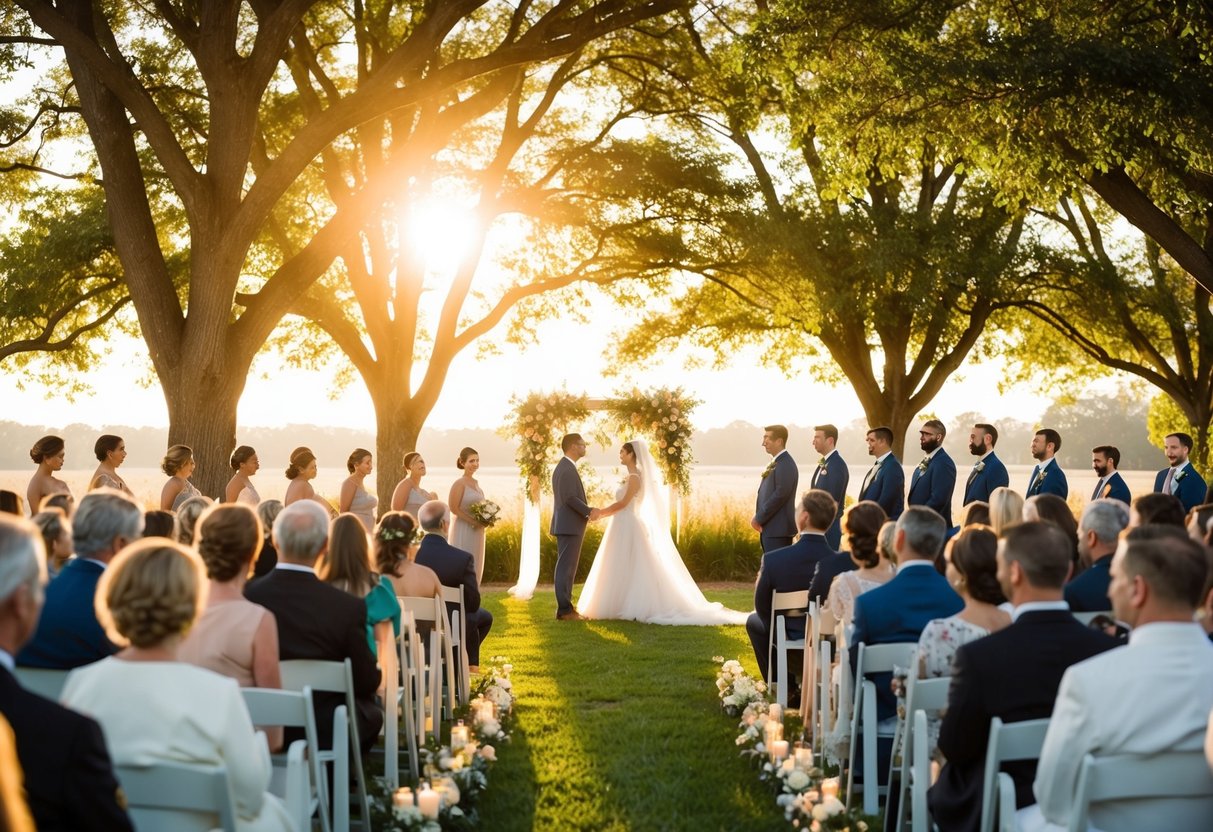
Choosing a late afternoon ceremony time, like 6:30 PM, has special etiquette aspects to consider. It can impact your guests’ experience, especially regarding convenience and comfort.
Traditional Ceremony Times
Traditionally, weddings often begin in the early afternoon. This makes it easier for guests to attend and enjoy the entire day. However, later ceremonies are becoming more popular, especially for evening weddings. A 6:30 PM start allows for a beautiful sunset backdrop, enhancing your photos.
Keep in mind that many guests may have evening plans or travel concerns. This timing may also push your cocktail hour and reception later, which should be communicated clearly on your invitations.
Guest Convenience and Comfort
When planning a 6:30 PM ceremony, think about your guests’ needs. Ensure there is adequate parking available at your venue. Inform guests about parking options in advance.
Consider the seating arrangements as well. If the weather is cooler in the evening, providing blankets or heat lamps can make guests feel comfortable. If dinner follows immediately, be sure that the schedule allows for a smooth transition from the ceremony to the reception.
First Look and Pre-Ceremony Photography
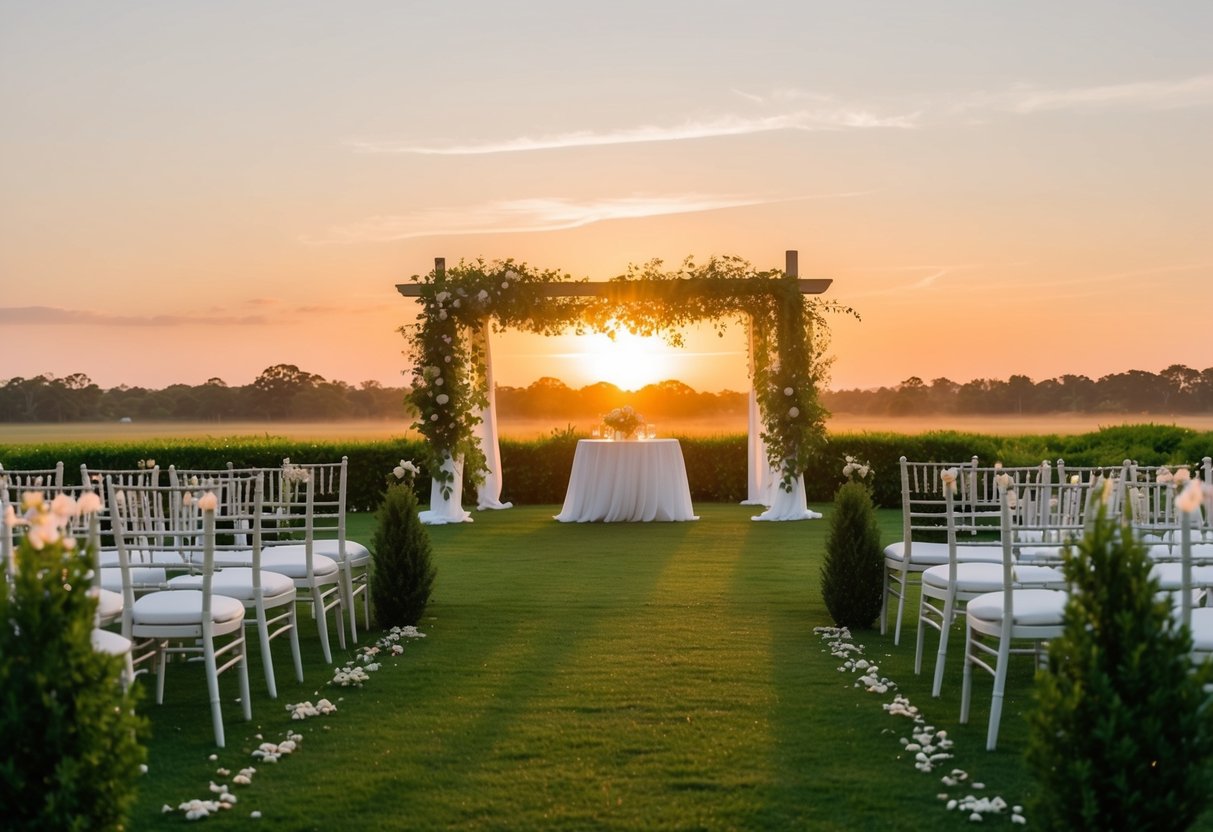
Planning your wedding day includes thinking about the timing of moments that matter, like the first look and pre-ceremony photos. These choices affect the wedding timeline and create special memories.
Scheduling the First Look
Scheduling a first look is a popular choice among couples. It allows you to see each other before the ceremony. This can help ease nerves and set a calm tone for the day. You might consider doing the first look about 1-2 hours before the ceremony.
This allows time for couple portraits and ensures you won’t feel rushed. Talk to your wedding planner about how this fits into your overall wedding timeline. Having a clear plan can help everything run smoothly.
Tip: Many couples find that a first look boosts their excitement. Capture this moment with professional photos to remember the emotions of seeing each other for the first time.
Benefits of Pre-Ceremony Photos
Pre-ceremony photos let you capture those intimate moments without the pressure of guests waiting. You can take your time and enjoy the experience. This time can be used for couple portraits or wedding party shots.
By taking some photos beforehand, you can start your reception on time. Guests won’t have to wait long before the festivities begin. Plus, it helps to maximize your time together before saying “I do.”
Key Point: Coordinating with your wedding planner can ensure that all important shots are taken without feeling rushed. This enhances your wedding experience, creating lasting memories.
Choosing the Right Venue for Your Time of Day
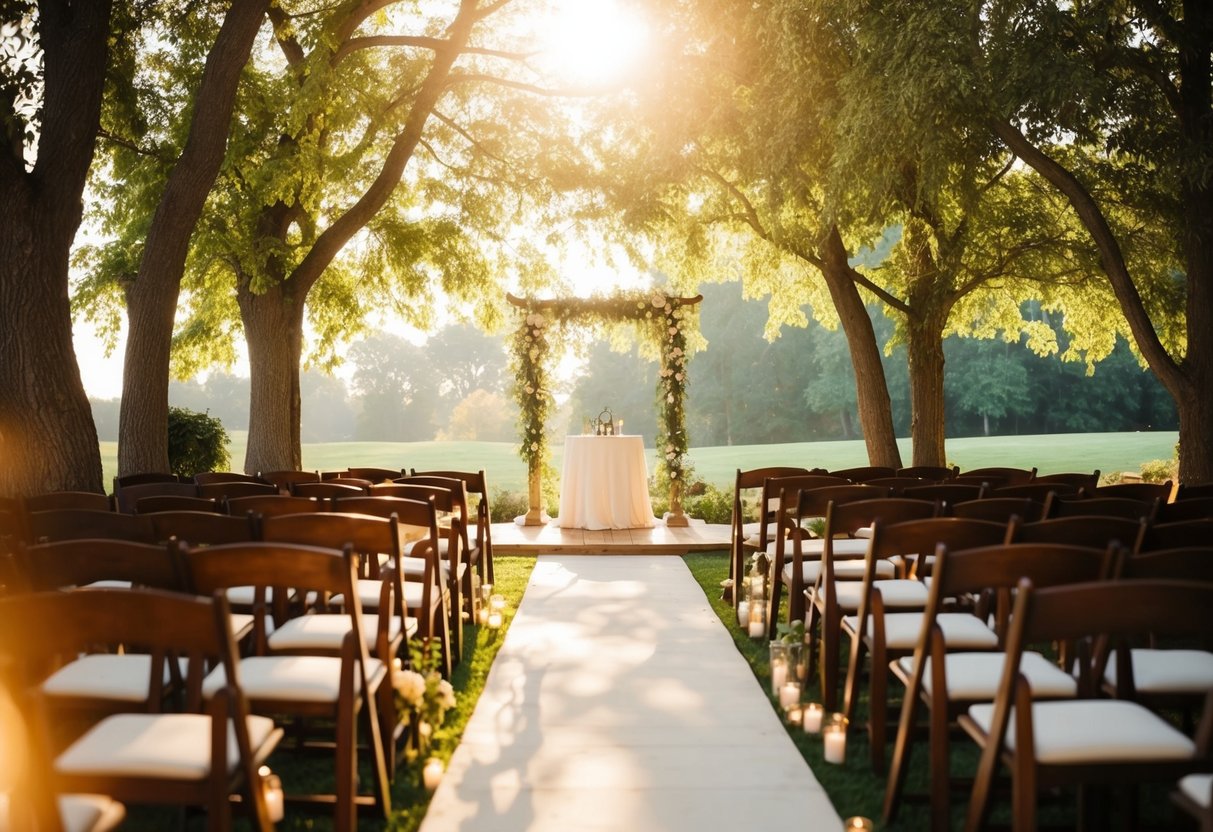
Finding the perfect venue for your wedding ceremony is key, especially when considering the time of day. The venue impacts not just the atmosphere but also how well your day flows. Here are some important factors to keep in mind.
Venue Availability
When planning your ceremony time, check the availability of your desired venues. Many popular wedding locations get booked quickly, especially during peak seasons.
-
Make a list of your top choices. Look for venues that can host both your ceremony and reception. This can save time for you and your guests, reducing travel between locations.
-
Flexible timing is helpful. If you want a 6:30 p.m. ceremony, ensure the venue can accommodate it. Some places might have restrictions on evening events.
-
Contact venues early. This gives you the best chance to secure your preferred date and time. Confirm their policies about catering and other services that might affect your timeline.
Evening Wedding Ambiance
An evening wedding can create a magical setting. The right venue enhances this experience.
-
Consider lighting. Venues with beautiful lighting options, like string lights or candles, create a romantic atmosphere once the sun sets.
-
Think about the layout. Ensure the venue allows for a smooth flow from the ceremony to the reception. This helps your guests enjoy the evening without confusion.
-
Outdoor vs. indoor. If you’re considering an outdoor ceremony at 6:30 p.m., check the sunset time. Make sure the venue has adequate lighting for photos and guest comfort.
Choosing a venue that matches your ceremony time and desired vibe will make your special day unforgettable.