
Is 6:30 Too Late to Start a Wedding? Tips for a Perfect Evening Ceremony
When planning your wedding, the start time of the ceremony can feel like a big decision. Many couples wonder if a 6:30 PM ceremony is too late. The good news is that a 6:30 PM start time is generally considered acceptable for an evening wedding. Evening ceremonies can create a romantic atmosphere and offer a beautiful backdrop as the sun sets.
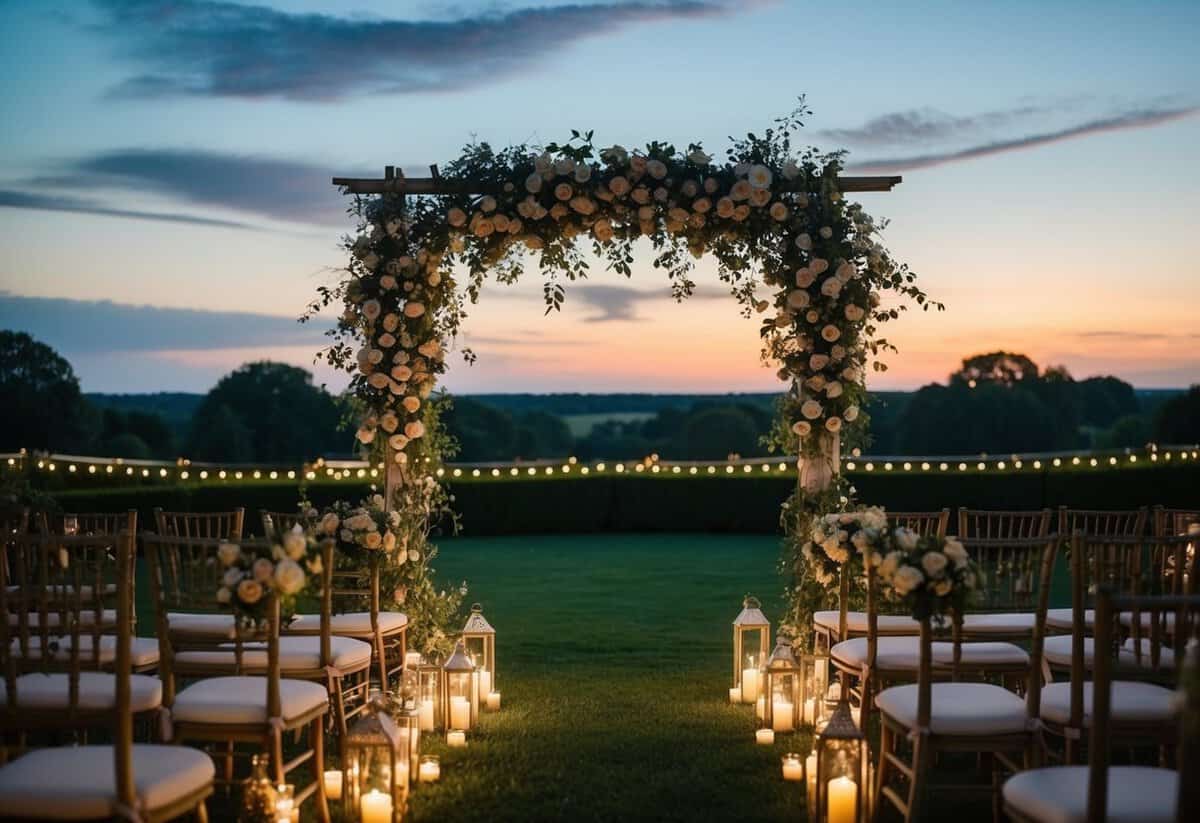
You might worry that guests will feel rushed or that the evening will drag on, but you can plan around this with a thoughtful timeline. Many successful weddings start around this time, allowing for a cocktail hour and a lively reception to follow. With the right planning, a later start time can lead to a memorable night for everyone involved.
So, if you’re leaning towards a 6:30 PM ceremony, rest assured you’re in good company. This popular choice can be just as dazzling as any earlier time, giving you and your loved ones plenty of time to celebrate.
Evaluating the Ideal Wedding Ceremony Start Time
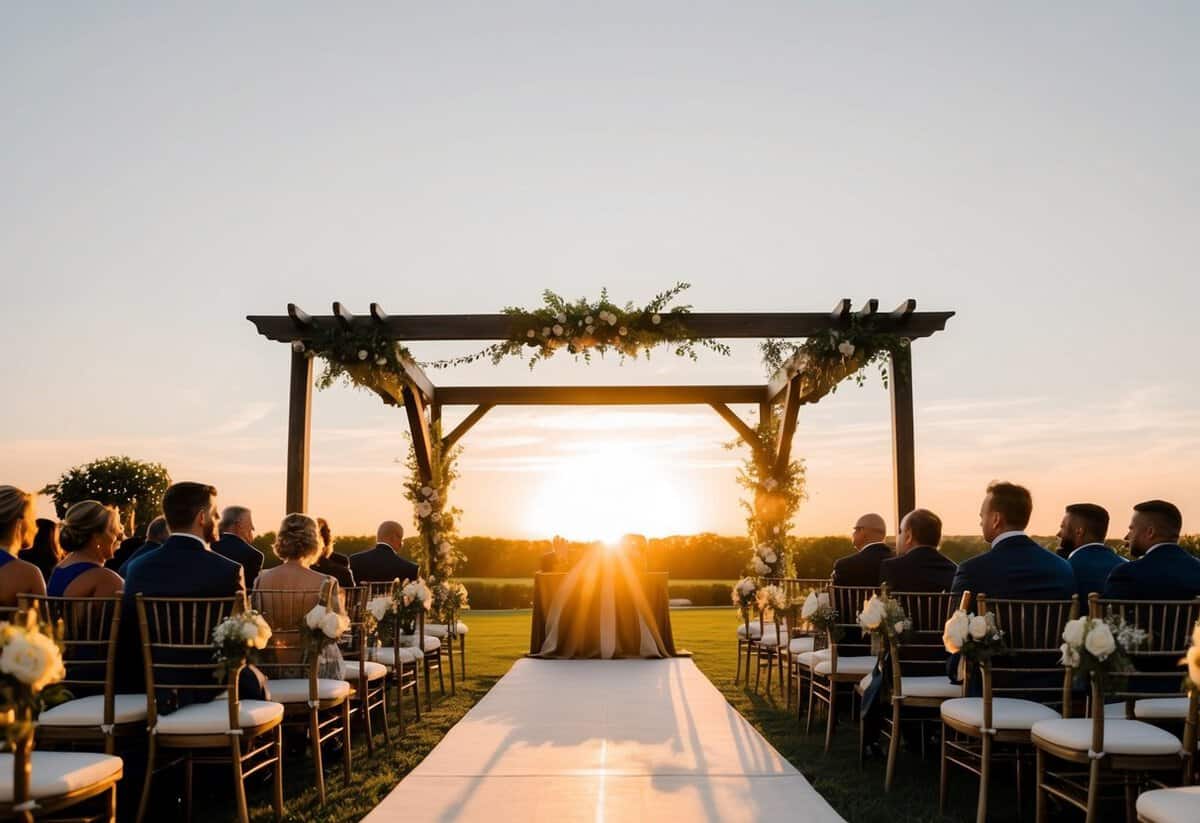
Choosing the right time for your wedding ceremony is essential. You need to consider both personal preferences and practical aspects like logistics and lighting.
Understanding Ceremony Schedules
Wedding ceremonies often follow a typical schedule. For instance, many brides and grooms prefer a later start on Fridays and Saturdays. A time around 6:30 p.m. can work well for evening ceremonies. This allows guests to arrive after work without feeling rushed.
On Sundays, you might want an earlier start. A 5:00 p.m. ceremony helps guests, who may have work the next day, leave at a reasonable hour. Consider the comfort of your guests while planning the timeline. A well-timed ceremony keeps everyone happy and ensures a smooth flow of events.
Sunset Time Considerations
Sunset plays a significant role in planning your ceremony. You want to capture beautiful photos in natural light. If you start too late, you risk missing that golden hour.
Check the sunset times for your wedding date. In many areas, the sun sets earlier in winter compared to summer. For example, if the sun sets at 4:30 p.m., a 6:30 p.m. start may leave you with little to no daylight for photos. Aim for your ceremony to end at least one hour before sunset to enjoy ample light for memorable pictures.
Designing a Wedding Day Timeline for Evening Nuptials
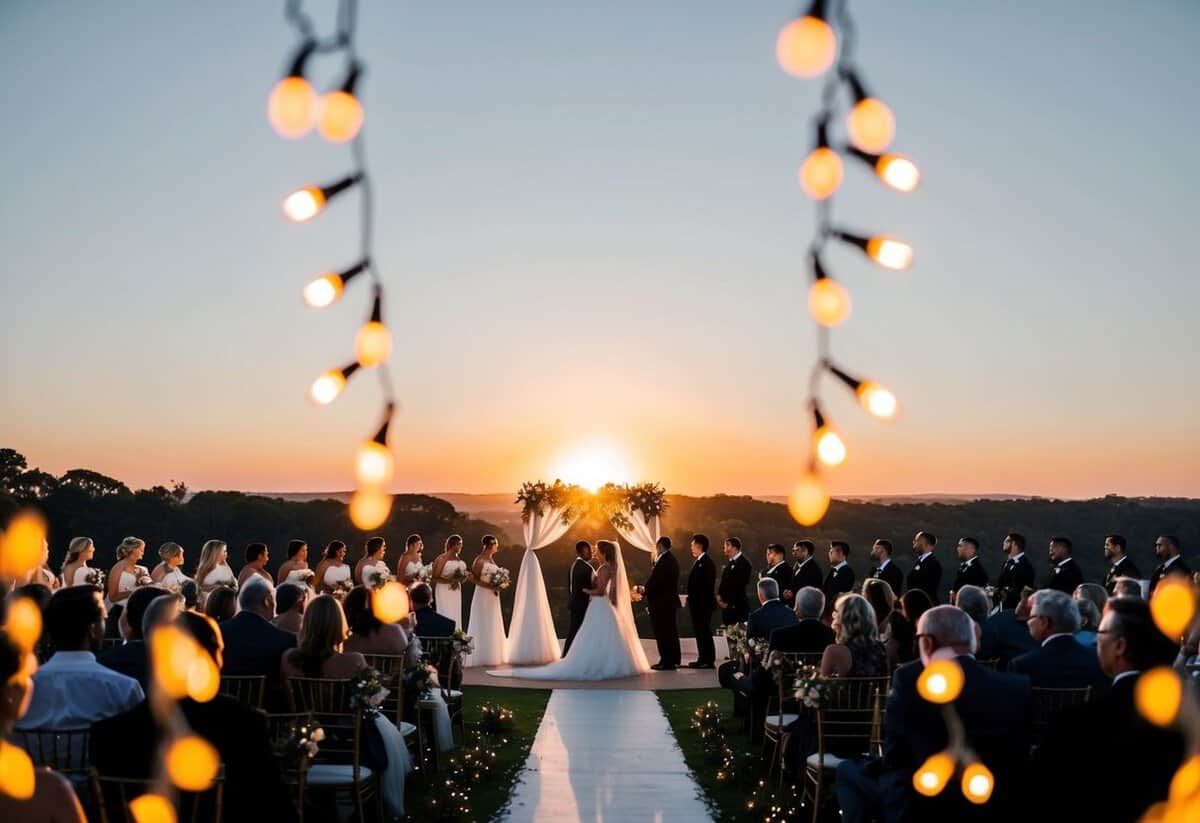
When planning an evening wedding, timing is crucial to ensure your day runs smoothly. A well-structured timeline will help you enjoy every moment from preparations to the reception. Here’s how to create a timeline that best suits your evening nuptials.
Incorporating a First Look
A first look is a lovely moment for just the two of you before the chaos of the day begins. Schedule this early in the afternoon to capture those beautiful reactions in natural light. Aim for a time around 3:30 p.m. or 4:00 p.m. to allow for enough daylight.
After the first look, consider taking some couple and bridal party photos. This keeps the photography stress-free and gives you quality time together. By 5:00 p.m., you can wrap up pictures, leaving plenty of time for guests to arrive and settle in before the ceremony.
Allocating Time for Cocktail Hour
Cocktail hour is a great way to welcome guests and allow them to mingle while you finish your photos. Plan for this to start immediately after the ceremony, around 7:00 p.m.
You should aim to keep this hour engaging. Consider light snacks and drinks along with a few fun activities or even live music. Make sure to tell your guests where to gather during this time. This will set a light and enjoyable tone for the evening ahead.
Seamless Transition to Reception
Transitioning from cocktail hour to the reception should feel natural. Around 8:00 p.m., gently guide guests to the reception area. Make an announcement or have your DJ play a fun tune to signal the start of the celebration.
Be ready to make your grand entrance as a couple. Following this, you can enjoy your first dance right away. This helps keep the energy high and gets everyone excited for the evening festivities. If you plan right, this flow will ensure a smooth and memorable night.
Invitation Etiquette and Guest Considerations
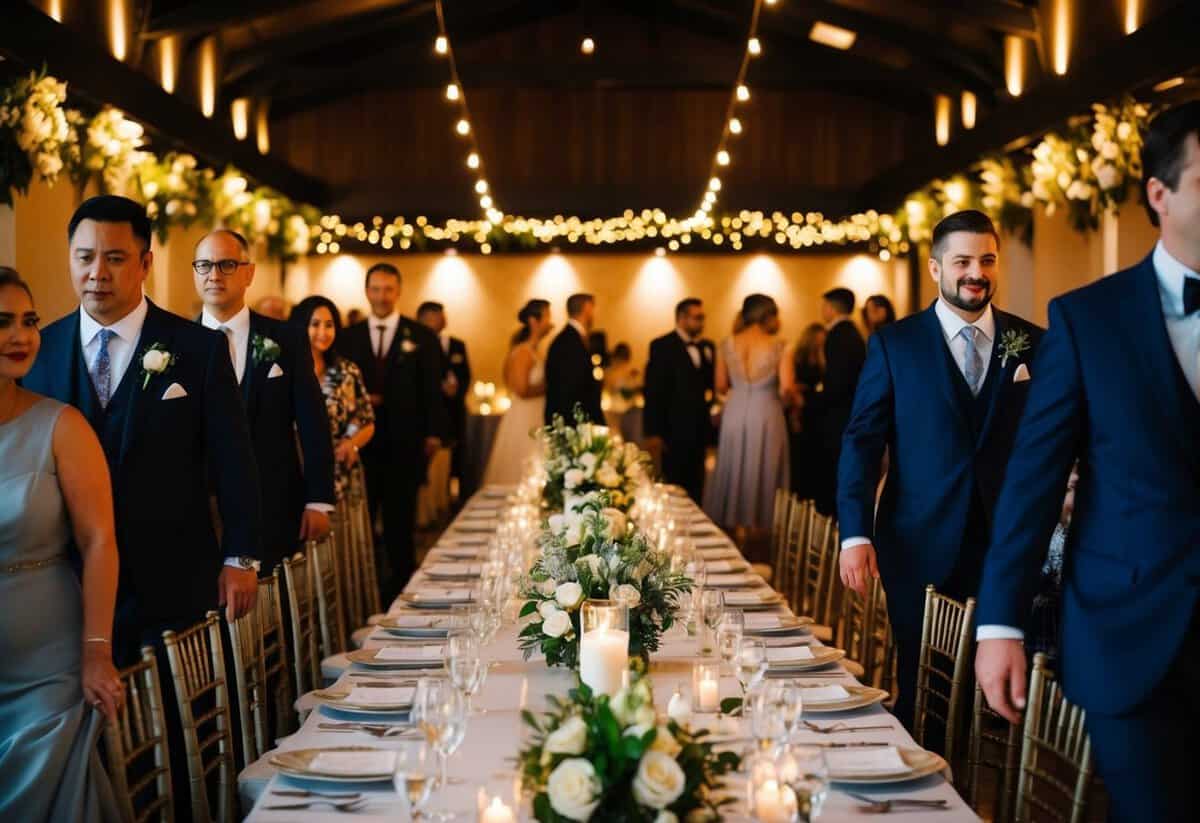
When planning your wedding, the timing and details on your invitations can greatly impact your guests’ experience. Clear communication helps set the right expectations and ensures everyone arrives on time.
Timing and Details on Invitations
Your wedding invitation is the first glimpse guests get of your big day. Including the correct ceremony start time is crucial. If you plan to start the ceremony at 6:30 PM, make sure to state this clearly.
Consider writing it as “6:30 PM” instead of “half after six.” This helps avoid confusion. If your ceremony is expected to start late, you might add a note encouraging guests to arrive a little earlier, perhaps suggesting they aim for 6:15 PM.
For save-the-date cards, remind everyone about the time. Guests will appreciate the clarity. It’s also a good idea to mention any important details, like parking options or dress code, to ensure a smooth experience.
Guest Experience and Expectations
Guests often wonder about what time to arrive. It can be rude to show up late to a wedding, especially if the ceremony has started. You want your loved ones to witness your vows without distraction.
To help with this, consider a timeline for your day. If the ceremony begins at 6:30 PM, plan a cocktail hour after to give everyone a buffer. This way, even latecomers can enjoy part of the celebration without feeling awkward.
Communicating directly through your invitations and reminders helps guests arrive relaxed and ready to celebrate. Clear messages about timing will enhance their experience and allow everyone to share in the joy of your wedding day.
Collaborating With Your Wedding Planner
Working closely with your wedding planner is essential for creating the perfect timeline for your big day. They can help you balance your unique style with practical considerations. Here are some important areas to focus on when planning with them.
Choosing the Right Timeline for Your Style
Your wedding planner can help you set a timeline that matches your vision. If you’re considering a ceremony at 6:30 PM, think about the mood you want to create. Evening ceremonies can offer a romantic atmosphere, but you should ensure you have enough time for key moments.
Discuss how long the ceremony will last, and factor in time for things like family photos and the reception start. You may also want to include a cocktail hour after the ceremony. Your planner will guide you on timing to keep everything flowing smoothly.
Coordination with Vendors and Venues
Effective communication with vendors is key to a successful wedding. Your planner will coordinate with your wedding venue and reception venue to ensure they understand and support your timeline. A clear plan will help avoid moments where guests are waiting too long between the ceremony and dinner.
Always make sure your caterer is aware of your start time, especially if you opt for a 6:30 PM ceremony. For example, if dinner begins at 7:30 PM, a quick ceremony will ensure guests are seated promptly. Your planner will know how to handle these details, making your day stress-free.
Advice on Cultural and Religious Traditions
Your planner can offer valuable insights if you’re incorporating cultural or religious traditions. For instance, be aware of the “Catholic Gap” if you’re planning a Catholic ceremony. Many churches may have strict timing, so you might want to choose earlier times or alternate locations.
Your planner can suggest how to respectfully include these traditions in your timeline. They may recommend starting your civil ceremony earlier or adjusting the order of events to accommodate rituals. Open communication with your planner ensures that your traditions are honored while keeping your wedding plans on track.