
Is 6:30 Too Late to Start a Wedding? Finding the Perfect Timing for Your Big Day
If you’re planning a wedding, you might wonder if starting your ceremony at 6:30 PM is too late. Many couples find that 6:30 PM is actually a popular and suitable time for an evening wedding. It allows guests to enjoy a relaxed atmosphere while still having enough time for important celebrations.
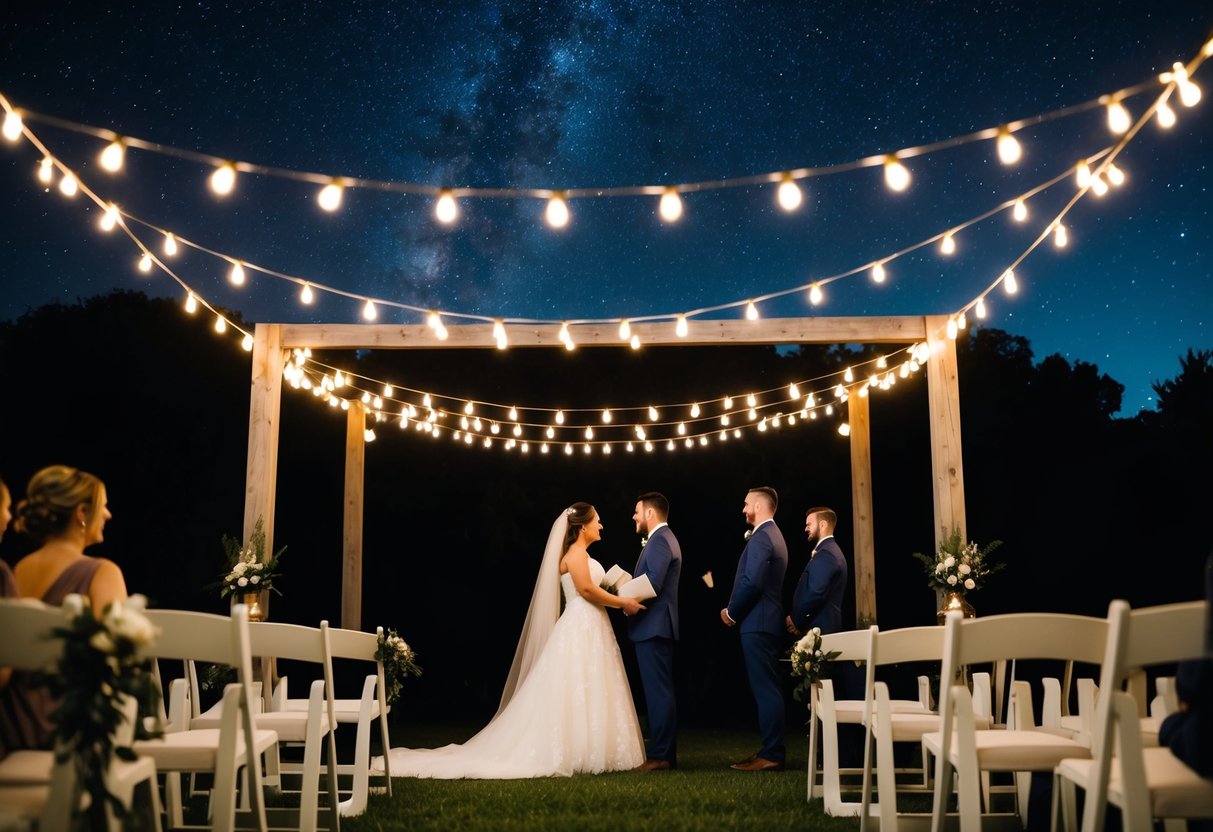
The ideal start time for your wedding ceremony can depend on a few factors, such as the season and the venue. You want your ceremony to start when it still offers good lighting for photos and a comfortable experience for guests.
Evening weddings can create a magical ambiance, filled with beautiful decor and twinkling lights.
With proper planning, starting your wedding at 6:30 PM can work perfectly. As you think about your timeline, consider how this time fits into your overall schedule for the evening, including cocktail hour and the reception.
Deciding Your Wedding Timeline
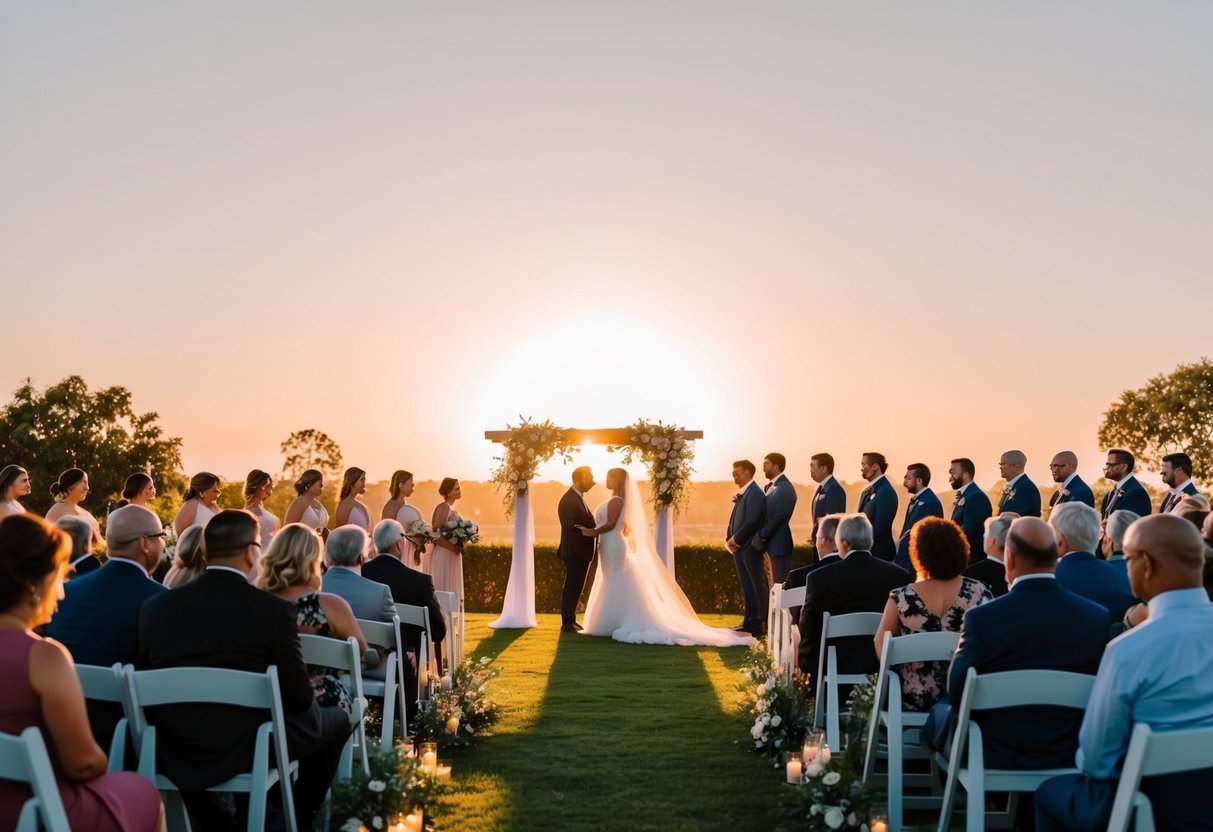
Creating the right wedding timeline is essential for a smooth and enjoyable day. You’ll want to consider various factors like the ceremony start time, the flow of activities, and the lighting for evening events. Let’s explore some key aspects to help you decide.
Ceremony and Reception Considerations
Your ceremony start time sets the tone for the entire event. Ideally, you want to choose a time that allows your guests to arrive comfortably. If you plan an evening wedding, starting around 6:00 p.m. is common.
Make sure to check with your venue about when they can start serving dinner. If your reception begins at 7:30 p.m., you might aim to start your ceremony by 6:00 p.m. This provides enough time for your guests to enjoy drinks and socialize before dinner.
You’ll also want to coordinate with your vendors, as their schedules can impact your timeline. Clear communication helps everyone stay on track.
Calculating the Duration of Wedding Activities
Every wedding has multiple activities that need time allocated. You’ll want to account for things like the ceremony, cocktail hour, dinner, and dancing.
For example, a typical timeline might look like this:
- Ceremony: 30 minutes
- Cocktail hour: 60 minutes
- Dinner service: 90 minutes
- Dancing and other activities: 2-3 hours
Make sure to give yourself enough time for each part without feeling rushed. Be mindful of how long each activity will take and adjust your ceremony start time accordingly. A well-planned timeline keeps the day flowing and enjoyable for everyone.
Sunset Time and Evening Ambiance
For evening weddings, sunset time can greatly influence your ceremony start time. You’ll want to check the exact sunset time for your date. This is important for capturing those stunning outdoor photos in natural light.
If your ceremony is set too late, you risk losing that golden hour light. A good plan is to aim for your ceremony to finish by sunset for ideal photos.
Consider this example: If sunset is at 6:30 p.m., starting your ceremony at 6:00 p.m. allows time for pictures. This way, you can enjoy a romantic evening ambiance with your guests. Adjusting your schedule to follow natural lighting can enhance the overall experience.
Creating a Positive Guest Experience
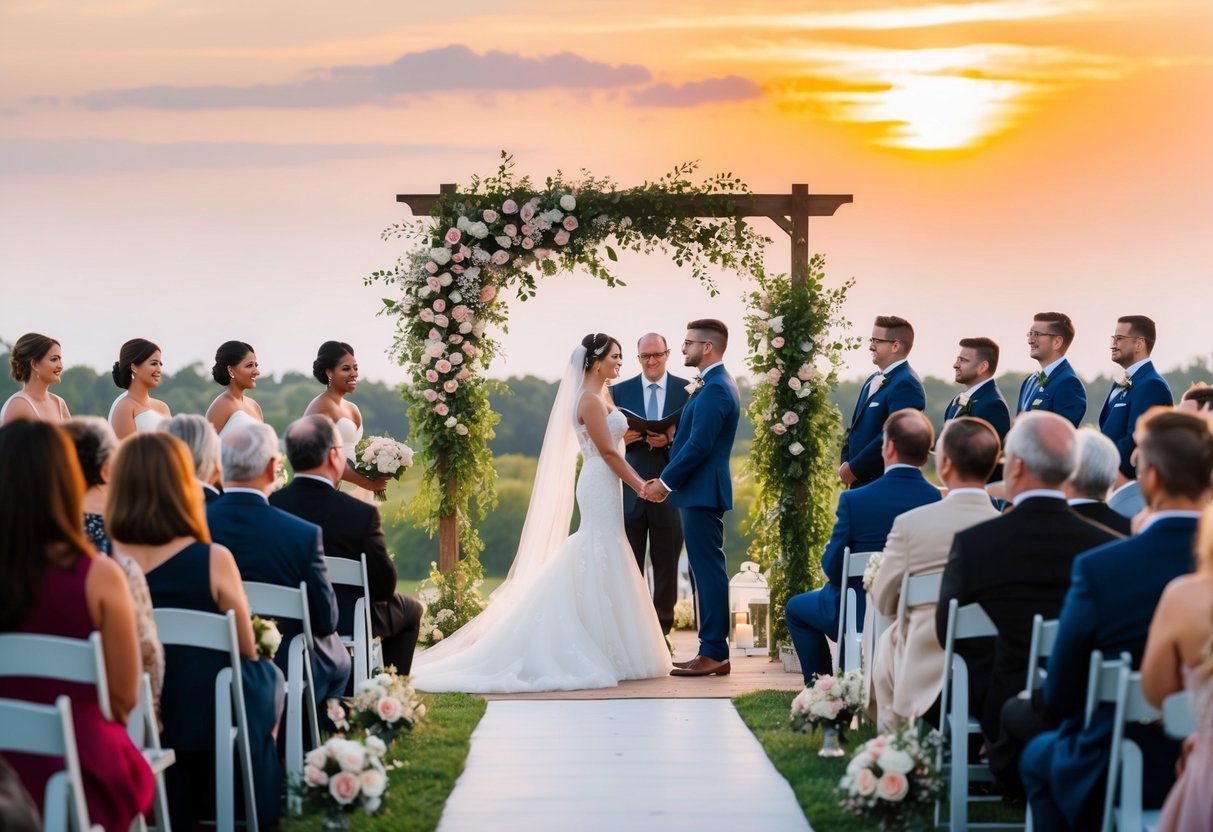
A great guest experience is key to a successful wedding. It involves planning details that make your guests feel valued and comfortable throughout the event. Consider how timing affects their enjoyment.
Avoiding the ‘Catholic Gap’
The term “Catholic Gap” refers to the awkward time between a wedding ceremony and the reception. To avoid this, ensure that your ceremony starts at a time that allows for a smooth transition.
If your ceremony begins later, like at 6:30 PM, guests may have to wait a long time for the reception. This gap can lead to frustration and boredom, making it crucial to plan a cocktail hour right after.
Offering drinks and appetizers during this time can help ease any impatience. It encourages mingling and creates a more relaxed feeling for everyone.
Courtesy for Guests’ Schedules
Think about your guests’ schedules when setting your wedding time. Many people may travel long distances to attend your special day. Starting a ceremony at a later time might inconvenience those with early morning commitments.
For instance, if you start your wedding later on a Friday, guests coming from work may appreciate the timing. But be aware that starting too late could force some to miss out on important moments.
Providing clear communication about the timing in your invitations can be helpful. This allows guests to plan ahead and enjoy the full experience without feeling rushed or worried about being late.
Logistical Considerations for Late Starts
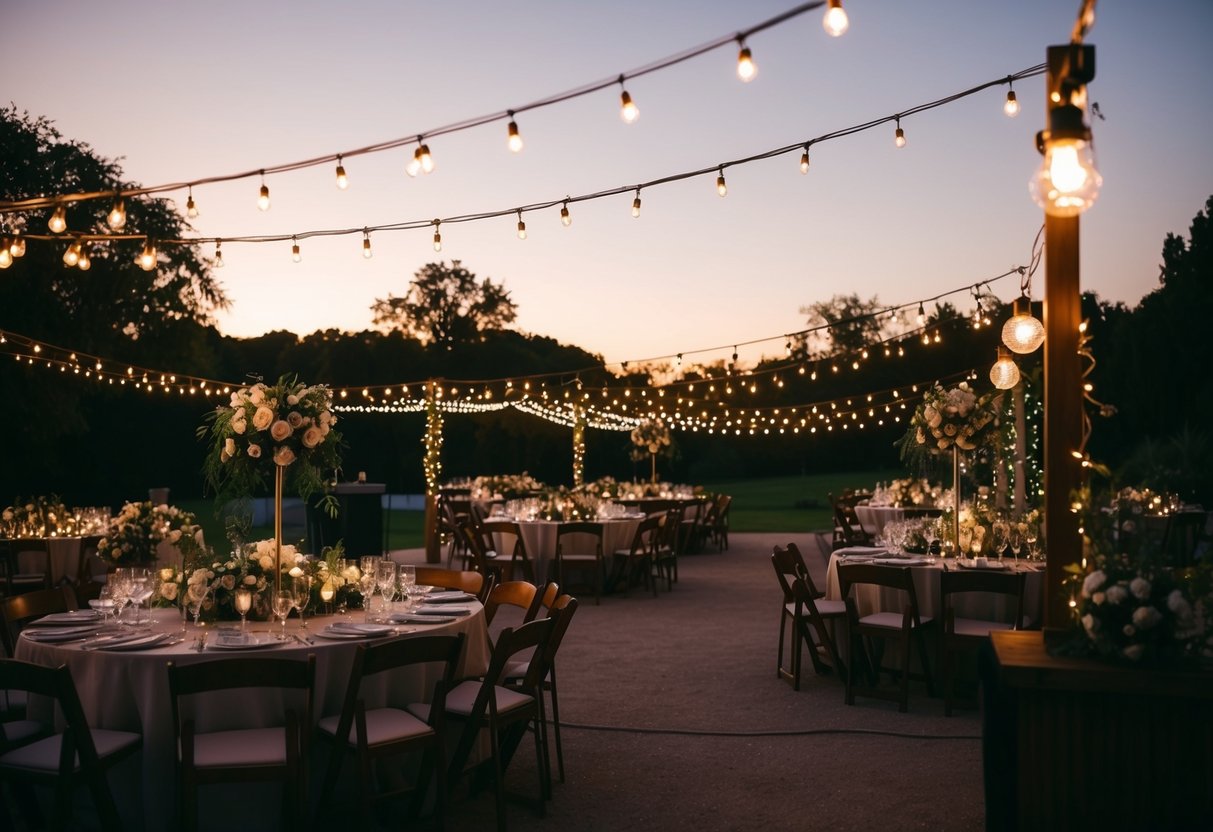
Starting your wedding later in the day can bring a unique charm but also comes with specific logistical needs. Planning ahead is essential to ensure that everything runs smoothly and everyone is informed.
Coordinating With Vendors and Venues
When everything is set for a later start, communicating clearly with your vendors is key. Your wedding planner should outline the timeline well in advance. It’s a good idea to confirm that your reception venue can accommodate later activities, such as dining and dancing.
Make sure that the caterers know when to prepare meals. This helps avoid rushed dinners or cold plates. Contact your photographer, too. It’s best if they are aware of the timing, especially if you want beautiful sunset shots.
In your discussions, clarify when each vendor needs to arrive. This coordination can prevent any last-minute issues and ensure that everyone is on the same page.
Communicating Timely Information via Invitations
Your wedding invitation and save-the-date cards are crucial for setting expectations. It’s important to clearly list the correct start times. Mentioning the cocktail hour, if you have one, keeps guests informed about when they can arrive.
Also, consider adding notes for any guests traveling from out of town. They may not understand the timing, so a small detail can go a long way. Utilize your wedding planner for wording that conveys your vision clearly.
This information helps your guests plan their travel and accommodations effectively. The clearer you are, the more likely everyone will have a wonderful time without confusion.
Photography and First-Look Session
Capturing your wedding day starts with thoughtful planning, especially for your first-look photos. Quality lighting and well-timed family photos can enhance your photography experience. Here’s how to ensure your pictures turn out beautifully.
Planning for Quality Lighting
Good lighting is essential for stunning photos. If possible, schedule your first look early in the day. This allows for natural light, which makes everyone look their best.
Consider choosing a spot with soft, diffused light, like a shaded area or near open windows. The golden hour, just before sunset, provides a warm glow that flatters all skin tones.
Make sure your photographer knows the timeline. This way, they can prepare and suggest optimal locations for the best light. Arriving early also helps keep the day relaxed, allowing you to focus on enjoying the moment.
Arranging Family and Couple Photos
Planning family photos can save you time later. Create a list of must-have shots involving your family and wedding party. Share this list with your photographer ahead of time.
During your first look, you can also capture intimate couple photos. These moments are special and help you relax before the ceremony. Coordinate with your photographer to determine the best times for these photos.
If you’re having a first look, arrange family portraits right after. This keeps everyone together and happy. Doing this before the ceremony usually means more time to celebrate with guests after you say “I do.”