
Is 6 Months Too Early to Send Wedding Invites? Understanding the Ideal Timing for Your Big Day
When you’re knee-deep in wedding planning, timing is everything, especially when it comes to sending out wedding invitations. You might wonder, six months is typically not too early to send wedding invites if you’re aiming for a relaxed planning process. This timeframe can give your guests enough notice to make arrangements, especially if they need to travel.

With your big day approaching, you want to ensure that everyone important to you can attend. Sending invitations out six months in advance allows those you love to mark their calendars and plan ahead. Plus, it helps reduce last-minute stress for both you and your guests.
Every wedding is unique, and factors like destination weddings or peak seasons may change the timeline. Still, starting the conversation early can only benefit your wedding planning.
Timing Your Invitations

Getting the timing right for your wedding invitations is key. You want to ensure your guests have enough notice to plan and celebrate with you. Here’s what you need to know about sending invitations at the right time.
Traditional Timing Guidelines
For most weddings, the traditional guideline is to send out your wedding invitations about 6 to 8 weeks before the big day. This gives guests enough time to RSVP and make travel plans.
If you’ve sent save-the-dates, consider these invitations as a follow-up. Send those save-the-dates 6 to 12 months prior, so your guests can mark their calendars.
Setting an RSVP deadline about 2 to 3 weeks before your wedding is a good idea. This timeline allows you to finalize your guest list and seating arrangements.
Considering Destination Weddings
Timing can change if you’re planning a destination wedding. In this case, it’s best to send invitations much earlier—around 3 months in advance or even longer if possible.
This early notice helps your guests arrange travel and accommodations. Consider sending save-the-dates even earlier, potentially 8 to 12 months ahead.
Make sure to share key details like the wedding location and suggested hotels in your invitations. This information helps guests plan their trips more efficiently.
Early Invitations for International Guests
If you have international guests, planning ahead is essential. Sending invitations 3 to 6 months in advance is often recommended. This gives them ample time to book flights and secure accommodations.
When inviting international guests, be clear about visa requirements and any travel restrictions. You can include this helpful information in your wedding invitation timeline.
Don’t forget to keep communication open, so guests know they can reach out with questions. The more information they have, the smoother their planning will be!
Wedding Invitations and RSVP Management
Managing wedding invitations and RSVPs is crucial for creating a smooth planning experience. Keeping track of your guest list and ensuring timely responses will help you avoid stress as your big day approaches. Here’s what to consider for effective RSVP management.
Crafting Your RSVP Cards
Your RSVP cards should be clear and easy to understand. Include a deadline for responses, typically one month before the wedding, so you can finalize your guest count.
Make sure to give your guests clear options, like attending or not attending. You can also add a space for meal preferences if you’re offering different dishes.
You might want to include a way for guests to decline politely. For example, phrases like “We regret to inform you” can soften their no.
Setting the RSVP Deadline
Setting an RSVP deadline allows you to manage your guest list effectively. A good timeframe is about four to six weeks before the wedding. This gives guests enough time to respond, while still being close to the event.
Communicate this deadline clearly on the RSVP card. You can also use reminders a week before the deadline, either by text or email, to encourage responses.
This approach not only helps with planning but also ensures that everyone knows when their responses are due.
Managing the Guest Count
Managing your guest count is essential for budgeting and planning. Start with a preliminary list based on your ideal guests, then adjust as you receive RSVPs.
Keep track of responses on a spreadsheet or a wedding planning app to visualize your guest list easily. This can help you understand your head count and make catering arrangements smoother.
Don’t forget to follow up with anyone who hasn’t responded as the deadline approaches. A simple reminder can help ensure you have an accurate final list for seating and catering needs.
Creating Your Invitation Suite
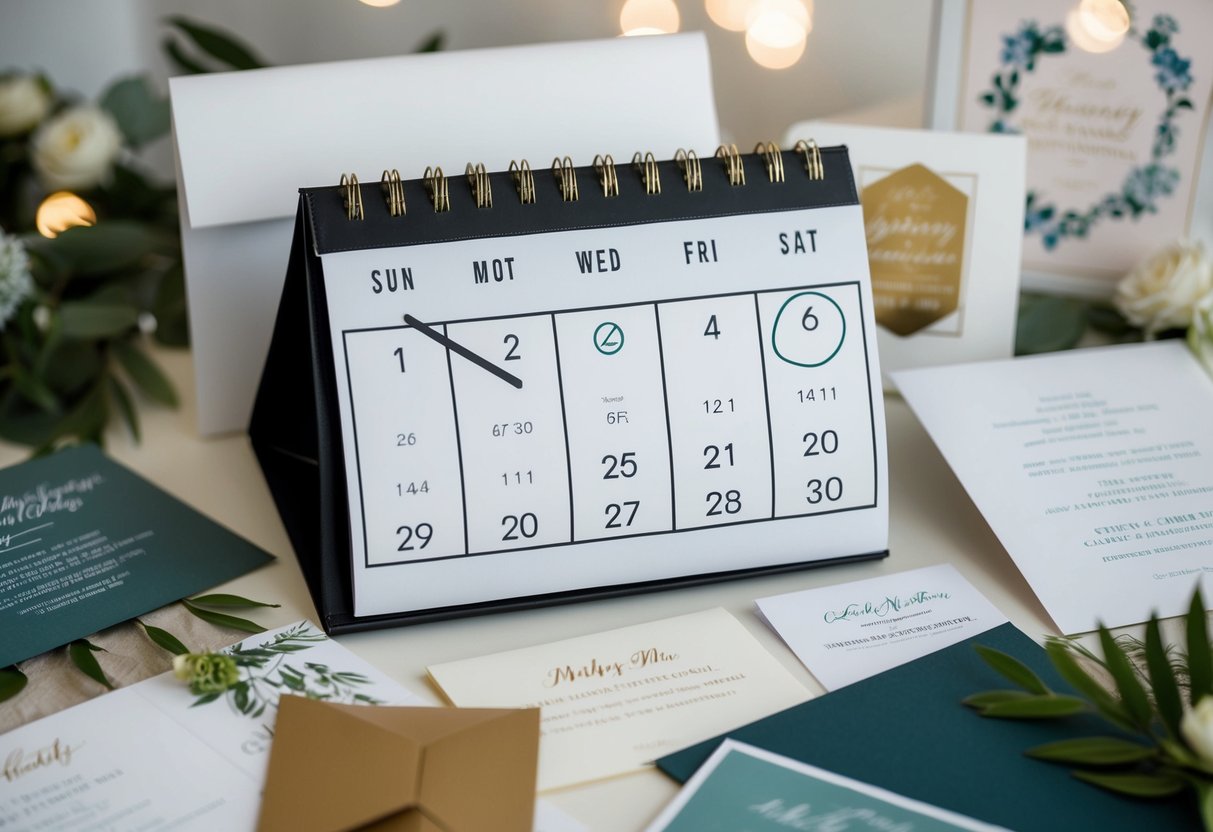
Designing your wedding invitation suite is an exciting step in your wedding planning. This is where you can set the tone for your big day. Focus on selecting the right stationery, including essential details, and adding personal touches that reflect your style.
Selecting the Right Wedding Stationery
Choosing the right wedding stationery is crucial. Your invitation suite usually includes the main invitation, RSVP card, and details card.
Think about the theme and color palette of your wedding. If you have a classic wedding, elegant paper and script fonts work well. For a casual affair, you might choose fun colors and designs.
Don’t forget about the weight and texture of the paper. Heavier paper often feels more luxurious. You can also consider digital invitations if you want to save on costs and time.
Including Essential Information
Your invitation suite should convey important details clearly. Include the names of the couple, the wedding date, time, and venue address.
It’s also vital to add information about accommodations and travel arrangements if you have guests coming from afar. This can be included on a separate details card.
Don’t forget to mention the dress code. Is it formal, semi-formal, or casual? Providing this information helps guests know what to wear.
Make sure to invite them to visit your wedding website for more information. Including the URL ensures everyone has access to the latest details.
Adding Personal Touches
Personal touches make your invitation suite unique. You can consider using your favorite colors, patterns, or motifs.
Adding custom illustrations or a meaningful quote can also enhance the design. You could also include a fun fact about your relationship or a photo of you both.
Another idea is to incorporate elements from your wedding venue. This helps create a sense of connection before the day arrives.