
Is 6 Months Too Late for Save the Dates? Tips for Last-Minute Planning
When you plan your wedding, timing is key, especially when you send out save the dates. It’s common to wonder if you’re sending them too late by doing it just six months before your big day. Generally, it’s best to send save the dates six to nine months in advance for local weddings. Meanwhile, destination weddings might benefit from even earlier notice. Understanding this can help your guests manage their schedules better and increase the likelihood of their attendance.

If you’re worried about how timing affects your wedding planning, you’re not alone. Many couples face the same dilemma. With so many details to juggle, it’s important to give your loved ones enough time to make travel plans if they need to. By knowing the right time frame for save the dates, you can set the stage for a memorable celebration.
As you dive into the details of your special day, remember that communication is vital. Your guests will appreciate getting that heads-up, allowing them to clear their calendars and join you for the wedding festivities. So, don’t stress too much—just consider your timeline and the needs of your guests!
Understanding Save the Dates

Save the Dates are an important part of wedding planning. They help your guests prepare for your special day. Knowing when to send them and their purpose can make all the difference in your wedding timeline.
Purpose and Importance of Save-the-Dates
Save the Dates serve two main purposes. First, they notify your guests about your wedding date. This is especially helpful for those traveling from far away. Second, they give your friends and family ample time to make travel plans and adjust their schedules. By sending these cards, you increase the chances that your loved ones will attend.
It’s also a chance to set the tone for your wedding. Your Save the Dates can reflect your wedding theme and style. This is your first opportunity to share excitement about the day with your guests! Remember, it’s polite and thoughtful to let people know well in advance.
Timeline for Sending Save-the-Dates
Timing is key when it comes to Save the Dates. Ideally, you should send them about 6 to 9 months before your wedding date. For destination weddings, it’s best to send them even earlier, around 9 to 12 months in advance.
Sending them too late can create confusion. If you’re worried about timing, consider simpler invitations instead. Sending Save the Dates 3 to 5 months before the wedding is generally seen as too late. Your goal is to provide guests with enough time for planning, so make sure they arrive on time!
Planning Your Save the Dates

Getting your save-the-dates ready is an exciting part of wedding planning. You want to make sure they reflect your style and provide essential details to your guests. Here are some key points to consider when planning.
Choosing Save the Date Styles
When picking a style for your save-the-date cards, think about your wedding theme. Whether it’s rustic, modern, or elegant, your cards should match. You can use an engagement photo to personalize your cards, making them even more special.
Consider options like postcards, magnets, or photo cards. Each style has its charm, so choose one that fits your budget and personality. Remember, the design is a sneak peek of what your guests can expect on the big day!
Information to Include on Save-the-Date Cards
Making sure your save-the-dates have the right information is crucial. Include the following details:
- Names: Clearly state the couple’s names.
- Wedding Date: Highlight the date prominently.
- Location: If you have a venue, include it. If not, just the city will do.
- Wedding Website: Add your wedding website link for more details.
This information helps guests plan their trips and saves them time. Keep it clear and simple, so guests know what to expect.
Digital vs. Physical Save-the-Dates
Deciding between digital and physical save-the-dates can depend on your budget and style preference. Digital save-the-dates are often cheaper and can be sent quickly via email or social media. They also allow for fun designs and animations.
On the other hand, physical save-the-dates feel more personal. You can hold them in your hands and display them on fridges. They offer a beautiful keepsake that guests love.
Whichever option you choose, just make sure it reflects your style and excitement for your wedding day!
Considerations for Destination Weddings
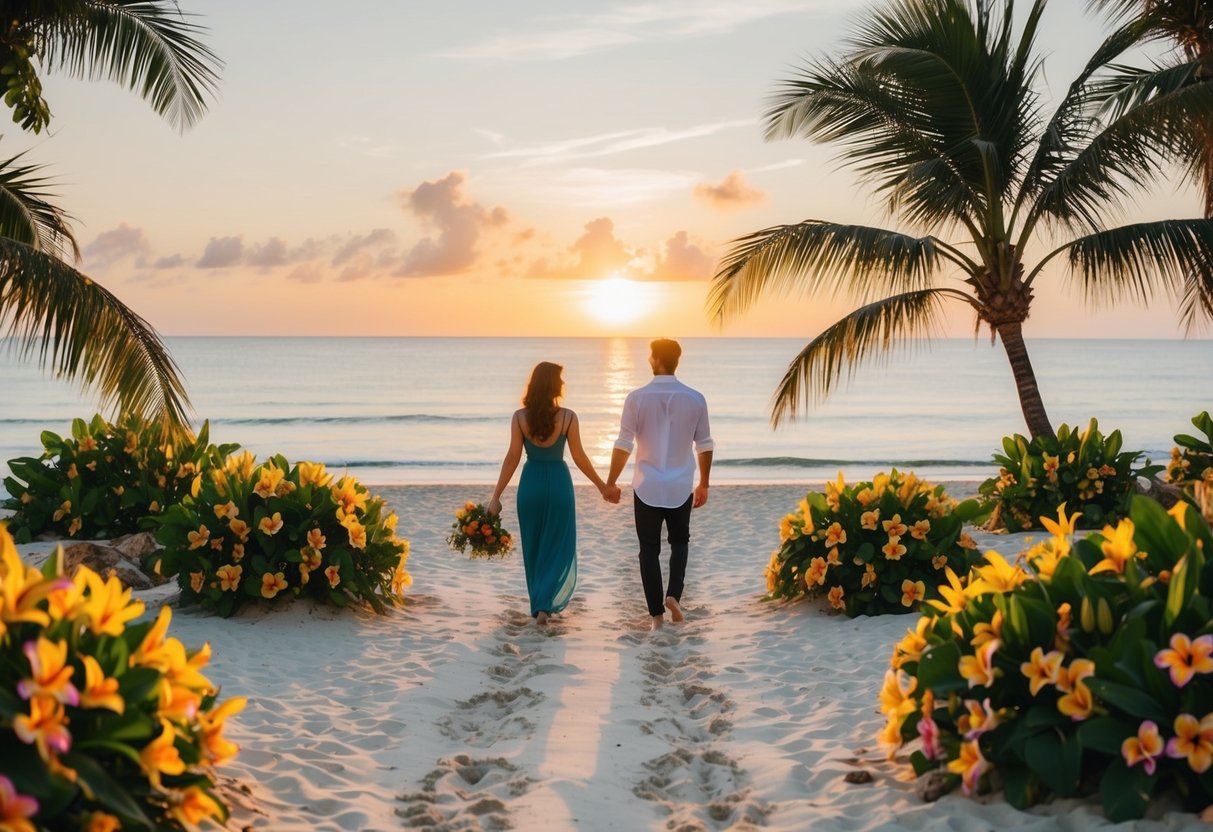
When planning a destination wedding, timing is key for your guests. You want to make sure they have enough time to prepare for travel and accommodations. Here are two important areas to focus on when sending save-the-dates for a destination wedding.
Additional Time for Travel Arrangements
For a destination wedding, it’s best to give your wedding guests extra time to plan their travel arrangements. Sending save-the-dates 8 to 12 months in advance allows guests to explore flight options and make necessary bookings.
Consider including important details in your save-the-date. This includes the wedding date, location, and any travel tips you find helpful. Encouraging guests to start their travel plans early can make their experience smoother.
You might also want to mention any local attractions or activities. This helps guests look forward to their trip and can increase the chances of them attending.
Accommodations and Group Bookings
Accommodations are another crucial factor for destination weddings. Make sure your guests have plenty of options to choose from. Sending save-the-dates at least 8 months ahead gives them time to secure the best deals.
Consider reserving a block of rooms at a nearby hotel. This can provide a more convenient experience for your guests. Include information about how to book a room and any group discounts you may have arranged.
It’s also a good idea to suggest local lodging alternatives. This can help guests find accommodation within their budget and preferences. By providing this information, you help ensure their stay is comfortable and enjoyable.
Etiquette and Additional Tips

Sending save-the-dates is just the beginning of your wedding planning journey. Understanding the etiquette and having a clear plan will make the process smoother for you and your guests. Here are some key aspects to consider.
Addressing Save-the-Dates and Wedding Invitations
When you send your save-the-dates, be careful about how you address them. Use full names and include family titles if appropriate. Ensure you spell everything correctly to avoid any embarrassments. This attention to detail sets a good tone for your wedding.
For wedding invitations, it’s vital to match the formality of your celebration. If your wedding is casual, keep the invitations lighthearted. For a formal affair, opt for elegant designs. Sending the invitations about 6-8 weeks before the wedding gives your guests time to RSVP and plan accordingly.
Managing RSVPs and Guest List
Track who responds to your RSVPs carefully. This helps ensure you have an accurate guest list. Use a spreadsheet for easy management. Include columns for the names, responses, and meal choices, if applicable.
Remember to follow up with guests who haven’t responded a week after the deadline. This gentle reminder can help finalize your numbers. Knowing the total will assist with seating arrangements and catering decisions.
Following Up with Wedding Invitations
After you send out your wedding invitations, prepare to follow up. You should send reminders to guests who haven’t RSVPed by the deadline. A friendly message can help encourage them to respond.
Additionally, you should send a thank-you note later if some guests have not shown up. Acknowledging their presence, even if they weren’t able to attend, fosters goodwill. This effort in maintaining connections is a beautiful part of wedding etiquette.