
Is 6 Weeks Too Late to Send Wedding Invitations? Key Timing Tips for Your Big Day
Sending out wedding invitations is a crucial step in your planning journey. If you’re wondering about the best time to send them, it’s essential to understand the timeline. Sending wedding invitations six weeks before your big day is considered cutting it close, but it’s not too late if circumstances require it.
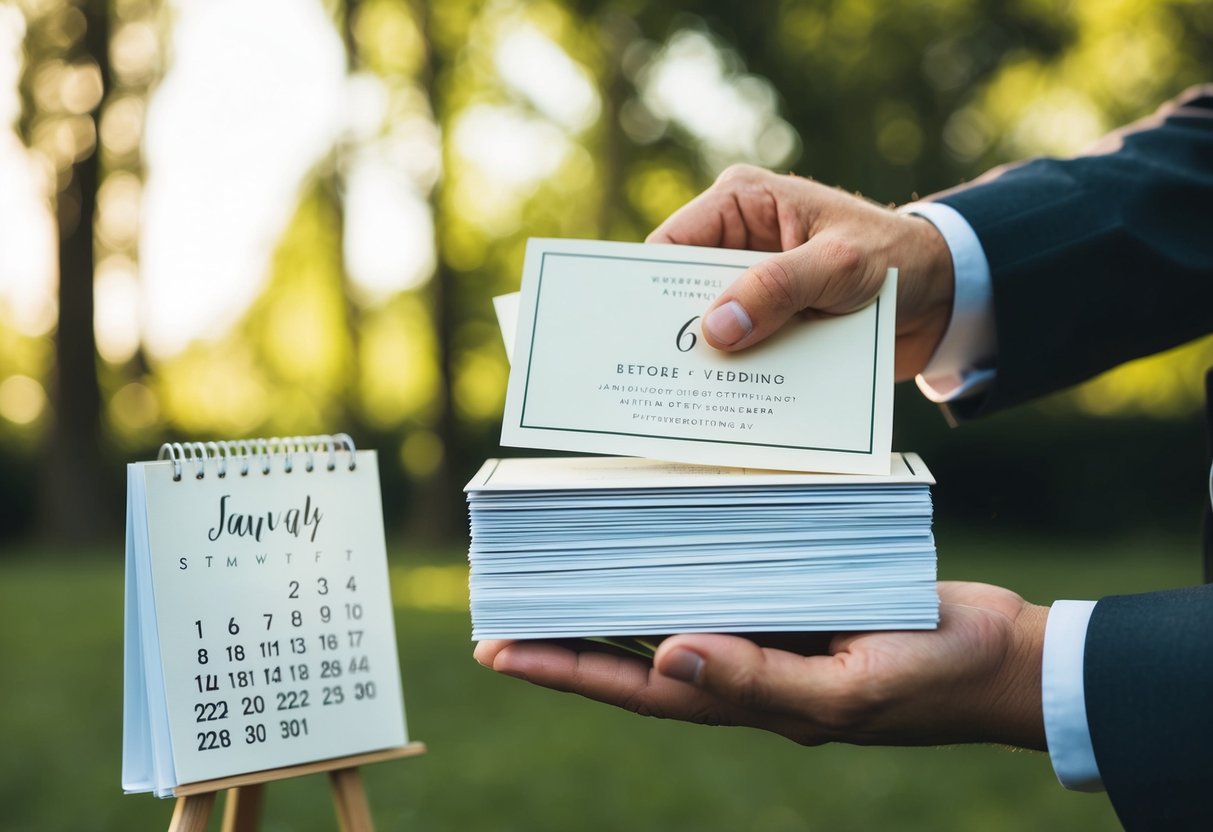
Most experts recommend sending invitations at least eight to twelve weeks in advance. This timeframe gives your guests enough time to prepare and manage travel or other arrangements. However, if you’re already within the six-week mark, don’t panic! There are ways to effectively communicate with your guests and still ensure a great turnout for your wedding.
Balancing your plans with your guests’ schedules can be tricky, but it’s manageable. Knowing when to send wedding invitations can help keep everything on track and make your special day as successful and enjoyable as possible.
Understanding Wedding Invitation Timelines

Sending out wedding invitations on time is essential for a smooth wedding planning process. Knowing the right timeline helps you manage guest arrangements and ensures a good response rate. Here’s what you should consider.
Importance of Sending Invitations On Time
Timely wedding invitations allow your guests to plan ahead. The general guideline is to send invitations 6 to 8 weeks before your big day. This window gives guests enough time to make travel plans, book accommodations, or arrange childcare.
It’s also important to set a clear RSVP deadline, which should be about one month before the wedding. When you ask for responses by this date, you’ll have a better idea of your final guest count. Plus, timely invitations help you keep things organized. If you need to invite backup guests from your B list, having everything in order makes it easier.
Factors Influencing Your Timeline
Several factors can affect your wedding invitation timeline. One major factor is the location of your venue, especially if many guests need to travel. If people are coming from far away, consider sending invitations even earlier.
Another factor is the size of your guest list. The more guests you have, the more time you may need for printing and sending invitations. Special requests, like accommodations for guests with dietary needs, can also impact your timeline.
You should also think about your wedding date. Busy seasons, like summer and holidays, can lead to scheduling conflicts. If your wedding falls during these times, sending invitations sooner helps ensure your guests can attend.
Implications of Late Wedding Invitations

Sending wedding invitations late can lead to several challenges that affect both your planning and your guests. Understanding these impacts can help you navigate potential issues and make informed decisions.
Impact on RSVPs and Guest Count
When you send invitations just six weeks before your wedding, many guests may struggle to respond on time. They need adequate notice to check their schedules and make arrangements. Late invitations can lead to fewer RSVPs, which means you might not have an accurate headcount for your guest list.
When guests feel rushed, they may decline your invitation, even if they would love to attend. This can affect your wedding setup, such as seating arrangements and catering, as you may end up with unexpected gaps. Encouraging RSVP responses by a set date can help, but late invitations often make this difficult.
Challenges for Out-of-Town and International Guests
Out-of-town and international guests face additional hurdles when invitations arrive late. They often need extra time to book flights, accommodations, and time off work. With only a few weeks’ notice, they may miss out on favorable travel prices or availability.
These guests may also feel pressure to make quick decisions, which could lead to last-minute cancellations or changes. It’s essential to consider their needs, especially if they play a significant role in your wedding. This can impact not only your guest count but also the dynamics of your celebration.
Special Considerations for Destination Weddings
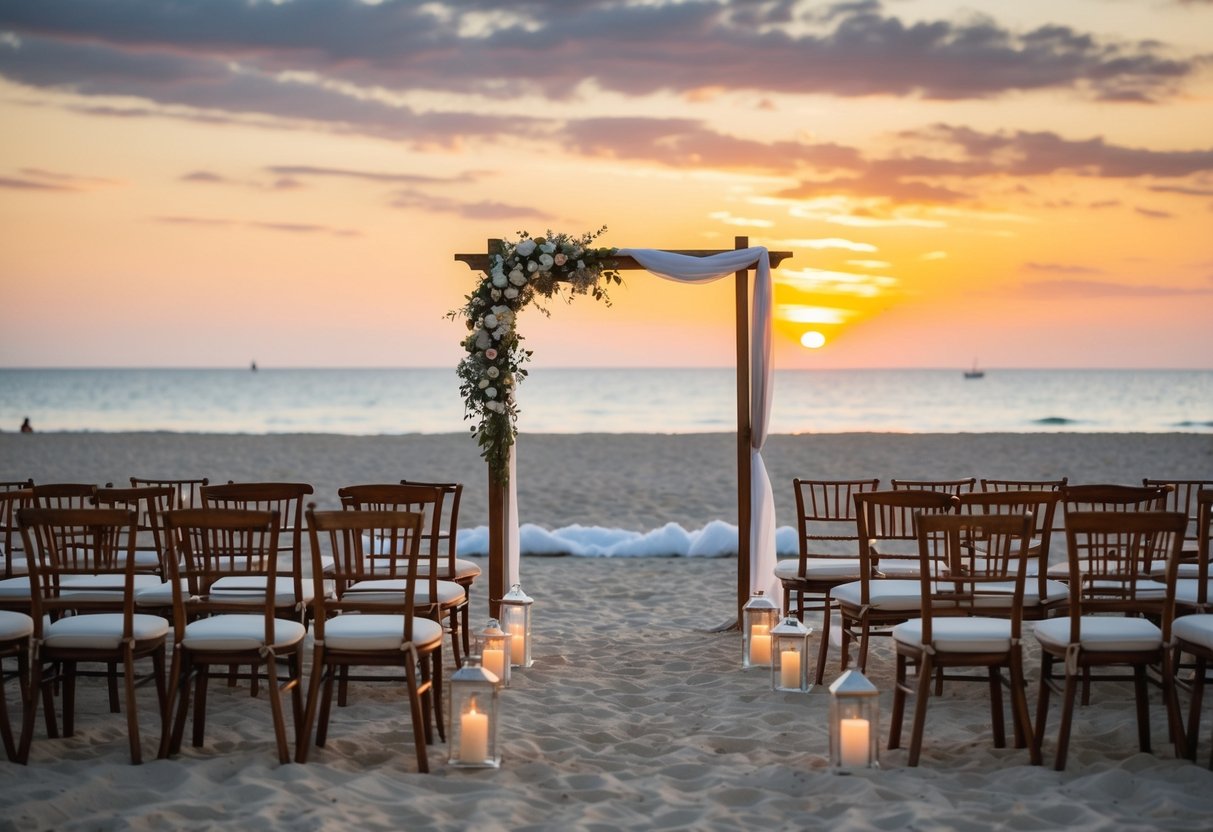
Planning a destination wedding requires some extra thought, especially regarding invitations. You’ll want to ensure that your guests have adequate time to prepare, as traveling for a wedding can involve more logistics than a local event.
Extended Timeline for Destination Events
For destination weddings, sending invitations should happen earlier than you might first think. Aim to send your invitations 8 to 12 weeks in advance. This gives your guests ample time to make travel arrangements and clear their schedules.
Start with a save-the-date notification about six months ahead. This is especially helpful for guests who need to book flights or accommodations well in advance. Ensure the invitation mentions that the wedding is in a destination so guests understand the planning involved.
Communicating Travel and Accommodation Information
When sending your invitations, provide detailed information about travel arrangements and accommodation options. Include a section in your invitation or a linked wedding website that covers nearby hotels, transportation options, and any group discounts you may have arranged.
Make it easy for your guests by offering recommendations for accommodations. List hotels that suit various budgets. You may want to highlight attractions nearby, too. This not only helps your guests plan their trip but also makes them feel excited about attending your wedding.
Last-Minute Invitation Tips and Tricks

When you’re short on time but still want to ensure your guests receive your wedding invitations, there are effective strategies you can use. Embracing technology and personal touches can help you get the word out quickly and efficiently.
Leveraging Digital Invitations and Wedding Websites
Using digital invitations can save you time and hassle. Websites like Paperless Post or Evite allow you to create beautiful invites and send them instantly. These options often include features like RSVP tracking, so you can easily manage your guest list.
Creating a wedding website is another smart idea. It can serve as a hub for all your wedding details. Include information about the venue, a link to your wedding registry, and a seating chart so guests know where to go. This all-in-one resource helps reduce questions and keeps everyone informed.
Personal Outreach to Ensure Attendance
In addition to sending invitations, consider reaching out to your guests personally. A quick phone call or text can make a big difference. This shows that you value their presence and want them to be part of your special day.
Encourage your loved ones to RSVP promptly. This will help you finalize your seating chart without last-minute stress.
Personal outreach is especially important for those who may not check emails frequently or might overlook digital invites.
By taking these extra steps, you can enhance attendance and ensure a joyous celebration.