
Is 7 Months Too Quick to Plan a Wedding? Tips for a Stress-Free Celebration
Planning a wedding is an exciting time, but it can also feel overwhelming, especially when you’re working with a limited timeframe. The good news is that seven months is often enough time to plan a wedding if you stay organized and focus on the essentials. While the average time to plan a wedding is typically around 12 to 18 months, many couples successfully tie the knot in less than a year.
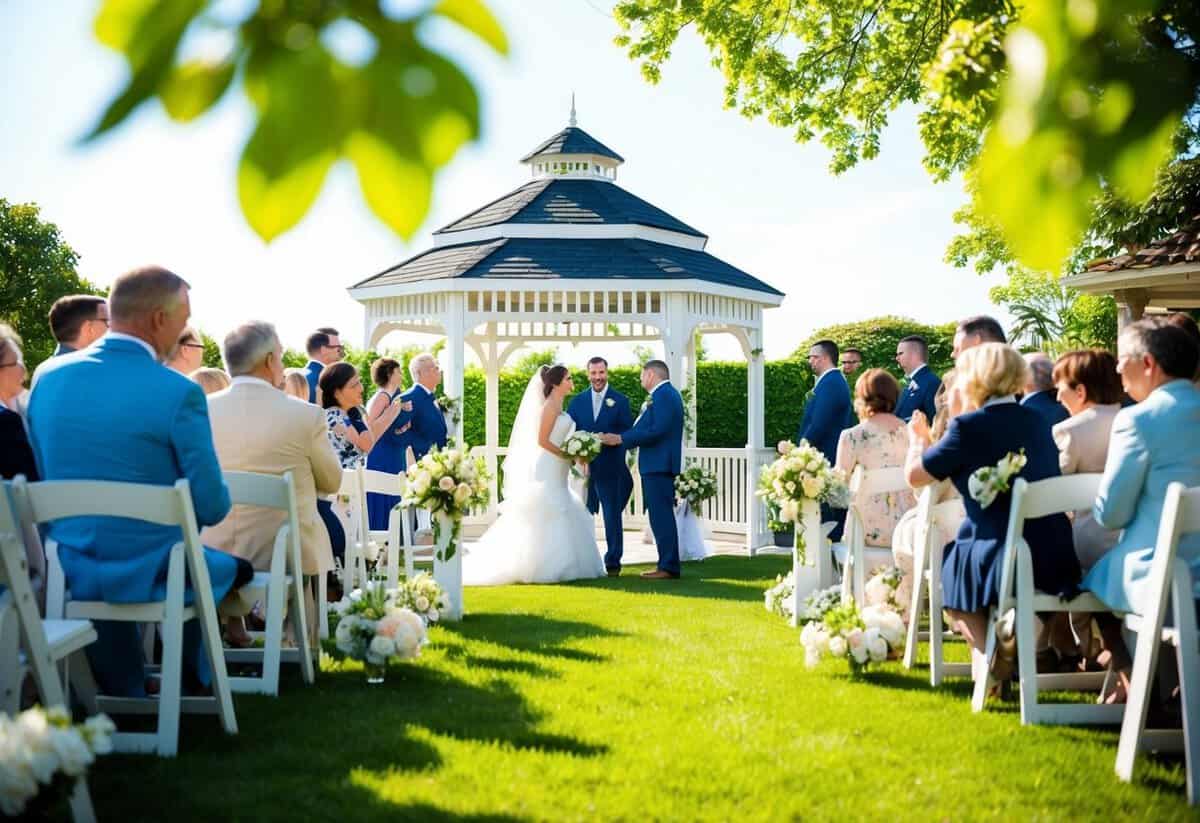
If you’re wondering how to make this happen, remember that prioritizing your tasks is key. You’ll need to decide on your venue, guest list, and theme quickly to keep everything on track. In fact, some couples manage to even plan a wedding in just six months by staying organized and enlisting help from family or friends.
So, if you’re feeling anxious about the timeline, take a deep breath. With commitment and good planning, you can create a beautiful wedding day without a year-long engagement. Get ready to turn your dream wedding into reality!
Determining Your Wedding Timeline
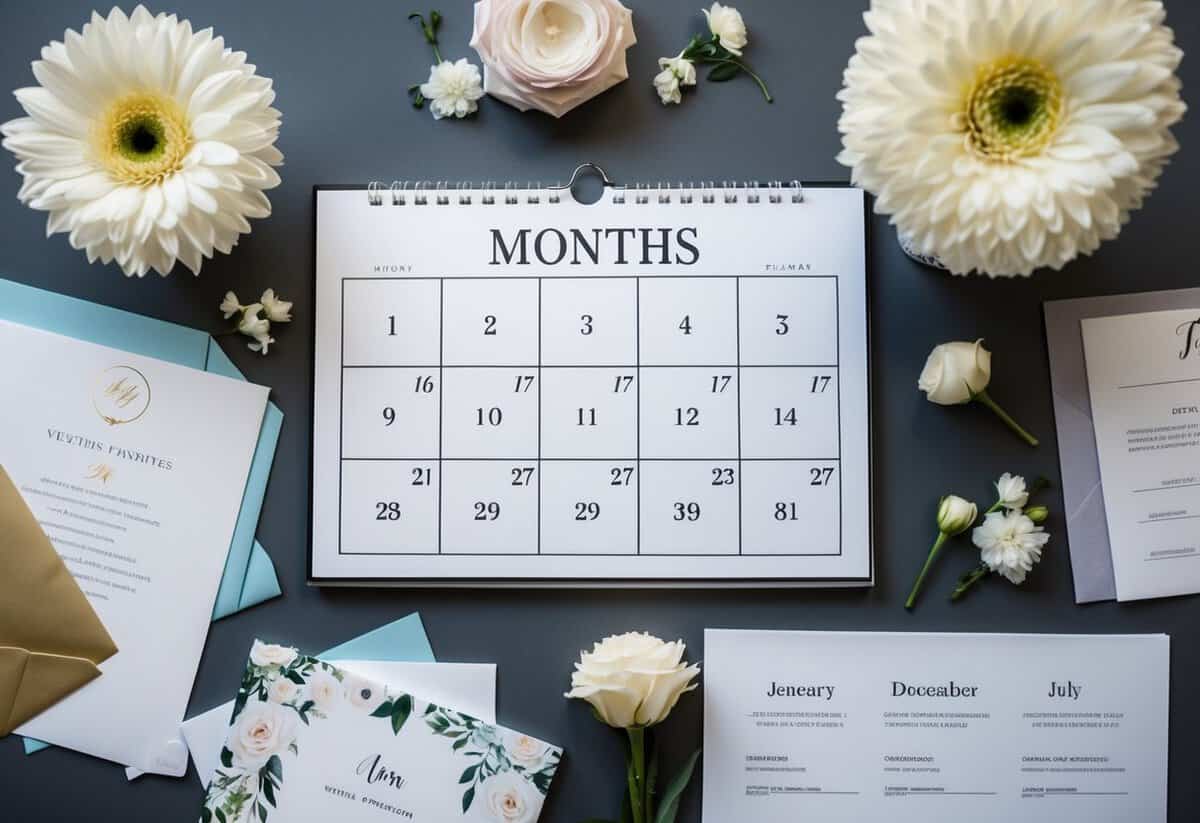
Creating a wedding timeline helps you stay organized and focused. Knowing how long your engagement will be and identifying key milestones can make the planning process easier, even in a shorter timeframe like seven months.
Understanding Engagement Length
The length of your engagement plays a big role in your planning timeline. While some couples take 12-18 months to prepare, it’s possible to plan a wedding in as little as six to seven months.
Consider your priorities. Will you need specific venues or vendors that require early booking? Creating a list of must-haves will empower you to make quicker decisions.
If you’re aiming for a shorter engagement, clear communication with your partner is essential. Open discussions can help you align your visions and set realistic expectations.
Planning Milestones
Setting clear milestones is crucial in a short planning timeline. Start with a list of key tasks and their deadlines. For example:
- Venue Booking: Aim to secure your venue within the first month.
- Guest List: Finalize within the first six weeks.
- Vendors: Book caterers and photographers early, ideally by the second month.
When you outline these milestones, it allows you to track progress. Use a calendar or a simple checklist to stay organized.
With a focused approach, you can ensure that every essential detail is covered before the big day. This method keeps you on schedule and reduces last-minute stress.
Curating Your Dream Wedding
Creating a dream wedding within seven months is possible with careful planning and focus. Key components include defining your vision, choosing a venue that fits your style, and selecting the right vendors who can bring your ideas to life.
Crafting Your Wedding Vision
Start by imagining the type of wedding you want. Do you prefer a casual celebration or an elegant affair? Think about colors, themes, and overall vibes that resonate with you.
Make a mood board to visualize your ideas. Include elements like flowers, venues, and décor styles that catch your eye. This will serve as a guide throughout your planning.
Communicate your vision to your partner and involve them in decisions. Make a list of must-haves to ensure your special day aligns with your dreams.
Selecting the Perfect Venue
The venue sets the tone for your wedding. Consider how many guests you’ll invite, as your space needs to accommodate everyone comfortably. Popular venues can book quickly, so act fast.
Think about locations meaningful to you, like where you met or had your first date. Explore options such as gardens, traditional halls, or intimate backyards. Make sure to visit each place and imagine how your wedding will feel in that setting.
Keep in mind practicalities like parking and accessibility. Ensure the venue is available on your desired date and discuss any packages they offer, which often include catering or décor services.
Choosing the Right Vendors
Choosing skilled vendors is vital for a successful wedding. Start by finding a photographer who captures your style. Look through portfolios and set up consultations to feel comfortable with their approach.
For food, hire a caterer capable of bringing your culinary vision to life. Think about menu options that fit your theme and guests’ preferences.
Don’t forget about your DJ or band, as music creates the atmosphere. Check reviews and get a sense of their style beforehand. A great florist can elevate your venue, so pick someone who understands your color palette and vision. Building relationships with these professionals will ease stress leading up to your big day.
Finalizing the Details

As your wedding day approaches, it’s time to focus on the important details that will make your celebration memorable. From creating the guest list to rehearsing the ceremony, each step requires careful planning to ensure everything goes smoothly.
Guest List and Invitations
Start by finalizing your guest list. This helps you determine how many invitations you need and ensures you don’t overlook anyone important. Make a list of family, friends, and colleagues you want to invite, and consider whether you want to keep it small or have a larger celebration.
Once your list is complete, send out save-the-dates and invitations. Online invitations are quick and convenient, but traditional paper invites add a nice touch. Make sure to include RSVP details so you can track responses easily.
Attire and Beauty Preparations
Choosing your wedding attire is a big task. Start by selecting your wedding dress or suit well ahead of time. Schedule fittings to ensure everything fits perfectly. Don’t forget to consider accessories like wedding bands and shoes.
Hair and makeup trials are essential. Book these well in advance to find a style that complements your look. Bring photos of styles you like and discuss options with your stylist to make your vision a reality. Don’t forget to plan for your bridal party’s attire, ensuring everyone matches the wedding theme.
The Ceremony and Reception Run-Through
Planning the flow of the ceremony is key. Write down detailed outlines for each part, including music selections and readings. Share these with your officiant so everyone is on the same page about the schedule.
It’s also crucial to plan your rehearsal dinner. This gives everyone a chance to practice their roles and ensures everyone knows where to be on the big day. Arrange for transportation and try to keep the atmosphere relaxed and fun. Finally, run through the reception details, like seating arrangements and vendor timelines, to keep the celebration flowing smoothly.
Countdown to the Big Day

As your wedding day approaches, it’s crucial to focus on key tasks and legal requirements. Staying organized can help reduce stress and ensure a smooth celebration. Here are essential items to check off your list.
Last-Minute Tasks
In the final weeks before your wedding, you’ll want to address several important items. Start by confirming your wedding budget. Make sure you have allocated funds for unexpected costs that may arise.
Next, finalize your guest list, and confirm RSVPs. This helps you make decisions about seating and catering.
Don’t forget to check in with your vendors. Make sure everyone is on the same page regarding timelines and details. Creating a detailed wedding planning checklist will help you track these tasks.
Consider planning a rehearsal dinner, too. This gives everyone a chance to practice their roles and feel more comfortable. Lastly, prepare an emergency kit with essentials like safety pins and band-aids.
Legal Considerations
Getting your marriage license is one of the most important steps in your countdown. Research the requirements in your state. Each location has different rules, so don’t put this off.
Typically, you will need to apply for your marriage license at least a month before the wedding. Some places require a waiting period before the license is issued.
Gather necessary documents such as identification and any previous marriage dissolution papers. Be mindful of any fees associated with obtaining the license, as these can vary.
Remember, you may need witnesses at your ceremony, so coordinate with friends or family who will attend. Making sure these legal aspects are settled early can save you last-minute stress.