
Is 7 Too Late for a Wedding? Tips for Planning a Perfect Evening Ceremony
Choosing the perfect time for your wedding ceremony can feel overwhelming. After all, you want everything to be just right for you and your guests. A 7 PM wedding is not too late; in fact, it can create a magical setting under the stars, making for a memorable experience.
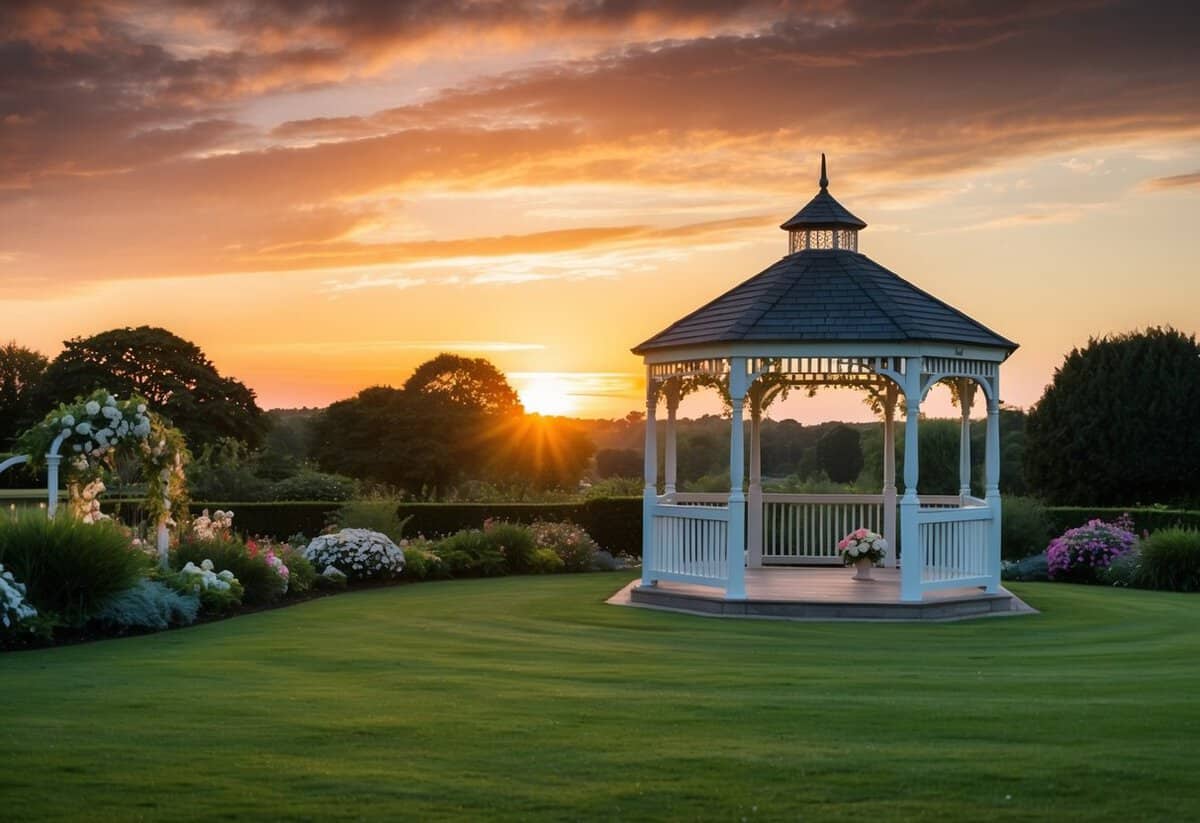
Evening ceremonies have a charm that many couples and guests love. The air is cooler, and the ambiance can be stunning with the right lighting. Many people enjoy celebrating late into the night, making a 7 PM start time not just acceptable but quite appealing.
If you’re wondering how a later ceremony affects your timeline, don’t worry! With careful planning, you can create a seamless evening event that keeps everyone engaged and entertained.
Evaluating the Start Time
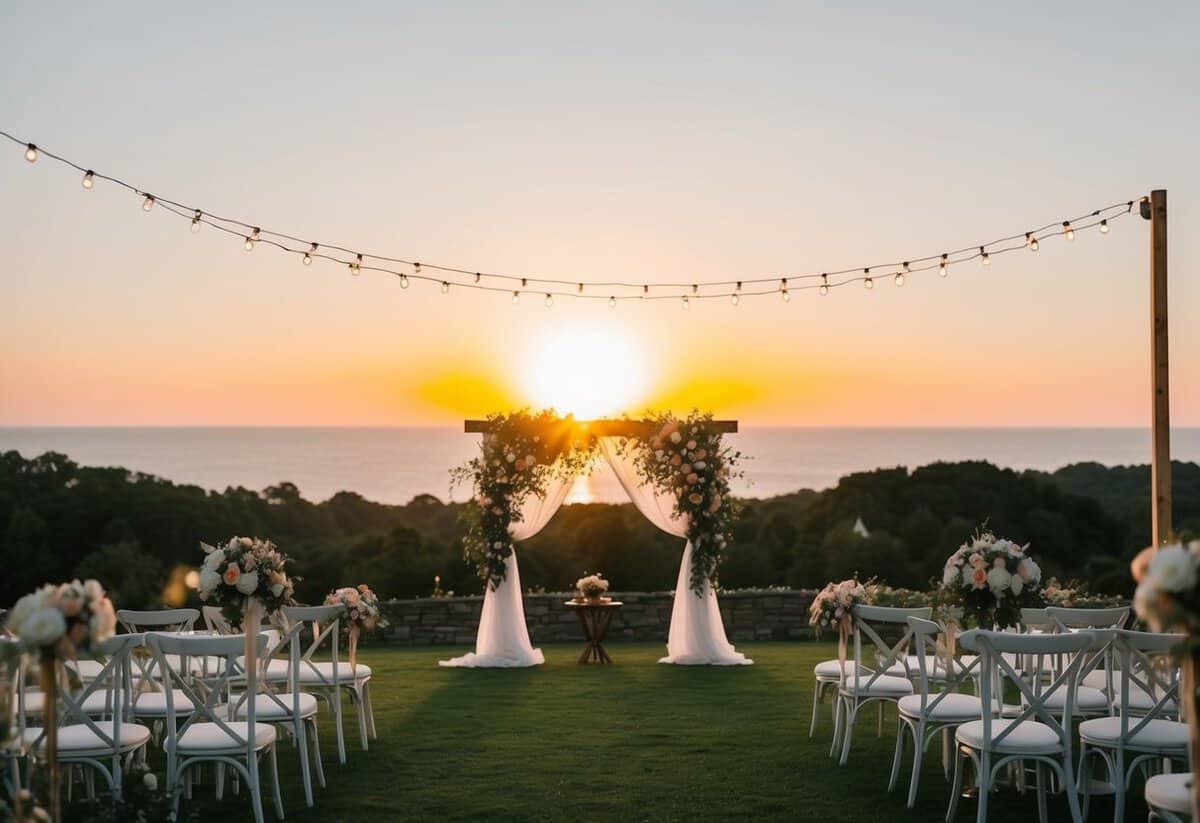
Choosing the right start time for your wedding ceremony is crucial. It affects everything from guest enjoyment to picture-perfect moments. Here’s what you should think about regarding evening ceremonies and the wedding timeline.
Pros and Cons of Evening Ceremonies
Evening weddings can provide a romantic setting. Imagine the soft lighting as the sun sets. Guests often enjoy a relaxed vibe during this time.
Pros:
- Beautiful Lighting: The twilight can enhance your photos.
- Festive Atmosphere: Evenings often feel more celebratory.
- Flexibility: You can have a later start time if you prefer.
Cons:
- Running Late: Evening events may face delays with dinner and festivities.
- Guest Fatigue: Some guests may struggle with late hours, especially those with children.
- Coordination Challenges: Timeline changes can occur if things run behind schedule.
Understanding Wedding Timelines
A wedding timeline is essential for a smooth event. Starting at 7 p.m. or later can work well, but it’s important to consider how it fits into your day.
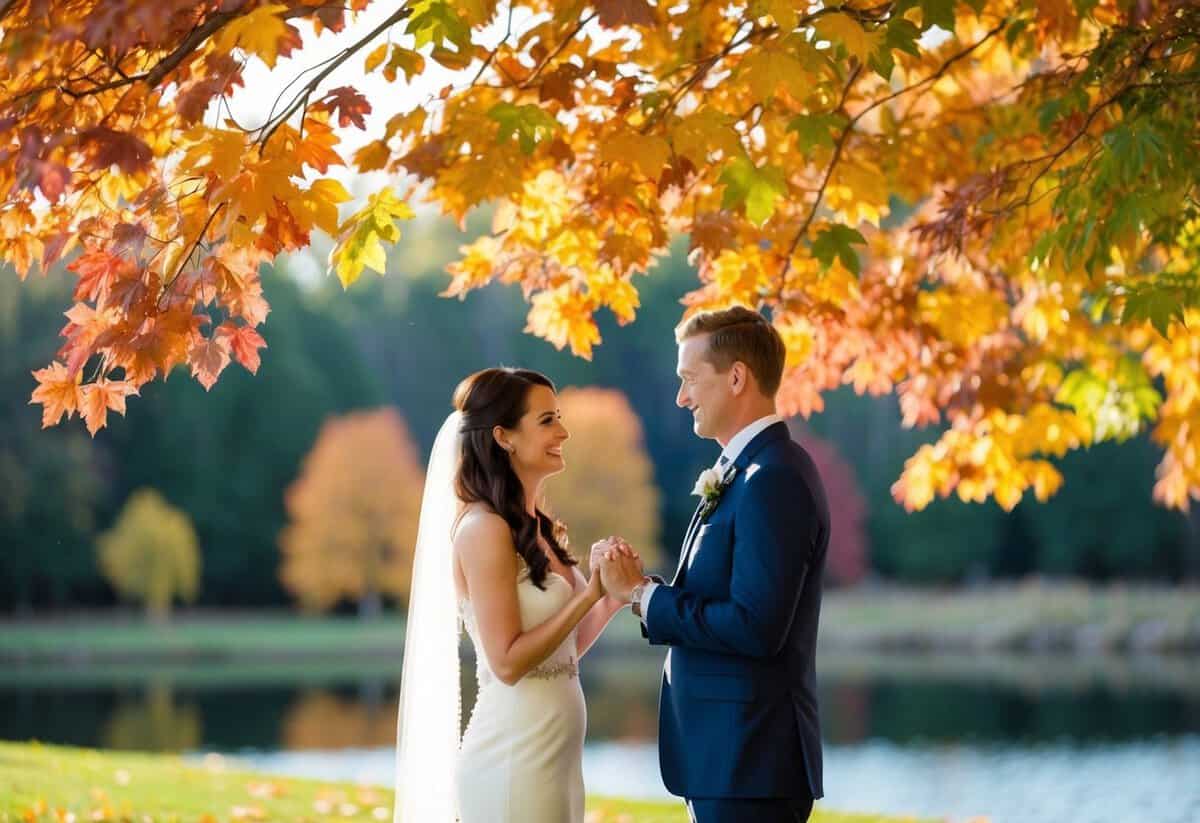
Aim for a start time that allows enough daylight if your ceremony is outdoors. For instance, ceremonies in spring or fall should begin around 5 to 6 p.m. to capture beautiful sunset colors.
If you begin later, plan accordingly. Perhaps have a cocktail hour beforehand while guests await the ceremony.
Make sure to communicate your timeline clearly on your invitations. This way, guests will know when to arrive to avoid being late. Always build in buffer time for unforeseen delays.
Planning for a Late Wedding
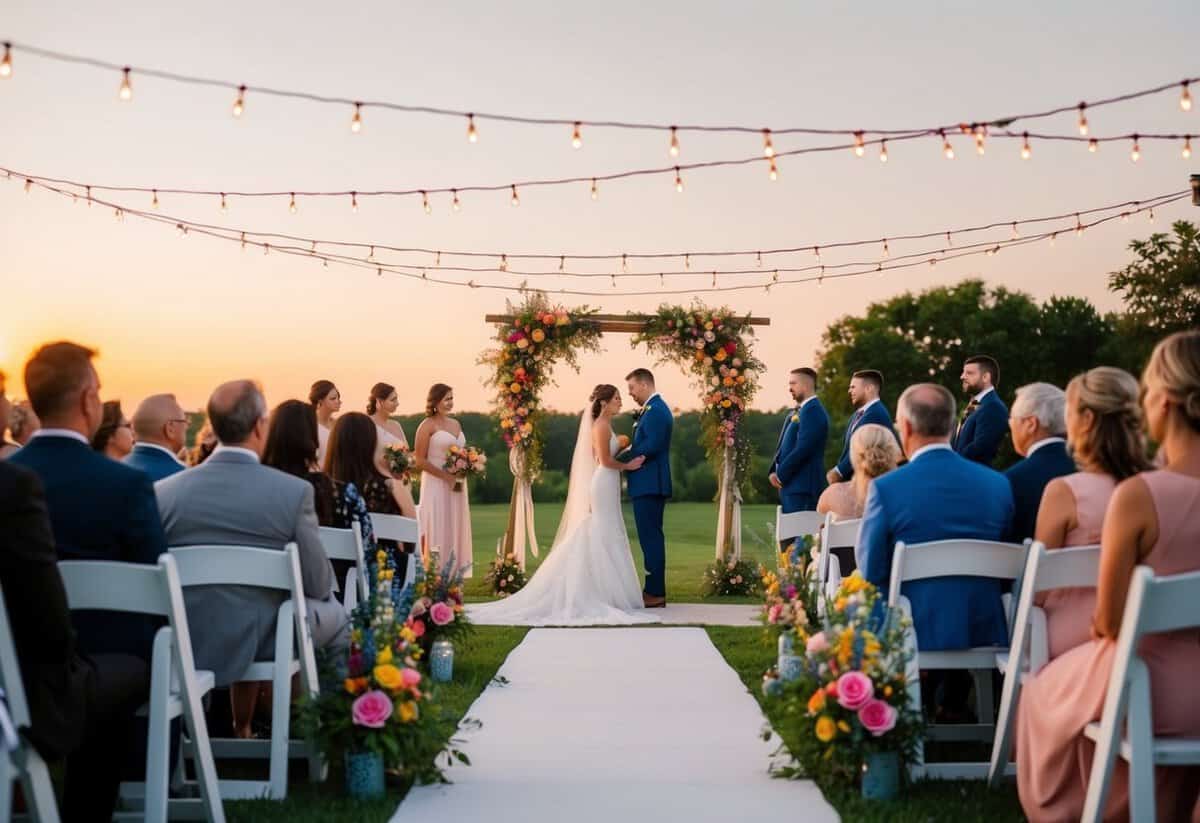
Planning a wedding that starts at 7 PM or later requires careful attention to detail. You should focus on coordinating with your vendors, creating a clear schedule, and ensuring your guests are well informed so the day runs smoothly.
Coordinating with Vendors and Staff
When planning a late wedding, you need to discuss your schedule with all vendors. Make sure they understand the later timing. This includes the caterer, photographer, and entertainment.
Confirm what time they need to arrive and set up. It’s wise to have this in writing, often as part of your contract. Consider additional lighting for the venue as evening weddings may require extra illumination for safety and to enhance photos.
Check if your venue has restrictions on how late it can stay open. Knowing these details will help you plan effectively.
Developing a Detailed Schedule
A detailed timeline ensures everything happens in the right order. Start by listing each key event. This can include the ceremony, cocktail hour, dinner, and dancing.
For a 7 PM ceremony, plan the cocktail hour to start at 8 PM and dinner at 9 PM. Use a table or bullet points to outline this:
- 6:30 PM: Guest arrival
- 7:00 PM: Ceremony starts
- 8:00 PM: Cocktails and appetizers served
- 9:00 PM: Dinner is served
- 10:00 PM: Toasts and speeches
This layout keeps everyone informed and ensures that your vendors are aligned on timing.
Communicating with Guests
Clear communication with your guests is vital, especially for a late wedding. Make sure everyone knows the start time well in advance.
Use your wedding invitation and save-the-date cards to share the schedule. Consider sending a reminder a week before the event.
Include important details like parking information and venue guidelines. Let guests know there will be food and entertainment available, so they are prepared for the later timing.
This proactive communication will help set proper expectations and ensure everyone enjoys the celebration.
Creating an Enjoyable Guest Experience
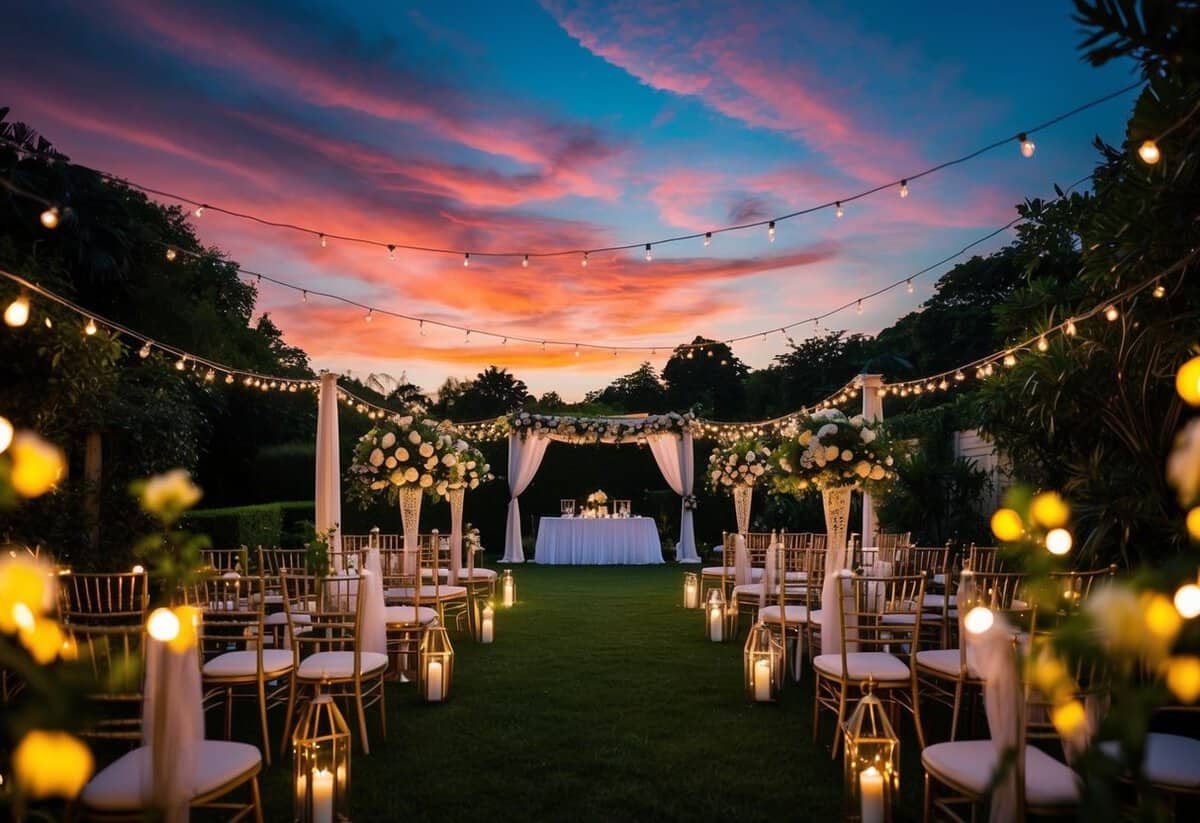
Your wedding should be a memorable event not just for you but also for your guests. Ensuring that everyone feels comfortable and entertained is key. Here are some important aspects to focus on.
Accommodating the Needs of Attendees
To make your guests feel welcome, consider their needs right from the start. Send out RSVP cards to get an accurate headcount. This helps you plan seating and catering.
Think about any special accommodations for guests with dietary restrictions. Offering a buffet-style dinner allows individuals to choose what they like, ensuring everyone finds something enjoyable.
Also, consider providing seating options for different groups. This can help guests mingle more easily and make the event feel more inclusive and relaxed.
Activities Between Ceremony and Reception
Between the ceremony and the reception, entertain your guests to keep the energy high. You might arrange lawn games or a photo booth for some fun interactions.
Creating a simple schedule for these activities can help guests know what to expect. This can also allow everyone to mingle and break the ice before dinner.
You could also set up a small cocktail hour. This gives guests a chance to enjoy drinks and snacks while catching up with each other.
Offering Refreshments and Cocktails
Providing refreshments is essential for a positive wedding experience. Start with a cocktail hour where guests can enjoy drinks while socializing. You might offer signature cocktails that reflect your personalities.
Ensure there is a variety of options, both alcoholic and non-alcoholic. This keeps everyone satisfied, whether they prefer cocktails or mocktails.
During dinner, consider having enough food to keep guests happy. A buffet allows for different tastes and can suit guest etiquette preferences. Offering late-night snacks can also be a fun surprise, keeping the energy alive throughout the evening.
With attention to these details, your wedding can be an enjoyable experience for all your guests.
Memorable Moments and Traditions
Creating unforgettable memories at your wedding is essential. You’ll want to focus on capturing special moments and including meaningful traditions that reflect your unique love story.
Capturing the Day with Photos and Videos
Photos and videos play a crucial role in preserving your wedding memories. Consider scheduling a “first look” session to capture that magical moment before the ceremony. This private setting allows for intimate photos without the wedding party.
Your wedding planner can help coordinate the timing for group photos with friends and family after the ceremony. Make sure to include candid shots on the dance floor, as these often showcase the joy of your celebration. Hiring a skilled videographer will allow you to relive special moments, like heartfelt toasts and unique dances, long after your big day.
Incorporating Special Toasts and Dances
Toasts are a perfect way to celebrate love and connection. Ensure you invite your closest friends and family to give a toast during the reception. Personal stories and shared laughter create a warm atmosphere for everyone.
Dancing is another significant tradition that brings energy to your celebration. You might consider having a special dance with your wedding party. Start with a romantic first dance. Then, encourage everyone to join you on the dance floor. This creates a lively party atmosphere and allows guests to have fun together, making your day even more memorable.