
Is 7pm Too Late for a Wedding Ceremony? Tips for Evening Celebrations
Planning your wedding can be thrilling yet overwhelming, especially when it comes to timing. You might wonder if starting your ceremony at 7 PM is too late. A 7 PM wedding can work beautifully for many couples. It allows for a lovely evening atmosphere and plenty of time for a festive celebration.
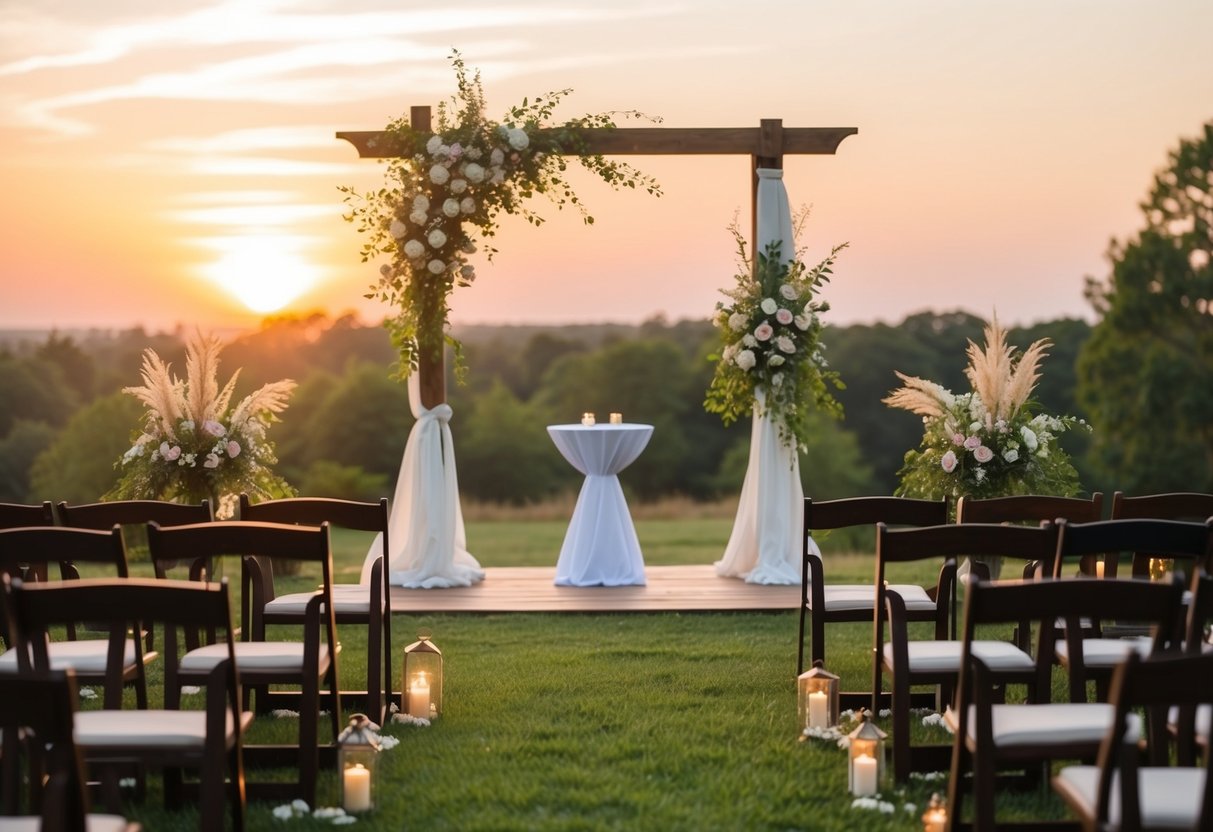
As you consider the perfect wedding day timeline, think about how a later ceremony can fit into your plans. A 7 PM start can mean a romantic sunset backdrop. But, make sure to keep wedding etiquette in mind, especially when it comes to guest comfort.
You should also plan for cocktail hour and dinner after the ceremony to keep spirits high and hunger at bay.
Planning Your Evening Wedding
Planning an evening wedding requires careful thought about several key aspects. You need to consider the venue, manage your guests’ expectations, and coordinate your vendors effectively to ensure everything runs smoothly.
Choosing the Right Venue
Finding the perfect venue for your evening ceremony is essential. Look for locations that offer beautiful sunset views or romantic lighting options. Many venues provide packages that include both the ceremony and reception.
Make sure the venue’s capacity fits your guest list. You don’t want your 7 PM ceremony to feel cramped. If you plan to hold a cocktail hour, choose a venue that has spaces for guests to mingle comfortably.
Check if they have a reliable sound system for your ceremony. This is particularly important as it could affect how everyone experiences the event.
Managing Guest Expectations
Clear communication with your guests is important. Send out your save the dates early. A timely wedding invitation that states the 7 PM start time will help guests plan accordingly.
Consider including a note about your ceremony’s timeline. Let them know when dinner will be served and highlight any unique aspects of the night, like dancing or speeches, which follow the ceremony.
Planning is key to help everyone feel comfortable and enjoy the evening. Make sure guests know about any parking arrangements or shuttle services you have set up.
Coordinating Vendors and Timing
Successful coordination with your vendors is crucial. Discuss your wedding timeline with your planner, photographer, and caterer to ensure everyone is on the same page.
Confirm that your vendors understand the start time of your ceremony and any transitions that will follow. This includes the timing for cocktail hour, dinner service, and dancing.
If you have a photographer, talk about the best times to take family and couple portraits. Make sure that the timeline allows for these without holding up the dinner. Plan your vendor sessions with short breaks in between to keep things running on schedule.
Timeline of the Big Day
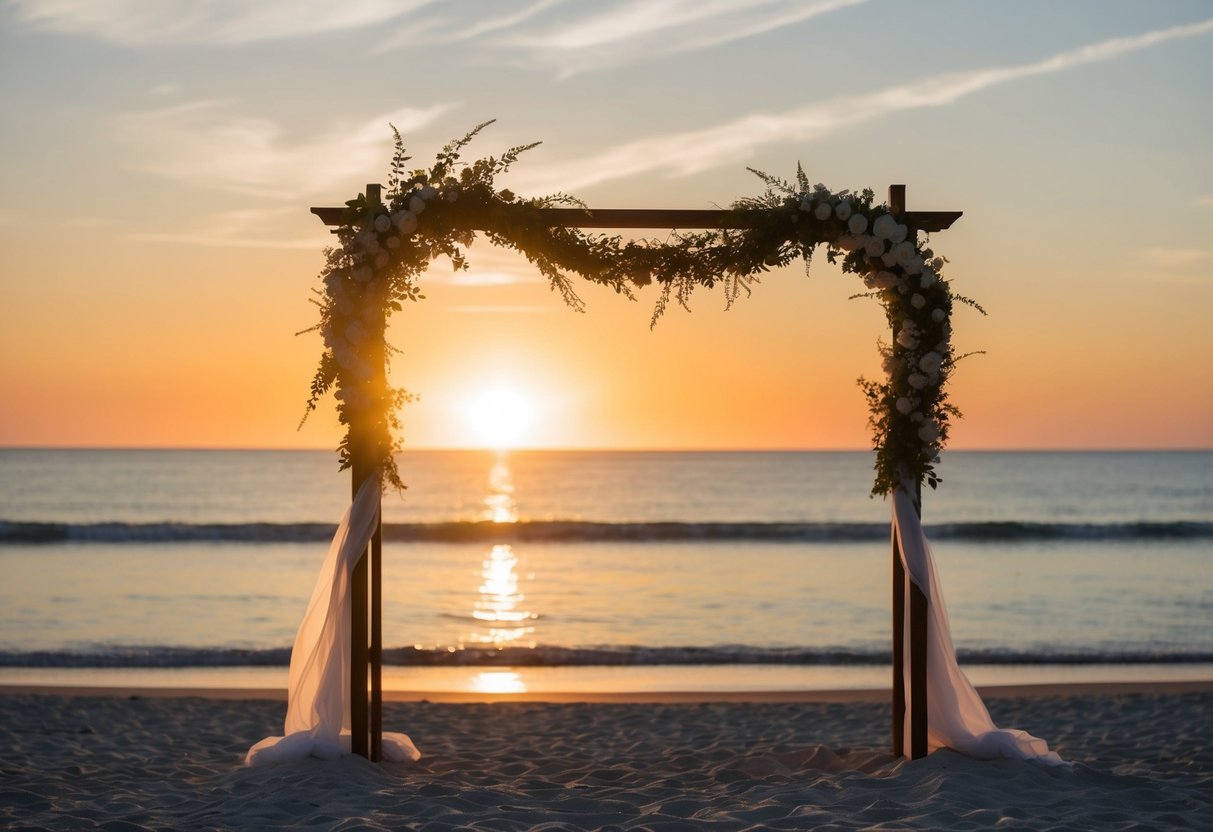
Planning the timeline for your wedding day is essential. A well-structured schedule helps ensure everything flows smoothly from the ceremony to the evening entertainment.
Ceremony Start Time
Your ceremony start time sets the tone for the entire day. If you choose a 7 PM ceremony, make sure to inform your guests well in advance. Consider scheduling the ceremony about 15-30 minutes before actual start time. This allows guests to settle in and enjoy the moment.
If you want a special moment with your partner, think about having a first look before the ceremony. This personal time can ease pre-wedding nerves and give you beautiful photos before your guests arrive.
Cocktail Hour and Dinner Considerations
After the ceremony, a cocktail hour is a nice way to transition guests from the vows to dinner. Plan for about 30-60 minutes of mingling, giving you time for post-ceremony photos without rushing.
Dinner should be served soon after the cocktail hour. If your ceremony starts at 7 PM, aim to have dinner on the table by about 8 PM. A later dinner can leave guests feeling hungry and restless. Make sure to account for any speeches or toasts before the meal. These moments bring joy but can also delay dinner service.
Evening Entertainment and First Dance
As the evening continues, it’s time for entertainment. Plan your couple’s first dance shortly after dinner, usually around 9 PM. This keeps the energy up and gets everyone excited for the night.
If you’ve hired a DJ or live band, communicate the timeline with them. This ensures they are ready for your first dance, followed by other activities like parent dances or group dances. Well-timed entertainment keeps the party lively and guests engaged, making your wedding memorable.
Guest Experience and Etiquette
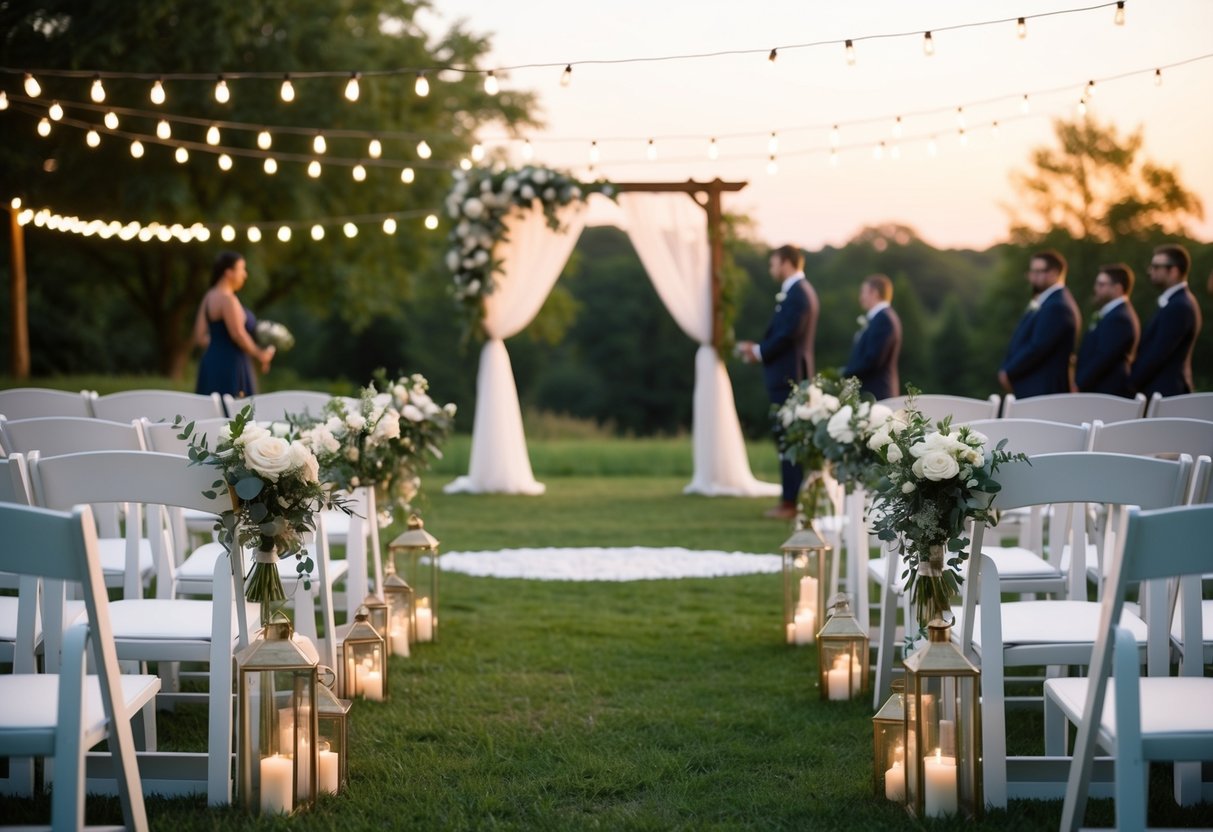
It’s important to consider how the timing of a wedding impacts your experience as a guest. Arriving on time enhances your enjoyment of the ceremony and helps keep the event running smoothly. Here’s what you need to know to navigate the wedding day etiquette effectively.
Navigating Ceremony Arrival
When attending a wedding, aim to arrive at least 15-30 minutes early. This allows you to find parking, avoid potential delays, and settle in before the ceremony starts. Large weddings may have designated parking areas, so check your wedding invitation for any specific instructions.
If you are running late, try to arrive quietly and without interrupting. Being late can disrupt the ceremony and affect the experience for other guests. If you miss the ceremony entirely, assess whether joining the reception later is appropriate.
Enjoying the Reception and Avoiding Delays
During the reception, it’s best to follow the wedding day timeline. Knowing the schedule helps you be at the right place at the right time.
Most receptions include elements like toasts and the first dance, which are key moments to experience.
If you’re at a larger wedding, you can avoid delays by being aware of timelines for things like dinner and dancing. Groomsmen, wedding officiants, and other key participants may also help keep events flowing smoothly.
Enjoy the celebration while being mindful of the schedule, making the experience enjoyable for everyone.