
Is 7pm Too Late for a Wedding Reception? Exploring Timing and Atmosphere
Planning a wedding involves many choices, and one of the most common questions is about the timing of the reception. Starting your wedding reception at 7 PM is generally acceptable and can create a fun, lively atmosphere. Many couples choose evening events to take advantage of the magical ambiance that comes with nighttime celebrations.
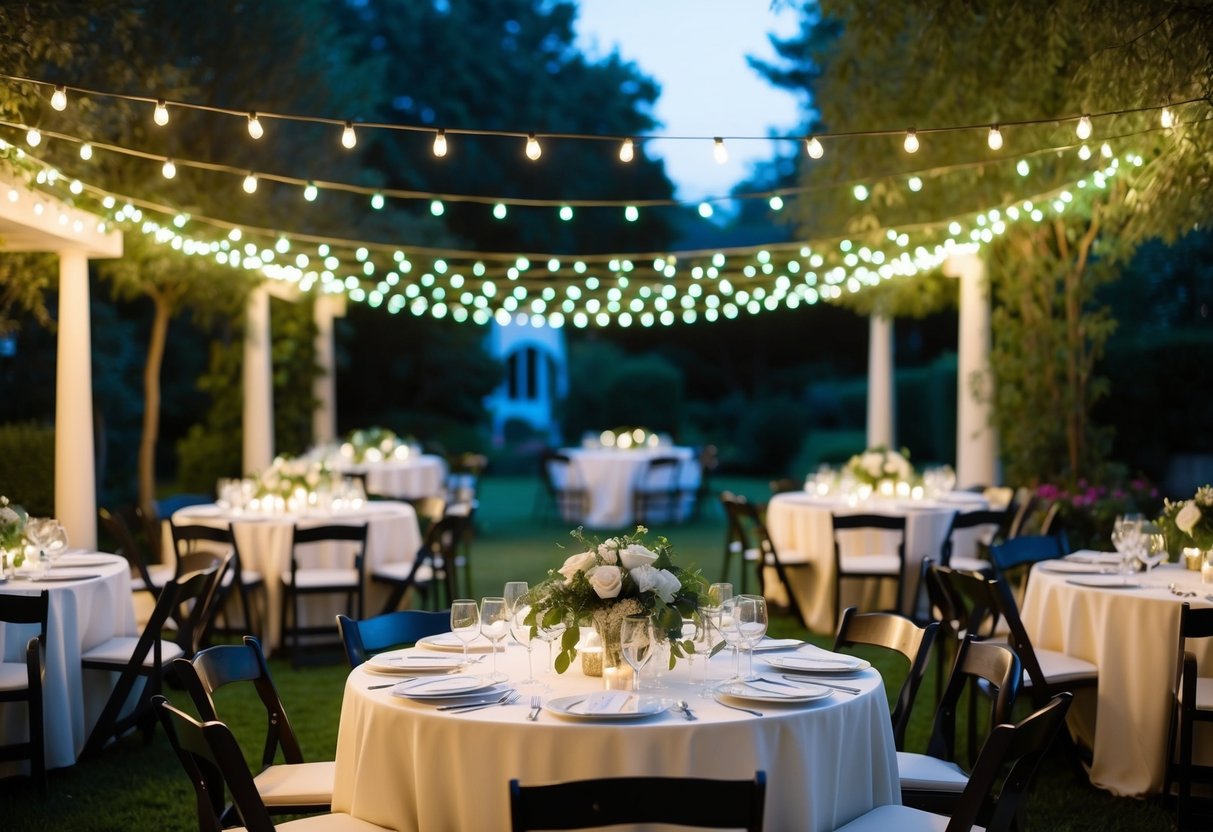
When creating your wedding day timeline, consider how late guests may stay and how it impacts the overall flow of the evening.
Wedding etiquette allows for flexibility, and as long as you set clear expectations with your guests, a 7 PM start time can work well. Remember, factors like the season and venue can also influence your decision.
If you’re worried about how late is too late to arrive at a wedding, most guests are comfortable with evening receptions that start around this time. You’ll want to ensure that your plan accommodates special moments, like toasts and dances, for everyone to enjoy, regardless of the start time.
Planning Your Wedding Day Schedule
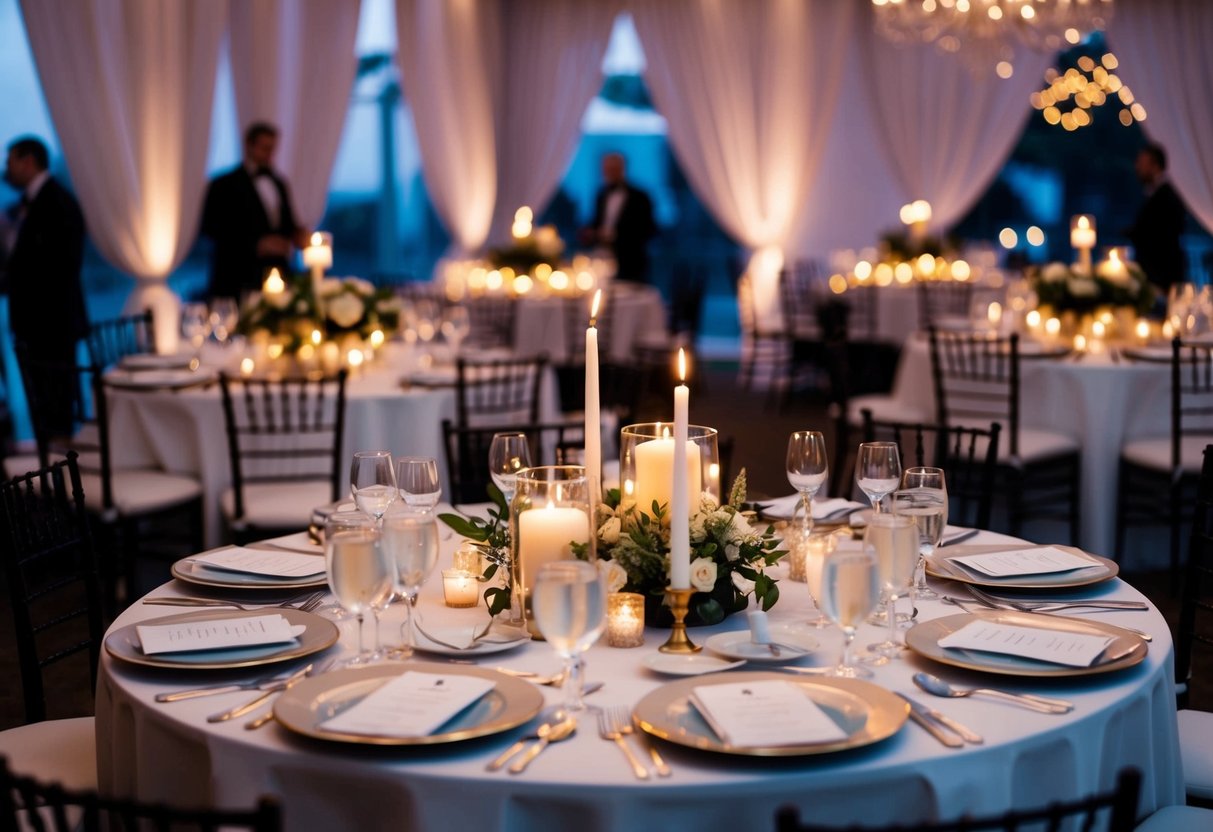
Creating a smooth and enjoyable wedding day schedule is essential. Careful planning ensures that everything flows seamlessly, allowing you to focus on your celebration. Here are some important considerations to keep in mind.
Determining the Ceremony Start Time
Choosing the right ceremony start time is key to a successful day. If your wedding is at 7 p.m., think about the sunset. Setting your ceremony closer to sunset can provide beautiful lighting, perfect for photographs.
You might want to start your ceremony around 5:30 or 6:00 p.m. This timing allows you to have a graceful transition into the evening while giving guests enough time to arrive. It’s also wise to build in some buffer time for unexpected delays, so consider starting a bit earlier than you think you need.
Incorporating a Cocktail Hour
Don’t underestimate the joy of a cocktail hour! This time gives you a chance to unwind after the ceremony while guests mingle.
It’s typically scheduled right after the ceremony, lasting about 60 to 90 minutes. This also allows time for any delayed transitions.
During this hour, consider serving light appetizers and drinks. You can either have a signature cocktail or offer a variety of options. It’s a great way to set a fun and relaxed mood, enhancing the overall experience for your guests.
Allocating Time for First Look and Family Photos
If you choose to have a first look, plan this carefully. Typically, this happens about an hour before the ceremony.
This special moment allows just the two of you to connect privately before the big event.
After your first look, allocate about 30 minutes for family photos. Make sure to provide a list of family groupings to your photographer in advance. This helps everyone stay organized and minimizes stress. With a well-planned schedule, you can capture precious memories without feeling rushed.
Reception Timing Considerations
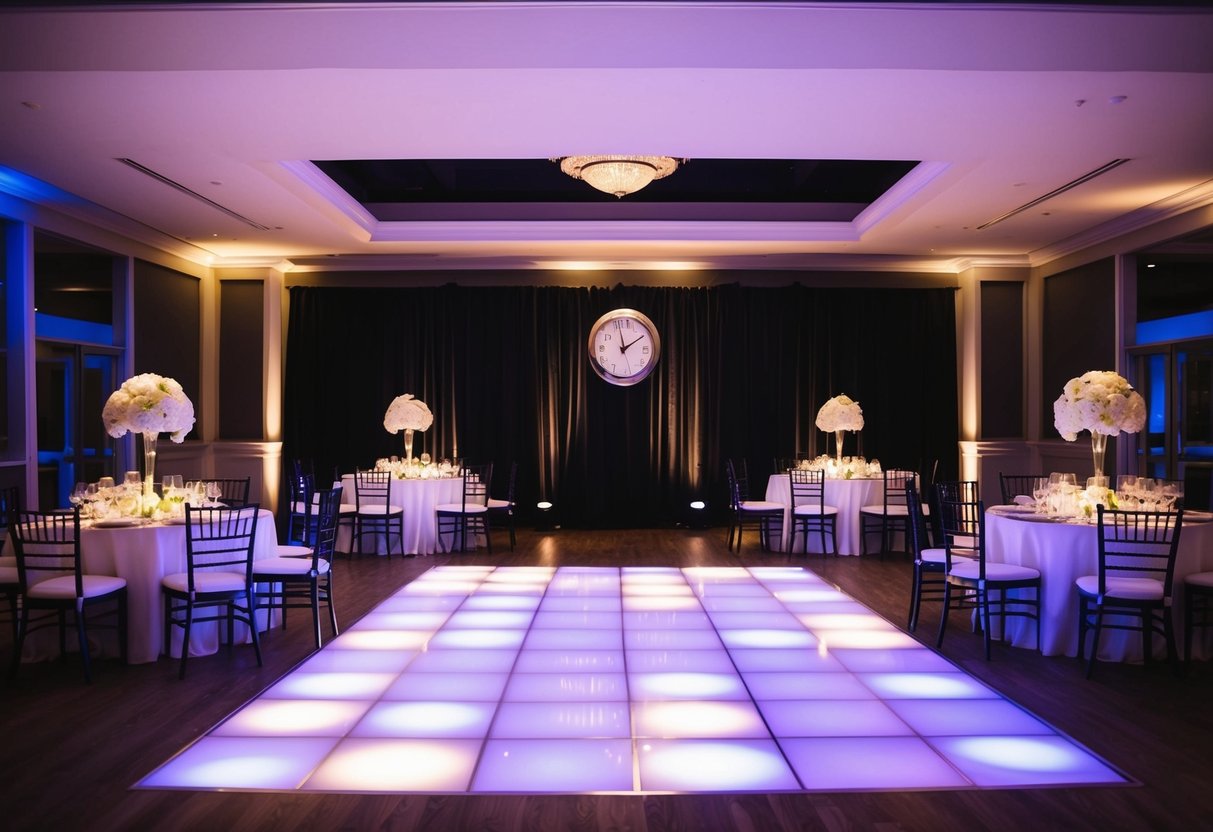
When planning your wedding reception, selecting the right timing is crucial. You want to ensure that guests enjoy themselves and that all events flow smoothly throughout the evening. Here are some important factors to consider.
Deciding on Dinner Reception Timing
Choosing the right time for your dinner reception is essential for guest satisfaction.
Aim to have dinner served no later than 8 PM. Serving dinner too late may lead to hungry guests and a less enjoyable experience.
If your ceremony starts late in the afternoon or early evening, think about having a cocktail hour. This will give guests something to enjoy while they wait.
If you want everything to start on time, let your guests know the timeline when they RSVP. This way, everyone arrives prepared.
Allowing Buffer Time for Larger Weddings
When hosting larger weddings, things can sometimes take longer than expected. To avoid stress, it’s wise to allow extra time between events.
This buffer can help accommodate delays, whether from guests arriving late or extended speeches.
Consider adding 15 to 30 minutes into your timeline for the cocktail hour. This way, guests won’t feel rushed. If the reception must start on time, plan for gaps between the ceremony, cocktail hour, and dinner.
Always keep in mind that a little extra time goes a long way in making everyone feel relaxed and happy.
Scheduling the First Dance and Dance Floor Opening
The first dance is a significant moment during any reception. Ideally, it should happen shortly after dinner.
Scheduling this around 9 PM is a great option. This timing allows the meal to settle before moving to the dance floor.
Once the first dance concludes, invite guests to join you on the dance floor. This encourages a lively atmosphere.
If dancing starts too late, guests may be less inclined to participate, especially if they need to leave early. Keeping your reception’s energy up is key to creating a memorable night for you and your guests.
Wedding Invitations and Guest Expectations
Your wedding invitation sets the tone for your big day and helps guests know exactly what to expect. Clear communication about timing can reduce confusion and ensure everyone arrives in time for the important events.
Communicating Clear Timing on Invitations
Make sure your wedding invitation includes the exact time of the ceremony and reception. This helps guests plan their day and ensures they arrive at the right moment.
You might want to format it like this:
- Ceremony Time: 4:00 PM
- Reception Time: 5:30 PM
Including specific times makes it easier for guests to understand when they should be present.
You can also add details like “Arrival at 3:30 PM” for guests who may need time to find a seat. Using a clear and bold font will make the timing stand out, helping to avoid any last-minute confusion.
Setting Guest Arrival Times
Setting a clear arrival time is helpful for your wedding guests. You want them to feel welcomed and not rushed.
For example, if the ceremony starts at 4:00 PM, suggest that guests arrive by 3:30 PM. This allows them time to settle in and enjoy the atmosphere.
Consider mentioning this in your save-the-date cards or your wedding invitation. You could say, “Please plan to arrive early for a wonderful experience!” This friendly reminder can help guests avoid being late and enhance their overall experience at your celebration.
Role of Wedding Party and Officials
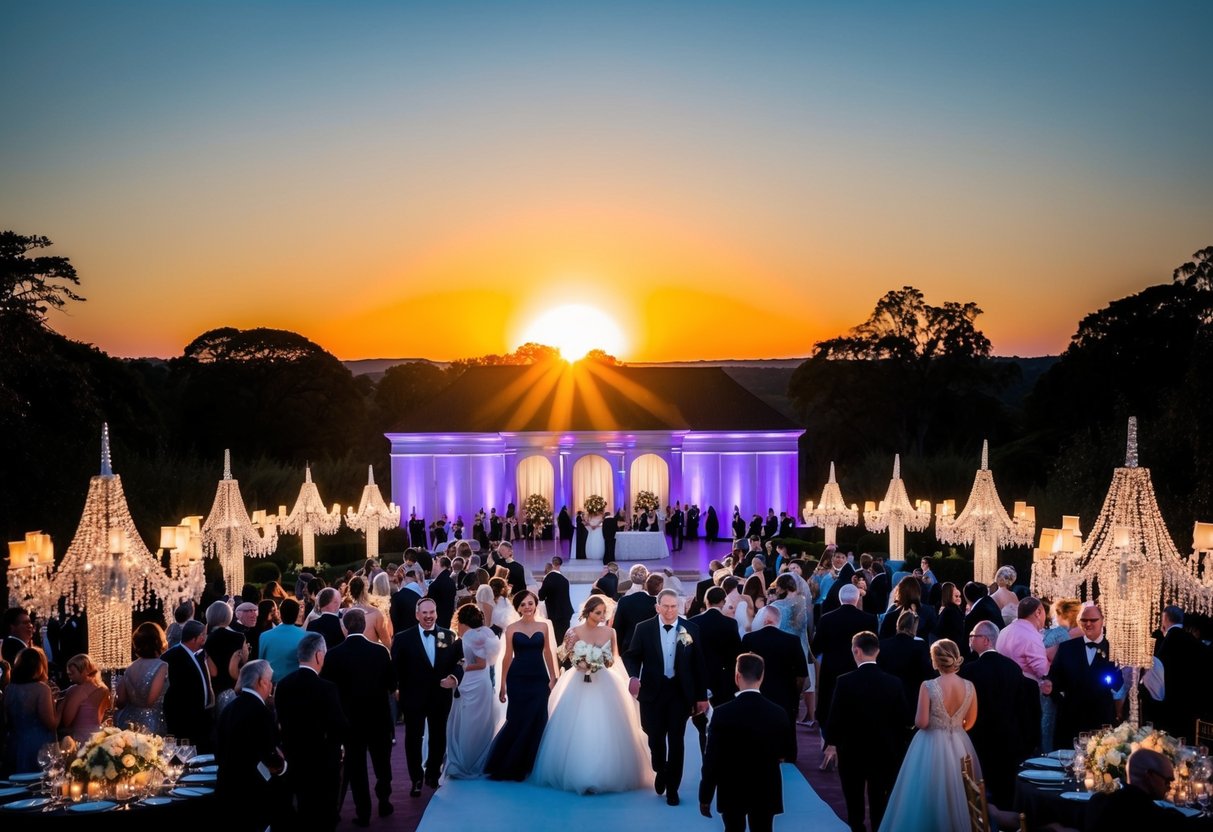
The wedding party plays a vital role in making your big day run smoothly. Their responsibilities include supporting you emotionally and logistically while ensuring that everything happens on time. Coordination with wedding officiants is also essential, as they will lead the ceremony and set the tone for the event.
Bridesmaids and Groomsmen Responsibilities
Bridesmaids and groomsmen are more than just pretty faces in formal wear. Their primary duty is to support you throughout the planning process and on the wedding day. This can involve helping with tasks like addressing invitations or setting up decorations.
On the day of the wedding, they also help streamline the timeline.
For instance, groomsmen can assist in ushering guests, while bridesmaids can help you dress and keep track of personal items. They serve as your support system, helping to ease any pre-ceremony jitters.
Additionally, they participate in the ceremony itself. Bridesmaids walk down the aisle before you and can be involved in tasks like holding your bouquet. Groomsmen stand by the groom, making the couple feel well-supported.
Coordination with Wedding Officiants
Your wedding officiant has a crucial role in your ceremony. They lead the rituals and ensure everything goes according to your wishes. It’s important for you to communicate openly with them about your vision for the ceremony.
Before the big day, you’ll want to meet with the officiant to discuss details like vows, readings, and any personal touches. This helps them personalize the ceremony to fit your style.
On the day of the wedding, the officiant will coordinate with your wedding planner and the wedding party. This ensures that everyone knows their roles and that the ceremony flows smoothly. They also manage the timing. This ensures everything starts as scheduled, which is especially important if you have a later reception.