
Is a 100 Person Wedding Small? Exploring the Perfect Guest List Size
Planning a wedding comes with many choices, and guest count is one of the biggest decisions. If you’re considering an event with around 100 people, you might be wondering about the right label for that size.
A 100-person wedding falls into the medium size category, offering a nice balance between intimacy and celebration.
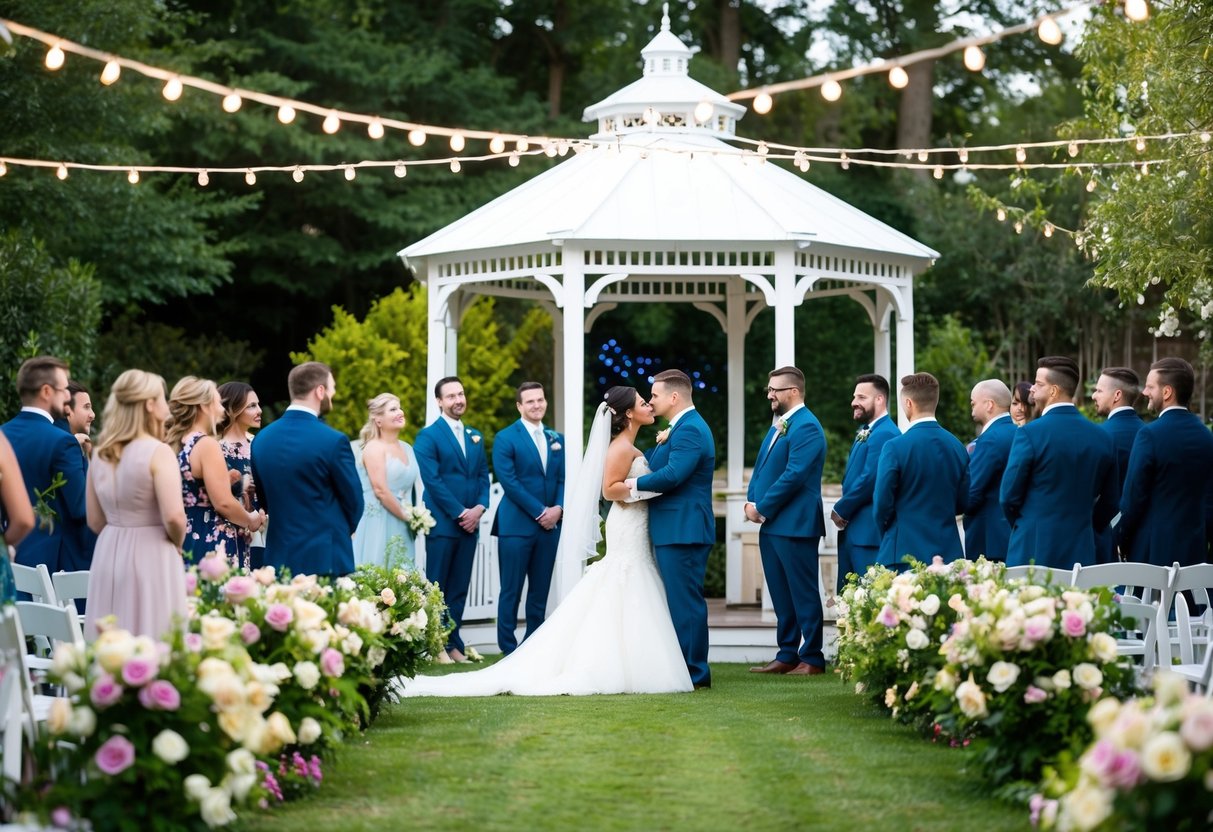
Understanding how different sizes impact the feel of your wedding can help you make the best choice for you and your guests. A smaller gathering might deliver a cozier atmosphere, while a larger one could feel more festive. With 100 guests, you can enjoy elements of both styles, making it a popular option for many couples.
As you think about where to hold your wedding, who to invite, and what atmosphere you want to create, it’s important to keep your vision in mind. This guest count offers enough flexibility to include friends and family while still keeping the mood personal and warm.
Understanding Wedding Sizes
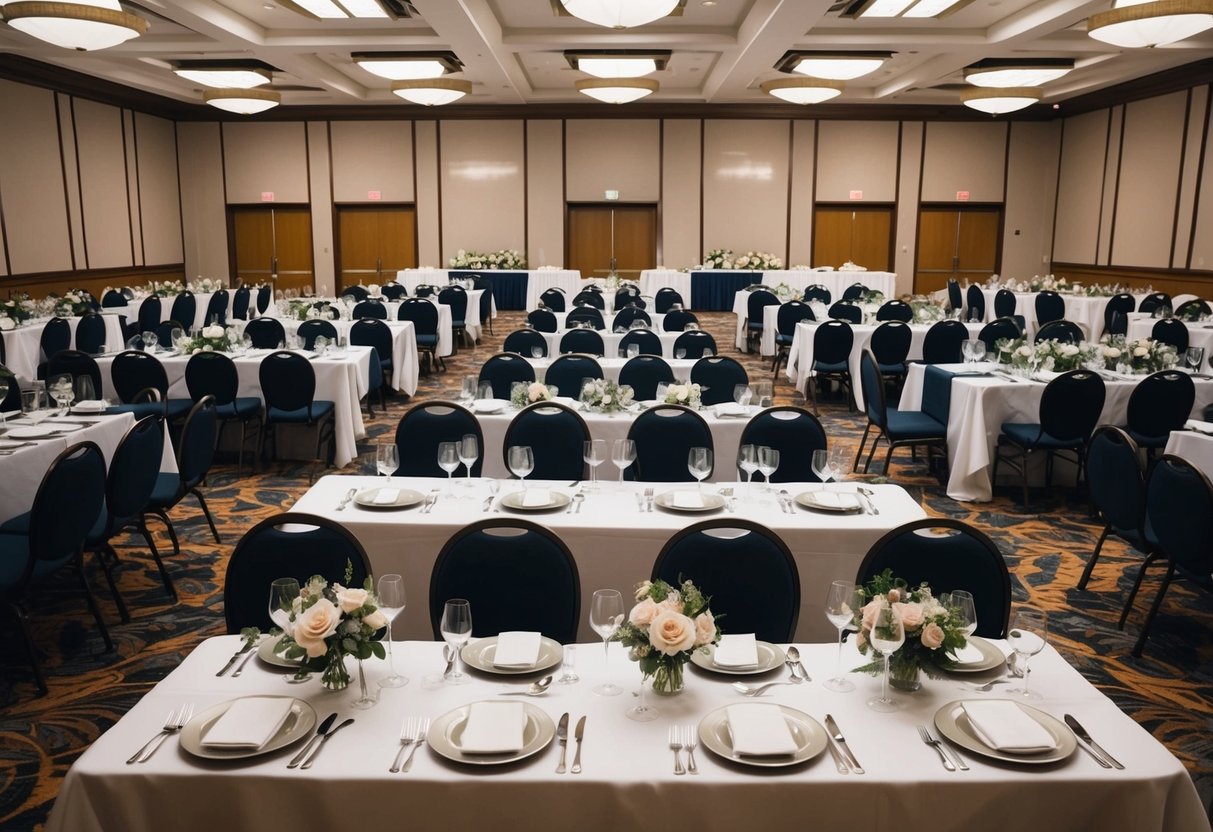
When planning your wedding, understanding the different sizes can help you create the perfect event. Weddings are generally categorized into small, medium, and large sizes, each offering a unique experience. This helps when considering your guest list, budget, and overall feel of your celebration.
Defining Small, Medium, and Large Weddings
A small wedding typically includes 50 guests or fewer. These intimate gatherings allow you to celebrate with close family and friends. A medium wedding usually has between 50 to 150 guests, striking a balance between intimacy and a lively atmosphere.
On the other hand, a large wedding generally has over 150 attendees. These events can feel grand and festive but may lose some personal touch due to the higher guest count. Your preferred size often depends on personal preferences, family traditions, and the atmosphere you want to create.
Average Wedding Size
The average wedding size varies. Many couples now consider a guest list of around 100 people to be typical. This size is often seen as a medium wedding, offering a good mix of intimacy and festivity.
Couples may find that a wedding in this size range allows for meaningful interactions without feeling overwhelming. Depending on your budget, a larger wedding could lead to higher expenses, especially in areas like catering and venue space.
The 100-Person Wedding
A 100-person wedding manages to offer a cozy yet lively environment. This size lets you invite a good mix of friends and family, ensuring everyone can celebrate together. You can still enjoy personal interactions with your guests without sacrificing too much of the festive atmosphere.
Many venues accommodate around 100 guests comfortably. This size also helps keep your budget in check. Catering costs typically decrease per person as your guest list gets smaller. You can often find that a 100-person wedding balances cost, intimacy, and enjoyment perfectly.
Planning Your Wedding
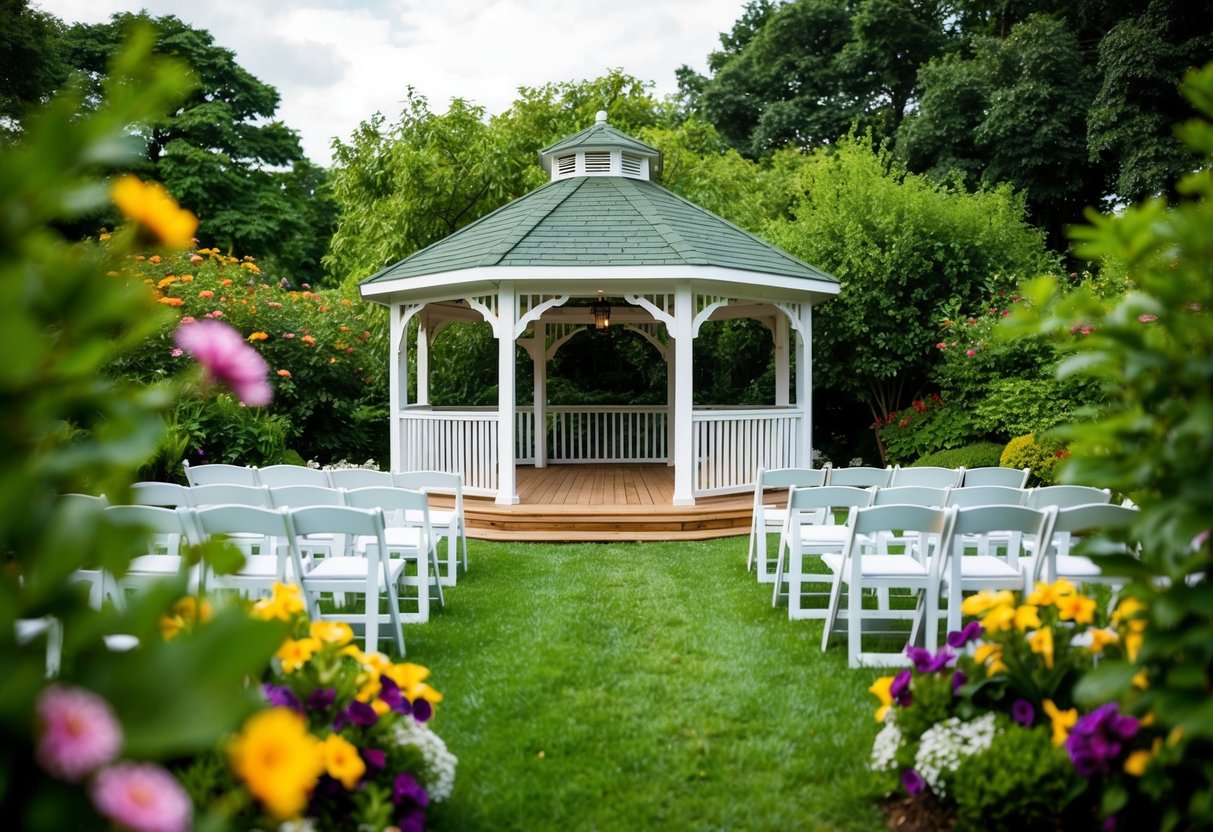
When planning your wedding, several important factors come into play. From creating your guest list to choosing the perfect venue, each decision shapes your special day. Carefully considering your budget also ensures you can celebrate without stress.
Setting Your Guest List
Start by deciding who you want to invite. A 100-person guest count can feel just right, offering a balance between intimacy and celebration. Think about your closest friends, family, and anyone who has played a significant role in your life.
Keep in mind the different dynamics of larger groups. It’s helpful to create a list and categorize guests as “must-haves,” “nice-to-haves,” and “optional.” This way, you can easily adjust if your guest list needs to shrink or if your venue has capacity limitations.
Choosing a Venue
Picking the right venue is essential. Look for locations that can comfortably accommodate your guest list size while reflecting your style. Consider factors like accessibility, available services, and atmosphere.
For a 100-person wedding, options can include banquet halls, outdoor gardens, or intimate restaurants. Each venue will come with its own set of rules and capacities, so check availability and any restrictions. Also, think about the seating arrangements. Depending on the layout, you may use round tables for a more social vibe or long tables for a family-style feel.
Budget Considerations
Budgeting is critical in wedding planning. First, determine how much you’re willing to spend. A 100-person wedding typically requires you to allocate funds for catering, decor, venue rental, and other wedding expenses.
Create a detailed breakdown of each category to visualize potential costs. Research local vendors and consider packages, as this can help you save on expenses. Remember to include a buffer for unexpected costs to ensure your planning stays smooth. Prioritize what matters most to you, whether that’s food, entertainment, or decor.
Personalizing Your Celebration
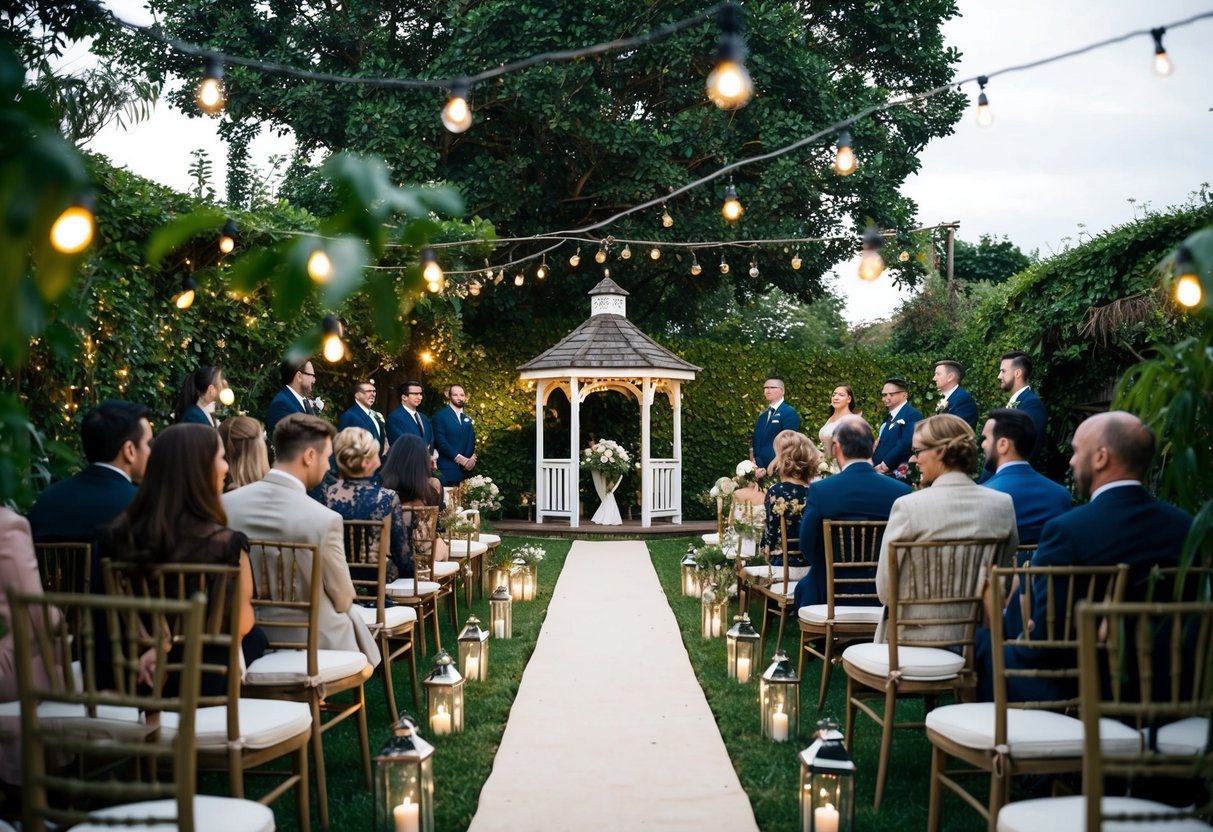
Creating a unique wedding experience is important for making lasting memories. By focusing on personal touches and engaging entertainment options, you can enhance the overall atmosphere of your celebration.
Incorporating Personal Touches
Start by thinking about what makes your relationship special. You can showcase this through decorations that represent your journey together. For example, display photos from memorable moments or use colors that hold significance for you both.
Consider writing your own vows. This personalizes your ceremony and allows you to express your feelings in your own words. It can make the moment even more emotional and memorable for both of you and your guests.
Incorporate family traditions, whether it’s a specific dance or a ritual. This adds a personal layer that honors your backgrounds and creates a warm environment for everyone.
Entertainment and Catering for Your Guests
When planning entertainment, think about what your guests will enjoy. Hire a band or a DJ that can play your favorite songs, encouraging everyone to dance. Consider interactive elements like photo booths or games. These create fun experiences for guests and encourage bonding.
Catering is another area to personalize. Choose a menu that reflects your tastes, whether it’s your favorite comfort food or a cuisine from a memorable trip. You can also include signature cocktails that represent you as a couple.
Collaborate with your wedding planner to ensure that your vision comes to life. Personalizing your celebration in these ways not only enhances the romance but also makes your wedding day unforgettable for everyone involved.
Navigating Logistical Elements
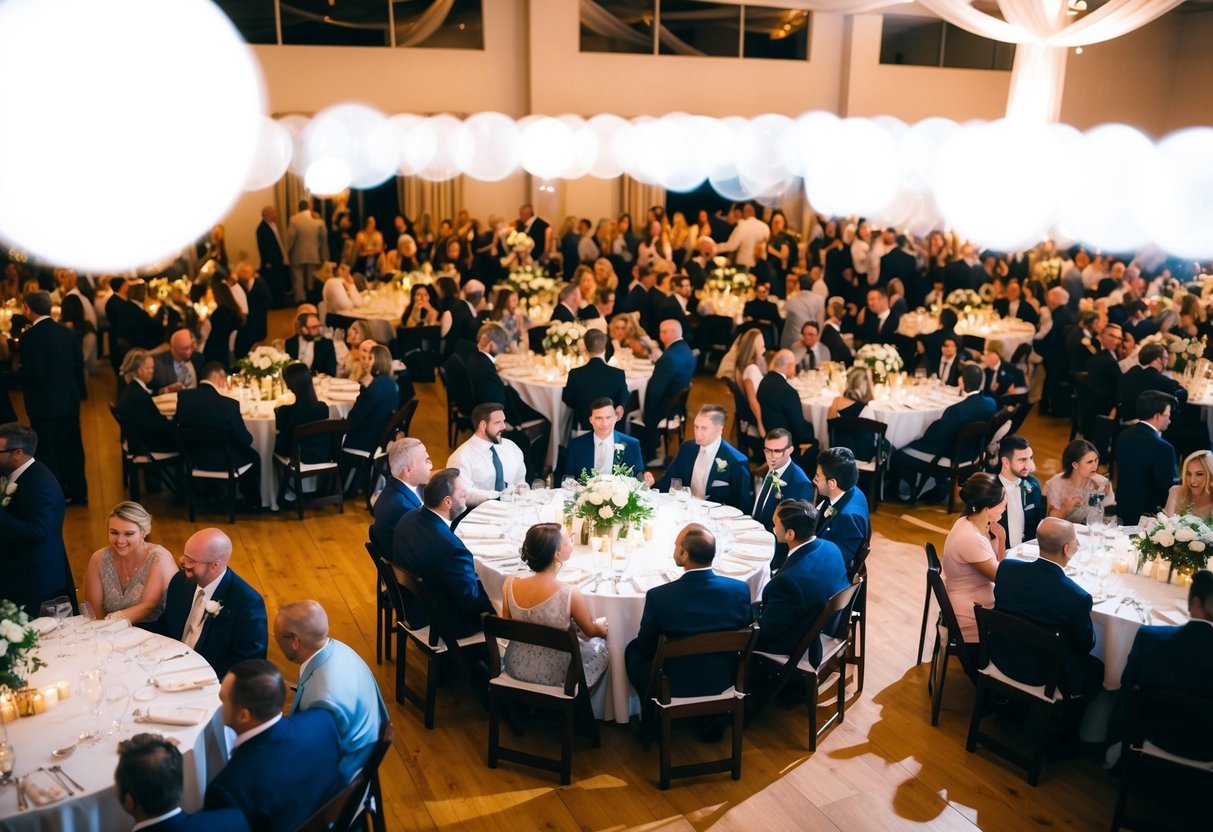
Planning a wedding for a smaller group of around 100 guests can make logistics more manageable. You will want to focus on travel arrangements and day-of coordination to ensure a smooth event.
Travel and Lodging for Destination Weddings
If you’re considering a destination wedding, travel and lodging are key logistical elements. First, think about how your guests will reach the venue. Provide clear travel information with options for direct flights or local transportation.
Consider arranging group discounts with nearby hotels. A block of rooms can save your guests money and keep everyone close together. Include details about accommodations in your invitations or a wedding website.
Sending this information early helps guests plan and book in advance. You might even suggest local attractions or activities to enhance their stay and create fun memories during your wedding celebrations.
Managing Day-of Logistics
Managing logistics on the wedding day is crucial for a smooth experience.
Create a detailed timeline of events. Share this with your wedding planner and key participants. This helps everyone stay on the same page.
Consider hiring a day-of coordinator to handle last-minute details. They can manage vendor arrivals, oversee setup, and address any concerns. This allows you to enjoy your special day without stress.
Make sure to have a designated area for your guests. Signage is helpful for guiding them to important spots, like the ceremony and reception areas.
Clear communication and organization will set the tone for a joyful celebration.