
Is a 15 Minute Wedding Ceremony Too Short? Exploring Quick Ceremonies and Their Charm
As you plan your wedding day, you might wonder if a 15-minute wedding ceremony is too short. While 15 minutes can feel brisk, many couples find it sufficient to express their love meaningfully.
Your ceremony can reflect your unique style and preferences, whether you lean toward a quick celebration or want to honor cultural and religious traditions.
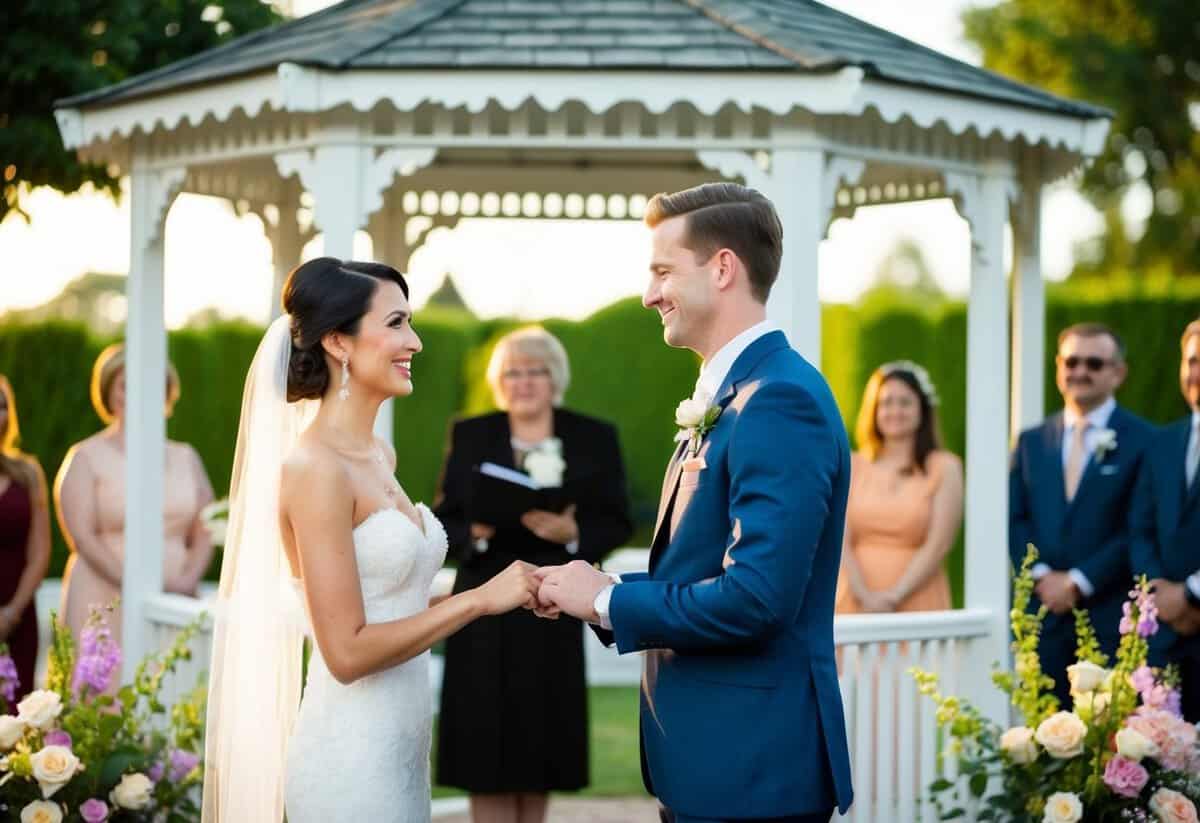
Short ceremonies can have their advantages, especially if they focus on the essential elements. If you opt for a concise gathering, consider what speaks most to you and your partner.
You could include personal vows, a meaningful reading, or a moment of reflection to create depth, even in a brief time span.
Ultimately, the right length for your wedding ceremony is personal and should resonate with you. Embrace what feels right for your celebration, keeping in mind that the love between you and your partner is the real highlight, no matter the duration.
What Constitutes a Wedding Ceremony?
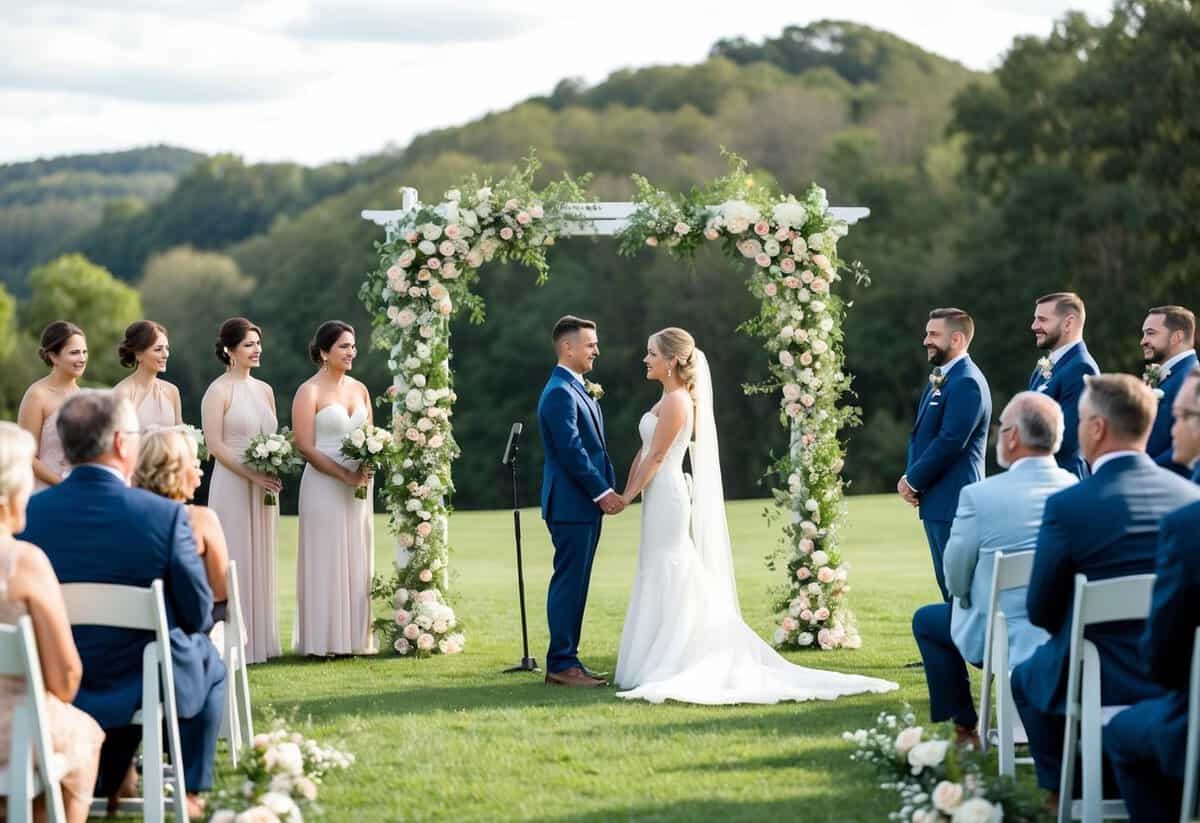
A wedding ceremony is more than just a legal event; it’s a blend of traditions, rituals, and personal touches that reflect the couple’s unique bond. Understanding its essential components helps you grasp why some weddings vary in length and significance.
Understanding the Basics
At its core, a wedding ceremony marks the union of two people. Key elements often include the exchange of vows, the exchange of rings, and a declaration of marriage.
You might also have readings, music, or special rituals that symbolize your love and commitment.
Ceremonies vary widely in length. Some couples opt for short and sweet, while others prefer a more detailed celebration.
In many cases, the actual ceremony could last anywhere from 15 to 30 minutes. This timeframe includes not just the vows but also personal touches that make the event special.
Cultural and Religious Variations
Cultural and religious traditions greatly shape what happens during a wedding ceremony. For instance, a Catholic wedding often includes a full Mass, which can last anywhere from 30 to 60 minutes.
Hindu wedding ceremonies are rich in rituals and can span several hours, including various customs like the Saptapadi (seven steps).
Protestant weddings may have a simpler structure with ease and flexibility. Here, the focus may be on personal vows and a shorter message.
Each cultural or religious ceremony carries its significance. These variations influence not only the length but also the activities and traditions that you may want to include in your own wedding.
Pros and Cons of a Quick Service
Choosing a quick wedding ceremony has its own set of benefits and challenges. Understanding these can help you decide if a 15-minute wedding ceremony is right for you.
Advantages of a 15-Minute Ceremony
A shorter ceremony can save you time and stress. With limited elements, you’ll have a focused and meaningful exchange of vows. This can leave more room for personal touches and special moments that matter most to you.
Cost savings are another big factor. A quick ceremony typically requires fewer decorations, less elaborate floral arrangements, and a smaller venue. This approach helps keep your budget in check, making it an appealing option for couples looking to save money.
Furthermore, a quick service often simplifies planning. It reduces the amount of detail needed, which can make the process less overwhelming.
For some, this can feel like an intimate elopement, allowing you to focus solely on each other without the pressure of a lavish production.
Possible Drawbacks
On the flip side, a 15-minute wedding ceremony may feel rushed to some attendees. Guests might not get the chance to enjoy the moment as much if the pace is too fast.
You risk skipping over traditions that are important to your culture or family.
Another concern is the potential for missed opportunities. With a shorter ceremony, you might not have the time for readings, music, or reflection that can enhance the experience.
Some couples thrive on including these elements that celebrate their love story.
Moreover, a quick exchange of vows might not feel as profound to you, especially if you value deeper connections. Balancing speed with sentiment can be tricky, so consider what is most meaningful for your wedding day.
Designing a Short Wedding Ceremony
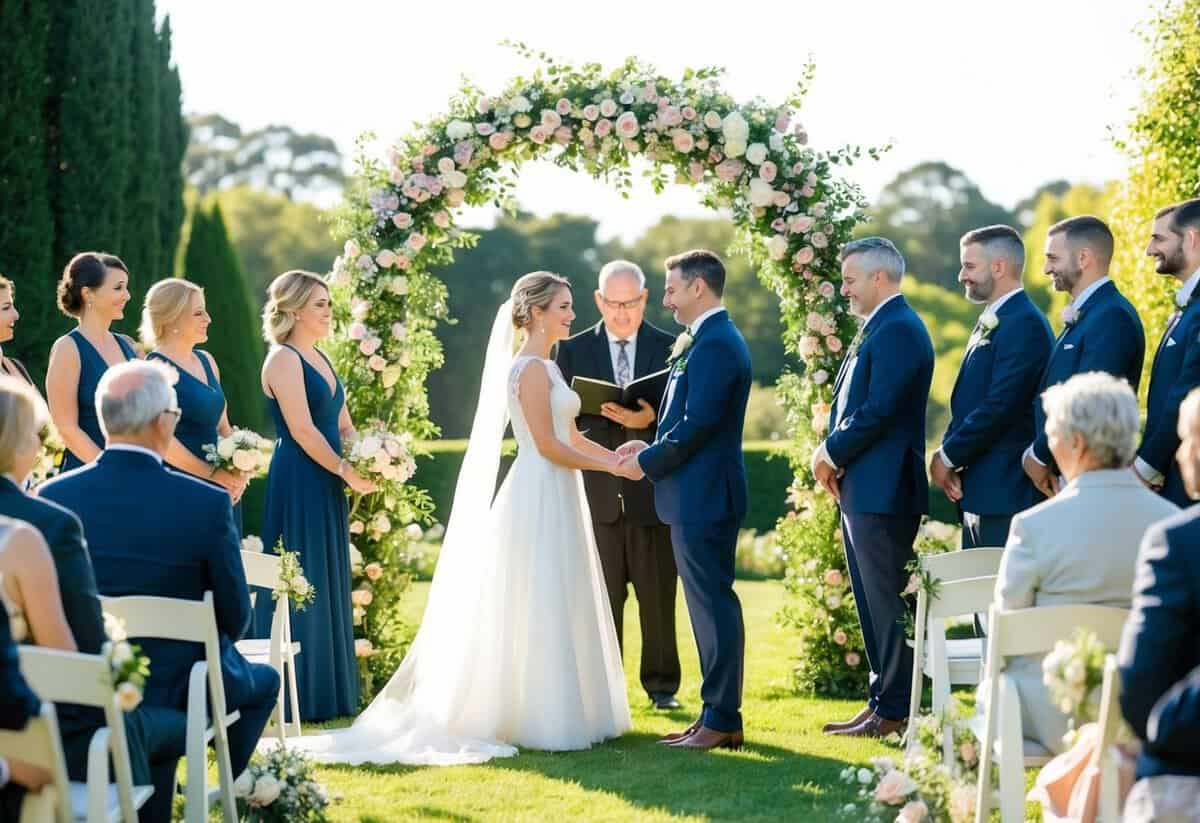
Creating a short wedding ceremony can be both meaningful and efficient. You can include essential elements that reflect your love while keeping it concise. Focus on the key components that make your day special.
Essential Elements to Include
When planning your short wedding ceremony, it’s crucial to include key elements. Start with the declaration of intent, where you and your partner affirm your commitment. This sets the foundation for your vows.
Next, you will want to have a brief exchange of vows. Personalize these vows to express your love and promises to one another. Aim for 1-2 minutes here to keep it heartfelt yet concise.
Don’t forget the exchange of rings. This symbolizes your unity and love. Each couple may choose to say a few words during this moment or keep it simple.
Lastly, include a short pronouncement of marriage. This moment seals your commitment and is often the highlight of a wedding. All these elements combined create a joyful and quick ceremony without losing its essence.
Choosing the Right Officiate
Selecting the right officiate is essential for your short wedding ceremony. Look for someone who understands your vision and can keep things moving smoothly. A lively and personable officiate can make even a brief ceremony feel special.
Discuss the structure of the ceremony with them. They should know how to incorporate your vows and rings efficiently. Their experience will help guide you on timing and flow.
Make sure the officiate aligns with your values and beliefs. Whether it’s a religious figure, a friend, or a professional officiant, their presence should enhance the moment. Don’t forget to check any legal requirements in your area.
Sample Ceremony Script
Having a sample ceremony script can make your planning easier. Here’s a simple outline for a short ceremony:
-
Opening Remarks
Welcome guests and introduce the couple. -
Declaration of Intent
“Do you take each other to be your lawfully wedded partner?” -
Exchange of Vows
Personalized vows, 1-2 minutes long. -
Exchange of Rings
Brief words when handing over the rings. -
Pronouncement of Marriage
“I now pronounce you married!”
This outline serves as a quick reference to help you stay focused. You can adjust it to match your style while ensuring it remains short yet magical.
Transitioning from Ceremony to Reception
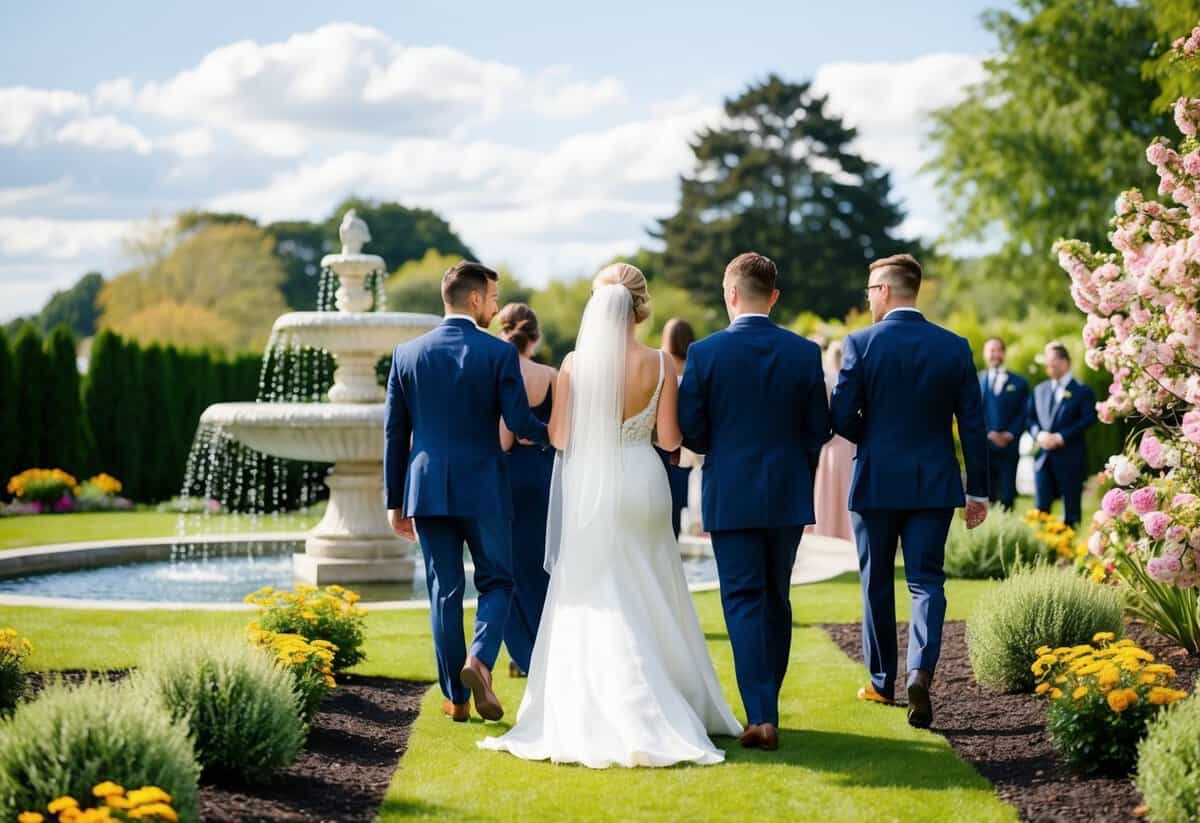
Transitioning from your wedding ceremony to the reception can be fun and smooth with some planning. If your ceremony lasts around 15 minutes, you’ll want to keep things moving.
Consider your location. If both events are at the same place, this makes the transition easier. Guests won’t have to travel far, and it keeps the day flowing nicely.
For a civil ceremony or elopement, the timing can still work well. After a quick ceremony, there’s no need to keep guests waiting too long.
Plan for photos. If you need time for pictures after the ceremony, consider hosting a cocktail hour for guests. This way, they can sip on drinks and enjoy light snacks while you capture those special moments.
Create a clear timeline. Letting your guests know what to expect can help. Share a simple schedule that outlines when the reception will start so everyone is informed.
Keep it brief. Ideally, the time between the ceremony and reception should not exceed 30 minutes. This helps maintain excitement and allows your guests to enjoy the celebration right after your vows.
Make the transition fun and relaxed. Your guests will appreciate it, and it’ll set the tone for an enjoyable evening ahead!