
Is a Celebrant Legally Binding? Understanding Their Role in Weddings and Ceremonies
If you’re considering a celebrant-led wedding ceremony, you might wonder about the legal aspects involved. A celebrant-led ceremony is not legally binding in England and Wales. This means you will need to complete some legal requirements separately.
Many couples who choose a celebrant do so because they want a personalized experience. But they also need to navigate the legal steps to ensure their marriage is recognized.
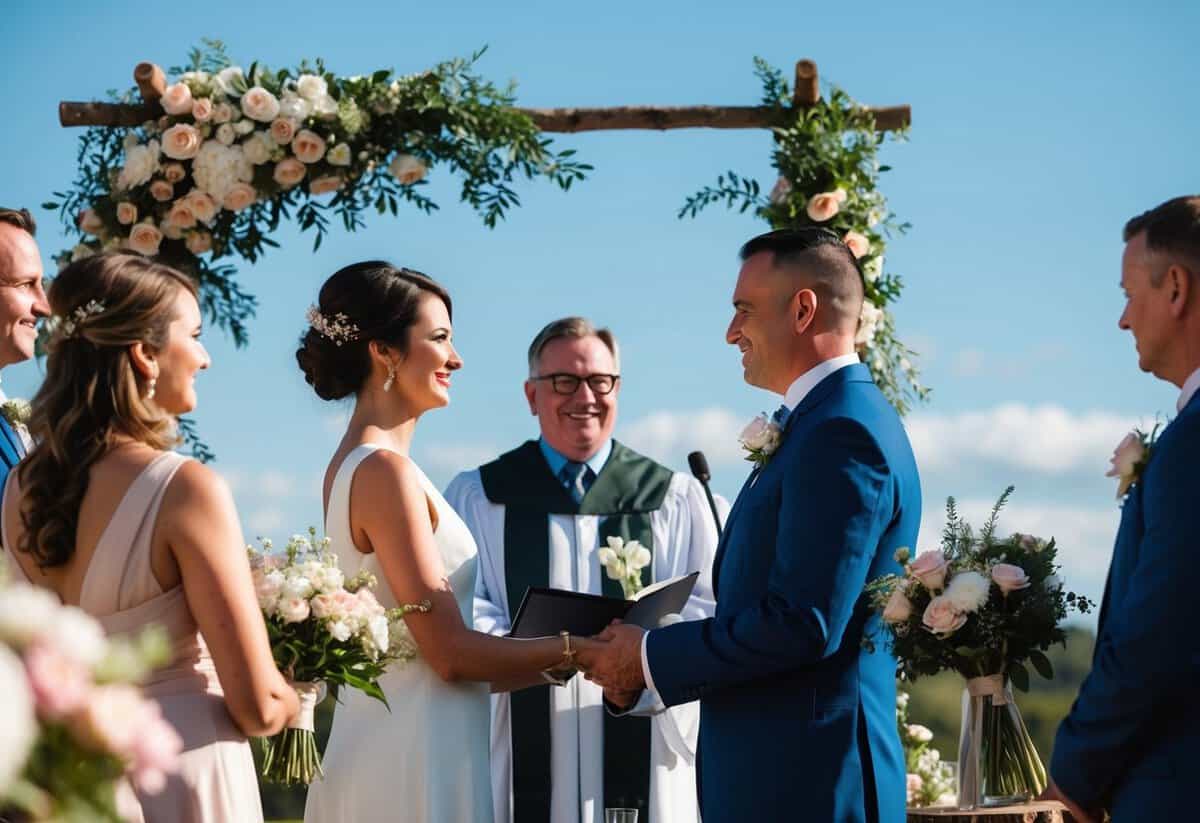
With a celebrant, you can create a ceremony that reflects your unique love story and values. However, understanding the difference between the celebrant’s role and the legal requirements is crucial. This article will guide you through the process, addressing common questions about celebrants, their authority, and how to make your wedding truly special while keeping it legally valid.
Understanding Celebrants and Their Role
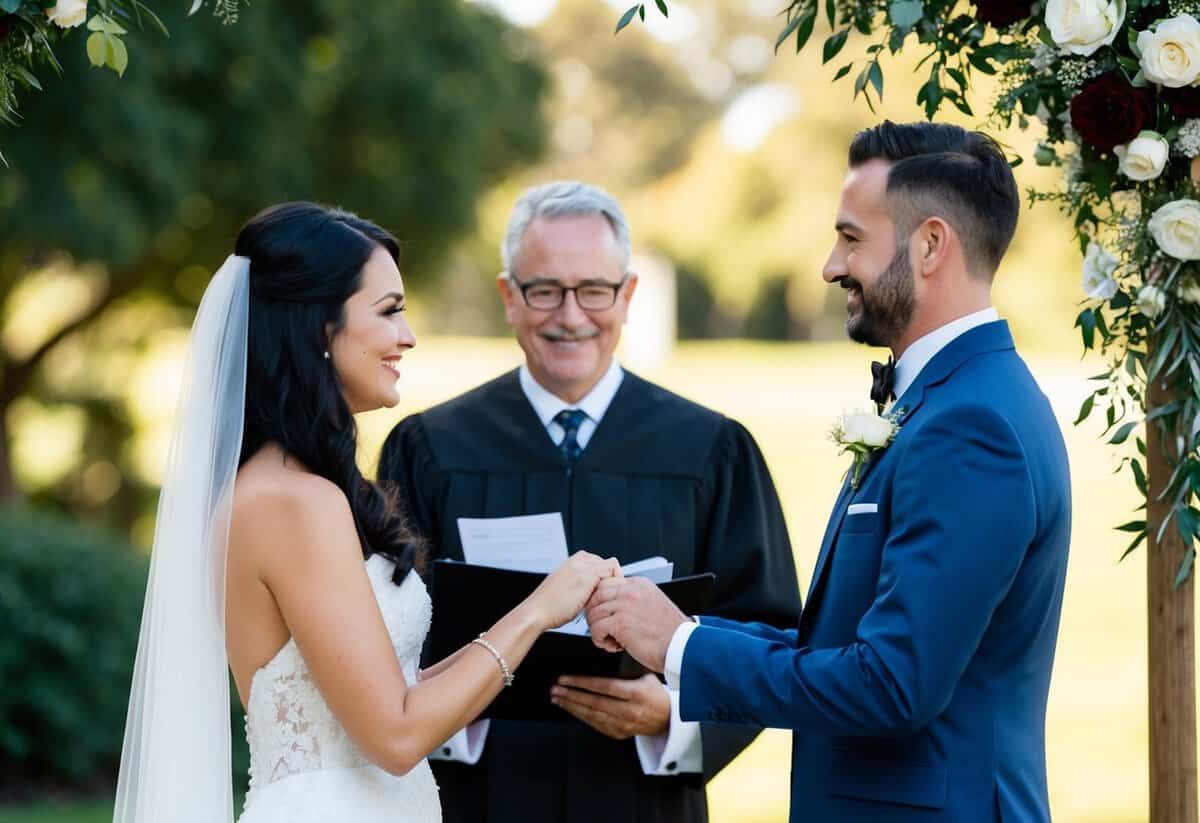
Celebrants play a key part in making your special occasion unique and memorable. They come in different types and perform essential duties to ensure your ceremony is both personal and legally recognized.
Different Types of Celebrants
There are various types of celebrants you can choose from. A wedding celebrant specializes in creating meaningful wedding ceremonies tailored to your wishes. They focus on personal stories and themes that reflect you as a couple.
A humanist celebrant emphasizes values such as love and connection without religious elements. Their ceremonies are often heartfelt and secular, allowing you to celebrate in your own way.
With each type, you have the option to create bespoke ceremonies. This means you can make your day truly reflect who you are together, providing a personal touch that standard services might not offer.
What a Celebrant Does
Your celebrant is responsible for several important tasks. They guide you through the solemnization process to make sure your marriage is legal. This includes preparing and filing necessary documents, like the Notice of Intended Marriage.
During the ceremony, the celebrant leads the event, helping you with public speaking and making the experience comfortable. They often offer suggestions for readings, vows, and even music that fit your theme.
Your celebrant will also work with you to customize elements of the ceremony. This ensures it aligns with your vision and values, creating a celebration you and your guests will cherish forever.
Legal Aspects of a Celebrant-Led Wedding
When considering a celebrant-led wedding, it’s important to know the legal requirements involved. The topic includes what you need for a marriage license and how to make a ceremony legally binding. Understanding these aspects can make your planning smoother.
Requirement for a Marriage License
To have a legally recognized marriage, you first need a marriage license. This is essential in most places. You should check with your local registry office to understand the specific requirements.
Generally, you need to apply for a marriage license in person. Bring identification, such as a passport or driver’s license. You may also need to provide documents like proof of residency.
The waiting period and cost can vary by location. After receiving the license, it is often valid for a limited time, usually around 30 days. Make sure you have the license before the day of your ceremony.
Stipulations for Legally Binding Marriages
A celebrant-led wedding can be meaningful and personal, but it won’t be legally binding unless you meet certain requirements. In many cases, you will still need to complete a statutory ceremony at a registry office before or after your celebrant event.
This means you can choose to have a simple civil ceremony, which is a legal step to register your marriage. A wedding celebrant can then lead a symbolic ceremony.
If you want to legally register your marriage, ensure that both you and your partner understand the rules in your area. Different regions may have unique laws, especially if you’re considering a church of England ceremony or a licensed venue. It’s always wise to discuss your plans with your celebrant. They can guide you through what is necessary for your wedding day to be recognized legally.
Planning Your Ceremony with a Celebrant
When planning your ceremony with a celebrant, you have the chance to create a truly personal experience. The right celebrant will guide you through the process and help you design a memorable day that reflects your relationship.
Selecting the Right Celebrant
Choosing the right celebrant is important for your wedding’s success. Start by researching local celebrants or those who specialize in destination weddings. Look for reviews or testimonials from previous couples.
Schedule consultations to find someone who resonates with your values and style. Ask about their experience with bespoke ceremonies, and find out if they can incorporate symbolic rituals like handfasting, unity candles, or sand ceremonies. This will ensure your ceremony feels unique and meaningful.
Designing a Unique Ceremony
Once you’ve chosen a celebrant, it’s time to design your ceremony. Discuss with them what elements you want to include. You can personalize your vows, choose readings, and select music that reflects your journey.
Consider adding special rituals like handfasting or unity candles, as they symbolize your commitment. Your celebrant can help integrate these into a cohesive ceremony.
Whether you want a formal setting or a relaxed vibe, your celebrant will guide you to match the atmosphere to your chosen wedding venue. This collaboration is key to creating a ceremony that truly represents you as a couple.
After the Celebrant-Led Ceremony
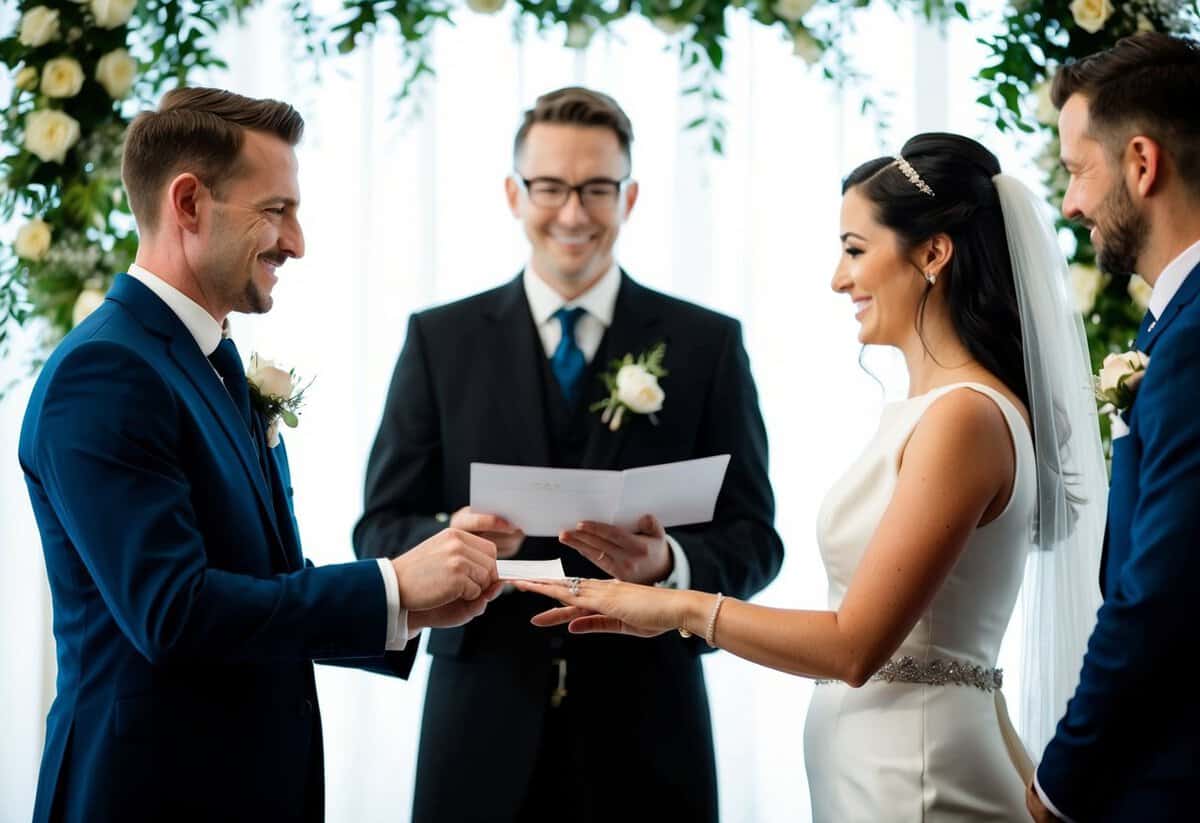
Once your celebrant-led ceremony is complete, there are important steps to take to ensure that your marriage is legally recognized. You’ll also want to think about how to cherish the moment and create lasting memories from your special day.
Obtaining the Marriage Certificate
After your celebrant-led ceremony, it’s essential to obtain your official marriage certificate. The celebrant cannot legally sign the register, so you need to visit a registry office. This can often be done before or after your ceremony.
- Check Local Requirements: Each country or region may have specific requirements for obtaining a marriage certificate. Make sure you have the necessary documents.
- Book an Appointment: It’s a good idea to book an appointment at the registry office as soon as possible to avoid any delays.
- Bring Required Documents: You usually need proof of identity, such as passports or driver’s licenses.
Once you pay any applicable fees, you will receive your marriage certificate. This document proves that your non-religious marriage is officially recognized.
Creating Lasting Memories
To make the most of your celebrant-led wedding, consider ways to capture and cherish your memories.
After the ceremony, several ways can ensure the day remains special.
- Professional Photography: Hiring a photographer can help you capture every moment beautifully. Make sure to discuss any specific shots you want.
- Guest Contributions: Consider having a guestbook where friends and family can write messages. It’s a wonderful keepsake to look back on.
- Video Recording: Recording the ceremony allows you to relive those special moments. You can also include personal messages from guests.