
Is a Celebrant the Same as a Humanist? Understanding the Differences
If you’re planning a special event and exploring your options for an officiant, you might be wondering about the roles of a celebrant and a humanist. A celebrant is not the same as a humanist, though there are overlaps in their services. Celebrants can deliver a wide range of ceremonies, including religious and non-religious events, while humanists specifically focus on secular and non-religious ceremonies grounded in human values.
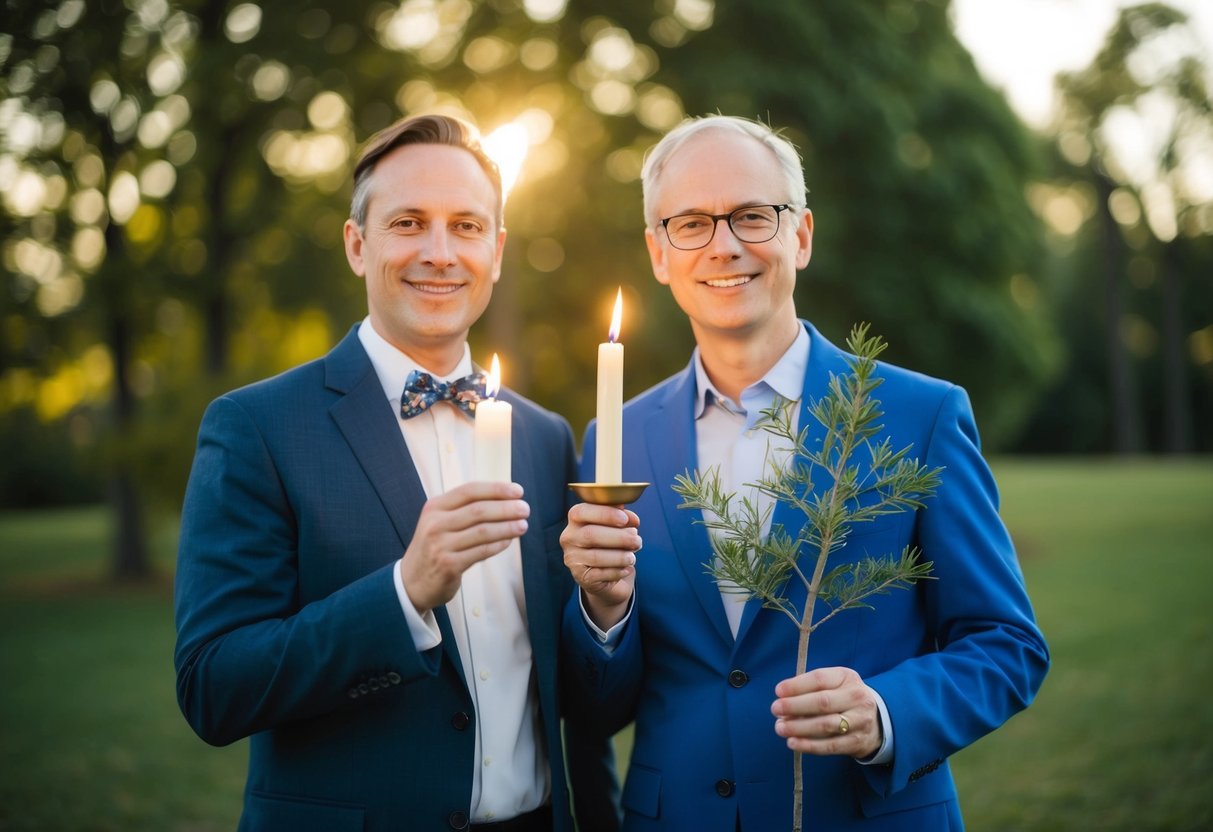
Both celebrants and humanists strive to create meaningful experiences for life’s important moments. If you value personal expression and want a ceremony that reflects your beliefs, understanding the difference is crucial.
Understanding Humanism and Celebrancy
Humanism and celebrancy both play important roles in personal and meaningful ceremonies. Knowing their definitions and differences helps you choose the right officiant for your event.
Defining Humanist Celebrants
A humanist celebrant is someone who leads ceremonies without any religious elements. They are guided by humanist beliefs, which focus on human values and ethics. This means they celebrate love, commitment, and important life events in ways that honor individual choices and life experiences.
Humanist celebrants create personalized ceremonies based on your story. They may include readings, poetry, or music that resonates with your values. While they avoid traditional religious aspects, they embrace the significance of human connections.
The Role of Celebrants in Ceremonies
Celebrants can be independent or humanist. An independent celebrant offers a broader range of options, combining various traditions, beliefs, and styles. They can personalize ceremonies for weddings, funerals, and naming days while incorporating diverse cultural elements.
On the other hand, humanist celebrants strictly focus on non-religious practices. They create a space for you to express your feelings and beliefs openly, making your ceremony unique and reflective of who you are. Both types of celebrants work to ensure your event is memorable and meaningful.
Differences Between Humanist and Independent Celebrants
The key difference between humanist and independent celebrants lies in their approach. Humanist celebrants adhere to specific humanist values, emphasizing reason and ethics over religious traditions. Their ceremonies prioritize secular themes and personal significance.
Independent celebrants, meanwhile, can draw from various beliefs and traditions. This allows for flexibility in incorporating different cultural elements. They can work alongside religious themes if desired, offering a more diverse range of options for your ceremony.
Types of Ceremonies and Rituals
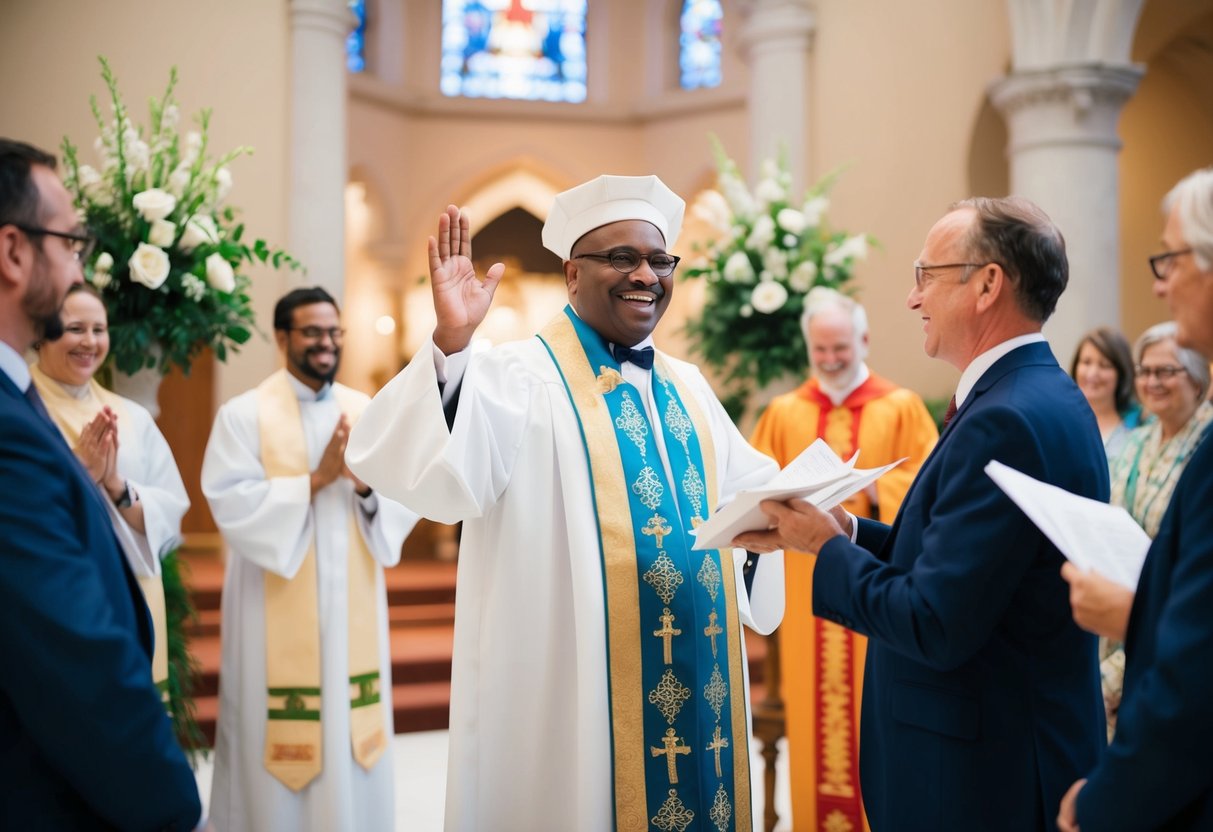
Celebrants and humanists provide a wide range of personalized ceremonies that mark significant life events. These ceremonies can cater to various beliefs and preferences, allowing for a meaningful experience tailored to you and your loved ones. Here are some key types of ceremonies you might consider.
Weddings and Humanist Weddings
Weddings are one of the most common ceremonies. You can choose a traditional wedding or a more modern approach with a humanist wedding. A humanist wedding focuses on love and commitment without religious elements. This type of ceremony is personalized, reflecting your beliefs and values.
You might include readings, music, and vows that are special to you. It’s all about what feels right for you as a couple. A humanist celebrant will work closely with you to create a ceremony that captures your unique story, making your wedding day truly memorable.
Non-Religious Funerals
Funerals are important for honoring the life of someone you’ve lost. Non-religious funerals provide a way to celebrate life without religious rituals. A humanist celebrant can lead the service, emphasizing personal stories and memories.
You might want to include favorite music, readings, or even a slideshow. This type of ceremony focuses on the person’s life and legacy. It can be a comforting way to gather with family and friends, sharing grief while celebrating a meaningful life.
Naming and Coming of Age Ceremonies
Naming ceremonies welcome new life into the world. You may wish to have a non-religious naming ceremony to celebrate your child’s name and introduce them to family and friends. This ceremony can include personal touches, such as special readings or family commitments.
Coming of age ceremonies mark significant milestones in a person’s life. These could be for birthdays or other important transitions. They often include speeches, symbolic acts, or sharing wisdom. Such ceremonies create lasting memories and foster a sense of belonging for your child within your family and community.
Legal and Cultural Considerations
Understanding the legal and cultural aspects of celebrants and humanists helps you navigate your ceremony choices. Different regions have different rules regarding legal marriages and the inclusion of religious content, which can affect your planning.
Recognizing Legal Marriages
In many places, including the UK and Australia, celebrants can legally perform marriage ceremonies. In Scotland, humanist marriages are legally recognized and are growing in popularity.
In Northern Ireland and Ireland, you may find more restrictions. Independent celebrants, including humanists, often focus on non-religious ceremonies. Countries like Iceland and New Zealand also recognize humanist practices, allowing you more flexibility for your ceremony.
Regional Practices across Countries
Cultural practices and legal recognition of celebrants and humanists vary widely. In the United States, laws differ by state. Some states allow humanist celebrants to perform weddings, while others do not.
In jurisdictions like Jersey and Guernsey, humanist ceremonies are similarly recognized. Canada also embraces humanist weddings, valuing diverse belief systems. It’s essential to research your specific location’s laws and customs.
Religious Content in Non-Religious Ceremonies
While humanist ceremonies are secular, they can still incorporate personal touches. You might consider readings or music that hold special meaning for you. Some humanist celebrants may even allow spiritual elements, depending on their approach.
In contrast, traditional celebrants may happily blend religious elements if requested. This flexibility can shape your ceremony to reflect your values while adhering to legal frameworks within various regions.
Choosing the Right Celebrant for Your Ceremony
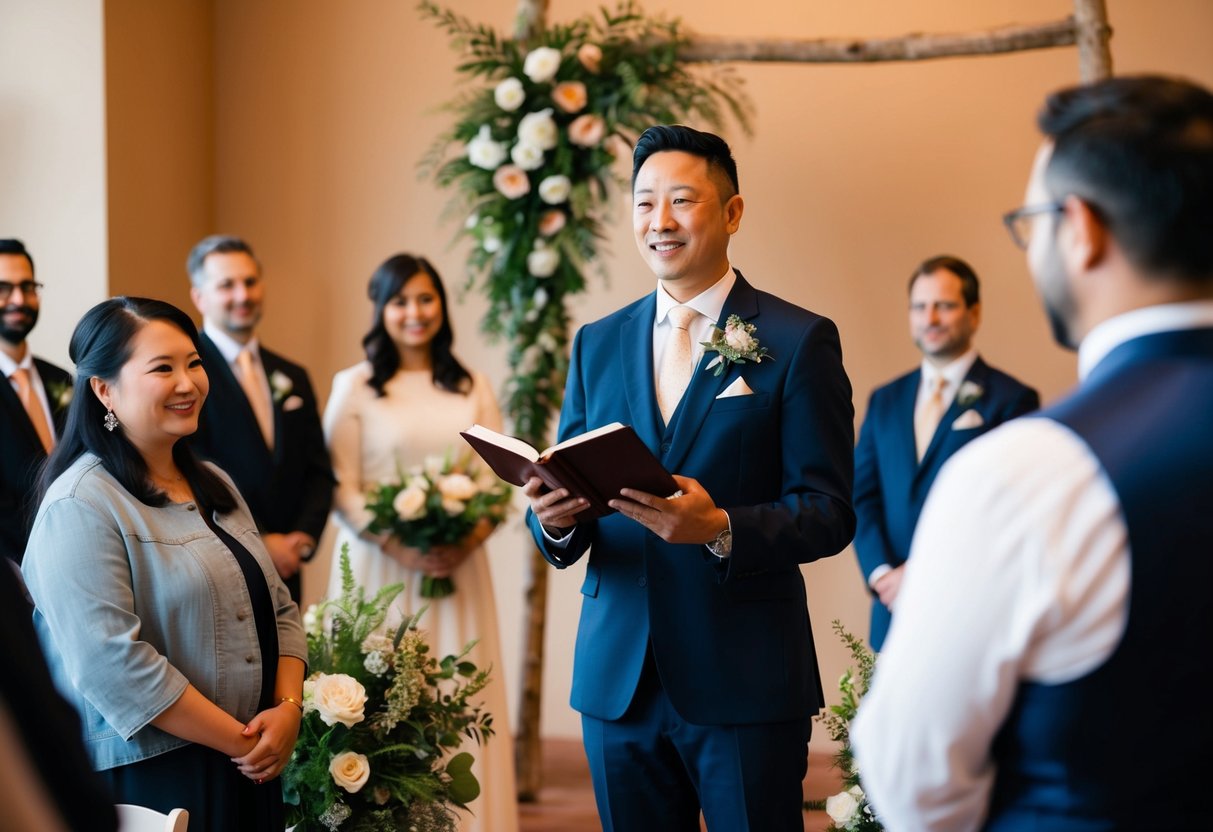
Selecting the right celebrant is essential for creating a ceremony that truly reflects your values and vision. Whether you prefer an independent celebrant or a humanist officiant, focusing on key aspects can help ensure a meaningful experience.
What to Look for in a Celebrant
When choosing a celebrant, consider their experience and style. Look for someone who specializes in your type of ceremony, whether that’s a wedding, vow renewal, or another significant life event. It’s important they can connect with you and understand your needs.
Take the time to read reviews and ask for recommendations. A good celebrant will be open to your ideas, offering flexibility while maintaining professionalism. Make sure they’re legally authorized to conduct the ceremony in your location if needed. This will ensure a smooth process.
Tailoring the Ceremony to Reflect Personal Values
Creating a bespoke ceremony starts with understanding your personal values. Work with your celebrant to include elements that matter most to you. This could be special readings, music, or rituals that symbolize your journey together.
Make sure your celebrant encourages input from you and your partner. Discuss your wedding vows and how to incorporate meaningful moments that highlight your relationship. This collaboration helps shape a ceremony that genuinely resonates with your beliefs and experiences.
The Importance of Bespoke Ceremonies
Bespoke ceremonies stand out because they are not cookie-cutter. They are designed to reflect your unique story and emotions.
A celebrant-led wedding can incorporate significant details, making the event truly yours.
Customizing your ceremony creates lasting memories. It allows you to express who you are and what your relationship means.
This personal touch can transform a wedding or life event into a profound experience for you and your guests. A meaningful ceremony can leave a lasting impact, celebrating the essence of your bond.