
Is a Marriage Officiant the Same as a Celebrant? Understanding the Differences
When planning your wedding, you might wonder about the roles of a marriage officiant and a celebrant. While both officiants and celebrants perform wedding ceremonies, they are not exactly the same. An officiant is usually someone authorized to solemnize marriages, ensuring all legal requirements are met, while a celebrant focuses on creating a personalized ceremony that reflects your beliefs and values.
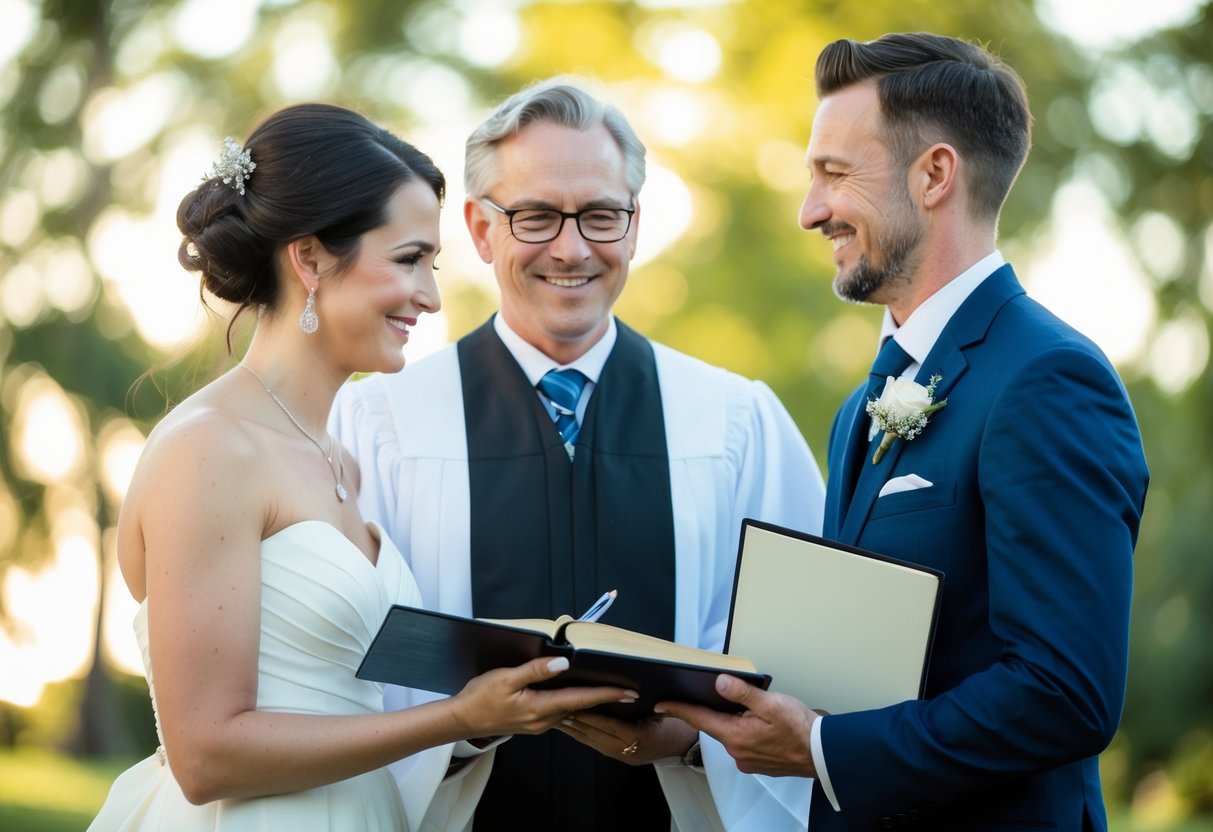
Understanding these differences can help you choose the right person for your special day. If you want a ceremony that uniquely represents your story, a wedding celebrant may be the best fit. On the other hand, if you prefer someone strictly to handle the legal aspects, a marriage officiant will serve you well.
As you explore your options, it’s important to know what each role entails. This knowledge will guide you in making an informed decision that aligns with your vision for your wedding celebration.
Defining Roles
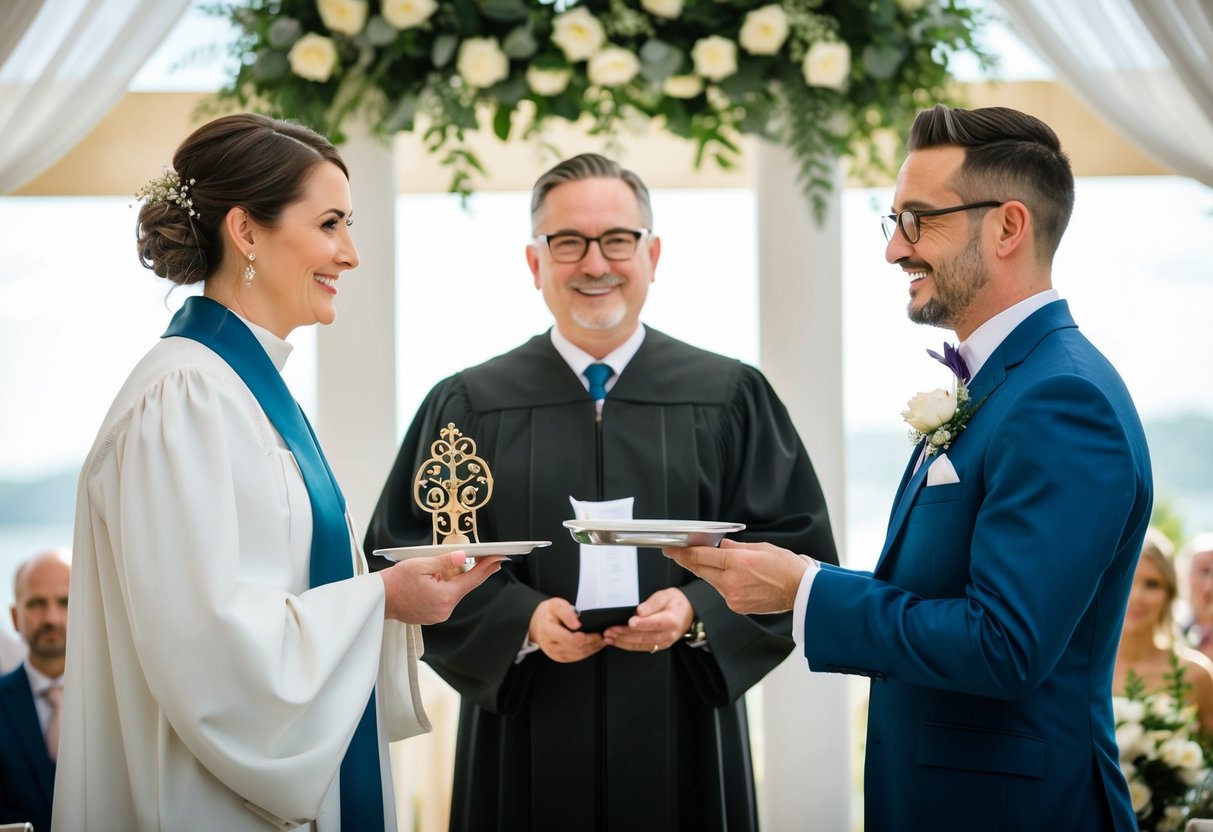
Understanding the specific roles of a marriage officiant and a celebrant can help you choose the right person for your ceremony. Here are the key duties and responsibilities associated with each role.
Marriage Officiant Duties
A marriage officiant is responsible for making your marriage official. This person is typically authorized by the state or relevant legal authority to solemnize weddings.
Common types of officiants include justices of the peace, judges, pastors, priests, rabbis, and imams. They often perform religious or civil ceremonies.
Their primary duties include preparing and filing the necessary legal documents. They may also meet with you to discuss your wishes for the ceremony.
In a religious context, they perform rituals and may deliver a sermon or message. Officiants ensure that all legal aspects of your marriage are correctly handled, which is crucial for your marriage to be recognized legally.
Celebrant Responsibilities
A celebrant provides a more personalized approach to your ceremony. They create unique, custom ceremonies that reflect your beliefs and values.
Types of celebrants include marriage celebrants, humanist celebrants, and civil celebrants. They often craft ceremonies that can be religious, spiritual, or secular based on your preferences.
Celebrants work closely with you to understand your story, preferences, and any traditions you want to include. They focus on the tone and content of the ceremony, ensuring it feels meaningful and special.
While some celebrants are legally authorized to sign the marriage certificate, others may work alongside an officiant. Their role is about telling your love story and making your ceremony truly memorable.
Types of Ceremonies
When planning your wedding, understanding the different types of ceremonies can help you choose what fits best for you and your partner. Each type varies in terms of tradition, legality, and personal connection, making it a unique experience.
Religious Weddings
Religious weddings are often steeped in tradition and customs that reflect the beliefs of the couple. These ceremonies typically involve a spiritual leader, like a priest or rabbi, who guides the couple through sacred rituals.
For example, in a Christian wedding, you may see vows exchanged in a church, while Hindu weddings include vibrant rituals like the Saptapadi, or seven steps around a fire. These ceremonies often include prayers, scripture readings, and blessings that enhance the spiritual connection.
Civil Ceremonies
A civil ceremony is a non-religious legal marriage performed by an authorized officiant, such as a judge or a designated celebrant. This type of ceremony is straightforward and focuses primarily on the legal aspects of marriage.
Many couples choose a civil ceremony for its simplicity. You can personalize these ceremonies to reflect your style, including vows and readings that are meaningful to you. They often take place at a courthouse, but you can also hold them at various locations, making it a flexible option.
Non-Religious Ceremonies
Non-religious ceremonies allow you to express your beliefs and values without the framework of religious traditions. They can be tailored to fit your personalities and may include various elements like poetry, music, or symbolic acts.
A popular option is to involve a celebrant who can guide the process. You might choose themes that resonate with your journey together. Many same-sex weddings also fall under this category, celebrating love and commitment without a religious context.
Cultural Wedding Traditions
Cultural wedding traditions reflect the unique heritage of a couple and can vary widely between communities. These ceremonies often include significant rituals that honor history and family customs.
For example, in a traditional Chinese wedding, you might see the tea ceremony, where the couple serves tea to their elders as a sign of respect. Not only do these ceremonies celebrate love, but they also strengthen family bonds. You can incorporate cultural elements into any type of ceremony, making your wedding richer and more meaningful.
Personalizing Your Ceremony
Personalizing your ceremony makes it unique and meaningful. There are many ways to add personal touches, including sharing your love story and planning special moments like vow renewals or elopements.
Incorporating a Love Story
Integrating your love story into the ceremony can truly enhance the experience. Share how you met, your first date, or an unforgettable moment that shaped your relationship. This can be done through a personal narrative or even a slideshow of pictures.
You can ask your wedding officiant or celebrant to weave these details into the vows. This creates a connection that resonates with both you and your guests. Including anecdotes not only celebrates your journey but also invites your loved ones to share in its significance.
Additionally, consider writing your own vows. Tailoring these words adds another layer of personalization. Speak from the heart, and don’t hesitate to express your feelings and promises to each other.
Vow Renewals and Elopements
Vow renewals and elopements provide excellent opportunities for personalization. If you choose to renew your vows, think about what has changed since you first said “I do.” Add new elements that reflect your growth as a couple.
For elopements, consider a unique setting that holds meaning for you both, such as a favorite park or the place where you first met. Invite close family or friends to witness your vows if it feels right, but remember, intimacy often brings out the emotional connection.
Whether it’s a simple ceremony or a grand celebration, make sure it reflects your style and love. Working with a wedding officiant or celebrant can help you achieve a ceremony that truly feels like yours.
Certification and Legal Aspects
When considering whether to become a wedding officiant or celebrant, understanding the certification and legal requirements is crucial. Each role may vary in terms of credentialing and the authority to perform marriages.
Becoming a Wedding Officiant
To become a wedding officiant, you often need to complete an online ordination program. Many organizations offer this service, allowing you to become legally recognized to officiate weddings. Some states or regions may have additional requirements.
Steps to become an officiant:
- Choose an ordaining organization: Select a reputable online ordination service.
- Complete necessary training: Some states require specific training, even for online ordination.
- Register with local authorities: After ordination, check if you need to register with your local court clerk.
Solemnizing Marriages
Solemnizing marriages means officially recognizing a marriage in front of witnesses. As an officiant, you officially recognize a marriage in your state or country.
Key points on solemnization:
- Check local laws: Laws vary widely by location, so confirm what’s required in your area.
- Obtain a marriage license: Couples must often secure a marriage license before the ceremony. You may need to file this afterward.
- Self-uniting marriage: In some places, a couple can solemnize their own marriage without an officiant, known as self-uniting marriage.
Knowing these legal aspects ensures that you can effectively perform your duties as an officiant or celebrant.