
Is a Proxy Marriage Legal in the UK? Understanding the Legalities and Considerations
If you’re curious about the legality of proxy marriage in the United Kingdom, you’re not alone. Many people wonder if they can marry someone who cannot be physically present at the ceremony.
In the UK, proxy marriages are generally not recognized as legal under the law of England and Wales. However, they may be valid if celebrated under the laws of another country where proxy marriage is permitted.
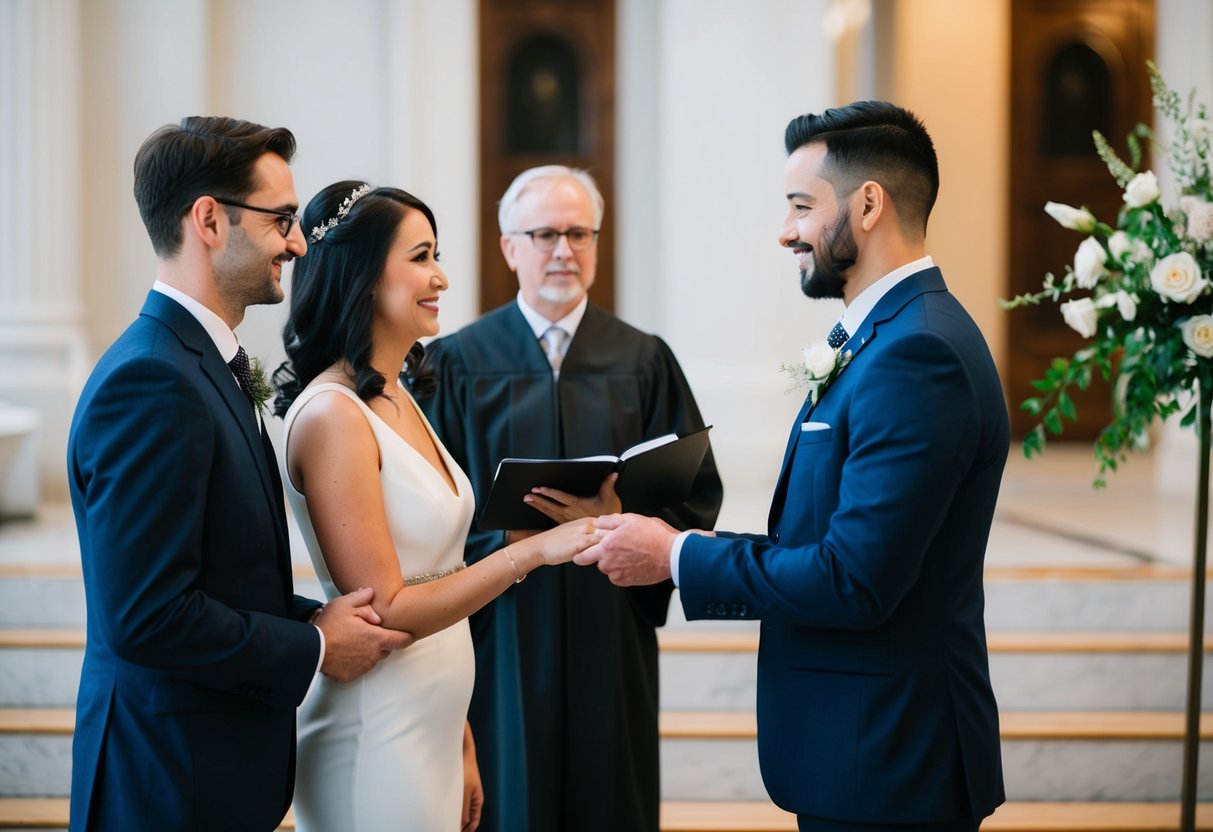
Understanding the rules around marriage in the UK can be complicated. While Scotland has different views on proxy marriages, it’s essential to know the specific regulations that apply in England and Wales.
If you’re considering a proxy marriage, you might want to explore the legal ramifications and what it means for your status as a married couple.
Before moving forward, it’s a good idea to gather all the facts about how a proxy marriage works. This can help you make informed decisions about your relationship and ensure you’re taking the right steps towards a legal marriage that meets your needs.
Understanding Proxy Marriage

Proxy marriage is a unique form of marriage where one or both partners are not physically present at the ceremony. This section explores the definition and types, the historical and international context, and how proxy marriages fit within UK law.
Definition and Types of Proxy Marriages
A proxy marriage is when one partner is represented by another person during the wedding ceremony. It often occurs when one spouse cannot be there due to distance, military service, or other reasons.
There are two main types of proxy marriages:
- Single Proxy: Only one partner has a proxy. The other is present in some form, often through video or phone.
- Dual Proxy: Both partners have proxies present. This is often seen in religious or cultural contexts.
This method can be useful for couples wishing to marry when they cannot be together, but it’s important to understand where it is legally recognized.
Historical and International Context
Proxy marriages have a long history. Different cultures have practiced them for centuries, often for practical reasons.
For example, in some jurisdictions like Montana, Texas, Colorado, and Kansas in the United States, proxy marriages are legal, allowing couples to formalize their relationship without being physically present.
Internationally, some countries, such as Germany and those observing Sharia law, also permit proxy marriages. This highlights the diversity in marriage laws across the globe. Understanding these distinctions is crucial if you’re considering a proxy marriage in a different country.
Proxy Marriage in UK Law
In the UK, proxy marriages are not legally recognized under the law of England and Wales. Both parties must be present to validly marry. This means that if you participate in a proxy marriage abroad, the UK may not consider it valid for legal purposes.
Nevertheless, if a proxy marriage occurs in a jurisdiction where it is legal, the UK may recognize it, especially for immigration purposes. Ensuring your marriage complies with the specific legal standards is essential. Understanding the layers of legal marriage, civil partnerships, and common law can help you navigate this complex area.
Legal Considerations and Requirements
Understanding the legal aspects of proxy marriages in the UK is crucial. You’ll need to know the criteria for recognition, the necessary documentation, and how immigration rules may affect your situation.
Criteria for Recognizing Proxy Marriages
For a proxy marriage to be recognized in the UK, it must meet specific criteria. First, the marriage must be lawful in the country where it took place.
For example, many countries, like Ghana, allow proxy marriages if they are executed according to their laws.
Both partners need to be aware and consenting to this form of marriage. Additionally, neither party should have a civil status preventing them from entering into marriage.
If you’re applying for residency based on a proxy marriage, be prepared to provide evidence that it meets the criteria. This can help avoid concerns about sham marriages, which the UK takes seriously.
Documentation and Verification
Proper documentation is essential for a proxy marriage to be legally recognized. This includes obtaining a marriage certificate from the country of marriage.
If the certificate is not in English, a certified translation will be needed.
When registering your marriage in the UK, you may require the original certificate as well as any supporting documents. This may include proof of both parties’ identities and civil statuses.
If required, the Secretary of State may need to review your case. They will assess the burden and standard of proof to ensure the marriage is genuine.
Immigration and Residence Implications
Proxy marriages can have significant implications for immigration and residency. If you are a foreign spouse seeking to join your partner in the UK, you must demonstrate that the marriage is valid.
You’ll need to meet the relationship requirements in immigration rules to apply for a spouse visa. This includes proving your relationship is genuine and not a sham marriage.
If granted a visa, you may also be eligible for settled status under the EU Settlement Scheme if certain conditions are met. Always check for updated guidelines to ensure compliance with current immigration laws.
Social and Personal Implications
Proxy marriage can affect many areas of life for couples. Understanding these social and personal implications is essential when considering this type of union.
Challenges and Considerations for Couples
When you enter a proxy marriage, you may face unique challenges. For one, since both partners are not physically present during the ceremony, misunderstandings can arise about commitment levels.
Additionally, you might experience difficulties with family acceptance. Some family members may not recognize a proxy marriage as valid, creating tension in relations.
This situation can also affect travel plans. If you want to travel as a couple, certain countries might not acknowledge your union, complicating visa or immigration issues. You may need to provide additional documentation or even re-marry in a jurisdiction that recognizes proxy marriages.
Impact on Rights and Social Recognition
Proxy marriages can limit your rights in several ways. In the UK, immigration rules may not consider a proxy marriage as a legal union. This can affect your ability to sponsor a spouse or civil partner for residency.
You might find that obtaining a marriage certificate is more complex, as not all jurisdictions provide them for proxy unions. This lack of official documentation can hinder access to benefits that are typically available to married couples, such as tax breaks or health care rights.
Moreover, societal perspectives on marriage can lead to feelings of alienation. Some might question the validity of your relationship, impacting your social standing and mental well-being.