
Is a Size 10 Wedding Dress Big? Understanding Dress Sizes and Fit
When searching for the perfect wedding dress, you might wonder about sizes, leading to the question: is a size 10 wedding dress big? A size 10 is considered an average size in bridal wear, often fitting many brides comfortably. Bridal sizing can be confusing because it differs from regular clothing sizes, so don’t let the numbers stress you out.
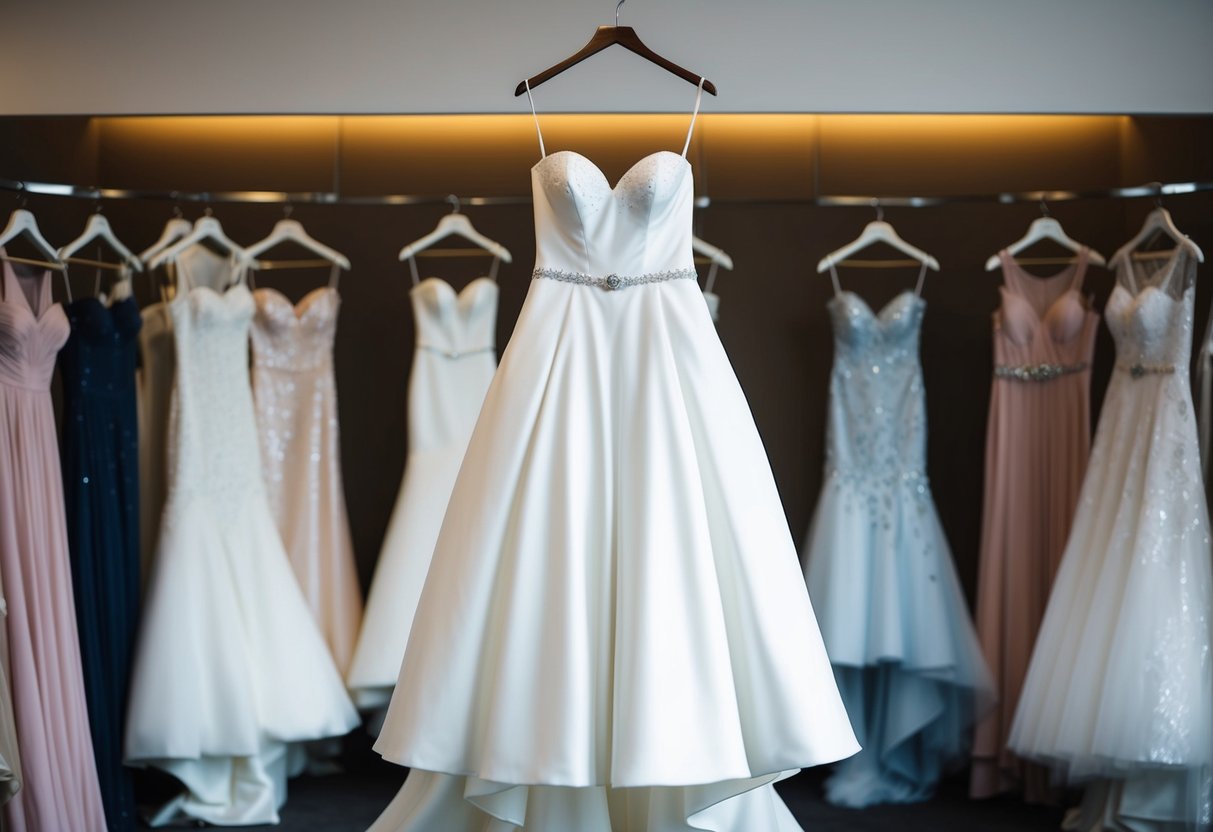
Many designers offer size 10 samples in their boutiques, making it a popular choice among brides. Remember, every body is unique, and what matters most is how you feel in the dress. You deserve to shine on your special day, regardless of the size label.
Understanding Wedding Dress Sizes
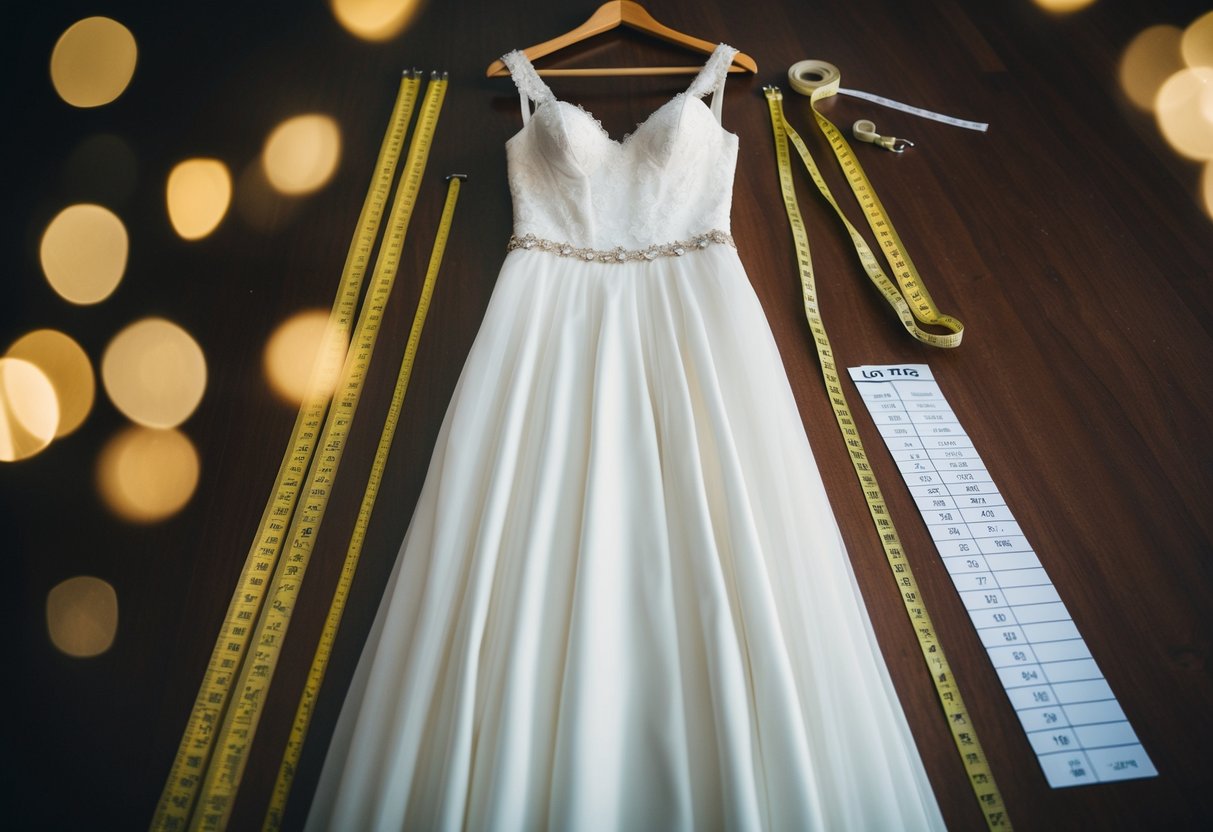
Navigating wedding dress sizes can feel tricky, but you can make sense of it all!
Bridal sizing usually differs from regular clothing sizes, known as street sizes. For example, a size 10 wedding dress often corresponds to a street size 12. This means dresses can run smaller than what you might expect in everyday clothes.
Many designers use their own size charts, so it’s essential to check them. A bridal size chart will help you find the right fit for your body type. Knowing your measurements can guide you to the most comfortable size.
When shopping, you might come across sample wedding dresses. These are often available in standard sizes like 8-12, which can help you see how the dress looks on you. Remember, the sample sizes might not fit you perfectly, so always try on a few options.
If you’re considering a European designer, keep in mind that sizing may differ. European sizes can be smaller compared to American sizes, so check the size guide for clarity.
Understanding these differences in wedding dress sizes can ease your shopping experience. You’ll feel more confident in finding the dress that suits you best!
The Significance of Bridal Size 10
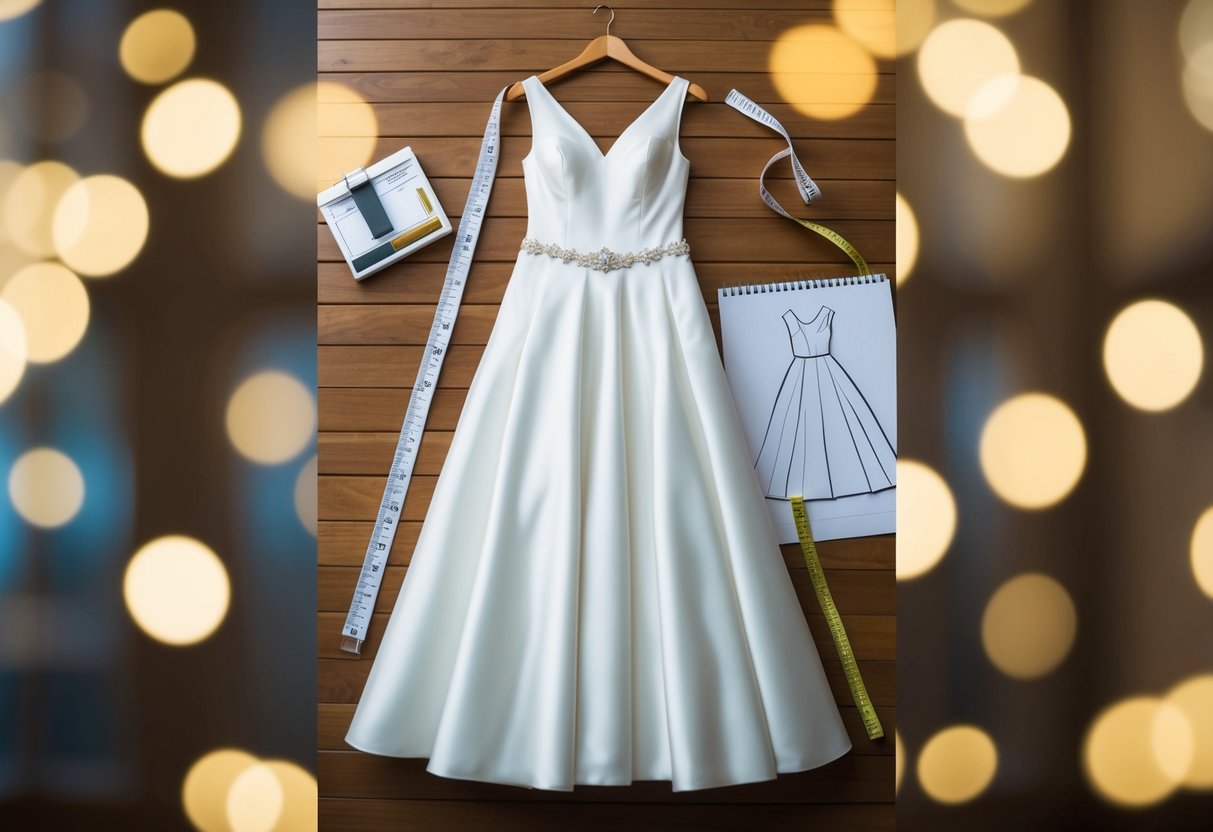
When it comes to wedding dresses, understanding bridal size is important. A size 10 wedding dress is often considered a standard size in many bridal collections.
Bridal sizes can differ from everyday clothing. For example, if you wear a size 6 in regular clothes, you might need a size 10 in bridal. This can be surprising, but it’s common in the industry.
Bridal size charts help you understand these differences. Here’s a quick look at some typical conversions:
| Bridal Size | Bust Measurement (inches) | Hip Measurement (inches) |
|---|---|---|
| Size 10 | 37-38 | 39-40 |
| Size 12 | 39-40 | 41-42 |
| Size 14 | 41-42 | 43-44 |
Bridal sample sizes often range from size 6 to 12, so you may find plenty of options. If you find yourself in a size 10 dress, you’re in a size that many designers create.
If you’re considering a plus-size wedding dress, sizes 16 and above are available. This ensures that brides of all shapes can find their perfect dress.
Remember, sizing can also depend on the designer and the specific style of the dress. Always check size charts from the bridal boutique for the best fit. This ensures you feel comfortable and beautiful on your special day.
Finding the Perfect Fit

When shopping for a wedding dress, getting the perfect fit is key. This involves knowing how to navigate bridal appointments and understanding the alteration process. Both are essential for ensuring your dress looks and feels great on your big day.
Navigating Bridal Appointments and Stylists
Booking a bridal appointment at a salon is your first step. Be sure to look for bridal salons that offer a range of sizes, including sample dresses in different sizes. This way, you can try on various styles.
When you arrive, a bridal stylist will assist you. They can guide you towards wedding dresses that suit your body type. Don’t hesitate to share any preferences or concerns about fit. Fitting into a size 10 can feel different depending on the designer, so always keep an open mind.
Be ready to try on multiple dresses. This helps you find what feels right. The right dress not only fits well but also makes you feel confident and beautiful.
Understanding Alteration Processes
Almost every wedding dress needs some alterations to achieve the perfect fit. It’s common for brides to take in or let out a gown to match their body shape. Most bridal salons can recommend trusted tailors for this process.
When considering alterations, discuss these options with your stylist. They can help you understand what is possible. For example, you might need adjustments on the bodice, hemline, or sleeves.
Remember to allow time for these changes, as alterations can take several weeks. Try to schedule your fittings well in advance of your wedding day to ensure everything is perfect. A well-fitted dress can enhance your look and make your experience more enjoyable.
Factors Influencing Wedding Dress Selection
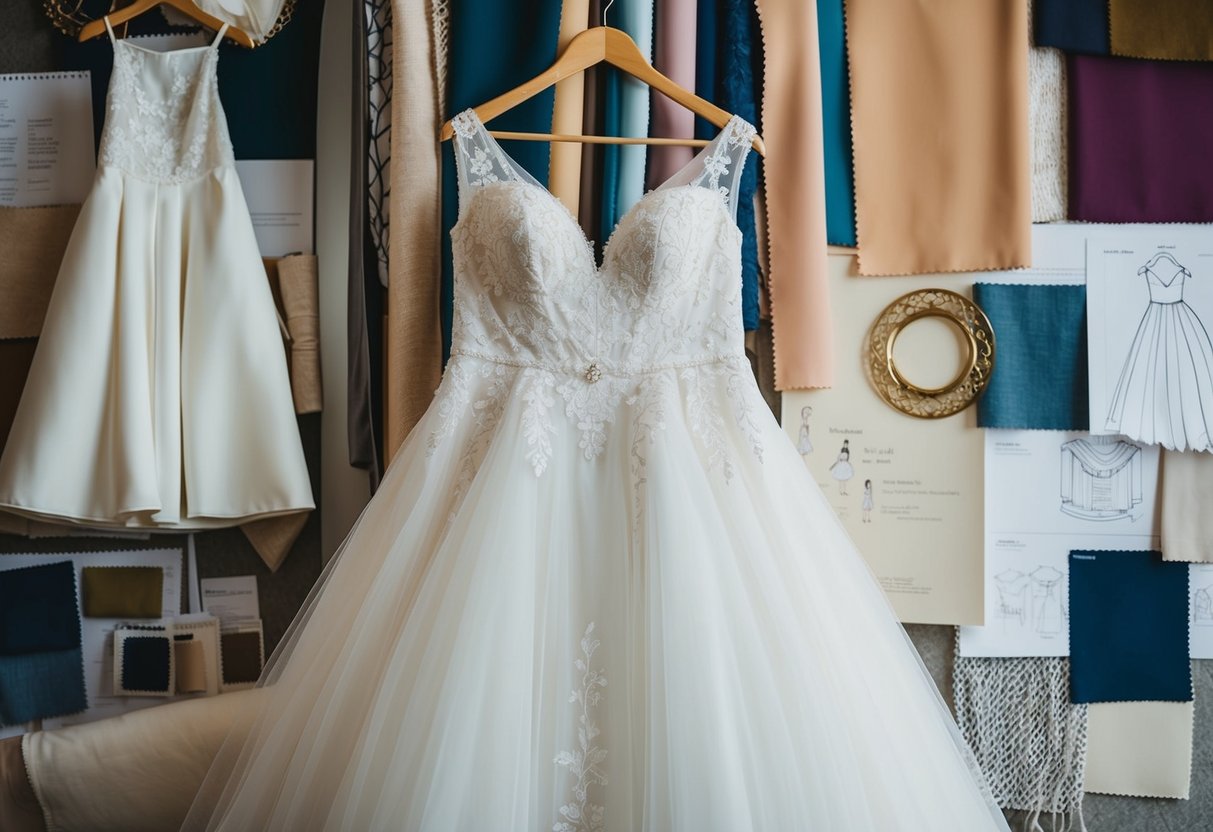
When choosing a wedding dress, several factors play a key role. Knowing these can help you find the perfect fit and style.
1. Body Type
Your body shape greatly influences how a dress will look on you. Different cuts and styles flatter various body types. For example, A-line dresses are great for most shapes, while sheath dresses suit more slender figures.
2. Wedding Dress Sizes
Bridal sizing often runs smaller than ready-to-wear sizes. A size 10 in bridal wear may be different from regular size charts, so always check a wedding dress size chart before ordering.
3. Designer Dress
The designer can affect the fit and sizing. Every designer has unique sizing standards. This can lead to a size discrepancy, so it’s important to try on dresses from various designers.
4. Body Measurements
Taking accurate body measurements, including bust size, waist, and hips, is crucial. Use these measurements when looking at wedding gown sizes to find options that fit well.
5. Wedding Dress Cost
Budget may also influence your choice. Higher-end designers often have different sizing and quality, impacting your overall look and feel.
Keep these factors in mind as you shop for your wedding dress. They can help you narrow down options and find the gown that fits your style and body perfectly!