
Is a Stag Male or Female? Understanding the Basics of Deer Gender
The term “stag” might make you wonder what it really means. A stag refers to an adult male within the Cervidae family, specifically a male deer. Understanding this classification helps clarify the differences between various types of deer. For example, does are the female deer and fawns represent the young.
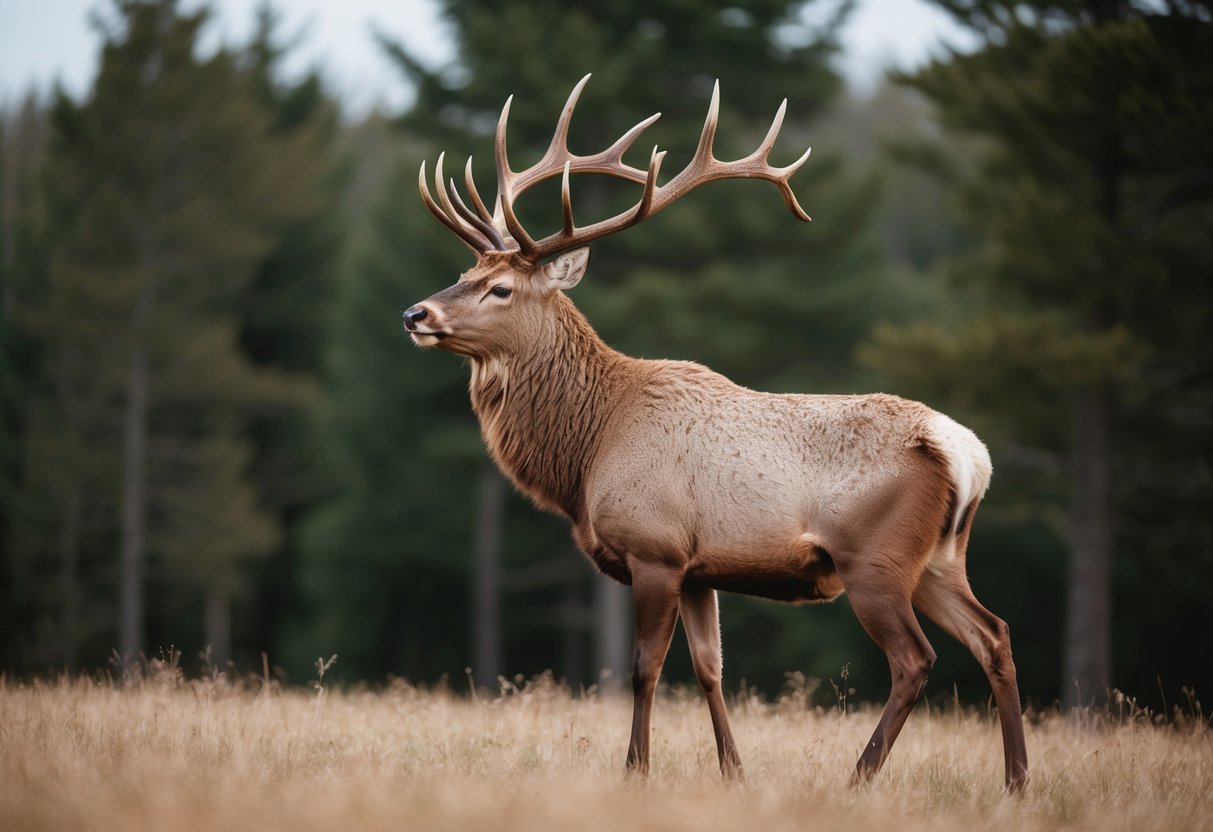
In the world of zoology, stags play a significant role in their ecosystems. They are often distinguished from bucks, which can refer to both younger and adult males. Knowing these terms can enrich your understanding of wildlife and its classifications.
So, whether you’re out in nature or just curious about deer, recognizing a stag is essential. This knowledge not only helps in identifying these majestic creatures but also deepens your appreciation for the diverse world of deer.
Understanding Deer Gender Roles
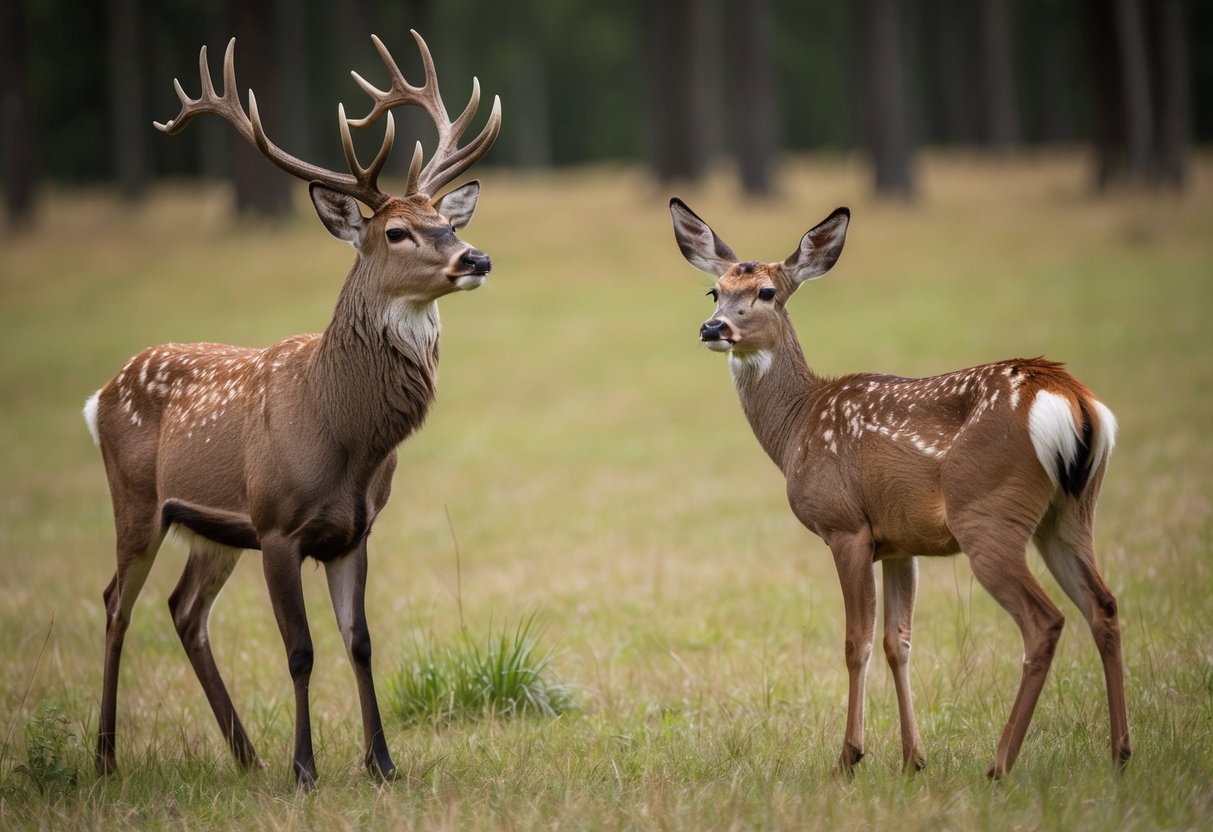
In the world of deer, understanding the differences between males and females is important. The male deer, often referred to as a stag, has distinct traits that set it apart from female deer, known as does or hinds.
The Stag: Majestic Male Deer
A stag is the adult male deer, especially notable in species like the red deer. One of the most recognized features of a stag is its impressive antlers. These antlers grow larger and more complex as the stag matures.
Stags are usually larger and bulkier than their female counterparts. They exhibit a more masculine appearance, which can include a robust body and thicker neck. During mating season, or rut, stags can become quite competitive. They use their antlers to battle other males for the chance to mate with females.
A fully developed stag is sometimes also called a hart. This term is often used for older stags that are well past their prime breeding age.
Distinguishing the Female Deer: Doe and Hind
Female deer are typically known as does or hinds. The term “doe” is often used for younger females, while “hind” usually refers to adults. Unlike stags, female deer do not grow antlers, which makes identification easier.
Does are generally smaller and more delicate in build. They have a more feminine gender appearance compared to stags. In a herd, does play a crucial role in nurturing the young and leading social interactions.
Females usually breed around the age of one to two years, depending on the species and environmental factors. Once a doe gives birth, she takes on the responsibilities of rearing the fawn. Understanding these roles helps you appreciate the balance of nature within deer populations.
Physical Characteristics and Behavior
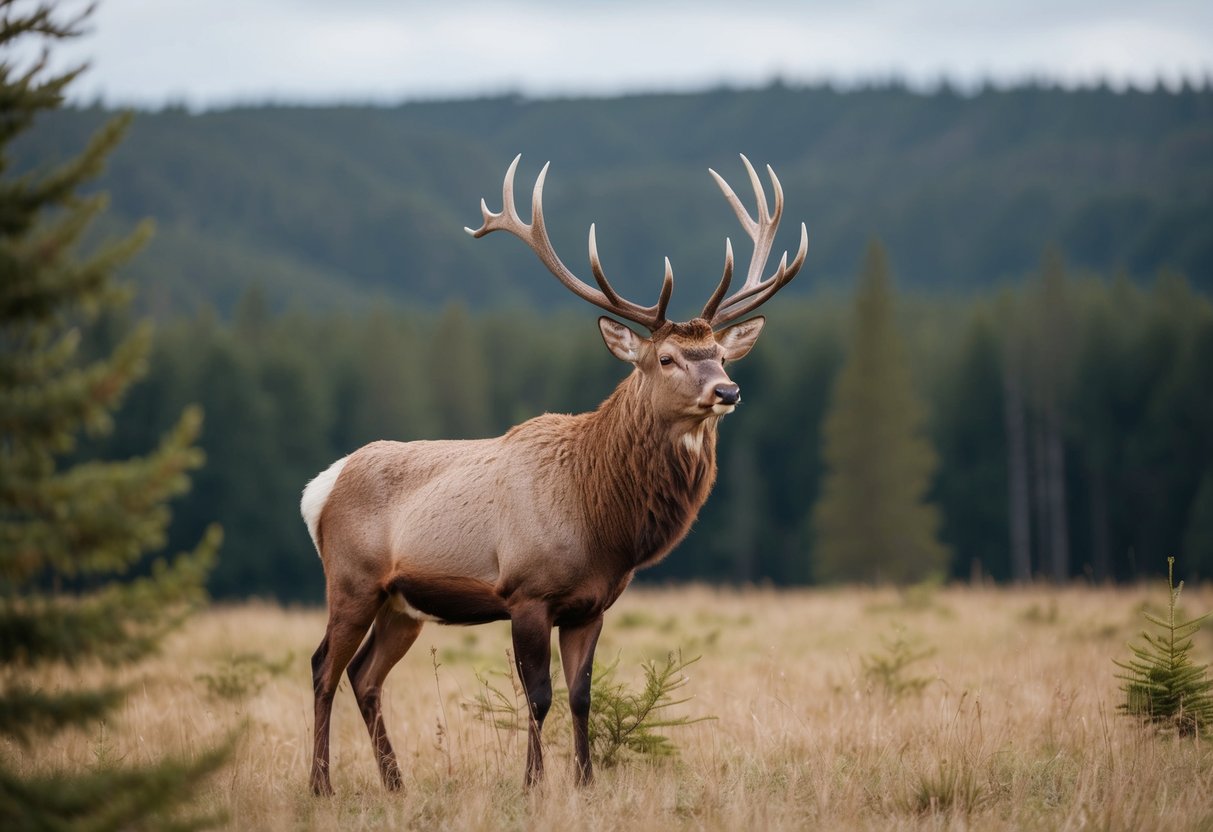
The physical traits and behaviors of stags reveal much about their life stages and social dynamics. These aspects are key to understanding how stags communicate and compete during the mating season.
Antlers: A Symbol of Age and Status
Antlers are one of the most striking features of stags. As a stag matures, its antlers grow larger and more complex. They start as soft, velvety coverings that protect the growing bone. This velvet eventually sheds, revealing the strong bone beneath.
Antlers serve several purposes. Larger antlers often signify greater age and status among other stags. During the rut, stags will display their impressive antlers to attract females and assert dominance over rivals.
In terms of weight, a stag may carry several pounds of antlers. This weight can vary greatly, with some stags boasting impressively large antler spreads. The size and shape can influence their success in mating.
Rut Season: The Deer Mating Dance
The rut season is a fascinating time for stags and the entire deer population. This period typically occurs in the fall and brings significant behavioral changes. Stags become more aggressive and vocal, often engaging in displays to woo does.
During the rut, you might witness stags engaging in what can be described as a “dance.” This includes posturing, grunting, and sometimes even fighting with other stags. These contests help establish dominance and attract mates.
Stags are quite social during this time. You may find them engaging with groups of does, showcasing their masculine traits to capture attention. These behaviors are vital for their reproductive success and highlight the importance of the rut in their life cycle.
Deer in Culture and Society
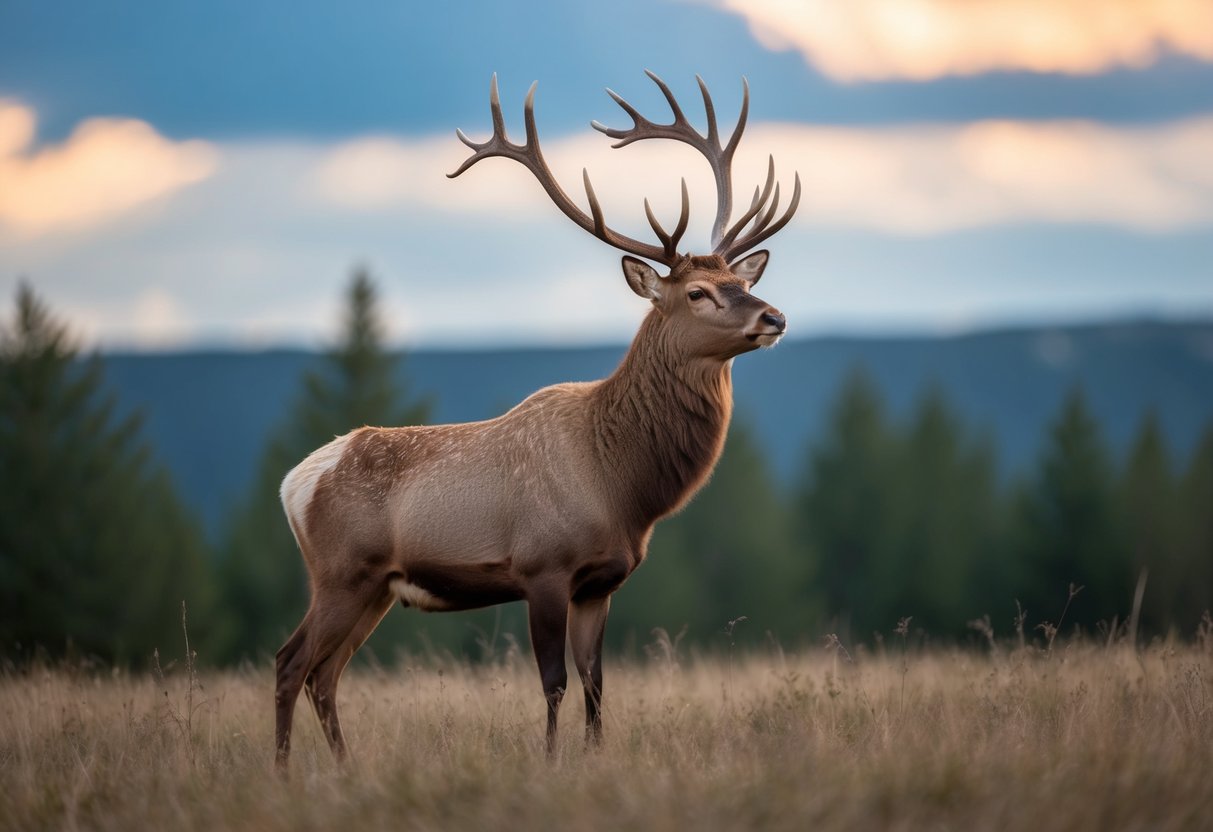
Deer have a rich place in culture and society, often symbolizing nature’s beauty and strength. They appear in many social gatherings and hold historical significance in hunting traditions.
Symbolism and Stags in Social Gatherings
In social gatherings, particularly parties, the stag often symbolizes masculinity. This symbolism is evident in events like stag dos or stag parties, where it celebrates the groom-to-be.
Stags are commonly associated with fun, adventure, and camaraderie. The presence of a stag can enhance the festive atmosphere and make social events more memorable.
Additionally, deer and stags represent grace and poise. Their imagery can be seen in decorations, artwork, and fashion, bringing a touch of nature into celebrations.
Historical Significance of Deer and Hunting
Hunting deer has deep roots in various cultures and has been a significant activity throughout history. It was essential for survival, providing food and materials for shelters and clothing.
In medieval times, hunting was a sport for the elite. Kings and noblemen hosted grand hunting parties, showcasing their status. The term “hart,” referring to a mature male deer, was often used in poetry and literature from these times.
Today, hunting remains a popular recreational activity. Many people hunt for sport, while others focus on conservation efforts. This tradition connects communities, showing respect for nature and wildlife.
Deer Conservation and Habitats
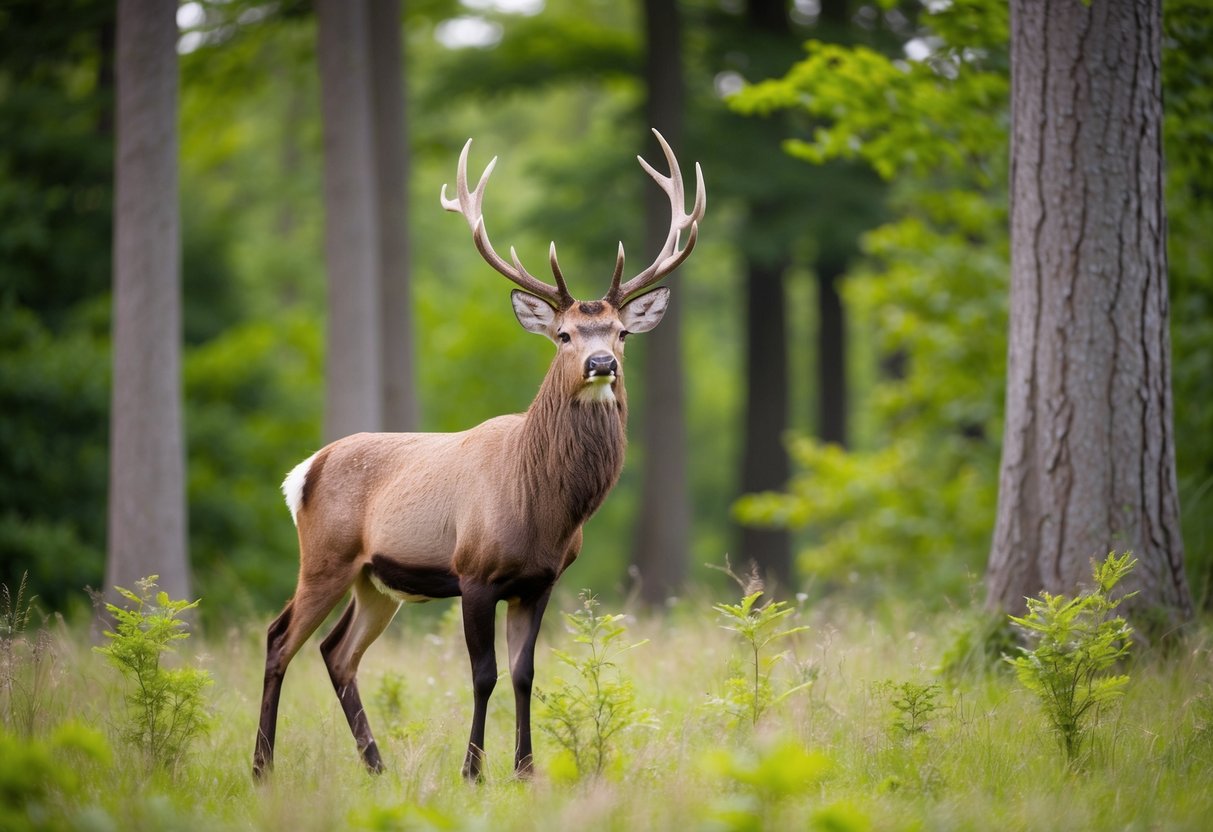
Deer play an important role in our ecosystem. Their conservation helps maintain healthy habitats. Understanding where they live and how they thrive is key to supporting their populations.
Deer Parks and Reserves in the UK
In the UK, there are several notable deer parks and reserves where you can see these amazing creatures. Some of the most famous are located in places like Exmoor, the Lake District, and the New Forest.
Key Deer Parks:
- Exmoor National Park: Known for its red deer, this park offers stunning landscapes and a chance to see deer in their natural environment.
- Thetford Forest: This area supports a diverse deer population, including fallow and roe deer.
- Kielder Forest: Home to a variety of wildlife, Kielder is a popular spot for deer watching.
These parks not only protect deer but also help you connect with nature. They play an essential role in conserving habitats and supporting the overall health of local ecosystems.
Understanding Deer as Ruminants and Ungulates
Deer have a unique digestive system, which classifies them as ruminants. This system allows them to break down tough plant materials. Their stomachs have four compartments, which help them digest grass and leaves efficiently.
As ungulates, deer have specialized hooves that enable them to walk on various terrains. This adaptation is crucial for living in diverse habitats like forests, grasslands, and hills.
Deer grazing also impacts their environment. This behavior helps maintain the balance of plant life and encourages new growth. Understanding these aspects of deer life supports conservation efforts, ensuring that their habitats remain healthy and sustainable for generations to come.