
Is a Wedding Breakfast the Same as a Wedding Reception? Clarifying the Difference
When planning your big day, you might wonder about the terms “wedding breakfast” and “wedding reception.” These two events are not the same, and understanding their differences can help you better plan your celebration.
The wedding breakfast typically refers to the formal meal served right after the ceremony, while the reception is the entire celebration that follows, filled with fun, drinks, and dancing.
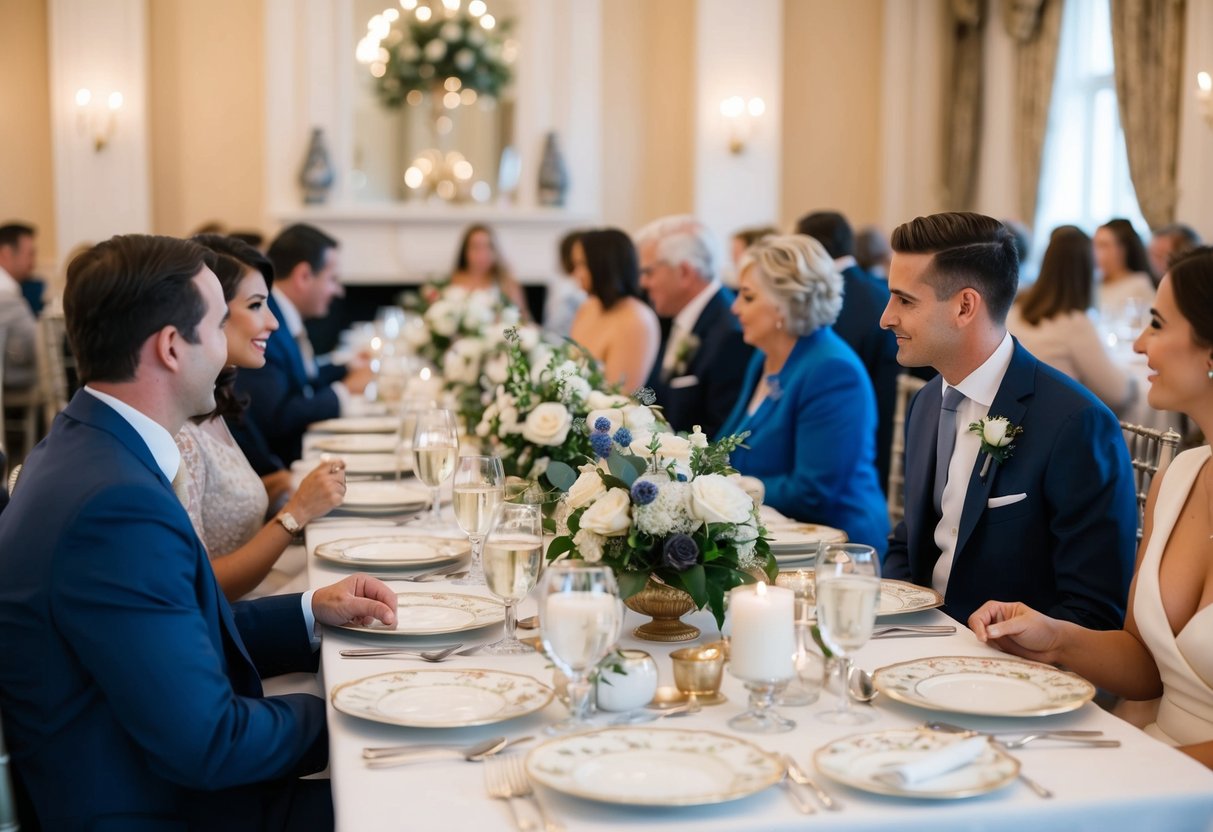
Picture this: after saying your vows, you and your guests gather for that first meal together. This meal is special and marks the start of the festivities. The wedding breakfast includes seated dining and often features speeches and heartfelt toasts.
Once everyone enjoys this meal, the reception kicks off, offering a more relaxed atmosphere where everyone can celebrate, dance, and create lasting memories.
As you navigate your wedding plans, keeping these two parts distinct will help ensure a smooth flow of events. Knowing when each occurs can help you allocate your time and energy effectively, making your wedding celebration even more memorable for you and your guests.
Understanding Wedding Breakfast and Reception
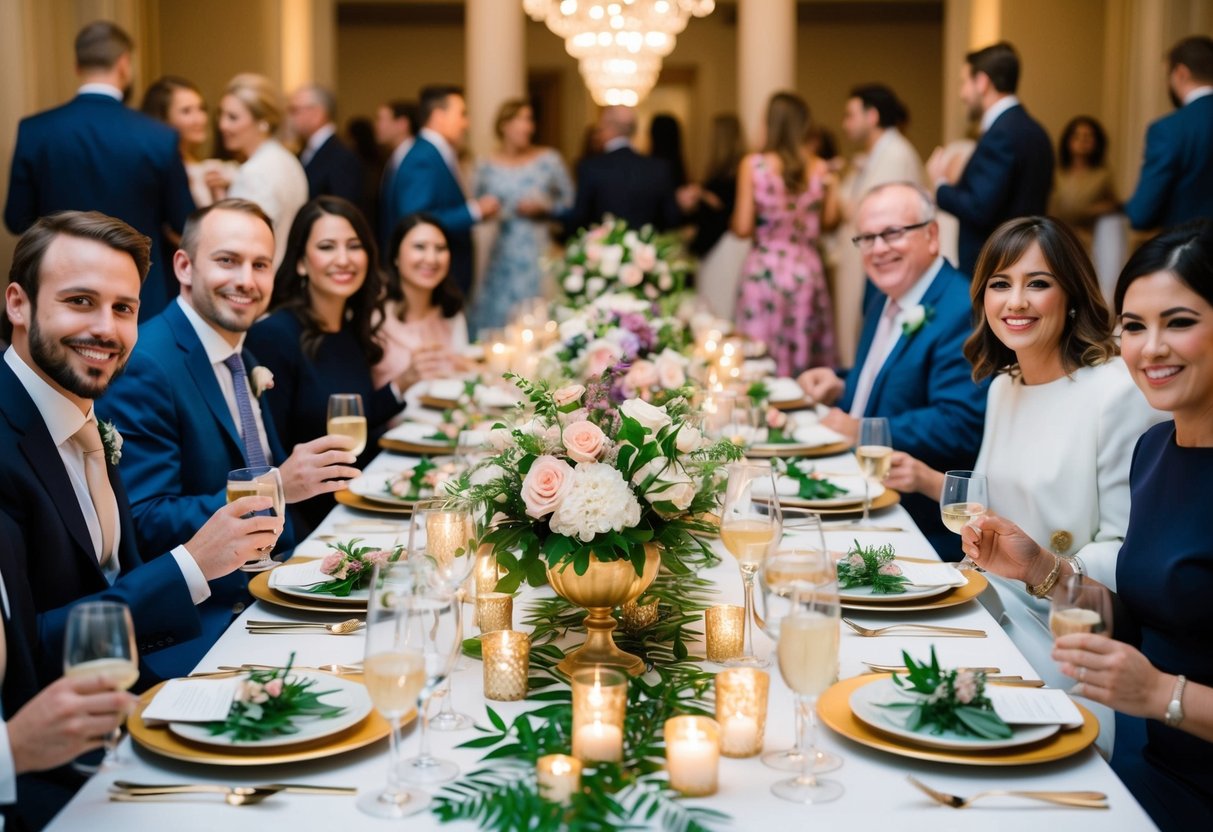
A wedding breakfast and a wedding reception are two important elements of a wedding celebration. While they are often confused, they serve different purposes during the festivities. Knowing the differences can help you plan your big day more effectively.
Origins of the Wedding Breakfast
The term “wedding breakfast” has roots in British tradition. It refers to the first meal shared by the newlyweds and their guests after the wedding ceremony. This meal is usually more formal and structured, often featuring seated dining.
Traditionally, it follows the wedding ceremony, which may include religious elements like a Eucharistic mass or Holy Communion. In many cases, this meal can also be called a wedding luncheon, especially if it takes place in the afternoon. The wedding breakfast celebrates the start of the marriage with food and toasts.
What Is a Wedding Reception?
The wedding reception comes after the ceremony and is more of a celebration. This event is generally less formal and can include various activities, such as dancing, entertainment, and drinks.
While the wedding breakfast is about the meal, the reception is about the overall experience. You may enjoy music, speeches, and mingling with guests. Some receptions might not include a full meal but offer light snacks or a buffet. This gathering allows family and friends to celebrate the couple’s union with joy and laughter, often transforming into a lively party atmosphere.
Key Elements of a Wedding Breakfast
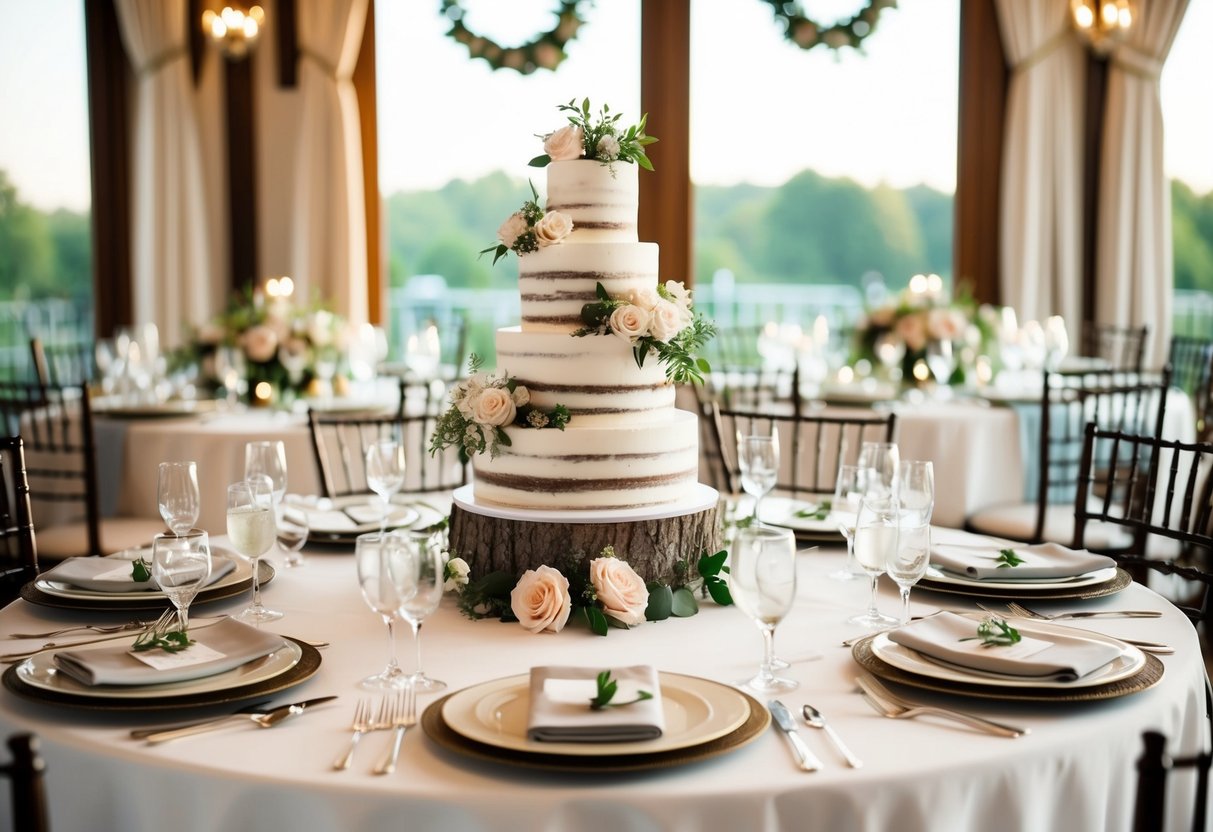
A wedding breakfast offers a chance for you and your guests to enjoy a meal together after the ceremony. It often includes special components that add to the celebration, whether through traditional meals or more modern twists.
Traditional Components
A typical wedding breakfast often features a three-course meal. This usually includes a starter, a main course, and dessert.
You might choose classic dishes that suit your taste and the season. Common options are roast chicken, beef wellington, or vegetable risotto for the main course. Then there’s dessert, which might be a traditional wedding cake or something lighter like berry tarts.
Speeches often take place during this meal, with the father of the bride and the best man usually speaking. These moments are cherished and add a personal touch to the event. It’s a lovely way for everyone to connect and celebrate together.
Modern Interpretations and Variations
Today, couples often explore unique ideas for their wedding breakfasts. Some prefer a buffet style, allowing guests to choose their favorite dishes.
This can include a variety of options like pasta, salads, and even food trucks serving favorites like tacos or gourmet burgers. You might also consider sharing platters, where everyone can sample different dishes together.
This encourages a communal atmosphere, making the meal feel more engaging. No matter what route you choose, aim for food that reflects your style and taste, ensuring your guests have a memorable experience.
The Wedding Reception: A Detailed Look
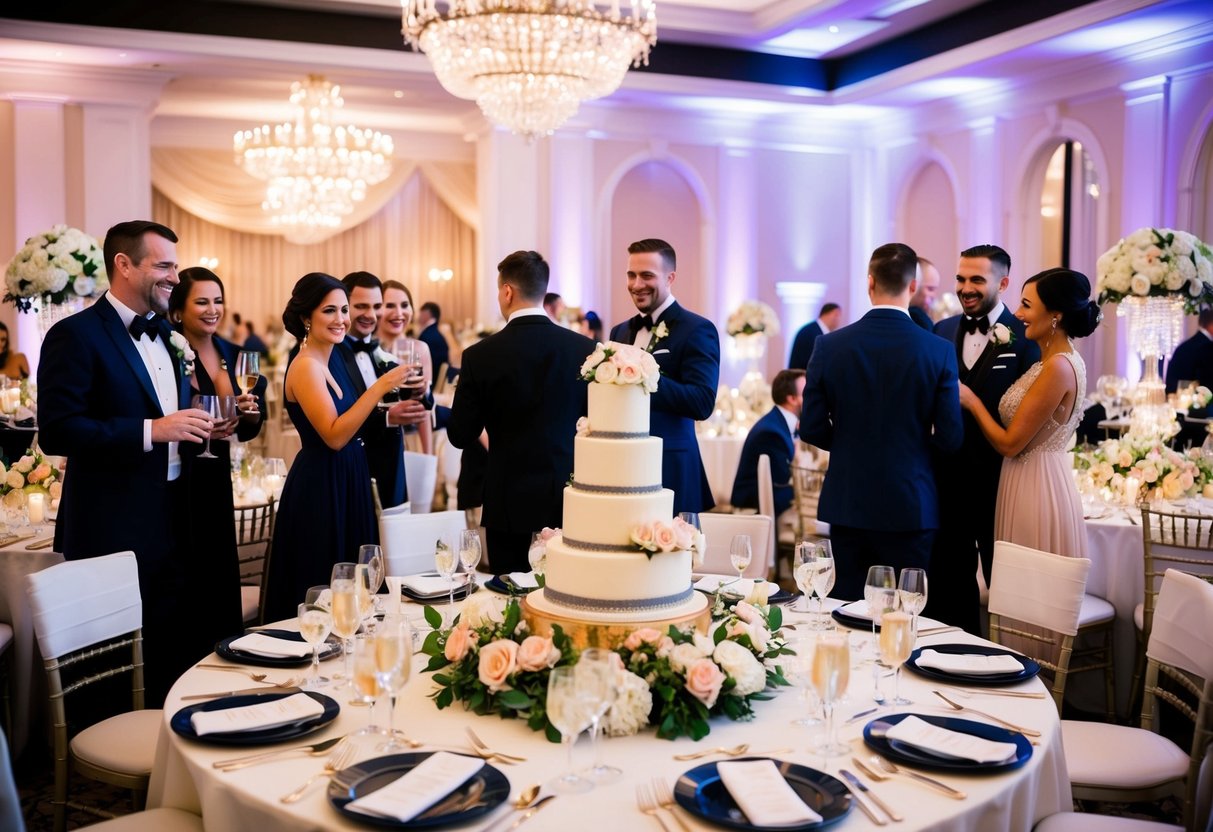
The wedding reception is a key part of your post-ceremony celebration. It’s where you and your guests gather for food, fun, and memories.
Details such as the reception venue, menu, and entertainment all play a significant role in creating a wonderful experience.
Reception Venue and Seating
Choosing the right reception venue is crucial. This space should be large enough to accommodate your guests comfortably while reflecting your style.
Popular options include banquet halls, gardens, and even backyards. The seating plan is also important.
You’ll want to consider how to arrange your tables so everyone feels included. Think about the relationships between guests to avoid any awkwardness.
Whether you opt for traditional round tables or long feasting tables, make sure the layout encourages mingling while still keeping everyone close by.
Catering and Menu Options
Your wedding menu can set the tone for your reception. Decide whether you want a formal sit-down meal or an easier buffet style. Each option has its perks.
With a sit-down meal, guests receive their food served right at the table, which feels special. A buffet allows for variety and can cater to different dietary requirements easily.
Don’t forget about the wedding cake! The cutting of the cake is often a highlight. Ensure your wedding caterer prepares a delicious cake that fits your theme and flavors.
Entertainment and Traditions
Entertainment is key for a lively reception. This is where you can incorporate your favorite traditions, like the first dance or wedding speeches.
Background music helps set the mood. Choose a band or DJ that plays music you and your guests will enjoy. Make sure to have a mix of tunes to keep everyone engaged.
The evening reception often brings a more relaxed vibe, so think about fun activities or late-night snacks. This keeps the celebration going well into the night, ensuring a memorable experience for all.
Planning Your Wedding Day Meals
Your wedding day meals are an important part of the celebration. They not only nourish your guests but also set the tone for the day.
You’ll need to decide on the wedding breakfast and reception, while also considering your guests’ dietary needs.
Deciding on the Wedding Breakfast and Reception
When planning your meals, it’s essential to differentiate between the wedding breakfast and the wedding reception. The wedding breakfast typically occurs right after the ceremony.
This meal can be a formal sit-down breakfast or a casual brunch. You might serve classic morning dishes like eggs, pastries, and fruit.
For a more unique touch, consider options like a gourmet brunch or even a buffet.
On the other hand, the wedding reception is more about celebration. This event usually features snacks or light meals, with a focus on dancing and entertainment.
Think about the flow of the day. Will you have one big meal or several smaller ones? Each meal can showcase your personal tastes and styles, making it truly yours.
Considering Guests’ Dietary Needs
Your guests will appreciate you considering their dietary needs. It’s a thoughtful gesture that shows you care.
Start by gathering information on any allergies or dietary restrictions. This could include vegetarian, vegan, gluten-free, or religious dietary requirements.
When choosing your menu, make sure to include options for everyone. For example, alongside traditional dishes, offer plant-based or gluten-free alternatives. If you’re unsure what to include, consider having a caterer who specializes in diverse menus.
A clear list of ingredients for each dish can also be helpful. This way, your guests can easily avoid any unwanted allergens.
With careful planning, you can create a welcoming meal experience that everyone can enjoy at your wedding.