
Is a Wedding Planner the Same as an Event Planner? Understanding the Key Differences
When planning a special occasion, you might wonder if a wedding planner is the same as an event planner. The truth is, while both help organize events, their focus and expertise are quite different.
Wedding planners specifically deal with weddings, paying attention to every detail to create a perfect day for the couple, while event planners handle a variety of events, from corporate gatherings to birthday parties.
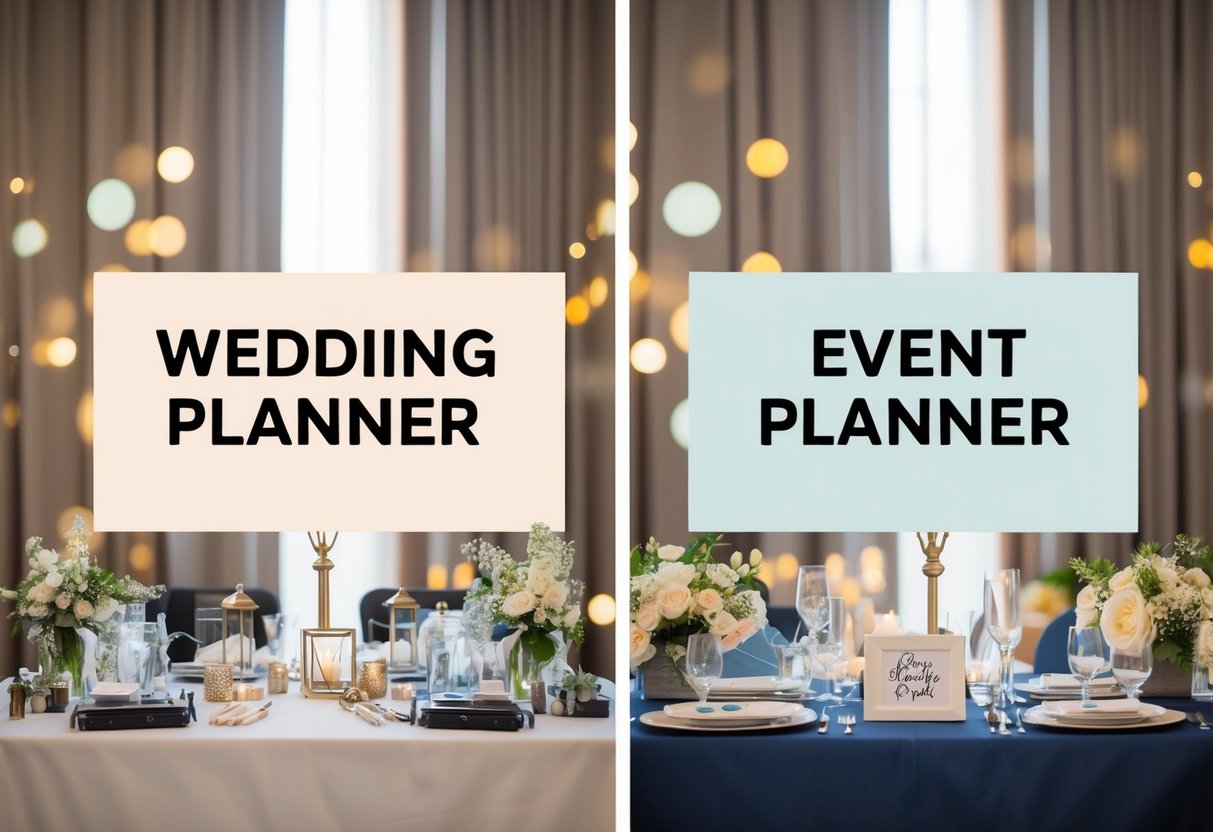
As you explore the differences further, you’ll discover that wedding planners typically work with couples for months, ensuring that all aspects of the celebration are tailored to your vision. In contrast, event planners can tackle smaller, more diverse tasks and may have shorter timelines for planning.
Understanding these distinctions can help you choose the right professional for your needs.
Whether you are getting married or organizing another type of event, knowing the difference can simplify your planning process. You’ll want to read on to learn more about what each planner brings to the table and how to find the right fit for your big day.
Exploring the Roles

When it comes to planning special occasions, wedding planners and event planners have different focuses and responsibilities. Understanding these roles can help you determine which professional is best suited for your needs.
Duties of a Wedding Planner
A wedding planner specializes in coordinating all aspects of your wedding day. They work closely with you to create a vision that matches your style and budget.
Some key duties include:
- Venue Selection: They help you find the perfect place for your ceremony and reception.
- Vendor Coordination: Wedding planners connect you with trusted vendors, such as florists, caterers, and photographers.
- Timeline Management: They create a detailed timeline for your wedding day, ensuring everything runs smoothly.
More than just organizing details, a wedding planner brings experience from the wedding industry. Their expertise helps you avoid common pitfalls and make informed choices.
Responsibilities of an Event Planner
Event planners handle a broad range of occasions beyond weddings. They focus on logistics and coordination for events like corporate gatherings, parties, and fundraisers.
Key responsibilities include:
- Budget Management: They help you set and stick to a budget, ensuring you get the best value for your event.
- Theme Development: Event planners assist in choosing themes and styles for your event, tailoring experiences for guests.
- On-Site Coordination: During the event, they manage everything from setup to take down, ensuring smooth operations.
In the event planning field, your planner’s role may vary based on the type of event. Their skills in the event industry ensure that each occasion is memorable and well-organized.
Specialization and Expertise
When planning events, understanding the distinctions between wedding planners and event planners is crucial. Each role brings unique skills and knowledge suited to different needs.
Wedding Planners’ Expertise
Wedding planners specialize in all aspects of the wedding experience. They are often full-service planners, handling everything from venue selection to floral designs. Their expertise shines in managing details that make your day unique.
They understand traditions, trends, and even legal requirements for destination weddings. A wedding planner will work closely with you to develop a vision and ensure it reflects your desires.
They also coordinate with various vendors and help manage timelines efficiently. This allows you to relax and enjoy the moment, confident in their ability to execute your dream wedding.
Event Planners’ Versatility
Event planners showcase a broader range of expertise. They manage various occasions, like corporate events, birthday parties, product launches, and conferences. Event planners are skilled in event design, ensuring that each event serves its particular purpose and appeals to its audience.
Their versatility allows them to switch between different types of gatherings effortlessly. They handle logistics, budgets, and vendor management while adapting to the client’s needs. While they may not focus solely on weddings, skilled event planners can still create memorable experiences for any occasion.
Whether it’s a small gathering or a large corporate event, their adaptability is key to successful planning.
Comparing Skill Sets
When comparing wedding planners and event planners, it’s clear that both roles share some skills but also have unique abilities tailored to their specific events. Understanding these skills can help you choose the right professional for your needs.
Common Skills Required
Both wedding planners and event planners need strong communication skills. This ability helps them interact effectively with clients, vendors, and guests.
Clear communication ensures that everyone is on the same page, minimizing misunderstandings.
Organizational skills are crucial in both roles. Planners must juggle multiple tasks, timelines, and details. Keeping everything organized is key to ensuring a smooth event.
Additionally, both types of planners engage in contract negotiations. Skills in negotiation help secure the best prices and services, making your event more affordable and enjoyable. Knowledge gained from an event management course can enhance their overall effectiveness in these areas.
Unique Skills for Distinct Events
While there are similarities, wedding planners have skills specific to their craft. A strong creative vision is essential for designing memorable weddings. They often create a theme that ties all elements together, from decorations to attire.
Floral design is another area where wedding planners often excel. They have a keen eye for selecting flowers that complement the wedding’s theme and colors, enhancing the overall aesthetics.
Event planners focus more on logistics. They manage a variety of events, from corporate gatherings to birthday parties, requiring adaptability. They design experiences that cater to diverse audiences, making them versatile in their planning approach.
Navigating the Industry
As you journey through wedding planning, you’ll need to navigate relationships with vendors and ensure smooth coordination. This will be key to making your event successful.
Working with Vendors and Venues
Choosing the right vendors is crucial. Start by identifying your primary needs, such as catering, floral design, and a venue coordinator.
Look for experienced vendors who align with your vision.
Create a list of potential partners and ask for recommendations. Many couples find great leads through reviews or networking at local bridal shows.
Sit down for initial meetings to discuss your ideas, budgets, and timelines.
Once you select your vendors, maintain open communication. Share your floor plans and atmosphere ideas. This coordination helps everyone stay on the same page and boosts creativity.
Coordination and Execution
A seamless event requires strong coordination. Hiring a professional for month-of coordination is often beneficial. This person ensures that all timelines are followed and that each vendor delivers.
You should also work closely with your venue coordinator. They can help manage the logistics of the day, ensuring that everything runs smoothly.
During execution, keep a checklist handy. This list can include setup details, guest seating arrangements, and rehearsal schedules.
It’s also a good idea to draw up detailed floor plans that specify vendor setups and guest flow. Sharing this with your floral designer and creative director will help turn your vision into reality. This teamwork will ease stress on the big day!