
Is an Unplugged Wedding Rude? Understanding the Nuances and Etiquette
An unplugged wedding can create a more intimate atmosphere for your ceremony. You won’t be considered rude for asking guests to put away their phones and enjoy the moment. Many couples choose this route to ensure that everyone focuses on the vows and the love in the air, rather than through a screen.
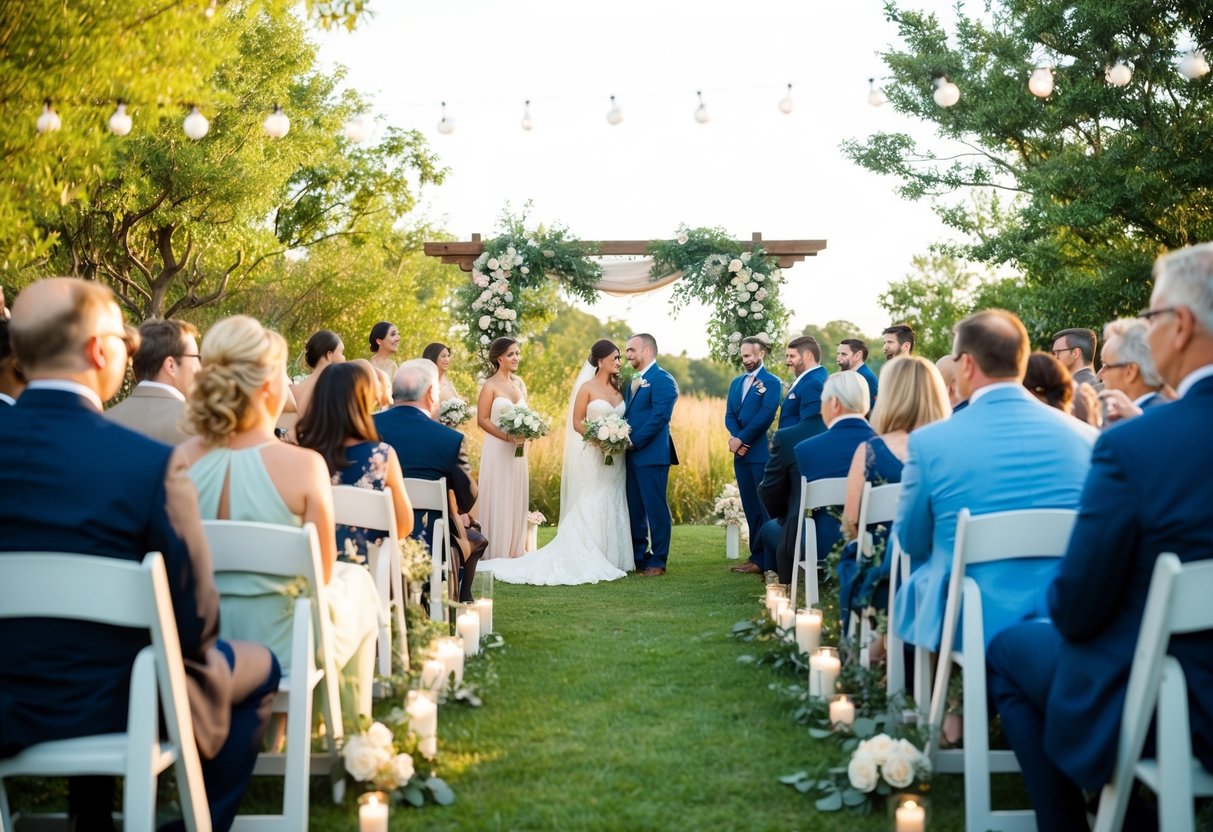
Some guests might feel surprised or even offended at first. However, once they understand the purpose behind the request, they often feel grateful for the opportunity to be present. In fact, an unplugged wedding allows everyone to engage fully with the event, making the memories even more special.
If you’re considering an unplugged wedding, you can share your wishes politely with your guests. Using signs or making announcements can help set the tone while ensuring your loved ones feel included in the experience. Embracing this idea can lead to a more heartfelt and memorable ceremony.
What Is an Unplugged Wedding?

An unplugged wedding is a ceremony where guests are asked to avoid using electronic devices like cell phones and cameras. The goal is to create a personal and distraction-free environment during the ceremony. This approach helps everyone focus on the couple and the moment.
Benefits of a Distraction-Free Ceremony
Having an unplugged wedding brings several benefits. First, it allows your guests to fully engage in the ceremony. Without distractions from cameras or phones, everyone can share the moment together. This creates a more intimate atmosphere.
Another advantage is that professional photographers can capture better images. When guests are busy taking their own pictures, it can block important shots and even interfere with your photographer. By asking guests to step back, you ensure that your memories are beautifully preserved without interruptions.
Understanding the Etiquette
Many might wonder if it’s rude to have an unplugged ceremony. It’s important to understand that this request is becoming more common and is generally accepted. Politely informing your guests can go a long way. Consider using signs at the entrance to your venue.
You can also communicate this in your invitations. Simple wording like “We kindly ask that you refrain from using phones and cameras during the ceremony” can make your wishes clear. Most guests appreciate knowing how to respect your space, allowing them to be present and enjoy the moment with you.
Pre-Wedding Planning

Planning an unplugged wedding involves clear communication and thoughtful design. Making your wishes known helps ensure your guests understand and respect your decision for a private and intimate ceremony.
Communicating Your Wishes
To avoid confusion, it’s important to inform your guests about your unplugged wedding policy ahead of time. You can use a friendly tone when discussing this in conversations. Consider sending a note or an email explaining that you want everyone to be present without distractions from phones or cameras.
You might also think about announcing it during your rehearsal dinner. This provides a personal touch and reinforces your wishes. Guests often appreciate knowing what to expect, and clear communication will help everyone feel more comfortable with the decision.
Designing the Invitation
Your wedding invitation is an ideal place to communicate your unplugged wedding request. Include a gentle reminder, such as “We kindly ask that you refrain from taking photos during the ceremony.” This sets the tone and raises awareness before the big day.
Consider using creative designs or playful language to make this request feel warm and inviting. Adding a small note about the benefits of privacy can also help. For example, mention that this policy allows you to fully enjoy the moment with loved ones.
Alternatively, you can include a separate card with your invitation detailing your unplugged policy. This makes it easy for guests to understand and remember your wishes.
Managing Expectations on the Wedding Day
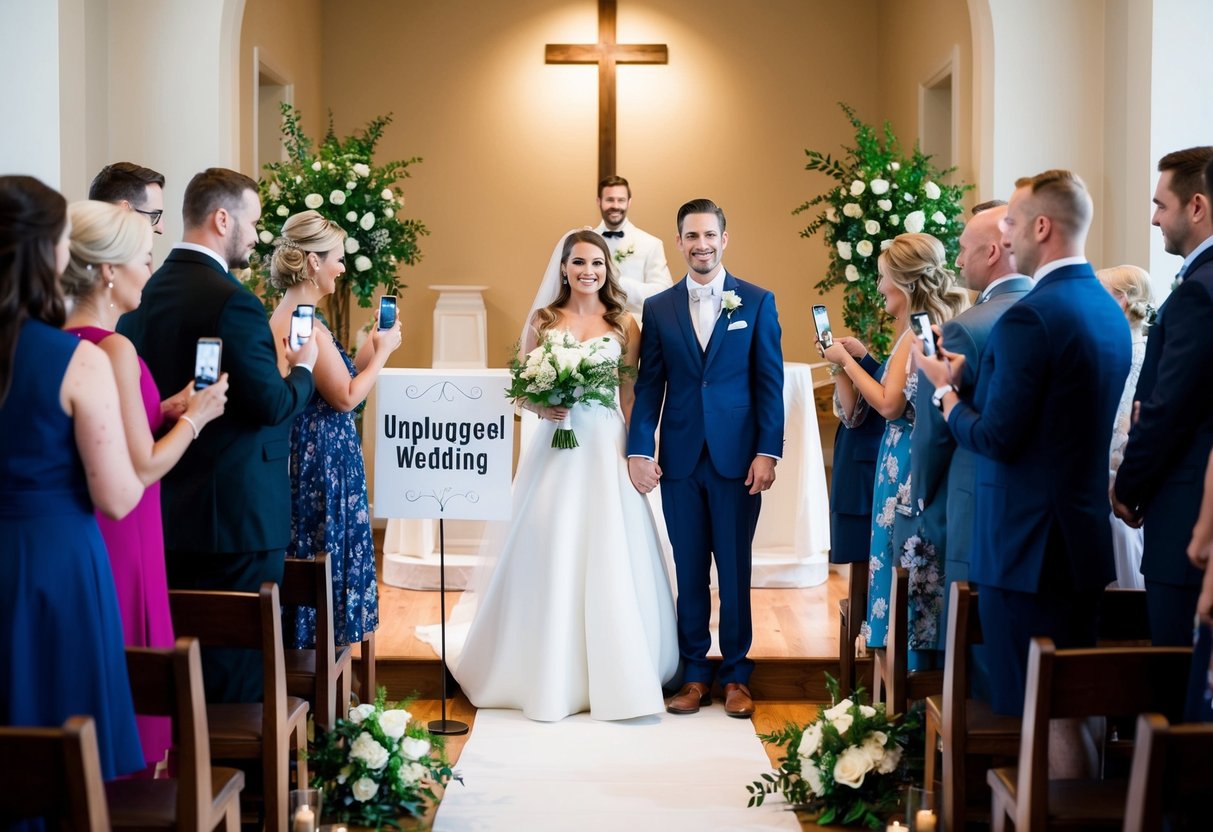
Creating a respectful environment on your wedding day is essential. Setting clear expectations helps guests understand what is acceptable and ensures they feel comfortable during the ceremony.
Role of the Officiant
Your officiant plays a vital role in communicating your wishes to the guests. Before the ceremony, discuss your unplugged policy with them. Ask them to include a statement in their opening remarks, reminding everyone to keep their mobile phones away. This sets the tone and encourages respect for your wishes right from the start.
An officiant can also help reinforce the importance of being present at the moment. They can express that this day is about love and connection, not social media. By addressing guests personally, the officiant shows that you value their presence and support.
Setting Up Signage
Clear signage can guide guests on what to expect during the ceremony. Use signs with simple language that clearly state the unplugged policy. Place them at the entrance of the ceremony area and throughout the venue.
Colorful and eye-catching signs can draw attention easily. A few examples of text you could use are:
- “Welcome! Please respect our unplugged ceremony.”
- “No photos or videos, just your love and presence!”
This way, guests will see the reminders, making it less likely for them to use their mobile phones.
Enforcing the No Camera Policy
Enforcing the no camera policy requires a respectful approach. You may want to appoint a close family member or friend as a “photo monitor.” They can help remind guests to put away their devices if needed.
It’s also important to be patient and understanding. Some guests may forget or be unsure about the rules. If they are caught using a camera, a friendly reminder can go a long way.
You might also send a gentle reminder before the wedding day, either in your invites or through your wedding website. This helps set the expectation early on and shows that you appreciate their cooperation.
Capturing the Special Moments

To ensure you don’t miss any precious memories on your wedding day, it’s important to think about how to capture those special moments. Two key aspects to consider are hiring a professional photographer and sharing the wedding photos after the event.
Hiring a Professional Photographer
A professional photographer is essential for capturing the magic of your wedding. They know how to find the best angles and light, ensuring your photos are stunning. Unlike guests who might take distractions or blurry shots, a wedding photographer focuses on the important moments.
Before your big day, discuss your vision and must-have photos with them. You might want candid shots, posed family portraits, or even unique details like your wedding decor. A good photographer will work closely with you to create a shot list. This way, you’ll feel confident that nothing will be overlooked. Their experience allows them to anticipate moments you might not even think of, making it easier to enjoy your day.
Sharing the Wedding Photos Post-Event
Once the wedding day is done, you’ll likely want to share your beautiful moments.
Social media is a great way to showcase your favorite wedding photos to friends and family. Make sure to create a plan for sharing these images.
Consider discussing this with your photographer so they can provide high-quality images suitable for posting online.
You can create a private album on social media or a website to keep photos accessible while limiting who can view them.
When sharing on social media, think about your privacy settings and how comfortable you are with guests posting their photos.
You can encourage your friends and family to share their pictures but ask them to use a specific hashtag to keep everything organized. This way, you’ll have a collection of memories from everyone who celebrated with you.