
Is Captain a Legal Title? Understanding Its Usage in Law and Society
When you hear the title “Captain,” what comes to mind? For many, it evokes respect and authority, whether it’s in the military, on a ship, or in aviation. In some fields, the title of Captain can indeed be a legal designation. This raises interesting questions about who can rightfully use it and under what circumstances.
In the English language, “Captain” is more than just a word; it’s a symbol of leadership and responsibility. This blog post explores the different contexts in which the title is used and the legal qualifications needed to claim it. You may be surprised to learn how this title varies across industries and what it actually takes to earn this respected designation.
Understanding the legal implications of the title can help you navigate conversations in settings where hierarchy matters. Whether you’re considering a career in aviation, maritime services, or just curious about titles, you’ll gain valuable insights into what it means to be a Captain in today’s world.
Historical and Nautical Origins of ‘Captain’
The term “captain” has deep historical and nautical roots. It reflects a rich tradition in maritime business and the commanding roles on ships. Below, you will find how this title evolved linguistically and gained significance in the world of seafaring.
From Kapitän to Captain: Linguistic Evolution
The word “captain” comes from the Latin “capitaneus,” which means “chief” or “leader.” This term has roots in various languages. In German, “Kapitän” shares similar meaning.
As maritime trade expanded, the term became essential. Captains led crews on merchant ships, ensuring safe passage and trade. The title evolved to denote not just command but also responsibility for seamen and the vessel itself. Captains were pivotal in shaping maritime law and standards.
Further, in English, “captain” became the universal term for the officer in charge. It’s used in both naval contexts and for merchant service. This shift highlights the importance of leadership in seafaring traditions.
Nautical Traditions and Maritime Business
In naval tradition, the captain is often referred to as the “master” or “shipmaster.” This title signifies ultimate authority over the ship, crew, and cargo. The captain’s role involves various duties, from navigation to ensuring safety at sea.
Nautical traditions emphasize the captain’s responsibilities heavily. They must have a deep understanding of maritime law and safe operations. This knowledge is crucial for making decisions, especially in emergencies.
In the context of maritime business, the captain represents the face of the vessel. They communicate with ports, manage the crew, and ensure successful voyages. The captain’s leadership is vital for efficient operations and productivity in the maritime industry.
Roles and Responsibilities
As the captain, you carry a significant weight on your shoulders. You oversee the entire crew and ensure the vessel operates smoothly and safely. Understanding your roles and responsibilities is vital for effective leadership and safe navigation.
Captain as the Commanding Officer
In your role as the commanding officer, you hold the top position on the ship. You are legally recognized as the “master” of the vessel, responsible for its navigation and overall operations. Your authority extends over all crew members, and you need to ensure their safety and well-being.
You must make critical decisions during emergencies, from navigating through storms to managing on-board conflicts. Your direct interaction with crew members helps to maintain morale. Clear communication is key, so you establish guidelines for duties and protocols on deck.
Hierarchy on Deck: First Officer and Crew
Under your command, the first officer, often known as the second-in-command, plays a crucial role. This individual supports you by overseeing daily operations and assisting with navigation. They ensure that all duties are carried out according to maritime laws and standards.
Your crew consists of skilled individuals, often ranked as master mariners, engineers, or subordinate officers. Each member has a specific role, and it’s important for you to understand their responsibilities. This creates a well-organized system where everyone contributes to the ship’s mission.
The Role of a Captain in Various Vessels
Different types of vessels may demand unique responsibilities from you as the captain. On a navy ship, for instance, you may have more extensive military protocols to follow. Your focus would be on both operational readiness and crew discipline.
In commercial shipping, your attention shifts toward cargo management and compliance with international regulations. Regardless of the vessel’s type, your primary goal is to ensure safety, efficiency, and teamwork among the crew.
Understanding these varied roles helps you adapt your leadership style and meet the specific needs of your vessel. Your successful management defines the crew’s experience and the journey’s outcome.
Captains Across the Military and Civilian Spectrum
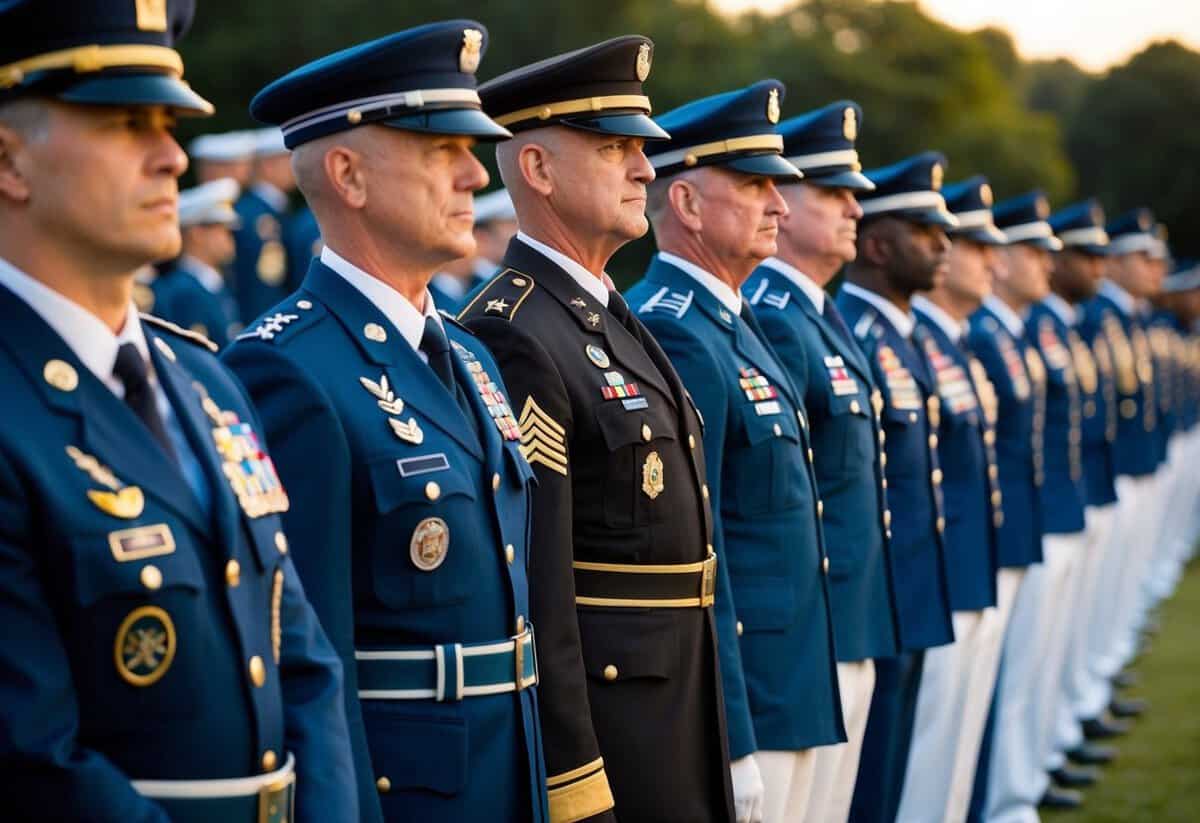
Captains play important roles in both military and civilian settings. In each environment, the title comes with specific responsibilities and authority. Understanding these various dimensions helps clarify what being a captain entails.
Military Leadership: Navy and Army Dimensions
In the military, the title “captain” is a commissioned officer rank. In the United States Navy, a captain commands a large vessel and oversees a crew. Here, a captain has equal rank to a colonel in the Army.
In the Army, captains lead units like a company of soldiers or a regiment. They are responsible for training, planning, and executing missions. Captains in both branches are seen as leaders who guide their personnel with authority and expertise.
Aviation and Space Exploration Perspectives
In aviation, a captain typically refers to the pilot-in-command of an aircraft. The Federal Aviation Administration (FAA) designates the title based on qualifications and experience. Captains are responsible for flight safety, making critical decisions, and ensuring crew protocols are followed.
In space exploration, captains oversee spacecraft and the safety of their crew. They hold an important role in mission planning and execution. Like aviation captains, they must demonstrate strong leadership and decision-making skills, especially in high-pressure situations.
Corporate and Industry Command
In civilian industries, the term “captain” can refer to a “captain of industry.” This leader directs significant business operations and influences market trends. Company leaders are seen as major decision-makers, guiding their organization toward success.
The title can also be used in contexts like maritime and commercial operations. Here, a commodore may oversee multiple vessels, coordinating efforts across different maritime missions. In all cases, captains are respected figures who navigate challenges and drive their teams forward with purpose.
Legal Framework and Global Recognition
The title of “captain” is significant in both legal and maritime contexts. Understanding the frameworks that govern its use can give you insight into how this title is recognized globally.
Admiralty Law and Master Mariner Certification
Admiralty law is essential in maritime operations, defining the legal principles that govern activities at sea. Under this law, a captain, or master mariner, must hold specific certifications to command a vessel.
In many jurisdictions, obtaining a Master Mariner certification requires extensive training, experience, and examinations. These certifications ensure that you possess the necessary skills in navigation, safety, and maritime regulations. Statutes often require captains to adhere to these standards to protect maritime interests.
Failure to comply with these guidelines can lead to legal repercussions for both you and your vessel. Your title as captain becomes more than just a rank; it signifies responsibility and accountability under various admiralty regulations.
International Standards and Foreign Jurisprudence
Foreign jurisprudence and agreements often recognize the captain’s title internationally. The International Maritime Organization (IMO) develops standards that countries adopt. These standards influence how other countries recognize you as a captain.
Different nations may have specific laws that define the role and authority of a captain. For example, foreign jurisdictions may require documentation proving your qualifications to enter their waters.
It is crucial to understand these differences. Whether you are acting as a captain or dealing with maritime legal issues, knowing the standards set by various states can help you navigate international waters legally and confidently.