
Is Declining an Invitation Rude? Exploring Etiquette and Understanding Feelings
When you receive an invitation, you might feel pressure to attend, even if you can’t or don’t want to. Many people worry about hurting someone’s feelings, but saying no can be done gracefully and respectfully.
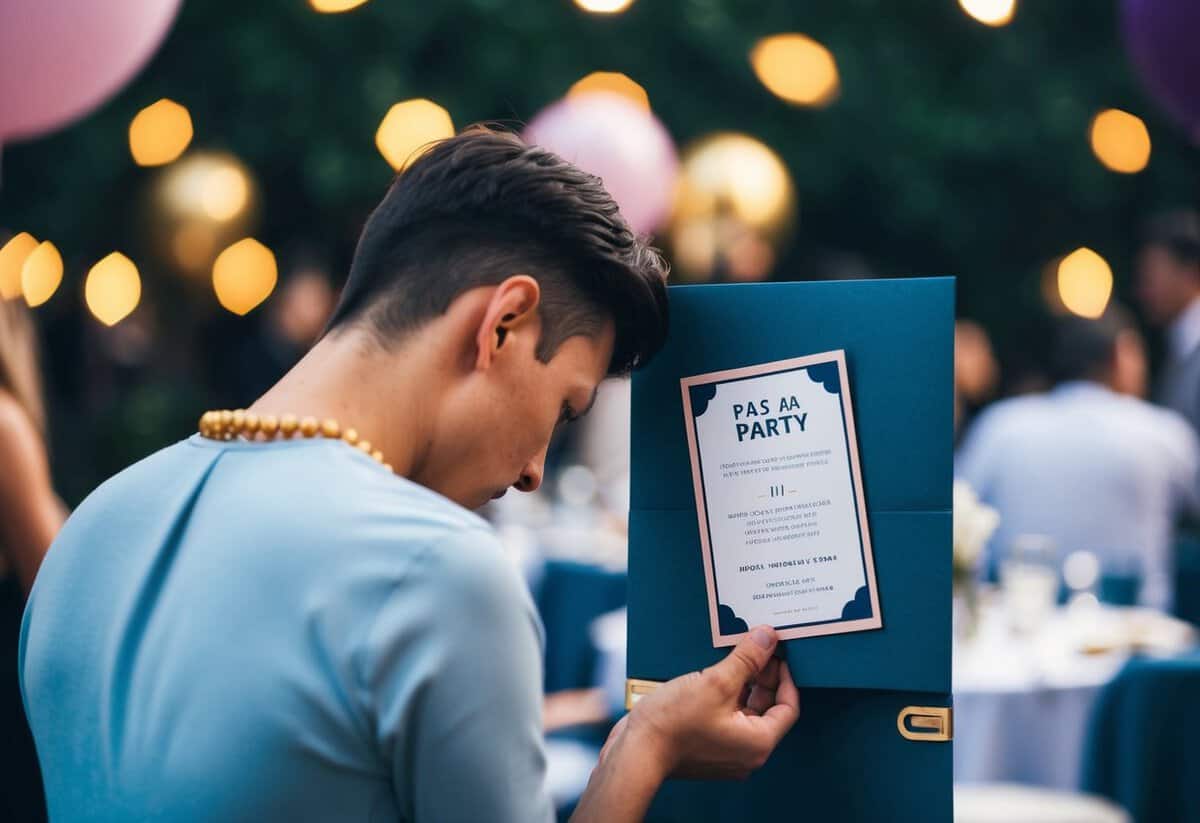
You might find yourself in situations where the event simply doesn’t fit your schedule, or perhaps you’re not interested. It’s essential to remember that everyone has different commitments and preferences. The key is to communicate your decline politely, which helps maintain your relationships while respecting your own boundaries.
Reading ahead, you’ll discover thoughtful ways to decline invitations without feeling awkward. You’ll also learn how to ensure your response leaves a positive impression and keeps the door open for future interactions.
Understanding the Etiquette of Invitation Responses
When you receive an invitation, your response is important. Knowing the right way to reply can help maintain good relationships. Understanding RSVP expectations and advice from etiquette experts can guide you in politely declining invitations when needed.
The Role of RSVP in Social Gatherings
RSVP stands for “Répondez s’il vous plaît,” which means “Please respond.” When hosts send invitations, they often request an RSVP to manage details like food and seating.
Your response helps them know how many people to expect. A timely reply, even if you plan to decline, shows respect for their effort.
If you can’t attend, it’s best to respond quickly. A simple message like, “Thank you for the invitation, but I cannot make it,” is polite and clear. If your reason is personal, it’s okay to keep it brief.
Being considerate of the host’s planning will help keep your friendship strong.
Insights from Etiquette Experts on Declining Invitations
Etiquette experts emphasize that it’s perfectly acceptable to decline an invitation if you’re busy or uninterested. They advise you to be honest and straightforward in your reply.
Here are some strategies for a polite decline:
- Express Gratitude: Start with “Thank you for the invitation.”
- State Your Decline: Clearly mention you cannot attend.
- Optional Reason: You can share a brief reason if you feel comfortable.
Remember, your honesty can strengthen relationships. Saying no does not mean you value the host less. Instead, it shows respect for both your time and theirs. Being polite in your response reflects well on you, and it’s a key part of maintaining good etiquette.
How to Politely Decline an Invitation
When you need to say no, doing so with kindness is key. It is important to show gratitude and maintain a positive tone in your message. Here are some ways to craft your response, whether it’s for a formal invitation or a casual get-together.
Crafting a Gracious No for Formal Invitations
For formal invitations, your response should be respectful and sincere. Start by thanking the host for the invite. You could say, “Thank you so much for the invitation to your wedding.” Then, you can kindly state your regret. A clear response could be, “I regret to inform you that I will be unable to attend.”
Consider adding a brief reason, like scheduling conflicts. It helps the host understand your situation. If appropriate, express a desire to connect later. For example, “I hope we can catch up soon.” This keeps the door open for future interactions while conveying your appreciation.
Conveying Regrets for Casual Get-Togethers
Declining a casual get-together offers a chance to keep it light and friendly. Thank the host first, saying something like, “Thanks for inviting me to game night!” You can then express your regret with a statement like, “I can’t make it this time.”
A personal touch helps here. You might write, “I always enjoy our time together.” This shows that you value the friendship, even if you can’t attend. Suggest another time to meet, like, “Let’s plan something soon!” This keeps your connection strong and positive.
Using Positive Tone to Convey Appreciation
A positive tone is essential in any decline. It keeps the interaction warm and friendly. Start by expressing appreciation for the invitation. You could say, “Thank you for thinking of me!” Reinforce that you enjoyed the invite, which makes the response feel considerate.
Even when saying no, keep your wording upbeat. Phrases like, “I really wish I could join you!” show your gratitude. Ending with a hopeful note, such as “Have a great time!” can further brighten your response. This positivity not only respects the host’s feelings but also strengthens your relationship.
Mitigating the Impact of Declining

When you decline an invitation, it’s important to soften the impact on relationships. You can maintain goodwill by expressing gratitude and suggesting alternatives.
Offering Alternatives: Suggesting Another Time
If you can’t attend an event, offering an alternative can be a great way to show you still value the relationship. Start by thanking the host for the invitation. Then, suggest another time to meet. For example, say, “I appreciate the invite! I can’t make it this time, but how about grabbing coffee next week?”
This approach helps avoid hurt feelings. It shows you aren’t rejecting the person, just the specific event. Make sure to be sincere and provide a specific date or time when you can meet. This makes it easier for the host to say yes to a future get-together.
Handling Scheduling Conflicts With Finesse
Scheduling conflicts can happen to anyone. Communicating openly is key to navigating them well.
When you need to decline, emphasize the conflict without going into too much detail. You can say, “I’m really sorry, but I have a prior commitment.” This keeps the focus on your schedule rather than the invitation itself.
Also, reassure the person you value your time together. You might add, “Let’s plan something soon!” This helps alleviate worry about hurting feelings. Such gestures remind your host that you care about spending time with them, even if the timing doesn’t work out right now.
Special Circumstances: Declining Wedding Invitations
Declining a wedding invitation can feel tricky, but there are many valid reasons to say no. Life is unpredictable, and you might need to prioritize your needs.
You might face financial constraints. Weddings can be expensive, and you might want to save your money by not attending.
Health issues also matter. If you’re unwell or have a medical situation, you need to take care of yourself.
Prior commitments can arise too. Whether it’s work, family obligations, or travel plans, you may have something else scheduled.
When you need to decline, keep your response polite and simple. A short message can convey your regrets without needing to explain too much.
Here’s a quick list you can follow:
- Be prompt: Respond as soon as you decide.
- Express gratitude: Thank the couple for the invite.
- Send your wishes: Offer a kind note wishing them well.
You can use phrases like: “Thank you for inviting me. I’m unable to attend but wish you a beautiful day.” This shows respect and warmth.
It’s not rude to decline a wedding invitation. Everyone understands that life happens, and your honesty helps maintain good relationships.