
Is Eloping Better than a Wedding? Exploring the Advantages of Choosing a Simple Ceremony
Choosing between an elopement and a traditional wedding can be a big decision for you and your partner. Each option has its unique charms and challenges, and what may be perfect for one couple might not resonate with another. If you seek a more intimate experience that focuses solely on your love, an elopement may be the better choice.

Eloping allows you to celebrate your commitment in a way that feels personal and special. With fewer guests and less pressure, you can enjoy the day without the stress of a large event. Many couples find that this intimate setting enhances their connection and makes the experience more meaningful.
On the other hand, if you dream of a grand celebration with family and friends, a traditional wedding might be what you want. This path offers the chance to include loved ones in your special day, creating memories that all can cherish together. Ultimately, the decision is about what feels right for you and your partner.
Understanding Elopement and Traditional Weddings
When considering your special day, knowing the differences between elopement and traditional weddings can help you make an informed choice. Each option has unique elements that cater to different preferences and styles for celebrating love.
Defining Elopement
Elopement typically means that a couple decides to marry without the usual fanfare of a large ceremony. Often, this takes place in a more private setting, such as a beautiful outdoor location or a cozy city hall.
Eloping allows for a more intimate experience. You can focus entirely on each other instead of worrying about big wedding traditions, guest lists, and extensive planning. The vibe is relaxed, and you can even choose to have no guests or just a close friend or two by your side.
What Constitutes a Traditional Wedding
A traditional wedding usually involves a larger celebration with family and friends. These ceremonies often follow specific customs and rituals, depending on cultural or religious practices.
Common elements of a traditional wedding include a formal venue, a wedding party, and a detailed schedule of events. You might have a wedding reception, complete with food, dancing, and speeches. This type of celebration is ideal for those who enjoy formalities and want to share the day with loved ones.
Elopement Vs Wedding: Key Differences
| Aspect | Elopement | Traditional Wedding |
|---|---|---|
| Guest Count | Few or none | Many |
| Venue | Intimate, unique settings | Formal venues like churches or banquet halls |
| Planning Time | Often less time-consuming | Can take months to plan |
| Cost | Typically lower | Can be much higher |
| Ceremony Style | Simple and personal | Detailed with specific traditions |
Understanding these key differences can help you decide what type of celebration aligns with your vision for your wedding day. Whether it’s the simplicity of eloping or the grandeur of a traditional wedding, choose what feels right for you.
Planning Your Special Day
When planning your special day, you want to focus on what feels right for you and your partner. Whether you’re eloping or having a traditional wedding, understanding the essentials will help make the process smoother and more enjoyable.
Elopement Planning Essentials
Eloping can be an exciting and intimate way to celebrate your love. Start by setting a budget that suits your needs. Think about any specific details, like attire and photography, that you want to include.
Create a timeline to keep things organized. Even though elopements are simpler, you still need to consider logistics like permits if you choose a special location. Research local laws for marriage licenses, especially if you’re going out of state or to another country.
Don’t forget to personalize your day! Write your own vows or choose a meaningful spot for the ceremony. This is your moment, so make it feel truly special.
Traditional Wedding Planning Roadmap
Planning a traditional wedding involves more steps and details. Start your process by setting a budget. This will guide all your decisions, from the venue to the guest list.
Once you have a budget, choose your wedding date. Popular dates can book up quickly, so it’s wise to be flexible.
Next, decide on a venue. Consider factors like size, location, and amenities. A great venue can really set the tone for your special day.
After securing the venue, build a timeline for planning. Include key tasks, like booking vendors, sending invitations, and scheduling fittings for your attire. Keeping everything organized makes the process less stressful.
Selecting the Ideal Location
Choosing the right location is essential for both elopements and traditional weddings.
For an elopement, think about places that resonate with you. It could be a stunning beach, a serene forest, or even a city rooftop. The spot should reflect your love story and be somewhere you can truly connect.
If you’re having a traditional wedding, consider the number of guests and the atmosphere you want. Do you prefer a grand hall or a cozy barn? Ensure it has the right facilities and ambiance to make your celebration memorable.
Destination weddings are also a popular choice. Research popular spots that fit your vision and budget. Always visit in advance if possible to get a feel for the area and service.
Deciding on the Guest List
Creating your guest list is an important step and can differ greatly between eloping and having a traditional wedding.
For elopements, you may choose to keep it to just the two of you or invite a few close family members and friends. Consider who truly matters to you. This can make the day more meaningful.
For a traditional wedding, compiling a guest list can be a bit more complex. Start with immediate family and close friends, then expand outward. Make sure to keep the venue capacity in mind. It’s also helpful to consider relationships and whether you want to keep it intimate.
Remember, it’s your day. Choose guests who will support and celebrate your love!
Involving Family and Friends in Your Plans
Involving family and friends can enhance your wedding experience, but it’s crucial to set boundaries.
For an elopement, you might want to keep details private until after the ceremony. Sharing afterward can involve friends and family in a fun way without pressure.
If you’re planning a traditional wedding, ask family for input on elements that matter to them, like traditions or specific details. However, ensure your vision is prioritized. Use a wedding planner if needed to keep everything balanced.
Keeping open communication can help manage expectations and make everyone feel included. This way, you can enjoy a beautiful day that reflects both your love and your relationships.
Evaluating Costs and Stress Factors
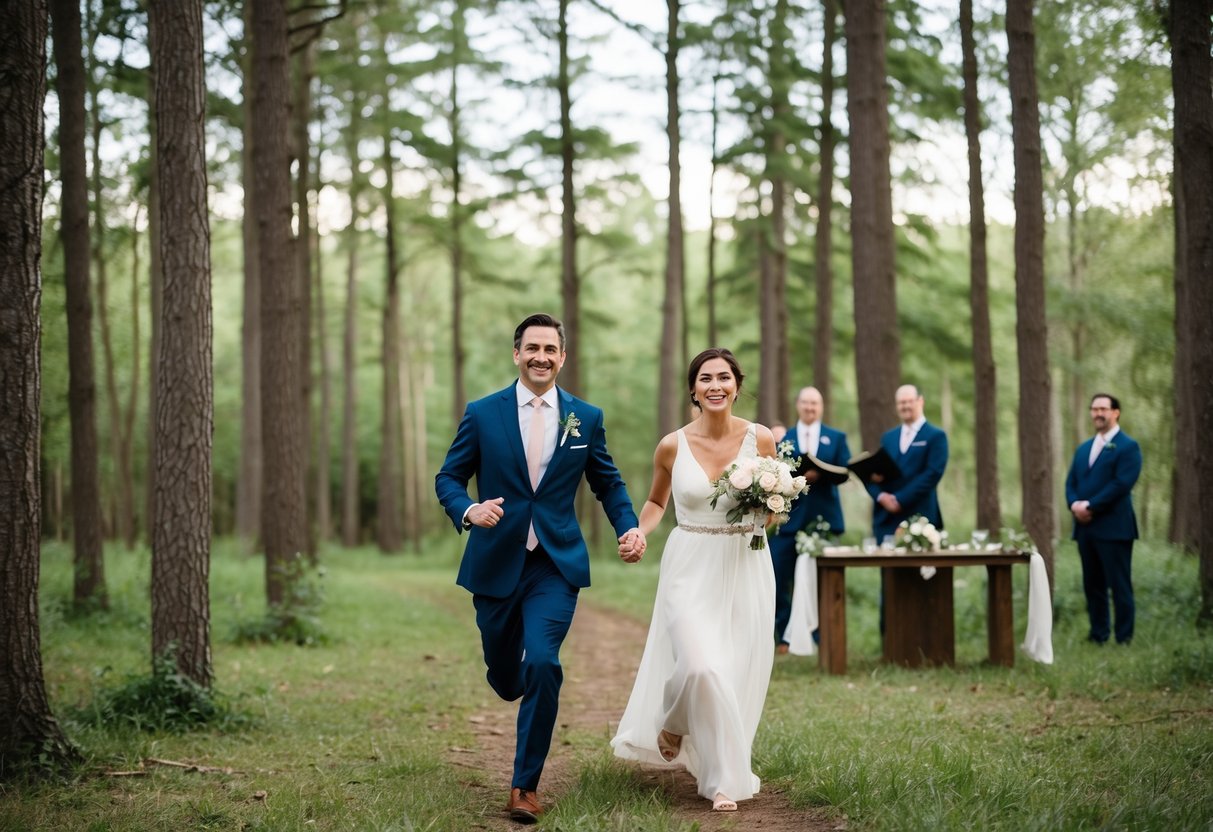
When deciding whether to elope or have a traditional wedding, costs and stress levels are key considerations. You’ll want to examine the average expenses and the impact on your financial situation, how guest counts influence costs, and the emotional aspects that come with family expectations.
Understanding the Average Costs
The average cost of a traditional wedding in the U.S. is approximately $34,000. This price includes venue rentals, catering, decorations, and more. In contrast, elopements typically cost much less, averaging between $2,000 and $15,000.
Here’s a quick breakdown:
- Traditional Wedding: $34,000
- Average Elopement: $2,000 – $15,000
Eloping allows you to prioritize what truly matters, reducing unnecessary expenses and letting you spend more on experiences rather than on a big event.
Reducing Financial Stress
Weddings can lead to significant financial stress. Many couples feel pressure to conform to social expectations and overspend. With eloping, you get the chance to keep costs low.
By opting for an elopement, you can avoid heavy debts and stress associated with traditional wedding expenses. You won’t have to worry about funding an expensive reception or inviting countless guests.
Choosing a small elopement can provide peace of mind. This way, you can focus on celebrating love rather than finances.
Comparing the Guest Count: Big Vs Small
A traditional wedding often involves a large guest count, which can skyrocket costs. The average guest count for a wedding is around 100-150 people, significantly raising expenses for catering, seating, and venue size.
In contrast, elopements are typically intimate affairs. You can choose to invite just a few loved ones or even keep it solely between you and your partner.
- Traditional Wedding: 100-150 guests
- Elopement: 2-10 guests (or just the couple)
A small guest list means lower costs and less stress, allowing you to focus on what matters most—your commitment to each other.
Dealing with Family Drama and Expectations
Planning a traditional wedding can come with a host of family expectations and potential drama. You may feel pressured to invite certain relatives or follow specific traditions, which can be overwhelming.
Eloping can provide a welcome break from this pressure. You can make decisions that feel right without worrying about offending family members.
By choosing to elope, you prioritize your happiness and relationship over external expectations. This choice can reduce anxiety—it’s your special day, and you get to celebrate it in your own way!
Making the Experience Personal and Memorable
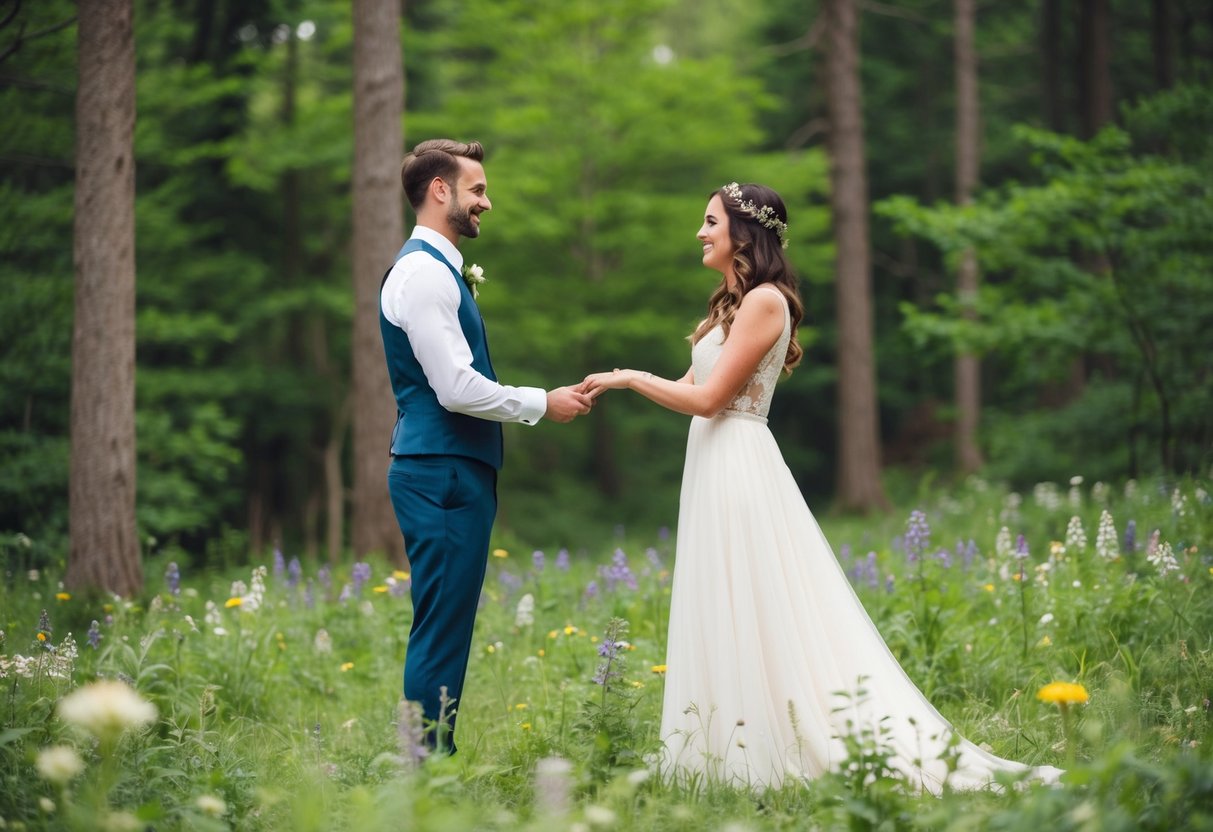
Eloping offers you a unique chance to create a day that feels truly yours. You can focus on what matters most, whether it’s an adventurous elopement or an intimate ceremony with loved ones. Here’s how you can make your elopement personal and memorable.
Emphasizing Personalization and Intimacy
With eloping, you have the freedom to tailor every detail to fit your style. You can skip the formalities and focus on what connects you as a couple. Consider incorporating personal vows that reflect your journey together.
Design your ceremony location to suit your tastes. Whether it’s a beach, forest, or even your backyard, your setting can enhance the intimate atmosphere.
This flexibility allows for a more heartfelt and authentic experience that traditional weddings often struggle to achieve.
Choosing Your Officiant and Witnesses
Selecting the right officiant can make your ceremony feel more personal. You can choose someone who knows you well or even a close friend or family member. This personal touch can help make the ceremony more meaningful and relaxed.
You also have the option to keep your wedding party small or even invite just one or two witnesses. This helps maintain that intimate vibe, ensuring that everyone present feels special and connected.
If needed, remember to obtain a marriage license beforehand, as it’s still a crucial element, whether you elope or host a larger wedding.
Creating Lasting Memories
Your elopement is an adventure, so think about ways to capture those special moments. Hire a photographer who understands your vision and can document the day authentically.
Consider including activities that bring you joy, like hiking, biking, or exploring a new city together. This can turn your elopement into a mini getaway full of fun and unforgettable experiences.
By focusing on the things you love and creating a special day personalized to your journey, you’ll create memories that last a lifetime.