
Is Getting Eloped a Real Marriage? Exploring the Legality and Meaning Behind Elopements
Eloping is often seen as a spontaneous and intimate way to get married, but many wonder if it counts as a “real” marriage. Eloping is completely valid and legal as long as you meet the requirements in your state or country. This means that your commitment to each other is just as strong, regardless of the size or style of your ceremony.
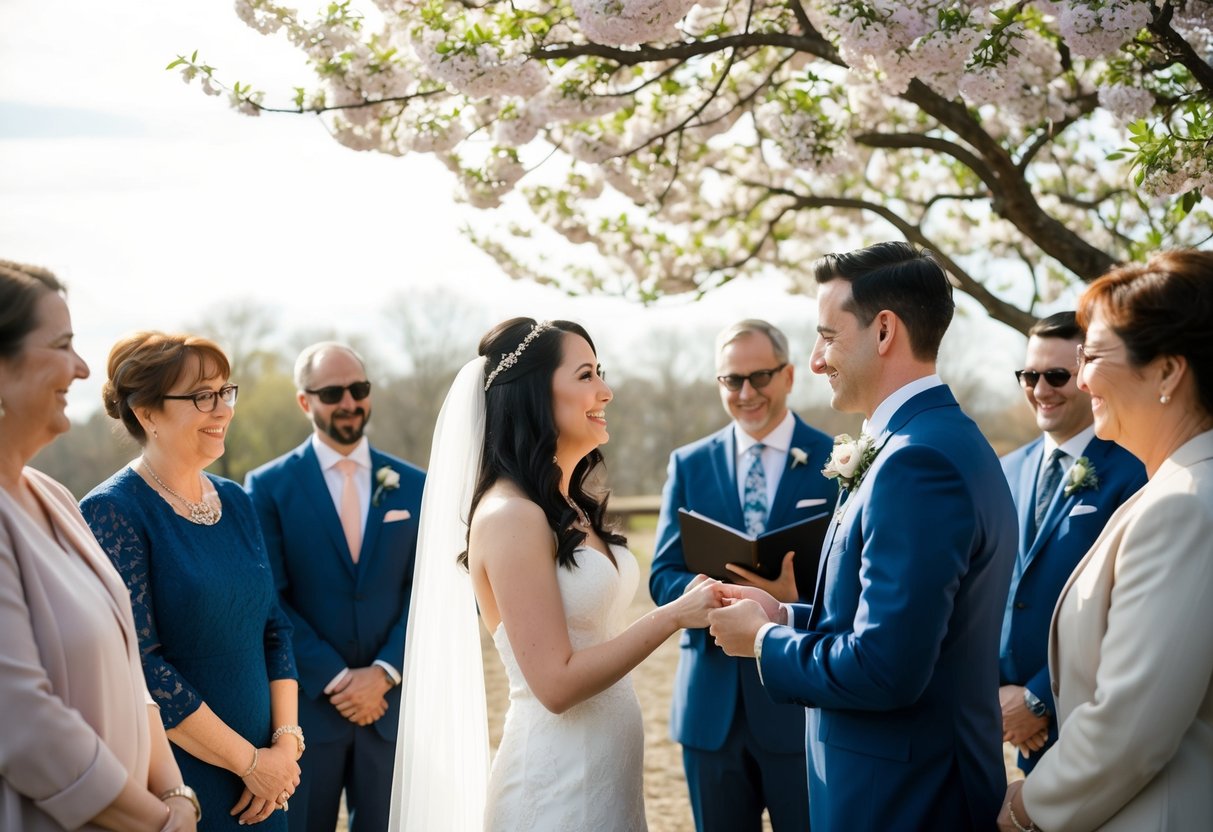
Many couples choose to elope for various reasons, such as avoiding the stress of planning a large wedding or wanting a more personal experience. This choice can be empowering and allows you to focus on what truly matters—your relationship.
If you’re curious about how elopement works and whether it’s right for you, you’re in the right place.
Join us as we explore what it means to elope, the legal aspects involved, and the myths surrounding this unique way of tying the knot. You might find that eloping is not just a viable option but a wonderful way to celebrate your love.
Understanding Elopement
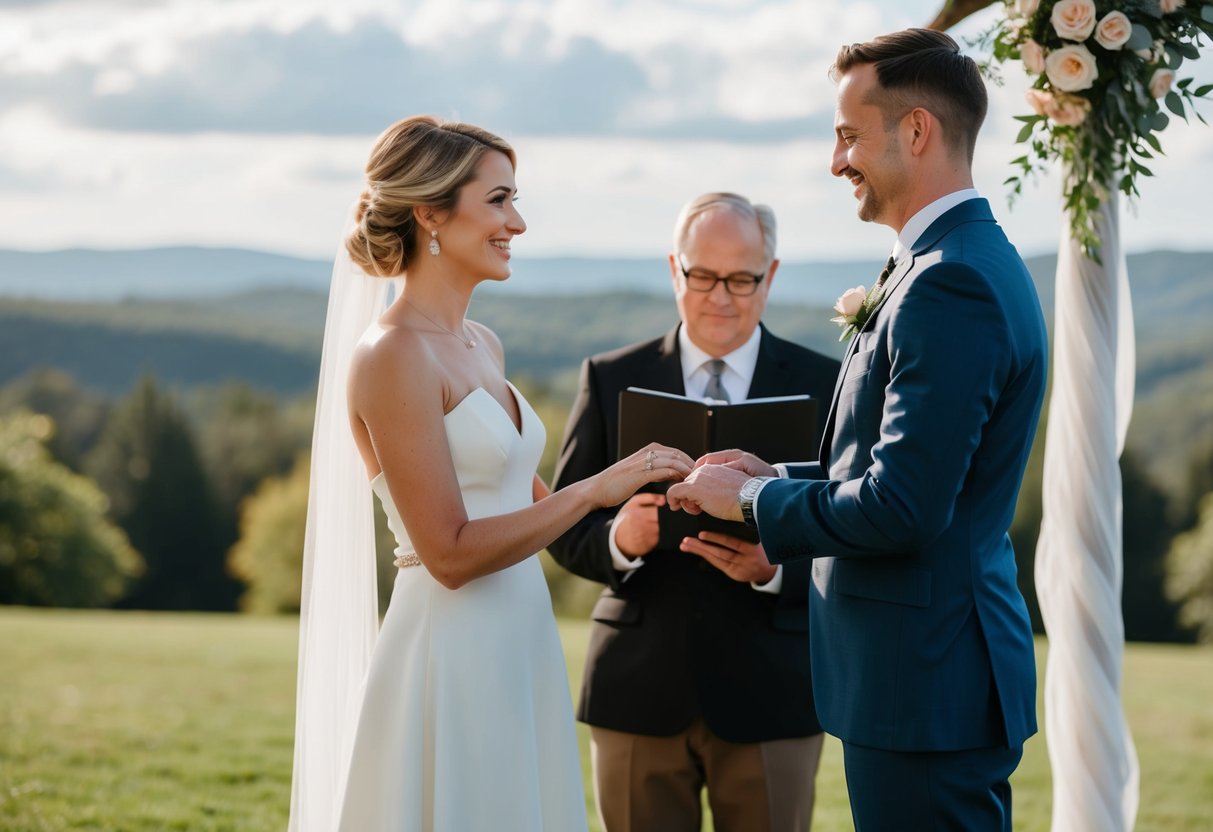
Elopement has become a popular choice for many couples seeking a more personal experience. This section explores what elopement means, how it differs from traditional weddings, and the reasons why couples decide to take this route.
Defining Elopement
Elopement traditionally means to run away and get married secretly, often without anyone knowing. Today, it can also refer to small, intimate weddings. Unlike larger ceremonies, an elopement typically focuses on the couple rather than on big gatherings.
In modern terms, elopements vary but still emphasize personal connection. Couples may choose gorgeous settings like beaches or forests for their elopement ceremony. These weddings often involve just a few close friends or family members, which makes the day feel even more special.
Elopement vs Traditional Wedding
Elopements and traditional weddings differ greatly in style and size. A traditional wedding usually includes a formal ceremony, a guest list, and elaborate planning. This process can often feel overwhelming due to guest considerations and Vendor coordination.
In contrast, an elopement is usually much simpler. You can plan your event in a matter of weeks or even days, which is less stressful. Many couples prefer this intimate format as it allows for a focus on each other, rather than on hosting large gatherings.
Reasons Couples Choose to Elope
There are several reasons couples choose to elope. One key factor is the desire for simplicity. Planning an intimate wedding often takes less time and effort.
Many couples also seek adventure by choosing unique locations or a destination elopement. Whether it’s a mountainside or a foreign city, these settings can make your special day even more memorable.
Other reasons include fewer costs and no pressure from family or societal expectations. By eloping, you can invest in experiences rather than a lavish wedding, making it a fulfilling choice for many couples.
Legal and Societal Recognition
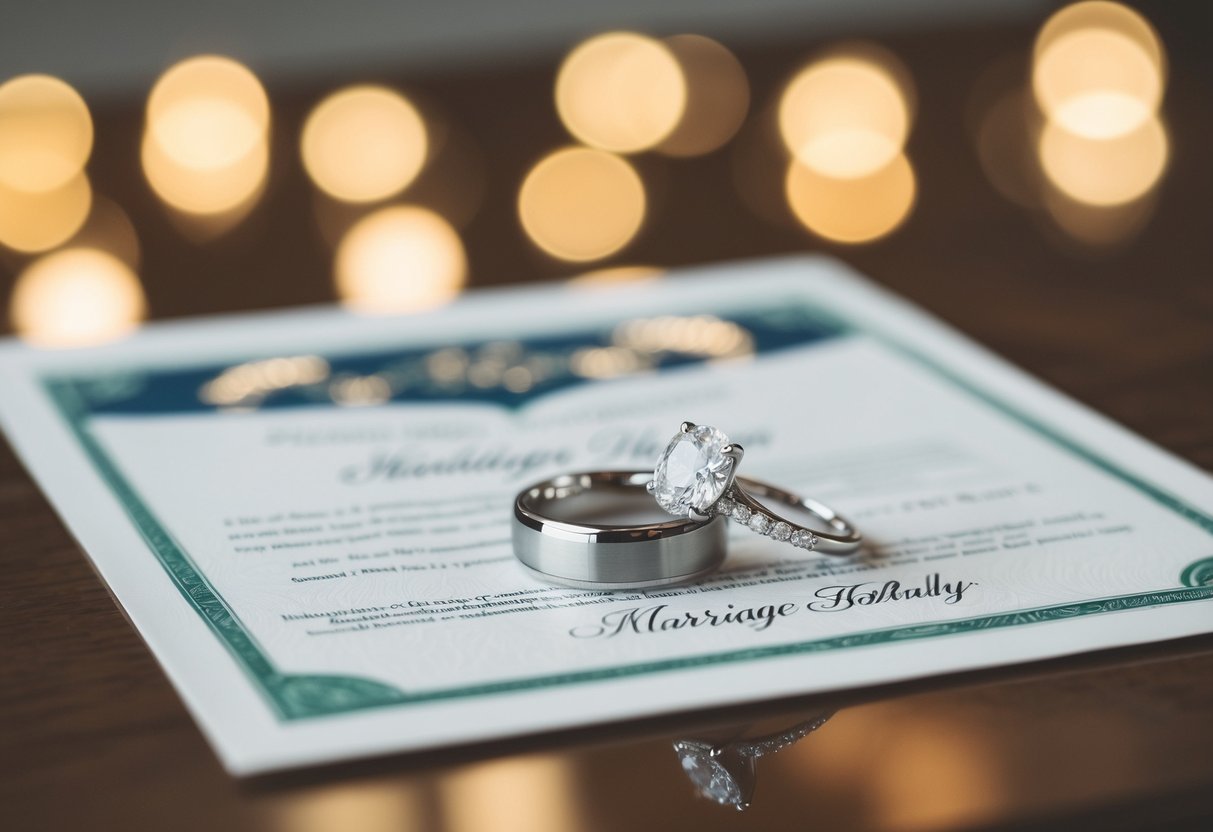
When considering an elopement, it’s important to understand its legal status and how society views these marriages. This recognition can affect your commitment and the lasting nature of your relationship. Here are some key points to keep in mind.
Validity of Elopement Marriages
Elopement is recognized as a valid form of marriage in many places. As long as you meet legal requirements, such as obtaining a marriage license and having an officiant, your elopement is just as legitimate as a traditional wedding.
The legal status means that you enjoy the same rights and benefits that come with marriage. This includes inheritance rights, tax benefits, and access to health care decisions.
So, if you choose to elope, you can feel confident that your commitment is real and meaningful.
Marriage License and Legal Requirements
To legally elope, you need a marriage license. This process can vary by state or country. Most locations require you to apply in person and provide proper identification.
It’s important to check your local laws to know the exact requirements. You may need to pay a fee and wait for a short period before receiving the license.
After your elopement, make sure to obtain a copy of your marriage certificate. This document proves your marriage and is often necessary for legal matters, such as changing your name or applying for benefits.
Societal Expectations and Acceptance
While eloping may not follow traditional wedding customs, it is becoming more accepted in society. Many people view elopements as a courageous choice that emphasizes personal preference over societal expectations.
In recent years, society has shifted towards valuing meaningful commitment over elaborate celebrations. Couples prioritize their love and connection instead of worrying about a large wedding.
This change means that you can elope and still feel supported by friends and family. Ultimately, what matters most is the commitment you make to each other, not the ceremony itself.
The Elopement Experience
Choosing to elope offers a unique and personal way to celebrate your love. It allows you to focus on what truly matters without the stress of traditional wedding planning. Here are some key aspects of your elopement experience.
Planning Your Elopement
When you start planning your elopement, consider what aspects are most important to you. This includes deciding if you want a very small ceremony or something more elaborate with close friends and family.
Creating a timeline is helpful. It guides you on when to book your location, officiant, and any other details.
Make a checklist to keep track of things like permits, travel, and attire. Don’t forget to think about how you might want to personalize the ceremony. This can include writing nontraditional vows or including meaningful readings.
Choosing a Location and Officiant
Selecting the right location sets the tone for your elopement. Whether you dream of a beach, a mountain top, or a garden, make sure it reflects your style as a couple.
Once you choose a spot, check if you need any permits. Some locations have specific requirements for elopements.
After picking a location, you’ll need an officiant. This person can be a professional or a friend who can perform the ceremony.
Consider someone who understands your vision and can help create an intimate atmosphere. Be sure to communicate your wishes, so the ceremony feels personal.
Creating an Intimate Ceremony
The beauty of an elopement lies in its intimacy. Create a ceremony that feels special to you.
You might want to include traditions that are meaningful or create new rituals. Think about including a small guest list, maybe just family or a couple of close friends.
Personal touches can make your ceremony unique. Consider what elements will resonate with you both. For instance, you can choose meaningful music, write heartfelt vows, or share a symbolic gesture like a unity candle. Every detail counts, making the day truly your own.
Post-Elopement Considerations
After you elope, there are several important factors to think about. You’ll want to share your news, celebrate with your loved ones, and adjust to your new life as a married couple. Here are key aspects to consider.
Announcing Your Marriage
Sharing your elopement news can be exciting. You can announce your marriage through social media, email, or a fun surprise for family and friends.
Consider creating a special announcement card with your wedding date and location. This adds a personal touch.
Don’t forget to include your guest list for celebrations. While eloping often means a smaller wedding, letting everyone know about your union can help build connections.
You may also want to explain your reasons for eloping to family and friends, especially if they were expecting to join in a larger celebration.
Hosting a Post-Elopement Reception
A post-elopement reception is a great way to celebrate with your loved ones. This gathering allows you to host a small wedding with your friends and family.
Decide on the number of guests you want to invite. This will help you choose the right venue and manage costs.
Your reception can be casual—think about a party in your backyard, a restaurant, or even a unique location. Aim to reflect your personality!
Don’t forget about wedding gifts; people may still want to give you something to celebrate your union, even if you eloped.
Navigating Post-Elopement Dynamics
Transitioning into married life can come with adjustments. After eloping, be prepared for new dynamics in your relationship and with friends and family.
Discuss your expectations openly with your spouse. This can clear up any misunderstandings about your new roles or plans for the future.
There might be disadvantages of eloping that arise, like missing out on family traditions or feeling the need for validation from others.
Be supportive of each other during this time. Communicating feelings is vital as you navigate your new life together.