
Is It Bad Not to Have a Wedding Ring? Exploring the Meaning Behind This Choice
Not wearing a wedding ring is a choice that many people make for different reasons. Many people choose not to wear a wedding ring for various reasons. Personal preference plays a significant role in this decision, and it’s essential to remember that each relationship is unique.

Some people may feel uncomfortable wearing jewelry, while others might simply prefer to express their commitment in different ways. You might find that your bond with your partner is strong and meaningful, even without the traditional symbol of a wedding ring. The key is open communication about your feelings and choices regarding commitment.
Ultimately, your relationship should be based on trust and love rather than just a piece of jewelry. Understanding what works best for you and your partner can help you create a fulfilling connection that goes beyond societal norms.
Cultural and Historical Significance of Wedding Rings
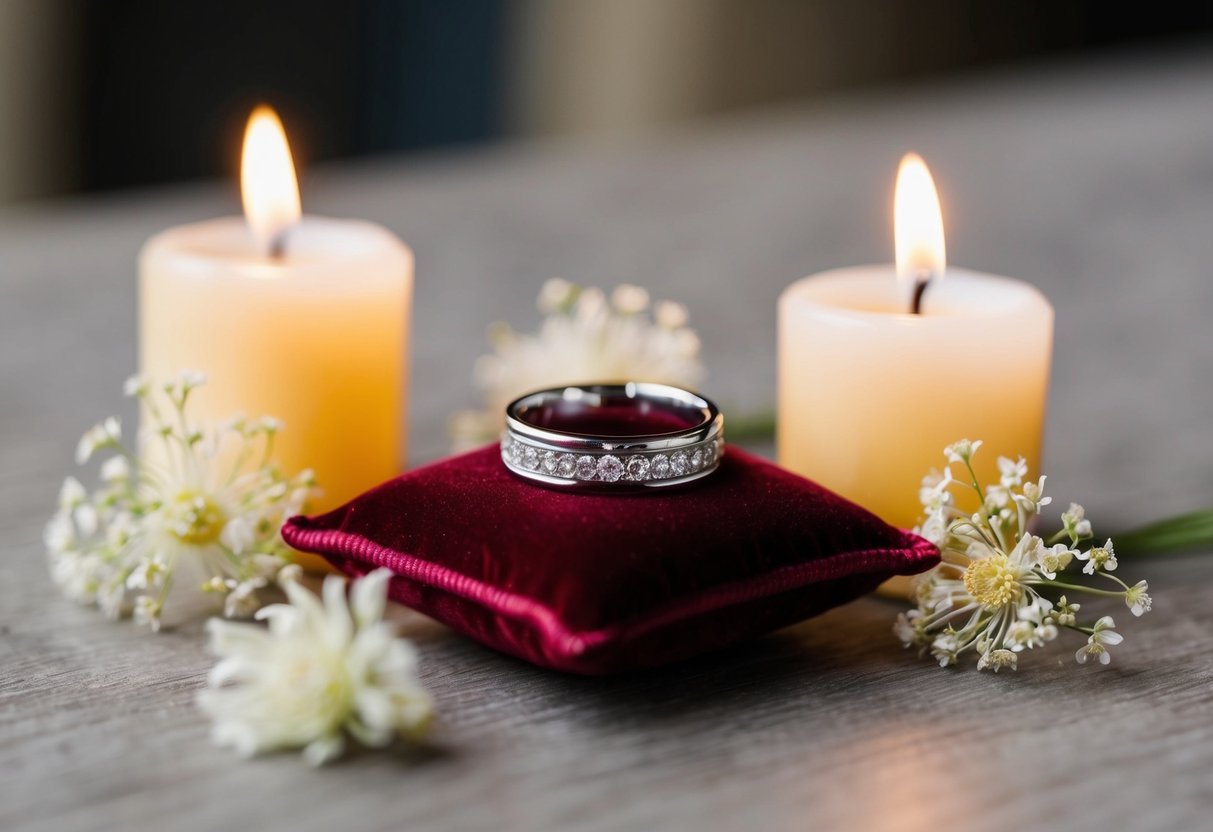
Wedding rings hold deep importance in many cultures and traditions. They symbolize love, commitment, and the bond between partners. Understanding their role can give you insight into your relationship and its meaning in a broader context.
Symbolism of the Wedding Band
The wedding band represents a never-ending circle, signifying eternal love and commitment. Many believe that the placement of the ring on the fourth finger of the left hand connects directly to the heart via the vena amoris, or “vein of love.” This idea emphasizes the emotional and spiritual connection between partners.
In different cultures, the types of rings worn can vary, but the core sentiment remains the same. Wearing a wedding ring often signifies your relationship status and signals to others that you are committed to someone special.
Wedding Rings Through History
The history of wedding rings dates back thousands of years. In ancient Egypt, couples exchanged braided reeds to symbolize their union. The Romans later popularized the use of metal rings, marking a shift toward more durable materials.
Initially, only women wore rings. Over time, customs changed, and now many couples exchange rings during their wedding ceremony. Today, the designs of wedding bands have evolved to include various styles, such as plain gold bands or modern customized designs that reflect personal tastes.
Variations Across Cultures
Different cultures have unique approaches to wedding rings. For instance, in some Christian traditions, exchanging rings represents the couple’s commitment to each other and God. In other cultures, such as in Islam, wedding rings may not be required, yet are sometimes exchanged to signify loyalty and love.
In India, couples often wear rings on different fingers based on cultural preferences. The ritual and significance attached to these rings can vary greatly, showcasing the diverse ways love and commitment are celebrated around the world.
Personal Choices and Modern Views on Marriage
Marriage is a deeply personal choice, and views on commitment can vary widely. Many people today approach the idea of wearing wedding rings with different perspectives, influenced by personal beliefs and lifestyle choices.
Choosing Not to Wear a Wedding Ring
Some individuals decide not to wear a wedding ring for various reasons. You might feel that wearing a ring isn’t necessary to show your commitment. For some, this choice reflects a desire to break tradition, focusing on the bond rather than the jewelry.
Additionally, if you have a job where wearing a ring could be unsafe, it’s perfectly valid to prioritize safety. People in professions like law enforcement or manual labor may choose practicality over tradition.
This choice can also be a personal one, influenced by comfort or style. Some prefer silicone rings or even tattoo rings as alternatives to the traditional metal bands.
Alternative Forms of Commitment
Commitment comes in many forms. It’s not just about the ring you wear but also about how you nurture your relationship. You may choose to express your love through actions and meaningful conversations instead of jewelry.
Some couples focus on shared experiences, creating memories that strengthen their bond. Planning trips or engaging in hobbies together can solidify your connection.
Choosing alternative symbols can also be significant. For instance, trust and understanding between partners can serve as powerful markers of commitment, sometimes even stronger than wearing a ring.
Communicating Relationship Status
For those not wearing a wedding ring, being open about your relationship status is important. Clear communication helps avoid misunderstandings. If someone asks about your marital status, having an honest discussion about your choice not to wear a ring can clarify your commitment.
You might choose to express that your relationship is built on trust and mutual respect, not just a physical symbol. This approach fosters an open and honest conversation that strengthens your connection.
Practical Considerations and Safety

Deciding whether to wear a wedding ring involves practical factors and safety concerns. You should consider your lifestyle and work environment, as well as any potential health risks that could arise.
Workplace and Lifestyle Factors
In certain jobs, wearing a ring may not be practical. For example, if you work in construction, healthcare, or with heavy machinery, your wedding ring can get caught or damaged. This poses a risk not only to the ring but also to your safety.
Some people prefer not to wear a ring because they find it uncomfortable, particularly if they engage in physical activities. Choosing to remove your ring can prevent distractions or injuries, allowing you to focus better on your tasks.
Health and Safety Risks
Certain metals used in wedding rings can also cause reactions. For instance, rings made from nickel can trigger allergies. If you experience any discomfort or rash, it may be best to stop wearing your ring.
Additionally, in environments where cleanliness is key, such as hospitals, taking off your ring can help maintain hygiene. Not wearing a ring can also eliminate the risk of ring avulsion injuries if your hand gets snagged. Thus, weighing these safety issues is crucial for your wellbeing.
Societal Perspectives and Individualism
The choice not to wear a wedding ring can stir up different opinions in society. You may find that societal expectations often clash with personal preferences. Understanding these dynamics can help you navigate this choice with confidence.
Societal Expectations vs. Individual Preferences
Many cultures view wedding rings as symbols of love and commitment. These rings often represent a promise between partners. You might feel pressure to wear one due to these societal norms. In some households, not wearing a ring can be seen as a sign of instability or even an invitation to divorce, while many believe that true commitment doesn’t need a physical token.
However, individual preferences are just as important. Some people choose not to wear rings for various reasons. Perhaps they prioritize self-expression over tradition or simply find rings uncomfortable. Embracing your own choice can lead to genuine happiness in your relationships.
Famous Figures and Public Perceptions
Look at celebrity relationships, such as that of Prince William and Kate Middleton. Their love story has been both admired and scrutinized. They are often depicted wearing rings, and public interest sometimes questions the significance of these choices.
Some celebrities openly discuss their choice not to wear a wedding ring. This can challenge the traditional view and provide a different perspective on commitment and love. You may find inspiration from these figures, realizing that a ring doesn’t define a relationship status.
Public perceptions can influence your thoughts about wedding rings. Yet, embracing your unique viewpoint can reinforce what commitment means to you.