
Is It Bad Not to Have a Wedding Ring? Exploring the Reasons and Feelings Behind It
Not wearing a wedding ring can raise questions about your commitment to your relationship. It’s important to remember that choosing not to wear a wedding ring is a personal preference and does not inherently signal a lack of dedication to your marriage. Many people have valid reasons for their choice, be it comfort, lifestyle, or practicality.

Marriage is about the bond you share with your partner, not just a piece of jewelry. For some, a wedding ring may feel restrictive or impractical, especially during certain activities or jobs. Understanding your own feelings and communicating with your partner about this choice can strengthen your relationship.
Ultimately, it’s all about how you and your partner view commitment. As long as you feel connected and devoted to each other, the presence of a ring may not matter as much as it seems. Embrace what works for your relationship and remember that love goes beyond symbols.
The Significance of Wedding Rings
Wedding rings carry deep meaning and importance. They are not just pieces of jewelry, but symbols of love, commitment, and the vows shared between partners. Understanding their history and symbolism can help you appreciate their significance in a marriage.
History and Tradition of Rings
The practice of wearing wedding rings dates back thousands of years. For example, ancient Egyptians exchanged rings made from braided reeds to symbolize their love and commitment. In Roman culture, the wedding band was often made from iron, signifying strength. Over time, the tradition evolved, and gold became a common choice due to its beauty and lasting nature.
Today, wedding rings represent marital status in many cultures. When you wear one, it signals to others that you are committed to your partner.
Symbolism of Love and Commitment
Wedding rings are powerful symbols of your vows. The circular shape of a ring signifies eternity, meaning your love and commitment have no end. Wearing a wedding band serves as a public declaration of your bond. It reminds you and your partner of the promises made during your wedding day.
The tradition also connects to the idea of the vena amoris, the belief that a vein in your ring finger leads directly to your heart. This belief adds to the sentimentality of wearing a wedding ring, as it is seen as a constant reminder of your love and commitment.
Cultural and Personal Perspectives
Cultural norms and personal preferences play significant roles in how people view the absence of a wedding ring. While some may see it as typical, others might interpret it differently based on personal beliefs and relationship status.
Social Expectations and Marital Status
In many cultures, wearing a wedding ring is a clear sign of marital status. When you wear a ring, it often signals to others that you are committed. This can create a sense of trust in your relationship.
However, not wearing a wedding ring can lead to questions or assumptions from others. For instance, people may wonder if you are single or going through a divorce. These social expectations can sometimes put pressure on individuals to conform.
If you choose not to wear a ring, consider how it reflects your relationship. Being aware of cultural norms may help you understand the different perceptions people might have.
Personal Choice and Individual Expression
Choosing to not wear a wedding ring can also be a personal decision. For some, it might stem from individual preferences or the desire to break tradition. You may feel more comfortable without a ring, especially if you consider yourself a private person.
In some cases, a lack of a ring may signal deeper issues in a relationship. It can indicate a shift in commitment or even trust. If you are going through a tough time, like a divorce, deciding not to wear a ring can be part of your healing process.
Ultimately, your choice should reflect your feelings and what feels right for you.
Practical Considerations and Alternatives
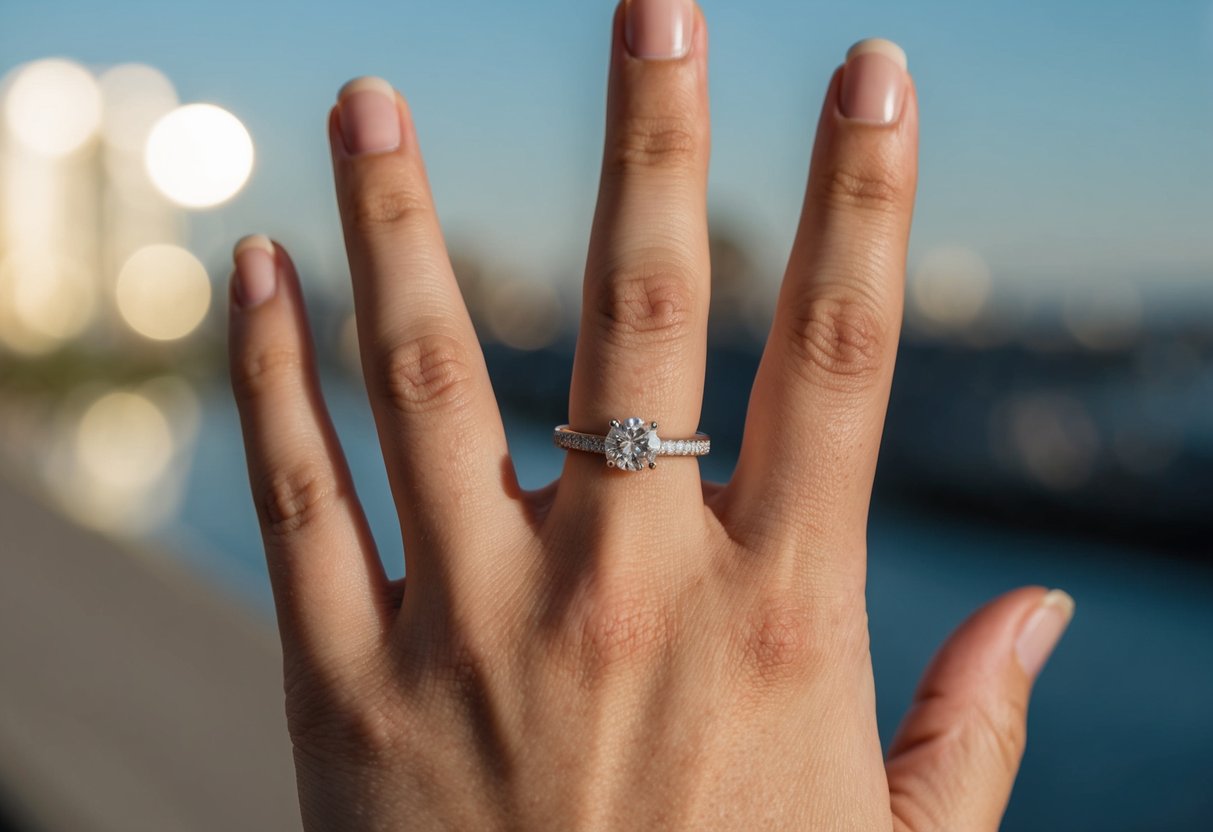
When it comes to not wearing a wedding ring, there are practical factors you should think about. Many people have safety concerns, while others are looking for alternatives that may suit their lifestyle better.
Safety and Comfort Concerns
Your work environment might make wearing a traditional ring risky. For example, if you work with heavy machinery, a ring can get caught, leading to serious injury.
Some people also face issues such as metal allergies. If you are allergic to certain metals, wearing a ring can be uncomfortable and lead to skin irritation.
Comfort is another factor. If you’re not used to wearing jewelry, a ring may feel uncomfortable on your finger. In these cases, considering alternatives might be the best way to go.
Non-Traditional Alternatives
If traditional rings don’t appeal to you, there are plenty of creative alternatives. Silicone rings are popular for their flexibility and comfort. They’re great for various activities, like sports or work, where a metal ring might be inconvenient.
Another option is tattoo rings. These can be a unique and permanent way to symbolize your commitment. They can be customized to fit your style and will never get in the way.
If you’re interested in a more personal touch, consider using meaningful items like engagement rings or other jewelry, which can symbolize your bond in a way that’s true to you.
Public Figures and Trends

Your perceptions about wedding rings can be influenced by what public figures choose to do. Celebrities often set trends that others follow. Many people look up to them for guidance on fashion and relationships.
Influence of Celebrities
Celebrities like Prince William have sparked discussions around wedding rings. He was often seen without his ring during public appearances. This led some to wonder if it’s a bad sign for relationships. However, many couples today recognize that jewelry choices are personal.
Some stars openly share their preferences against wearing rings. This openness encourages fans to consider their own choices and values. For some, it may even lead to better communication about love and commitment. Engaging in an open and honest conversation about these choices can strengthen relationships.
Changing Views over Time
Attitudes towards wedding rings have changed over the years. In the past, people might have raised questions about loyalty or stability if someone didn’t wear a ring. Now, many understand that absence doesn’t imply a lack of love.
Fashion also plays a role, as people seek styles that reflect personal taste rather than tradition. Many choose to wear their rings only at special events.
This shift illustrates how people prioritize comfort and personal meaning over societal expectations.
Some even believe that not wearing a ring could bring bad luck, but many find that their relationship’s strength doesn’t rely on jewelry. As traditions evolve, the key is to know what feels right for you.